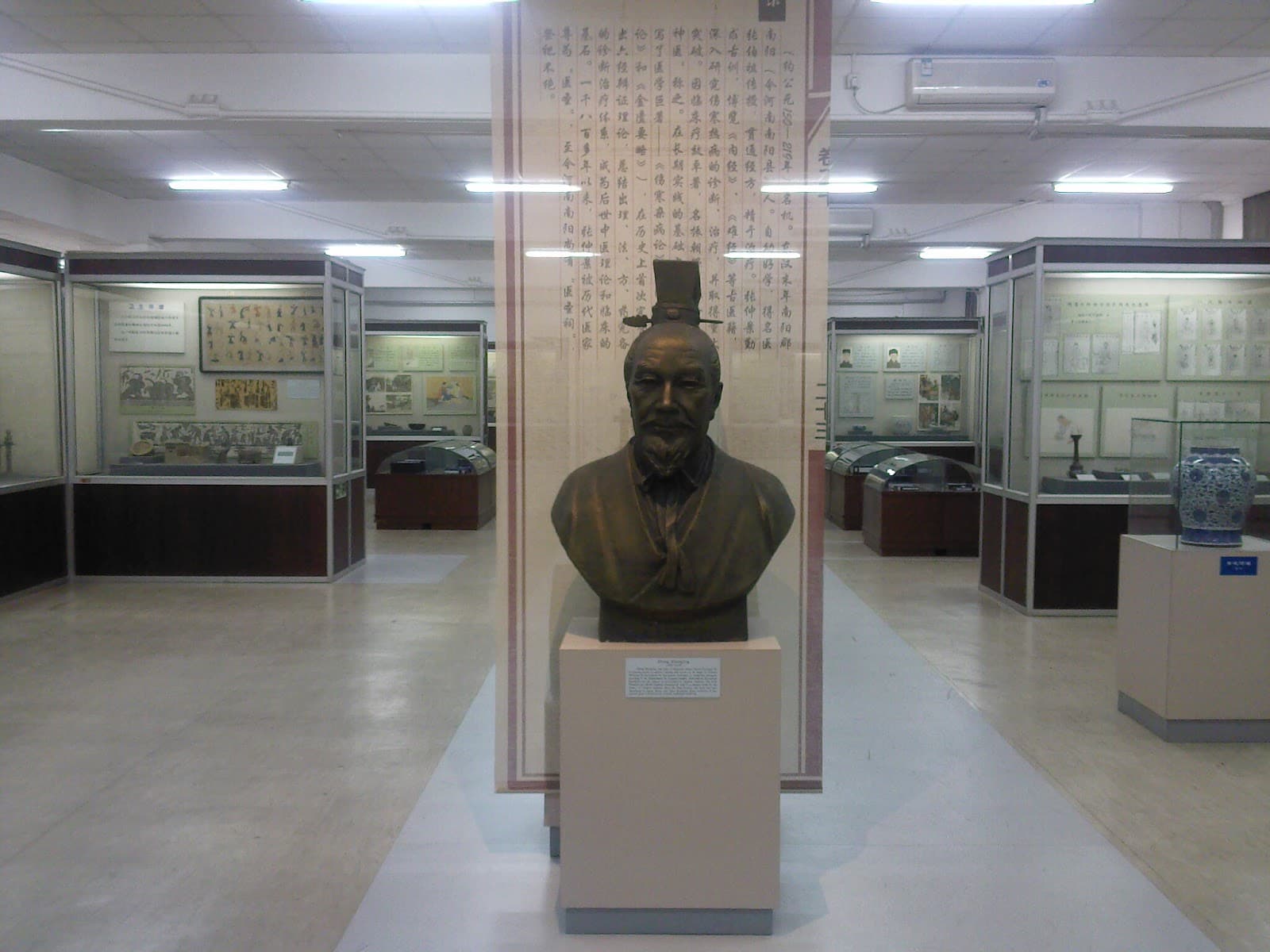
Beijing Museum of Ancient Chinese Medicine and Pharmacology
Explore the rich history and profound practices of Traditional Chinese Medicine (TCM) through ancient artifacts and unique exhibits.
Highlights
Must-see attractions

Social
From TikTok & Reddit
Best Time
Fewer crowds, more peaceful
Beijing Museum of Ancient Chinese Medicine and Pharmacology
Best Time
Fewer crowds, more peaceful
Highlights
Must-see attractions
Explore the rich history and profound practices of Traditional Chinese Medicine (TCM) through ancient artifacts and unique exhibits.
"A deep dive into the fascinating world of Chinese medicine, showcasing its ancient wisdom and enduring legacy."
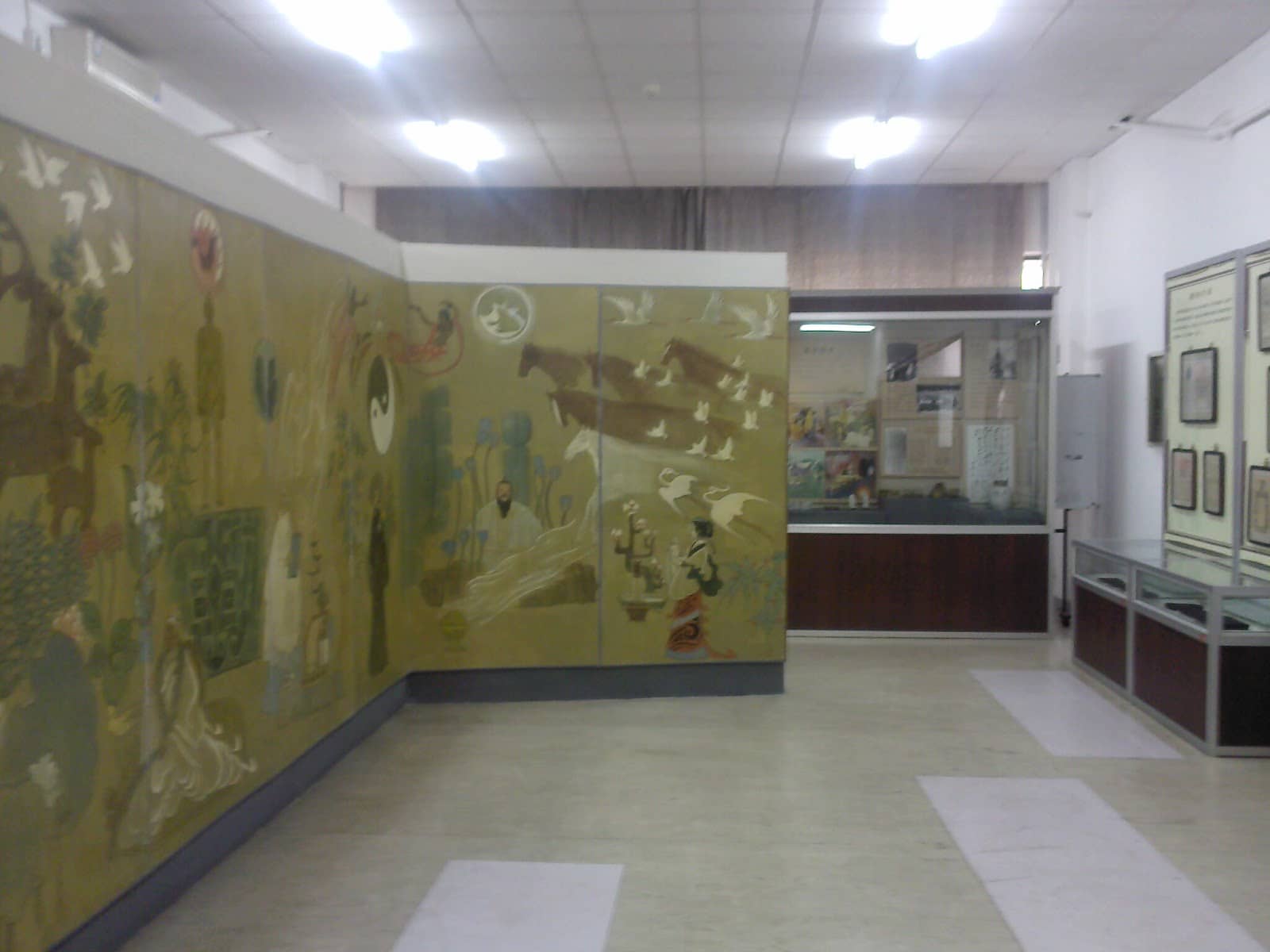
Allocate Enough Time ⏳
Give yourself at least 2-3 hours to fully explore the extensive collections and understand TCM's rich history.
Engage with Exhibits 🧐
Don't just look; read the descriptions and try to understand the context of each artifact. Many displays offer deep insights into TCM culture.
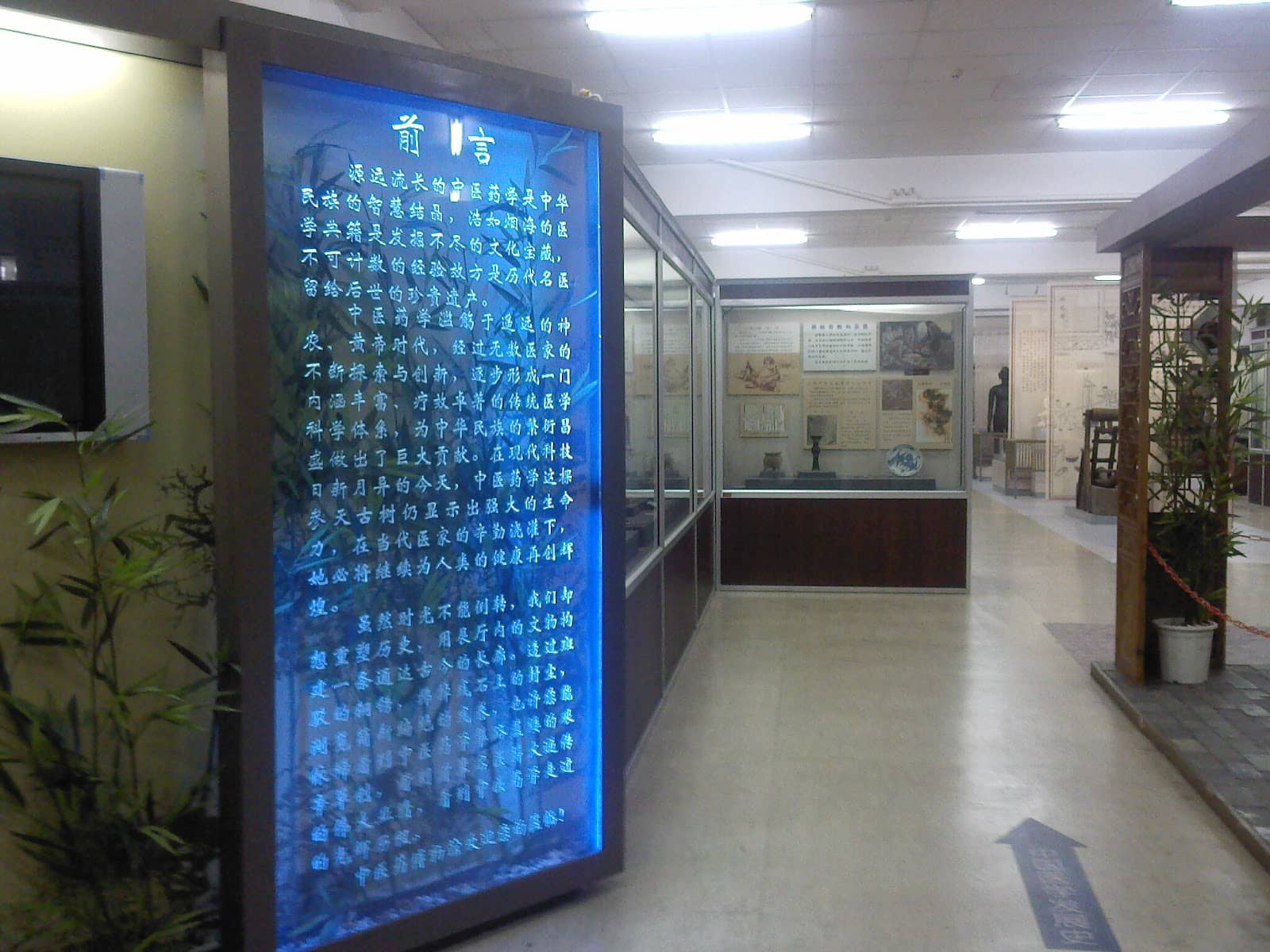
Quick Facts
Rating
5 · 1 reviews
Type
Museum
Highlights
Discover the most iconic attractions and experiences
Map of China from Medicinal Materials
Main Exhibition Hall
A stunning map of China crafted entirely from medicinal herbs, showcasing the vastness of TCM resources.
Ancient Medical Instruments
Historical Artifacts Section
Explore centuries-old acupuncture needles, surgical tools, and diagnostic instruments that reveal the evolution of medical practice.
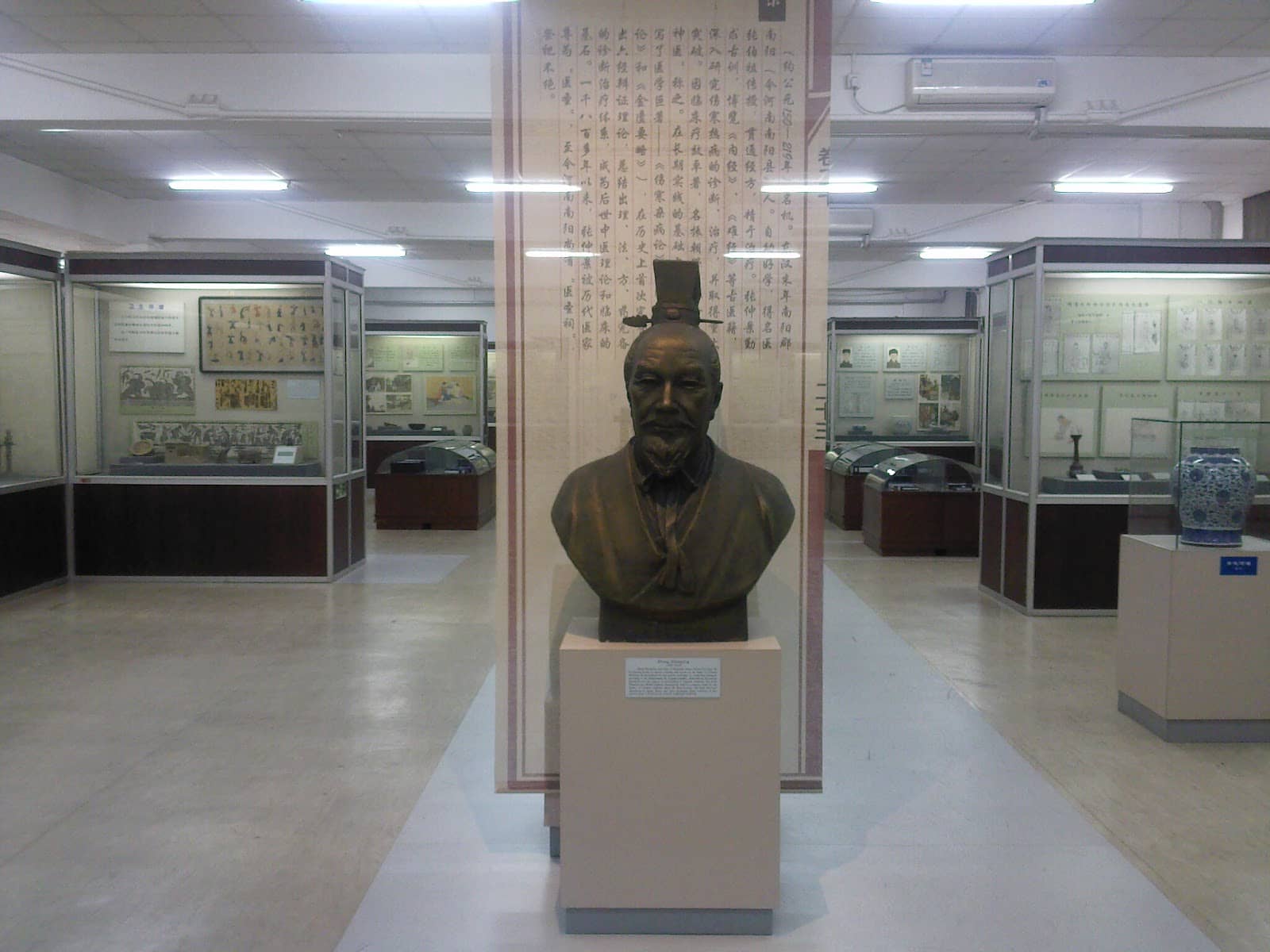
Herbal Medicine Displays
Pharmacology Exhibits
Discover a wide array of traditional Chinese herbs, their properties, and their historical applications in healing.
Plans like a pro.
Thinks like you
Planning Your Visit
Timing Your Visit
Understanding TCM
Best Times
Insider Tips
from TikTok, Instagram & Reddit
Allocate Enough Time ⏳
Give yourself at least 2-3 hours to fully explore the extensive collections and understand TCM's rich history.
Engage with Exhibits 🧐
Don't just look; read the descriptions and try to understand the context of each artifact. Many displays offer deep insights into TCM culture.
Check for Special Exhibitions 📅
The museum sometimes hosts special exhibitions, like the 'Light of Wisdom' TCM exhibition, which are worth checking out.
Tips
from all over the internet
Allocate Enough Time ⏳
Give yourself at least 2-3 hours to fully explore the extensive collections and understand TCM's rich history.
Engage with Exhibits 🧐
Don't just look; read the descriptions and try to understand the context of each artifact. Many displays offer deep insights into TCM culture.
Check for Special Exhibitions 📅
The museum sometimes hosts special exhibitions, like the 'Light of Wisdom' TCM exhibition, which are worth checking out.
What Travellers Say
Reviews Summary
Visitors often praise the museum for its comprehensive and insightful presentation of Traditional Chinese Medicine (TCM). The unique exhibits, such as the medicinal material map and ancient instruments, are frequently highlighted as memorable. Some visitors note that the depth of information can be extensive, suggesting ample time is needed for a thorough exploration.
""
SUDARSHAN SHRIIDAS
What People Like
What People Dislike
Frequently Asked Questions
🚇 🗺️ Getting There
The museum is accessible via public transport. Several bus lines stop nearby, and it's a reasonable distance from several subway stations. Using a ride-sharing app or taxi is also a convenient option. Check local transit apps for the most up-to-date routes and schedules.
Information on parking availability can vary. It's advisable to check the museum's official website or contact them directly for the most current parking information. Public transport is generally recommended for ease of access.
While specific lines can change, generally, you'll want to look for stations on lines that serve the central Beijing area. From there, you might need a short bus ride or a walk. Consult a Beijing subway map or app for the closest station to the museum.
🎫 🎫 Tickets & Entry
It's often recommended to check the museum's official website for the latest ticketing information. While some visitors may be able to purchase tickets on-site, booking in advance can save time, especially during peak seasons.
Museum hours can vary, so it's crucial to verify them on the official website before your visit. Typically, museums in Beijing operate from morning to late afternoon, with some exceptions for holidays or special events.
Most museums in Beijing have an admission fee, though some may offer free entry on certain days or for specific exhibitions. Check the museum's official ticketing page for current pricing and any potential discounts.
Many cultural institutions offer discounted rates for students, seniors, and children. Inquire at the ticket counter or check the museum's website for details on eligibility and required identification for discounts.
Guided tours can significantly enhance your understanding of the exhibits. Inquire at the information desk upon arrival or check the museum's website for tour schedules, languages offered, and any associated costs.
🎫 🧭 Onsite Experience
To fully appreciate the exhibits, plan for at least 2 to 3 hours. The museum covers a vast history of Chinese medicine, from ancient instruments to detailed herbal displays.
Don't miss the intricate map of China made from medicinal materials, the collection of ancient medical instruments, and the detailed displays on traditional Chinese herbs and their uses.
The museum offers a unique educational experience for children, introducing them to the fascinating world of traditional medicine. Interactive elements, if available, can make the visit more engaging for younger visitors.
Photography policies can vary. Generally, non-flash photography is permitted in most areas, but it's always best to check for specific signage or ask museum staff to confirm.

Yes, most major museums are equipped with visitor facilities including restrooms, and often a cafe or gift shop. Check the museum's layout map upon arrival for their locations.
🍽️ 🍽️ Food & Dining
Many museums have an on-site cafe or restaurant offering light snacks, beverages, and sometimes full meals. Check the museum's amenities list on their website for specific details.
The area surrounding the museum likely offers a variety of dining choices, from local Beijing cuisine to international options. Exploring nearby streets will reveal many eateries. Ask museum staff for recommendations.
Typically, bringing outside food and drinks into exhibition halls is not permitted. However, there might be designated areas for picnics or eating. It's best to confirm the museum's policy.
📸 📸 Photography
The unique map of China made from medicinal materials is a highly photogenic spot. Also, the displays of ancient instruments and the detailed herbal arrangements offer great photographic opportunities.
Generally, flash photography is prohibited in museums to protect delicate artifacts. Always look for signs or ask staff if you're unsure about the photography rules.
Tripods and professional camera equipment are often restricted to avoid obstructing other visitors or damaging exhibits. Check the museum's specific photography policy for details.
Social
from TikTok, Instagram & Reddit