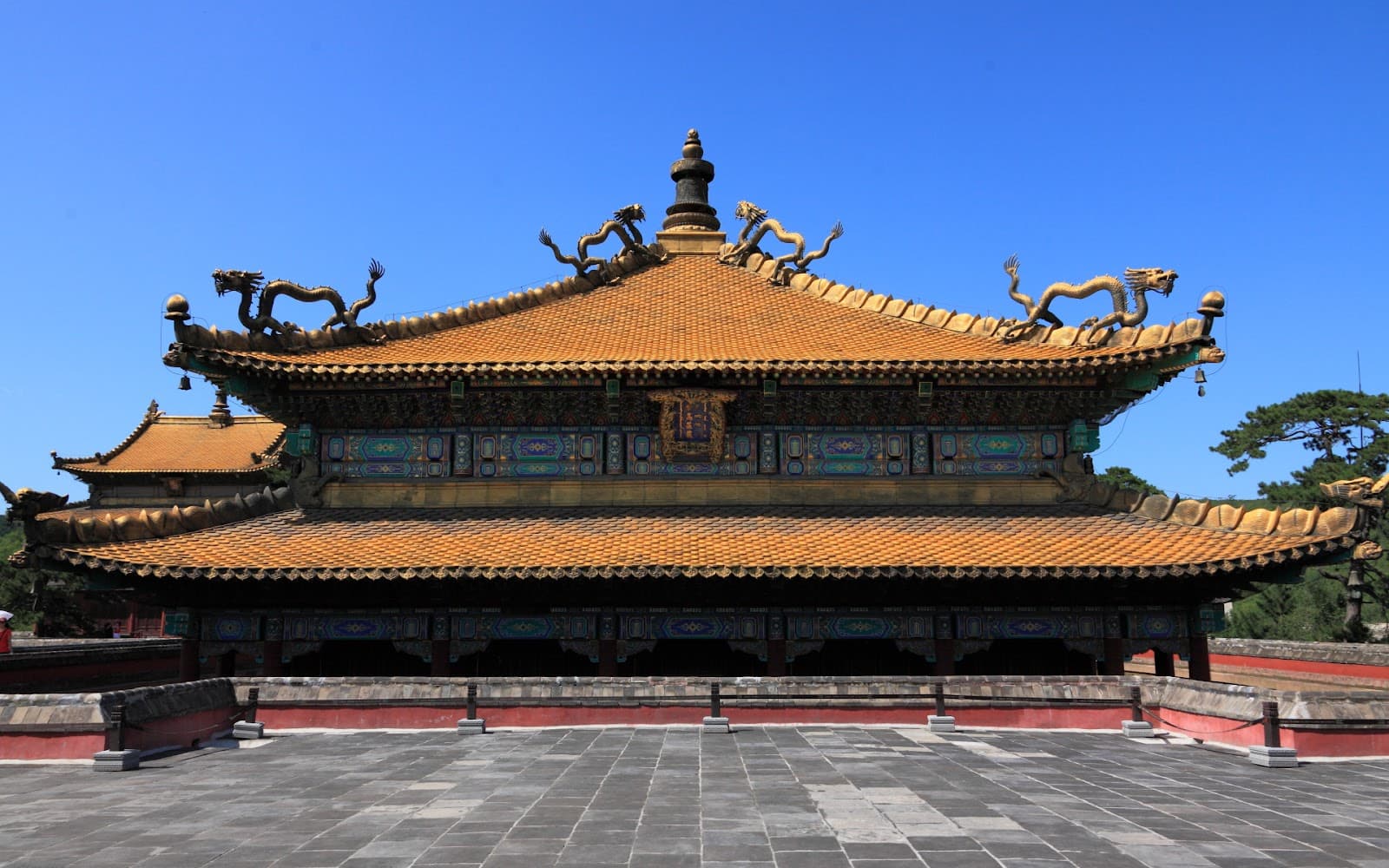
Xumi Fushou Temple Chengde - Image 1
1 / 3

Xumi Fushou Temple Chengde

4.8
·8 reviews·Chengde, China

A stunning Sino-Tibetan temple complex famed for its dazzling gold-plated roofs and intricate dragon carvings.

Highlights

Highlights

Must-see attractions

Social content

Social

From TikTok & Reddit

Best Time

Spring & Autumn mornings

Pleasant weather, fewer crowds

CrowdLow
Loading map...
Xumi Fushou Temple Chengde - Image 1

Xumi Fushou Temple Chengde

Best Time

Spring & Autumn mornings

Pleasant weather, fewer crowds

CrowdLow
Highlights

Highlights

Must-see attractions

A stunning Sino-Tibetan temple complex famed for its dazzling gold-plated roofs and intricate dragon carvings.

4.8
(8 reviews)

"The shimmering gold-plated roofs and unique architectural blend make this temple a must-see."
Vertical photo
TIP

📸 Capture the Gold

The gold-plated roofs are a highlight! Try to capture them from different angles, especially during golden hour.

🚶‍♀️ Explore the Passageways

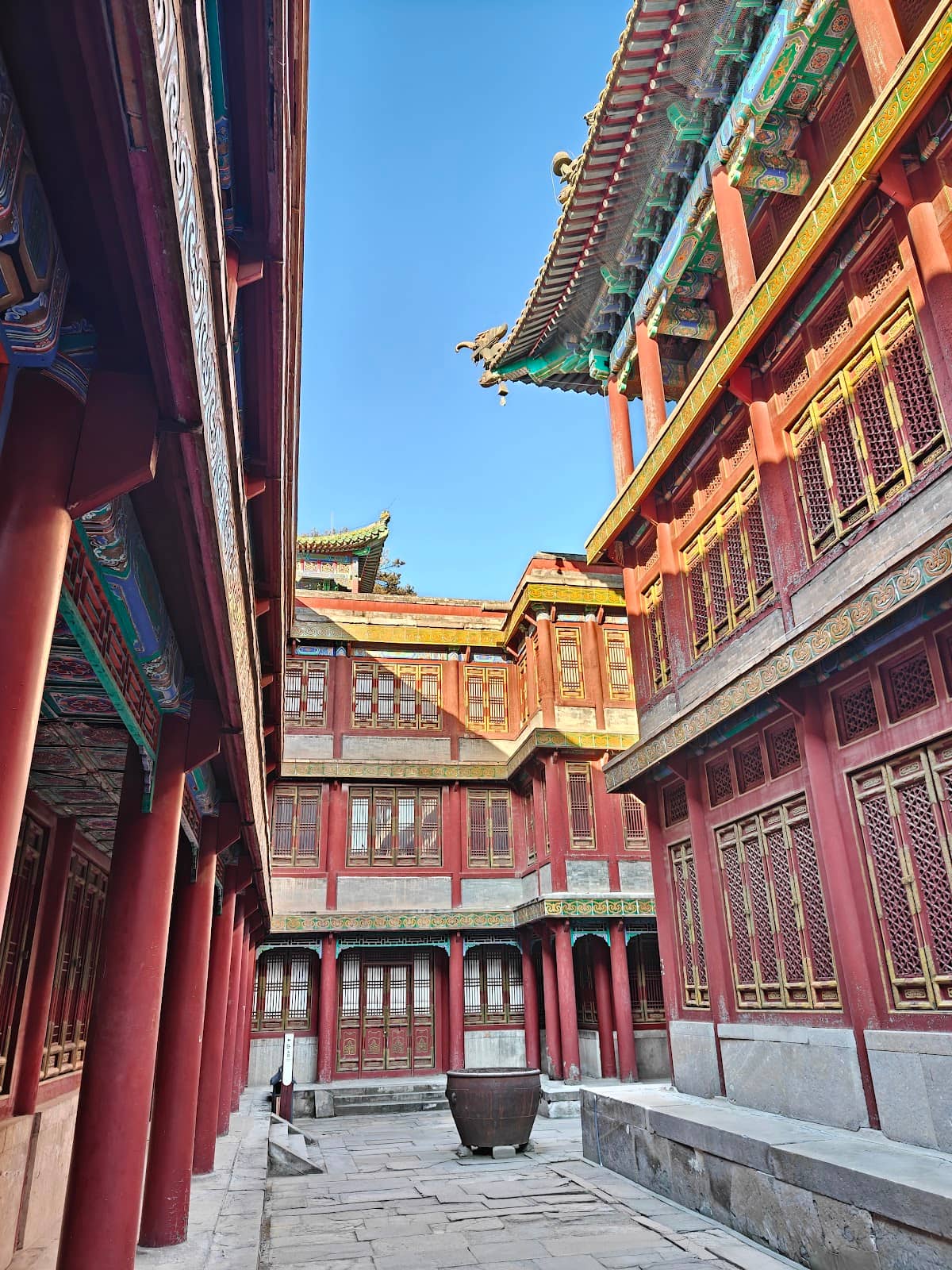
Don't miss the passageway on the Daikodai for close-up views of the intricate roof details.
Third hero image

Highlights

Discover the most iconic attractions and experiences

Gold-Plated Roofs

Gold-Plated Roofs

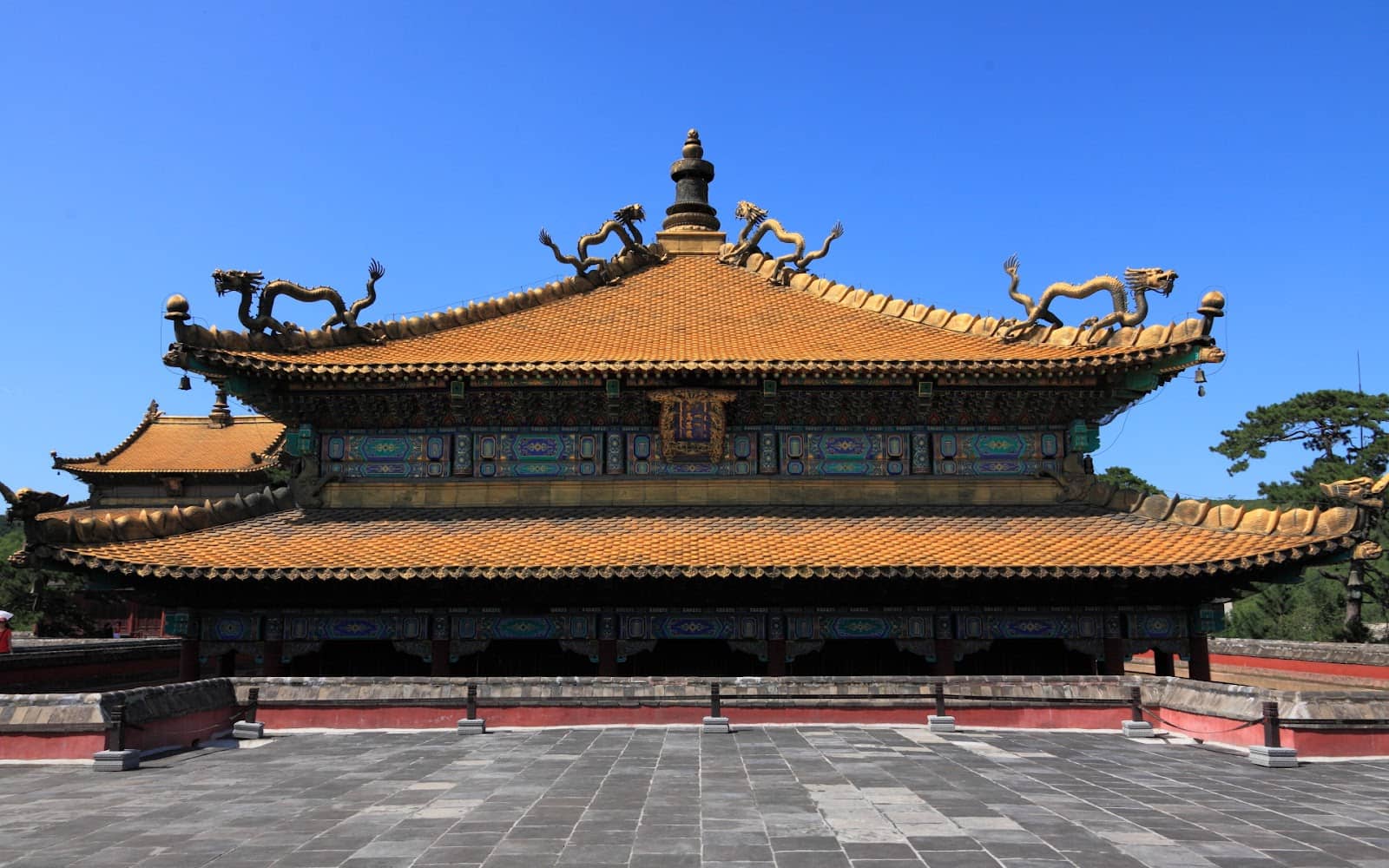
Marvel at the shimmering gold-plated copper tiles and intricate dragon carvings adorning the temple roofs.

Unique Architectural Blend

Unique Architectural Blend

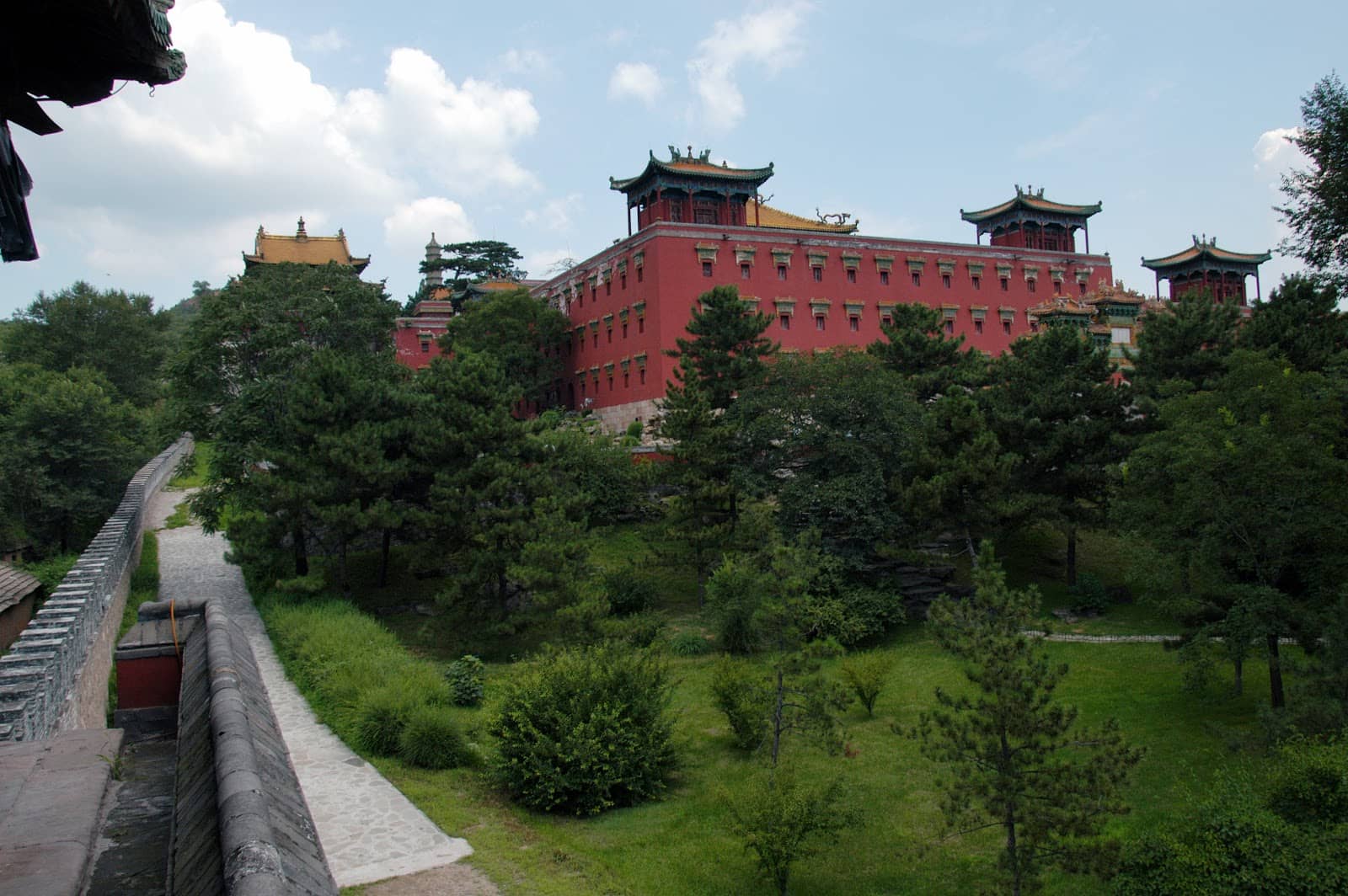
Experience the fascinating fusion of Tibetan and Chinese architectural styles, a testament to its historical significance.
Manju Ruri Tower

Manju Ruri Tower

Admire the striking Manju Ruri Tower, a prominent structure offering panoramic views and a sense of grandeur.

Your AI travel agent

Plans like a pro.
Thinks like you

Start Chatting

Planning Your Visit

Timing Your Visit

Consider visiting during the shoulder seasons (spring or autumn) for pleasant weather and fewer crowds. Weekdays are generally less busy than weekends, especially if you're aiming for a more peaceful experience.

Getting There & Around

Chengde is accessible by train from Beijing. Once in Chengde, local buses and taxis are readily available to reach the temple complex. Plan your transport in advance, especially if traveling during peak tourist times.

Best Times

When
Spring & Autumn mornings
Why
Pleasant weather, fewer crowds
Crowd
Low
When
Weekday afternoons
Why
Tour groups thin out
Crowd
Medium

Insider Tips

from TikTok, Instagram & Reddit

One of the walk ways leading up to the main Xumi Fushou Temples where the roofs are covered in gold plated copper tiles. With mom :) Interested in reading about my trip to Beijing? See more really cool photos, how this $100 Beijing tour came about & maybe get some ideas to plan your next China trip through my link 🇨🇳 #travel#china#explore#adventure#traveler#visitchina#beijing#vacation#travelchina
amyyyhang
159 likes • 0 views

📸 Capture the Gold

The gold-plated roofs are a highlight! Try to capture them from different angles, especially during golden hour. Instagram

🚶‍♀️ Explore the Passageways

Don't miss the passageway on the Daikodai for close-up views of the intricate roof details. Reddit

Xumi Fushou Temple, which means "Temple of Happiness & Longevity of the Sumeru Mountain". The roof is covered with gold plated dragons and copper tiles. Horrible quality cause it was a pano shot on iPhone years ago. #china#beijing#travel#traveler#travelchinaexpore#adventure#gold#photography#blue#asia
amyyyhang
129 likes • 0 views
#承德 自 #须弥福寿之庙 眺望 #避暑山庄 #chengde #winter #building #mountain #temple
jxeos
22 likes • 0 views

Combine with Small Potala

It's conveniently located near the Small Potala Palace, making it easy to visit both in one trip. Reddit

🧥 Dress for the Season

Chengde can experience cold winters. Dress warmly if visiting during colder months. Instagram

#承德 #须弥福寿之庙 #万寿琉璃塔 #winter #building #china #chengde #tower
jxeos
21 likes • 0 views

Tips

from all over the internet

📸 Capture the Gold

The gold-plated roofs are a highlight! Try to capture them from different angles, especially during golden hour. Instagram

🚶‍♀️ Explore the Passageways

Don't miss the passageway on the Daikodai for close-up views of the intricate roof details. Reddit

Combine with Small Potala

It's conveniently located near the Small Potala Palace, making it easy to visit both in one trip. Reddit

🧥 Dress for the Season

Chengde can experience cold winters. Dress warmly if visiting during colder months. Instagram

What Travellers Say

4.8
(8 reviews)

Reviews Summary

Visitors find Xumi Fushou Temple to be a visually stunning site, particularly noted for its opulent gold-plated roofs and unique blend of Chinese and Tibetan architecture. Its proximity to the Small Potala Palace makes it a convenient addition to a Chengde itinerary. Some find it to be a relatively quick visit compared to other attractions.

"Free with your admission to the small potala palace. It's a quick trip with not much to see but it's also very close to the small potala palace so you might as well go check it out."

Mike X

"The Sumeru Fushou Temple, located in Chengde City, Hebei Province, is a serene and majestic Buddhist temple complex that embodies the essence of traditional Chinese Buddhist architecture. Built in 1780 during the Qing Dynasty, this tranquil temple is nestled amidst a picturesque landscape of rolling hills, sparkling lakes, and lush forests. The temple's design is inspired by the mythical Mount Sumeru, the sacred dwelling place of the Buddhist gods, and features a series of intricately carved halls, pavilions, and courtyards. As a sacred site for Buddhist worship and contemplation, the Sumeru Fushou Temple is renowned for its stunning beauty, peaceful ambiance, and profound spiritual significance, attracting pilgrims and visitors seeking enlightenment and inner peace."

Shaoping Sun

"The Temple of Xumi Fushou is a Tibetan Buddhist temple built by Emperor Qianlong to welcome the Sixth Panchen Lama, imitating the Tashilhunpo Temple in Tibet. The Sixth, Tenth and Eleventh Panchen Lama all lived here, and it is also known as the Panchen Palace."

谷有量

What People Like

Gleaming gold roofs
Unique architecture
Historical significance

What People Dislike

Can be a quick visit

Frequently Asked Questions

🚇 🗺️ Getting There

You can take a high-speed train from Beijing to Chengde, which is a convenient and popular option. From Chengde train station, local buses or taxis can take you directly to the temple. Reddit

Local buses are an economical way to get around Chengde. Taxis are also readily available and can be a quicker option, especially if you're short on time. Reddit

Yes, the temple is generally accessible by local bus routes within Chengde, making it convenient for visitors using public transportation. Reddit

Many visitors combine a trip to Xumi Fushou Temple with the nearby Small Potala Palace, as they are in close proximity. Reddit

High-speed trains from Beijing to Chengde typically take around 1 to 1.5 hours, offering a quick journey. Reddit

🎫 🎫 Tickets & Entry

Xumi Fushou Temple is often included with the admission ticket for the Small Potala Palace, making it a combined visit. It's advisable to check current ticketing policies upon arrival. Reddit

Opening hours can vary seasonally. It's best to check the official opening times closer to your visit, especially if you plan to go early or late. Reddit

Typically, access to the Manju Ruri Tower is included with the general admission to the temple complex. Reddit

While some attractions in China offer online booking, it's recommended to check if Xumi Fushou Temple or its combined ticket with Small Potala Palace has an online purchase option for convenience. Reddit

Information on discounts can vary. It's a good idea to inquire at the ticket counter or check the official website for any available concessions. Reddit

📸 📸 Photography

The gold-plated roofs, especially the intricate dragon carvings, are a must-capture. The Manju Ruri Tower and the unique architectural details also offer great photo opportunities. Instagram

Photography rules can differ for indoor areas. It's best to look for signage or ask staff before taking pictures inside the main halls. Instagram

Early morning or late afternoon (golden hour) can provide beautiful lighting for the gold-plated roofs, minimizing harsh shadows and enhancing their shimmer. Instagram

Drone usage is typically restricted at historical and religious sites. It's highly unlikely to be permitted, so check local regulations beforehand. Instagram

Yes, panoramic shots can capture the scale and setting of the temple. The passageway on the Daikodai offers a unique vantage point. Instagram

🎫 🏛️ Onsite Experience

A visit to Xumi Fushou Temple itself can take about 1-2 hours, but if combined with the Small Potala Palace, plan for at least half a day. Reddit

The temple features a unique blend of Tibetan and Chinese architectural styles, built to resemble the Tashilhunpo Monastery in Tibet. Reddit

Yes, exploring the temple complex involves walking up stairs and across courtyards. Comfortable footwear is recommended. Reddit

Information on guided tours can vary. It's advisable to inquire at the visitor center or check for local tour operators in Chengde. Reddit

It was built by Emperor Qianlong to welcome the Sixth Panchen Lama and served as a residence for Panchen Lamas, also known as the Panchen Palace. Reddit

For Different Travelers

Tailored advice for your travel style

👨‍👩‍👧 Families with Kids

Xumi Fushou Temple offers a visually engaging experience for families, particularly with its dazzling gold-plated roofs and intricate dragon carvings that can spark children's imagination. While the historical and architectural details might be complex, the sheer visual spectacle can captivate younger visitors. The temple is part of a larger complex that includes the Small Potala Palace, so planning a combined visit can make for a fuller day trip. Ensure children wear comfortable shoes as there will be walking involved. InstagramReddit+1

📸 Photography Enthusiasts

For photographers, Xumi Fushou Temple is a dream. The gold-plated roofs are the main draw, especially during the golden hour for stunning light. Look for unique angles from the Daikodai passageway to capture the roof details up close. The Manju Ruri Tower also provides opportunities for wider shots of the complex and surrounding landscape. Be mindful of lighting conditions and consider bringing a wide-angle lens to capture the architectural grandeur. Instagram+1

🏛️ History Buffs

History enthusiasts will appreciate the Sino-Tibetan architectural fusion and the temple's role in Qing dynasty diplomacy. Understanding its connection to the Panchen Lamas and Emperor Qianlong's imperial strategies adds depth to the visit. Researching the history of the Tashilhunpo Monastery imitation beforehand can enhance the appreciation of the site's unique historical context. Reddit

Deep Dives

In-depth insights and expert knowledge

The Architectural Marvel of Xumi Fushou Temple

The Xumi Fushou Temple is a remarkable example of Sino-Tibetan architecture, commissioned by Emperor Qianlong in 1780. Its design is a deliberate imitation of the Tashilhunpo Monastery in Tibet, the traditional seat of the Panchen Lama. This architectural choice was made to honor and accommodate the Sixth Panchen Lama during his visit to Chengde, reflecting the Qing dynasty's policy of managing relations with Tibetan Buddhism. The temple complex is laid out to mirror the sacred Mount Sumeru, a central concept in Buddhist cosmology representing the axis of the world.

The most striking feature is the extensive use of gold-plated copper tiles on the roofs, which shimmer brilliantly in the sunlight. Intricate carvings, including numerous dragons, adorn these roofs, showcasing the opulence and craftsmanship of the era. Visitors can get a closer look at these details by accessing a specific passageway on the Daikodai building, offering a unique perspective on the temple's grandeur. The blend of Tibetan monastic elements with traditional Chinese palace aesthetics creates a visually stunning and historically significant site. InstagramReddit+1

Beyond the roofs, the temple comprises various halls, pavilions, and courtyards, each contributing to the overall spiritual and aesthetic experience. The Manju Ruri Tower stands as a prominent landmark within the complex, offering elevated views. The temple's construction and design underscore the Qing emperors' strategic use of religious and cultural patronage to consolidate their rule and foster a sense of imperial unity across diverse regions of their empire. InstagramReddit

Historical Significance and Imperial Patronage

The Xumi Fushou Temple holds significant historical importance as a symbol of the Qing dynasty's engagement with Tibetan Buddhism and its political strategies. Built specifically to welcome the Sixth Panchen Lama, the temple served as his temporary residence and a venue for important ceremonies, including the Qianlong Emperor's 70th birthday celebrations. This act of imperial patronage was a calculated move to strengthen ties with Tibetan religious leaders and, by extension, exert influence over the Tibetan region. The temple's name itself, translating to "Temple of Happiness & Longevity of the Sumeru Mountain," reflects the auspicious and spiritual connotations associated with its purpose.

Historically, the temple was also known as the Panchen Palace, as it was inhabited by the Sixth, Tenth, and Eleventh Panchen Lamas. This designation highlights its role as a significant religious center outside of Tibet itself. The architectural imitation of the Tashilhunpo Monastery was not merely aesthetic but a deliberate act of cultural diplomacy, demonstrating respect for Tibetan traditions while asserting imperial authority. The temple thus stands as a physical manifestation of the complex political and religious relationships between the Qing court and Tibetan Buddhism. Reddit

Visiting Xumi Fushou Temple offers a glimpse into this unique historical period, where imperial power, religious devotion, and architectural artistry converged. It provides context for understanding the broader Qing dynasty's approach to managing its vast and diverse empire, particularly its interactions with the Tibetan plateau. The temple's serene atmosphere today belies its rich and intricate past as a site of both spiritual significance and imperial strategy. Reddit