
China Agricultural Museum
Explore China's agricultural journey, from ancient farming to modern innovations. A deep dive into the nation's food heritage.

Highlights
Must-see attractions

Social
From TikTok & Reddit
Best Time
Fewer school groups
China Agricultural Museum
Best Time
Fewer school groups
Highlights
Must-see attractions
Explore China's agricultural journey, from ancient farming to modern innovations. A deep dive into the nation's food heritage.
"Best place to learn ancient agriculture in china."

Allocate Enough Time
Give yourself at least 2-3 hours to fully appreciate the extensive exhibits on China's agricultural journey.
Check for Special Exhibits
The museum often hosts temporary exhibitions that offer unique insights into specific agricultural topics.
Quick Facts
Rating
4.9 · 7 reviews
Type
Museum
Highlights
Discover the most iconic attractions and experiences
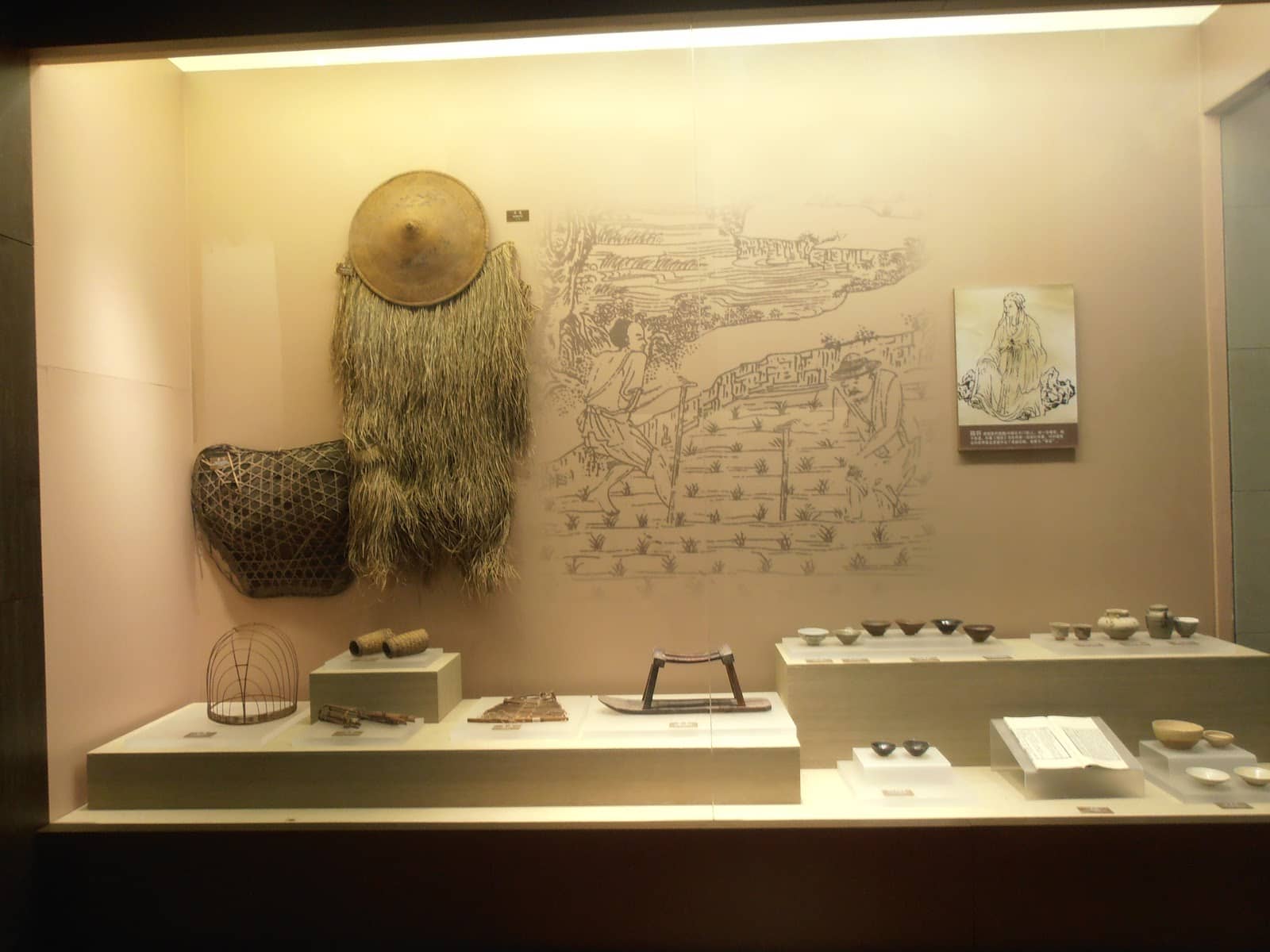
Ancient Farming Techniques
Exhibition Halls
Explore the ingenious methods used by ancient Chinese farmers, showcasing centuries of agricultural wisdom.
Modern Agricultural Innovations
Exhibition Halls
Discover cutting-edge technologies and sustainable practices shaping China's agricultural future.

Rural Life Exhibits
Exhibition Halls
Gain insight into the daily lives and traditions of Chinese farmers through detailed displays.
Plans like a pro.
Thinks like you
Planning Your Visit
Understand the Scope
Location & Timing
Best Times
Insider Tips
from TikTok, Instagram & Reddit
Allocate Enough Time
Give yourself at least 2-3 hours to fully appreciate the extensive exhibits on China's agricultural journey.
Check for Special Exhibits
The museum often hosts temporary exhibitions that offer unique insights into specific agricultural topics.
Focus on Your Interests
With vast displays, prioritize sections that align with your interests, whether ancient methods or modern tech.
Wear Comfortable Shoes
You'll be doing a lot of walking to explore the museum's many halls and displays. :athletic_shoe:
Tips
from all over the internet
Allocate Enough Time
Give yourself at least 2-3 hours to fully appreciate the extensive exhibits on China's agricultural journey.
Check for Special Exhibits
The museum often hosts temporary exhibitions that offer unique insights into specific agricultural topics.
Focus on Your Interests
With vast displays, prioritize sections that align with your interests, whether ancient methods or modern tech.
Wear Comfortable Shoes
You'll be doing a lot of walking to explore the museum's many halls and displays. :athletic_shoe:
What Travellers Say
Reviews Summary
Visitors find the China Agricultural Museum to be an excellent resource for learning about the country's farming history and innovations. It's praised for its comprehensive exhibits, offering a deep dive into both ancient techniques and modern advancements. While it's a niche interest, those who appreciate agriculture find it highly informative and well-presented.
"Best place to learn ancient agriculture in china"
Upul Niroshan Namal Bandara
"Relatively niche"
Junzhe Tao
"👍👍👍👍👌"
大陳
What People Like
What People Dislike
Frequently Asked Questions
🚇 🗺️ Getting There
The China Agricultural Museum is accessible via public transportation in Beijing. Many visitors opt for the subway, with stations like National Agricultural Exhibition Center (Line 10) being a convenient option. Taxis and ride-sharing services are also readily available. +1
Yes, parking facilities are typically available at the China Agricultural Museum, though it's advisable to check their official website for current availability and any associated fees.
Taking the subway is often the most efficient and cost-effective way to reach the museum from downtown Beijing. Line 10 is a common choice, with a station close to the museum grounds.
The National Agricultural Exhibition Center subway station (Line 10) is a major hub and provides direct access to the museum.
Absolutely, ride-sharing apps are a convenient option for reaching the China Agricultural Museum, especially if you're traveling with a group or have luggage.
🎫 🎫 Tickets & Entry
Opening hours can vary, but the museum is generally open during daytime hours on most days. It's highly recommended to check the official China Agricultural Museum website for the most current operating schedule before your visit.
While advance ticket purchase might not always be mandatory, it can save you time, especially during peak seasons or if there are special exhibitions. Check the museum's official website for ticketing information and booking options.
Admission fees can vary. It's best to consult the official China Agricultural Museum website for the most up-to-date pricing information. Some exhibits might have separate charges.
Discounts may be available for students, seniors, or children. Inquire at the ticket counter or check the museum's official website for details on any applicable concessions.
Museums often have one or two closing days per week, typically Mondays. Always verify the museum's official schedule to avoid disappointment.
🎫 🏛️ Onsite Experience
Visitors often highlight the exhibits on ancient Chinese farming techniques, traditional tools, and the evolution of agriculture. The displays showcasing modern innovations and rural life are also highly recommended. +1
To fully appreciate the breadth of exhibits, plan for at least 2 to 3 hours. If you're deeply interested in agricultural history, you could easily spend half a day.
Yes, the museum can be educational and engaging for children, especially those with an interest in science and nature. Interactive displays and visual exhibits can capture their attention.
Guided tours may be offered, providing deeper insights into the exhibits. Inquire at the information desk upon arrival or check the museum's website for tour schedules and booking information.
Photography policies can vary. Generally, non-flash photography is permitted in most areas, but it's always best to look for signage or ask museum staff if you're unsure.
🍽️ 🍽️ Food & Dining
The museum may have a cafe or restaurant offering light snacks and meals. It's advisable to check the museum's official website or inquire upon arrival for current dining facilities.
Policies on outside food and drinks can differ. Typically, it's best to consume these in designated areas or outside the exhibition halls. Check the museum's guidelines.
Museum cafes usually offer a selection of beverages, sandwiches, and local snacks. The offerings might be limited, so consider this if you're looking for a full meal.
Yes, the area surrounding the museum likely has various restaurants and eateries offering diverse culinary options, from local Chinese cuisine to international fare.
Depending on the museum's grounds and local regulations, there might be areas suitable for a picnic. However, it's best to confirm this with the museum staff.
📸 📸 Photography
Look for visually interesting displays of traditional farming tools, detailed models of agricultural landscapes, and exhibits showcasing vibrant crops or livestock. The architecture of the museum itself might also be photogenic.
Generally, flash photography is discouraged or prohibited inside museums to protect exhibits and avoid disturbing other visitors. Always check for signage or ask staff.
Tripods and professional photography equipment may require special permission. It's best to contact the museum in advance if you plan to use such gear.
Capture close-ups of intricate machinery, wide shots of innovative farming systems, and details of sustainable practices. The modern exhibits offer dynamic visual opportunities.
If the museum has outdoor spaces or gardens, these often provide excellent opportunities for photography, showcasing agricultural biodiversity and landscaping.
Social
from TikTok, Instagram & Reddit