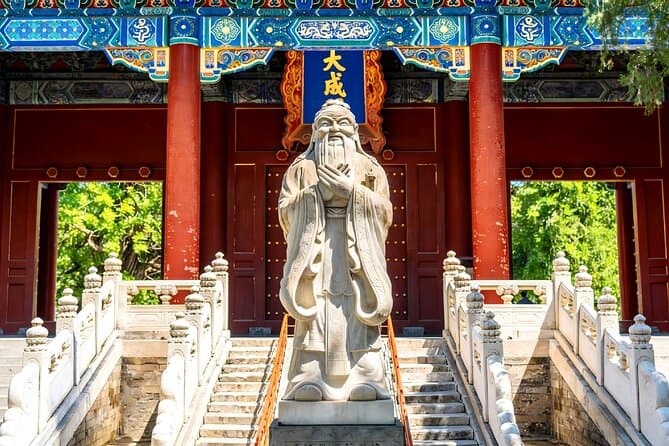
Confucius Temple and Imperial College Beijing
A 14th-century Confucian temple and former Imperial College, offering a serene glimpse into China's philosophical and educational past.
Highlights
Must-see attractions

Social
From TikTok & Reddit
Best Time
Blooming wisteria & fewer crowds
Confucius Temple and Imperial College Beijing
Best Time
Blooming wisteria & fewer crowds
Highlights
Must-see attractions
A 14th-century Confucian temple and former Imperial College, offering a serene glimpse into China's philosophical and educational past.
"A quiet and culturally rich site, offering a calm, reflective atmosphere surrounded by centuries of history."
🚶♀️ Combine with Lama Temple
Easily visit the adjacent Lama Temple for a fuller cultural experience.
⏳ Allow 2-3 Hours
Don't rush! Explore the history and philosophy in depth.
Quick Facts
Rating
4.5 · 419 reviews
Type
Scenic Spot
Highlights
Discover the most iconic attractions and experiences
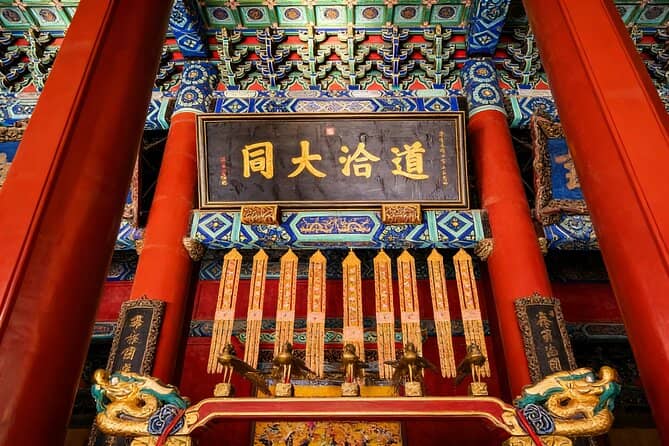
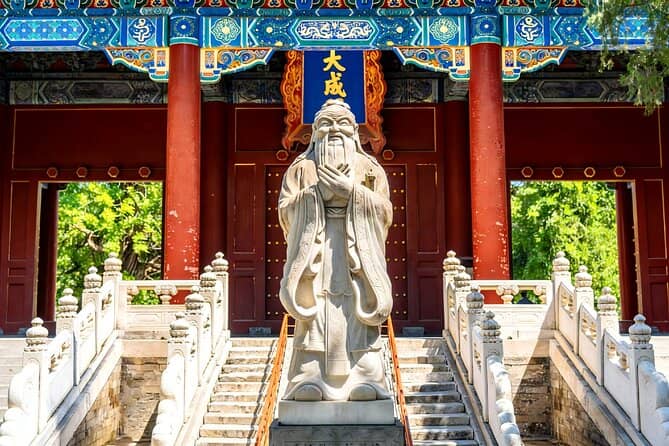
Dacheng Hall
Main Hall
The solemn heart of the temple, showcasing traditional architecture and honoring Confucius' teachings.
Imperial Examination Steles
Grounds
Admire historical stone pillars detailing civil servants who passed the rigorous imperial exams.
Guozijian (Imperial College)
Adjacent grounds
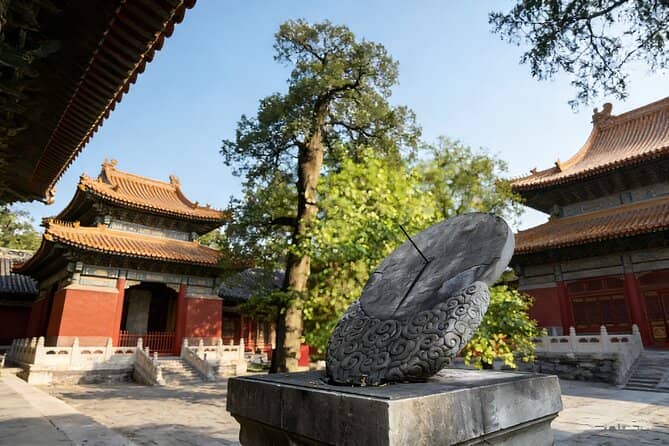
Explore the former highest institution of learning in China, with beautiful courtyards and ancient trees.
Wisteria Courtyard
Guozijian
Experience a dreamy atmosphere when wisteria blooms, adding natural beauty to the historic grounds.
Plans like a pro.
Thinks like you
Planning Your Visit
Combine with Lama Temple
Allocate Enough Time
Best Times
Insider Tips
from TikTok, Instagram & Reddit
🚶♀️ Combine with Lama Temple
Easily visit the adjacent Lama Temple for a fuller cultural experience.
⏳ Allow 2-3 Hours
Don't rush! Explore the history and philosophy in depth.
📚 Learn About Exams
Discover the fascinating history of imperial scholar selection.
📸 Capture the Beauty
Wisteria in spring offers a picturesque backdrop.
Tips
from all over the internet
🚶♀️ Combine with Lama Temple
Easily visit the adjacent Lama Temple for a fuller cultural experience.
⏳ Allow 2-3 Hours
Don't rush! Explore the history and philosophy in depth.
📚 Learn About Exams
Discover the fascinating history of imperial scholar selection.
📸 Capture the Beauty
Wisteria in spring offers a picturesque backdrop.
🙏 Pray for Success
Parents bring children to touch the 'Sole Winner' stone for academic luck.

What Travellers Say
Reviews Summary
Visitors praise the Confucius Temple and Imperial College for its rich cultural history, serene atmosphere, and well-preserved architecture. It's noted as a less crowded alternative to other Beijing attractions, offering a peaceful escape to learn about Confucianism and the ancient imperial examination system. Some find it particularly interesting to see the historical records of scholars and the legends associated with academic success.
"The Temple of Heaven (天坛) in Beijing is a UNESCO World Heritage Site and a masterpiece of ancient Chinese architecture, built for imperial ceremonies. Here are its key aspects:
📜 Historical Purpose
Built from 1406 to 1420 under the Ming Dynasty's Yongle Emperor, it served as the sacred altar where emperors of the Ming and Qing dynasties performed the "Prayer for Good Harvests" ceremony each winter solstice. As the "Son of Heaven," the emperor's rituals here were vital to legitimize his rule and ensure national prosperity.
⚖️ Architectural Philosophy & Symbolism
Its design is a physical representation of ancient Chinese cosmology:
· Round Heaven, Square Earth: The complex is surrounded by a square outer wall (Earth) and a semicircular northern inner wall (Heaven).
· The Central Axis: A 360-meter sacred walkway, the Danbi Bridge, connects the two main altars along a north-south axis.
· Symbolic Numbers: The architecture heavily uses the number 9 (the imperial, heavenly number) and its multiples in pillars and stone slabs.
🏛️ Main Structures
1. The Hall of Prayer for Good Harvests (祈年殿): The iconic triple-eaved circular building with a blue glazed tile roof, where prayers were offered.
2. The Imperial Vault of Heaven (皇穹宇): A smaller circular building that housed ritual tablets, surrounded by the famous Echo Wall.
3. The Circular Mound Altar (圜丘坛): A three-tiered, open-air marble altar where the most important solstice ceremony was held.
👑 Cultural & Ceremonial Significance
For nearly 500 years, it was the center of the state cult. The two major ceremonies were:
· Winter Solstice Ceremony: To thank Heaven and report on the year's affairs.
· Spring Prayer for Good Harvests: To ensure a prosperous agricultural season.
The site's sophisticated acoustics(like the Echo Wall) enhanced the mystical atmosphere."
Shafiq Alibaig
"The Beijing Temple of Confucius is a quiet and culturally rich site, often overlooked compared to the more famous attractions in the city. Built in 1302, it is the second largest Confucian temple in China and offers a calm, reflective atmosphere surrounded by centuries of history. The temple grounds are shaded by ancient cypress trees, some said to be hundreds of years old, adding to the sense of timelessness.
The halls and stone steles are beautifully preserved, with many carved inscriptions honoring Confucius and his teachings. The Dacheng Hall, the main hall, stands out with its traditional architecture and solemn ambiance. Unlike busier temples in Beijing, this one feels more serene, making it a good place to slow down and appreciate the cultural legacy of Confucianism.
Located right next to the Lama Temple, it’s easy to combine the two visits. If you are interested in Chinese philosophy, education, and history, this temple is well worth a stop."
Wisanu Tuntawiroon
"Awesome Temple with amazing architecture, sculptures & paintings, We particularly enjoyed the historical stone pillars database of all those civil servants who passed their exams at the Confucius University! Recommended,!"
David Probert
What People Like
What People Dislike
Frequently Asked Questions
🚇 🗺️ Getting There
The Confucius Temple and Imperial College are easily accessible by Beijing's subway system. Take subway Line 2 or Line 5 to Yonghegong Lama Temple Station and exit from Exit G. The entrance is a short walk from there.
Yes, the site is well-connected. Many visitors combine it with the nearby Lama Temple, which is also accessible from Yonghegong Lama Temple Station.
While parking is available in Beijing, it can be challenging and expensive. Using public transport like the subway is highly recommended for ease and cost-effectiveness.
Yes, ride-sharing apps are widely used in Beijing and can be a convenient option to reach the Confucius Temple and Imperial College, especially if you're traveling with a group.
The Confucius Temple is part of a cluster of northern attractions. Consider walking or taking short taxi rides to nearby sites like the Drum Tower and Shichahai.
🎫 🎫 Tickets & Entry
Tickets typically cost around 30 RMB. It's advisable to check the official WeChat account or ticketing platforms for the most current pricing and to purchase tickets in advance, especially during peak seasons.
While not always mandatory, booking tickets in advance, especially through WeChat or official channels, is recommended to avoid queues and ensure entry, particularly during holidays or weekends.
The opening hours can vary seasonally, but generally, the site is open from around 8:30 AM to 5:00 PM. It's best to verify the exact hours for your visit.
Yes, the entrance fee typically covers both the Confucius Temple and the adjacent Imperial College (Guozijian), offering a combined cultural experience.
Information on discounts can vary. It's recommended to inquire at the ticket office or check the official website for any available concessions for students, seniors, or other groups.
🎫 🧭 Onsite Experience
Explore the Dacheng Hall, admire ancient cypress trees, view historical steles detailing scholars, and learn about Confucian philosophy and the imperial examination system. The adjacent Imperial College offers further historical insights.
For a thorough visit, allow at least two to three hours to explore the grounds, halls, and exhibitions. A quick walk-through might take about an hour.
The grounds are relatively flat, but some areas may have steps. It's advisable to check accessibility details beforehand if you have specific mobility concerns.
Information boards with English explanations are available, providing historical context. Official guided tours might be available, or you can consider hiring a local guide for a deeper understanding.
The 'Sole Winner' stone is a popular spot where parents bring their children to touch for good luck and academic success in exams, reflecting the site's connection to education.
📸 📸 Photography
Capture the grandeur of Dacheng Hall, the intricate carvings on the steles, and the serene courtyards. The blooming wisteria in spring offers a particularly beautiful photographic opportunity.
Photography rules can vary. Generally, photography is allowed in outdoor areas and some exhibition spaces, but it's best to observe signage or ask staff regarding restrictions inside specific halls.
Early mornings or late afternoons often provide softer light and fewer crowds, making for more pleasant photography conditions.
Drone usage is typically prohibited in historical and cultural sites in Beijing. Always check local regulations before attempting to fly a drone.
Yes, the ancient cypress trees are a significant feature of the grounds and make for beautiful, atmospheric photographs.
Social
from TikTok, Instagram & Reddit