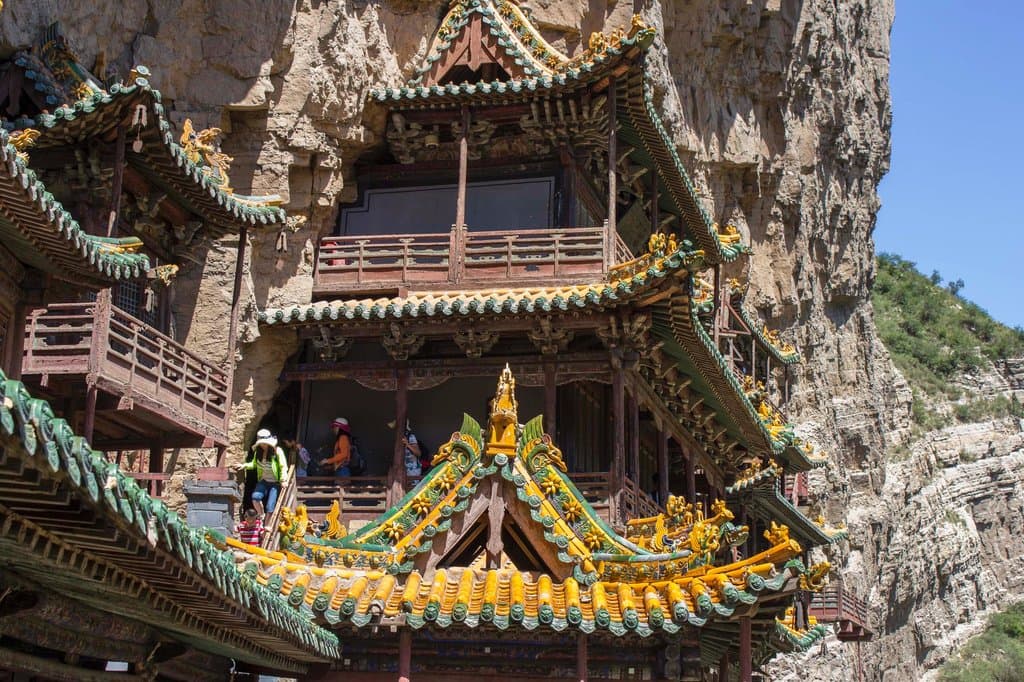
Hanging Temple (Xuankong Temple)
An ancient monastery built into a cliff face, a marvel of engineering and a unique spiritual site integrating three religions.
Highlights
Must-see attractions

Social
From TikTok & Reddit
Best Time
Shorter queues, fewer people
Hanging Temple (Xuankong Temple)
Best Time
Shorter queues, fewer people
Highlights
Must-see attractions
An ancient monastery built into a cliff face, a marvel of engineering and a unique spiritual site integrating three religions.
"An architectural marvel that defies gravity, clinging to a sheer cliff face for over 1500 years."
🎯 Buy Tickets at Visitor Center
Foreigners MUST buy tickets at Hengshan Visitor Center. Arrive early to avoid long queues!
⏰ Arrive Before 9 AM
Queues can exceed an hour by 9 AM. Beat the crowds for a better experience.
Quick Facts
Rating
4.7 · 404 reviews
Type
Buddhist Temple
Highlights
Discover the most iconic attractions and experiences
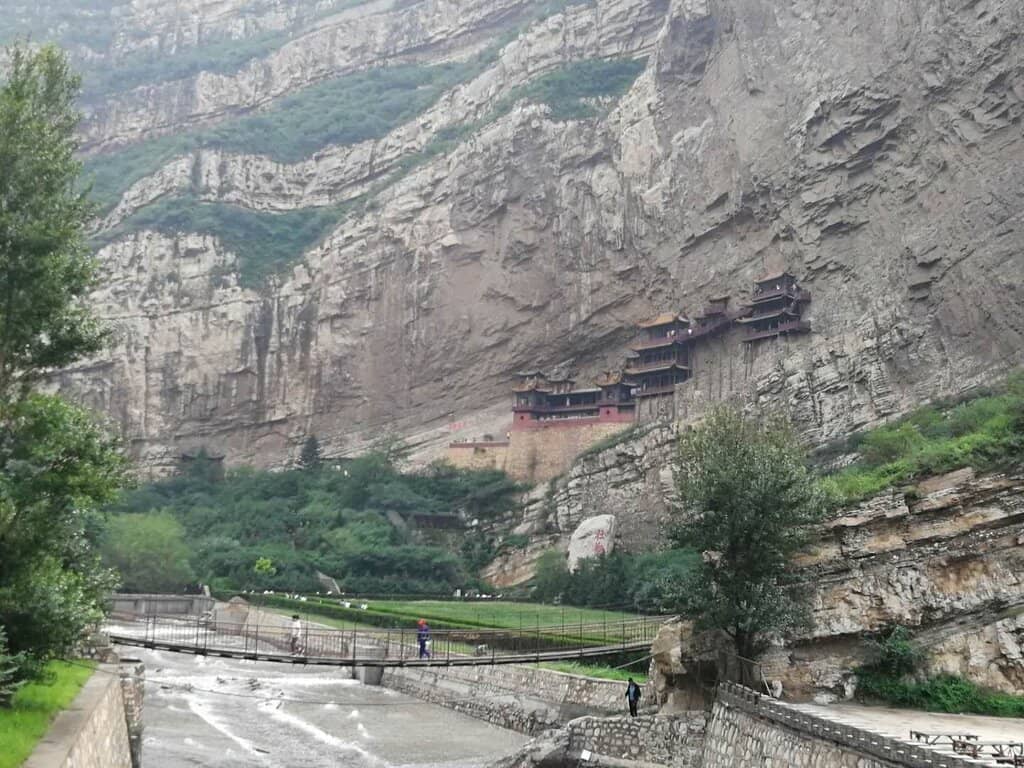
The Gravity-Defying Structure
Clinging to Hengshan Mountain cliffs
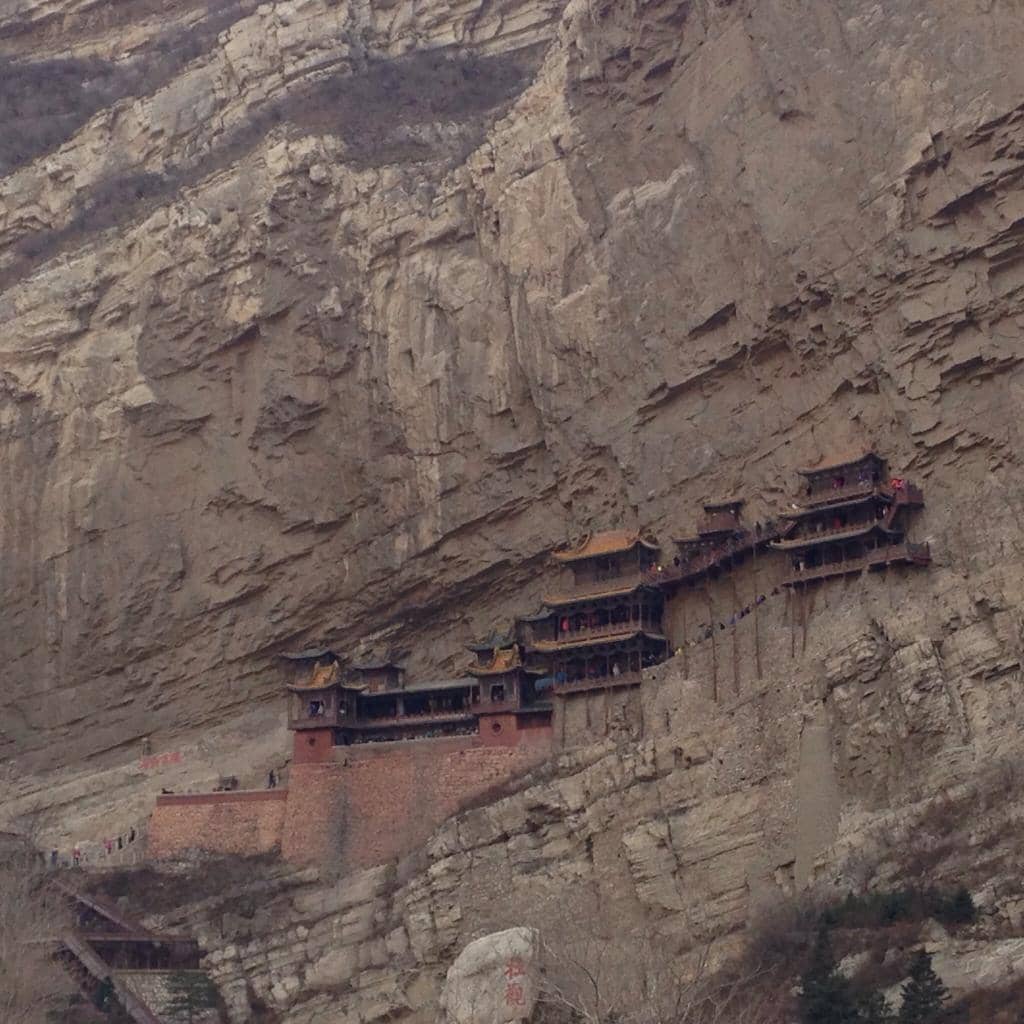
An architectural marvel built over 1,500 years ago, seemingly suspended in mid-air.
Three Religions United
Within the temple halls
A unique spiritual site integrating Confucianism, Buddhism, and Taoism.
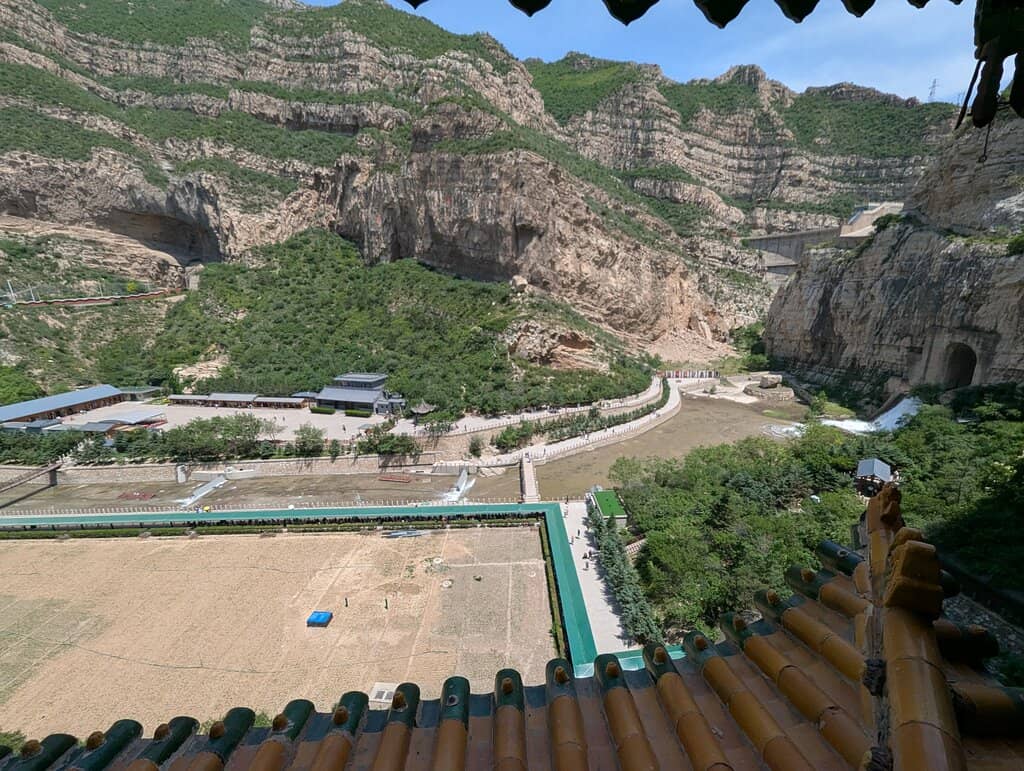
Panoramic Mountain Views
From the temple's vantage points
Experience breathtaking vistas of the surrounding cliffs and valleys.
Plans like a pro.
Thinks like you
Planning Your Visit
Ticket Strategy is Key
Beat the Crowds
Best Times
Insider Tips
from TikTok, Instagram & Reddit
🎯 Buy Tickets at Visitor Center
Foreigners MUST buy tickets at Hengshan Visitor Center. Arrive early to avoid long queues!
⏰ Arrive Before 9 AM
Queues can exceed an hour by 9 AM. Beat the crowds for a better experience.
👟 Wear Comfortable Shoes
You'll be doing a lot of walking and climbing stairs.
📸 Capture the Grandeur
The temple's unique perch offers incredible photo opportunities.

Tips
from all over the internet
🎯 Buy Tickets at Visitor Center
Foreigners MUST buy tickets at Hengshan Visitor Center. Arrive early to avoid long queues!
⏰ Arrive Before 9 AM
Queues can exceed an hour by 9 AM. Beat the crowds for a better experience.
👟 Wear Comfortable Shoes
You'll be doing a lot of walking and climbing stairs.
📸 Capture the Grandeur
The temple's unique perch offers incredible photo opportunities.
⏳ Be Patient
Crowds are common. Enjoy the unique architecture and history.
What Travellers Say
Reviews Summary
The Hanging Temple is an awe-inspiring architectural marvel, praised for its unique construction and historical significance. However, visitors frequently mention extreme crowds and long wait times, which can detract from the experience. Securing tickets at the visitor center early is essential.
"The Hanging Temple, known in Chinese as Xuankong Si (悬空寺), is one of China's most remarkable architectural and historical sites, located near Datong in Shanxi Province.
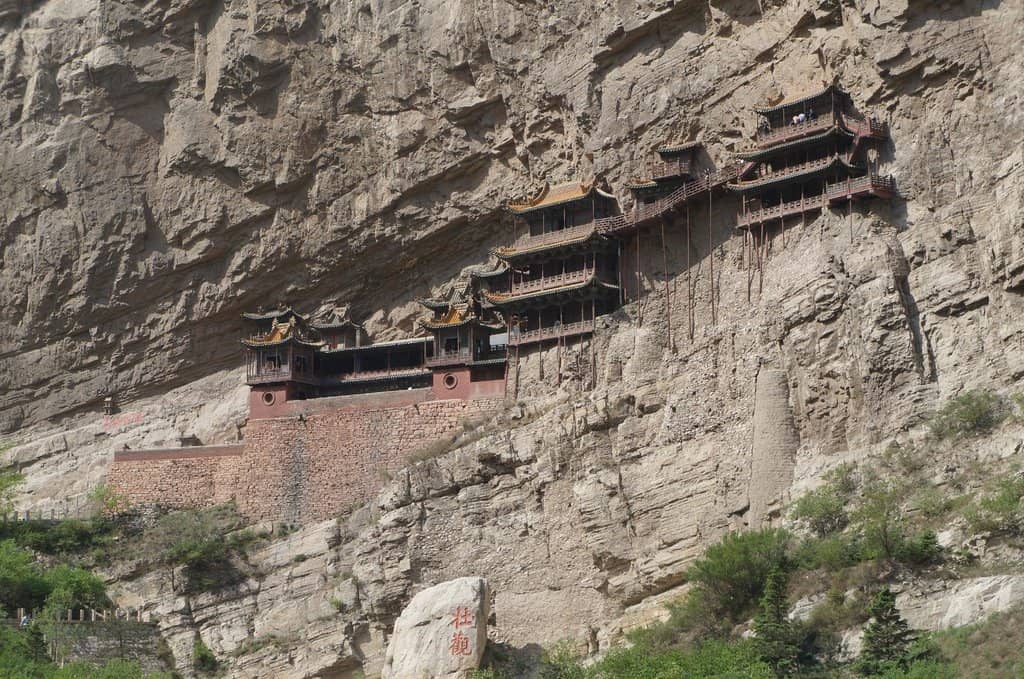
Location: The temple is famously built into a sheer cliff face about 75 meters (246 feet) above the ground in Jinlong Gorge, near Mount Hengshan.
Architecture: It is an engineering marvel that appears to be suspended from the rock. The structure is mainly supported by horizontal oak crossbeams that are fitted deep into holes chiseled into the cliff, with the natural bedrock providing the main internal support. The visible wooden pillars below were reportedly added later for aesthetic reassurance to visitors.
Protection: The temple's unique location—tucked under an overhanging part of the cliff—protects it from rain, snow, and prolonged direct sunlight, which has helped preserve the wooden structure for centuries.
Scale: The complex consists of around 40 halls and pavilions linked by a dizzying maze of narrow walkways, stairs, and suspended bridges.
Founding: The temple was first constructed over 1,500 years ago, near the end of the Northern Wei Dynasty (386–534 AD). Legend attributes its initial construction, around 491 AD, to a single monk named Liao Ran.
Religious Uniqueness (The Three Teachings): This is arguably the most significant aspect of the temple. It is the only surviving ancient Chinese temple where the founders of the three traditional Chinese philosophies and religions are enshrined together:
Buddhism (represented by Śākyamuni Buddha)
Taoism (represented by Laozi)
Confucianism (represented by Confucius)
This harmonious coexistence is symbolized most clearly in the Hall of Three Religions (San Jiao Hall), where the statues of all three figures sit side-by-side.
Purpose: The high, isolated location was originally chosen to provide an ideal, quiet place for meditation, and to protect the structure from floods caused by the river below.
Renovations: The temple has undergone extensive maintenance and reconstruction throughout its history, particularly during the Ming (1368–1644) and Qing (1644–1911) Dynasties, to achieve its current scale and appearance.
Recognition: The Hanging Temple has been recognized globally as an architectural wonder, with Time Magazine listing it as one of the "Top 10 Most Precarious Buildings in the World."
Visited this temple on the side of a mountain many years ago, and still remains one of the most awe inspiring structures I have ever witness or visited and that includes the Pyramids of Giza which I have visited, its an engineering marvel to say the least."
George Fine
"This place is incredible and magnificent. A place not to be missed if you are in Datong. The architecture from thousand years ago is able to withstand the test of natural elements and time. Reach here at 8.30am with no crowds."
C Lim
"Another impressive ancient architecture and engineering by the mountain... it houses many Buddha and Taoism statues 🙏
RECOMMENDED TO VISIT at the end of October... low season, less crowded"
MICHAEL SAW
What People Like
What People Dislike
Frequently Asked Questions
🚇 🗺️ Getting There
The most common way is by taxi, which takes about 2 hours. Alternatively, you can arrange for a private car or join a tour. Some visitors mention using shuttle buses from the Hengshan Visitor Center, which are included with your entrance ticket.
While direct public buses might be limited, many visitors opt for taxis or pre-booked tours from Datong. The shuttle bus from the Hengshan Visitor Center is a key part of the onsite transport.
The Hanging Temple is approximately 64 kilometers (40 miles) north of Datong city, with travel time around 2 hours by car.
The temple is located on the side of a mountain, so walking directly to it from the base is not feasible. You will need to use the provided shuttle bus from the visitor center.
This is the main hub where you purchase tickets and board the shuttle bus to the Hanging Temple. It's essential to start your visit here.
🎫 🎫 Tickets & Entry
Foreign visitors must purchase tickets at the Hengshan Visitor Center. Chinese nationals often need to reserve tickets in advance, and there's a daily visitor quota.
Yes, there is a daily quota, often around 1,000 visitors. This can lead to long queues, especially during peak season.
Ticket prices can vary, but it's crucial to purchase both an entrance ticket and a shuttle bus ticket at the Hengshan Visitor Center. Foreigners may have different pricing or purchasing procedures.
Generally, foreigners cannot buy tickets online in advance unless they book an expensive tour package. It's best to purchase them on-site at the visitor center.
Opening hours can vary seasonally. It's advisable to check the latest information upon arrival at the Hengshan Visitor Center, as they manage entry times.
🎫 🧭 Onsite Experience
Yes, it is a very popular attraction and often extremely crowded, especially during peak hours and holidays. Arriving early is highly recommended.
The visit itself, including the walk through the temple, can take about 1-2 hours, but factor in significant waiting time for entry and the shuttle bus.
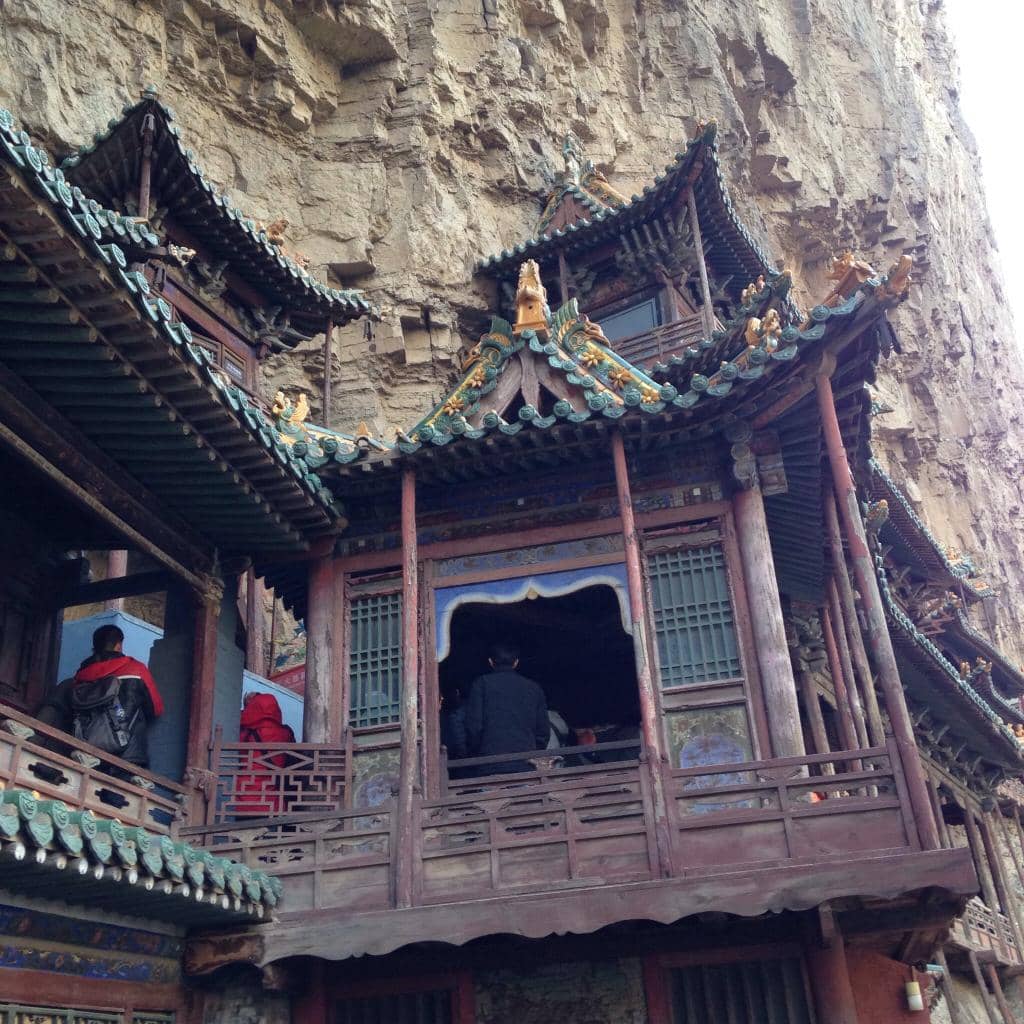
It's a unique experience walking through narrow wooden corridors and small halls built into the cliff face. The views are spectacular, but it can feel cramped due to crowds.
The temple is built high on a cliff, with narrow walkways and steep stairs. Those with a significant fear of heights might find it challenging.
It's an architectural marvel and a rare example of a temple that integrates three major Chinese philosophies: Confucianism, Buddhism, and Taoism.
📸 📸 Photography
The most iconic shots are from across the gorge, showcasing the temple clinging to the cliff. From within, focus on the intricate wooden structures and the dramatic setting.
Photography is generally allowed inside, but be mindful of other visitors and the delicate structure. Avoid using flash in enclosed areas.
Drone usage is typically prohibited at historical and religious sites like the Hanging Temple to ensure safety and preserve the atmosphere.
Early morning light can be beautiful, but the temple is often shrouded in mist or shadow. Mid-day can offer clearer views, though with more crowds.
A wide-angle lens is great for capturing the scale of the temple against the cliffs. A standard zoom is versatile for interior shots.
Social
from TikTok, Instagram & Reddit