Diqing Museum
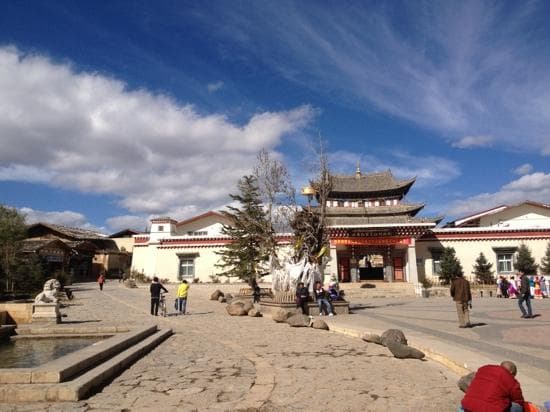
Explore the history of the Long March and local tribal integration at Diqing Museum, housed in a significant Han-style town hall.
Highlights
Must-see attractions

Social
From TikTok & Reddit
Best Time
Fewer crowds, more reflective time
Diqing Museum
Best Time
Fewer crowds, more reflective time
Highlights
Must-see attractions
Explore the history of the Long March and local tribal integration at Diqing Museum, housed in a significant Han-style town hall.
"A very good time learning the history of Long March and understanding how native tribes integrated peacefully."

⏳ Allow at least an hour
Give yourself ample time to explore the exhibits and understand the historical context fully.
🏛️ Free Admission
Enjoy the museum's offerings without an entry fee, but check closing times.
Quick Facts
Rating
4.3 · 6 reviews
Type
Museum
Highlights
Discover the most iconic attractions and experiences
Long March Exhibit
Learn about He Long's Red Army passage and their headquarters establishment during this pivotal historical event.

Tribal Integration History
Understand the peaceful integration of native tribes into modern China through well-displayed exhibits.

Central Town Hall (Han-style)
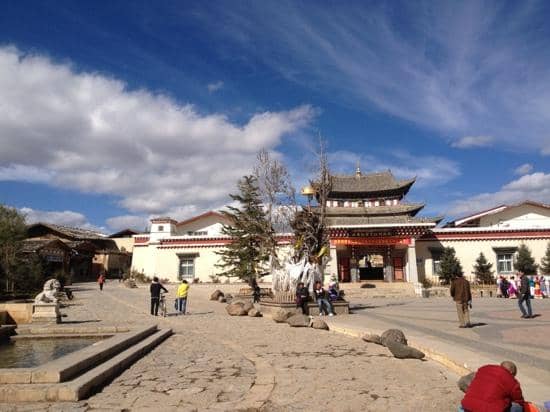
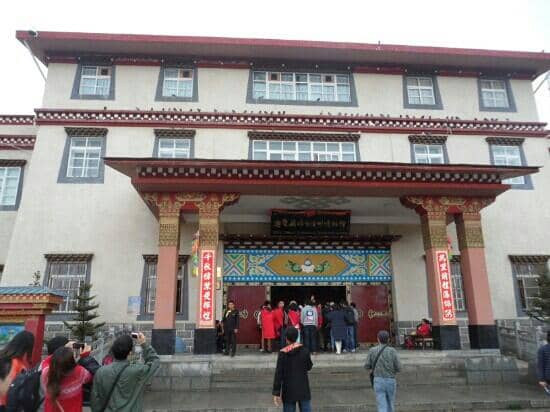
Explore the Han-style architecture of the central town hall, a site of historical significance.
Plans like a pro.
Thinks like you
Planning Your Visit
Allocate Sufficient Time
Understand the Context
Best Times
Insider Tips
from TikTok, Instagram & Reddit
⏳ Allow at least an hour
Give yourself ample time to explore the exhibits and understand the historical context fully.
🏛️ Free Admission
Enjoy the museum's offerings without an entry fee, but check closing times.
🧐 View with historical lens
Appreciate the national education aspect while understanding the CCP narrative presented.
Tips
from all over the internet
⏳ Allow at least an hour
Give yourself ample time to explore the exhibits and understand the historical context fully.
🏛️ Free Admission
Enjoy the museum's offerings without an entry fee, but check closing times.
🧐 View with historical lens
Appreciate the national education aspect while understanding the CCP narrative presented.
What Travellers Say
Reviews Summary
Visitors find Diqing Museum to be a valuable and free resource for learning about the Long March and local tribal integration. While acknowledging the presence of national education and CCP narratives, many appreciate the historical insights and the Han-style architecture of the central town hall.
"Came here during the off season period and had a very good time learning the history of Long March and understanding how the native tribes in the region got integrated rather peacefully into part of today's CCP. You need to dedicate at less an hour to go through the exhibit here to have a solid understanding of the history. There are of course douse of CCP propaganda but it is understandable as part of National Education every place we go in the world."
Riccardo Tan
"Great museum and beautiful"
Ollie
"The central town hall is located inside. This hall is a Han-style building. In 1936, He Long and his colleagues led the Red Army through Zhongdian during the Long March and established their headquarters there."
Wing k
What People Like
What People Dislike
Frequently Asked Questions
🚇 🗺️ Getting There
Diqing Museum is located in the central town hall area. You can typically reach it by local taxi or by walking if you are staying in the main town of Shangri-La (formerly Zhongdian). Public transport options might be limited, so confirm local bus routes if needed.
Yes, it's situated within the central town hall, which is a prominent landmark. Look for Han-style architecture.
Most visitors arrive in Shangri-La via Diqing Shangri-La Airport (DIG) or by bus from nearby cities like Lijiang or Kunming. From the airport, taxis are readily available.
🎫 🎫 Tickets & Entry
No, the museum is free of charge, making it an accessible historical learning experience.
The museum typically closes at 5:00 PM, so plan your visit accordingly to ensure you have enough time to explore.
As admission is free, advance booking is generally not required. However, it's always wise to check for any special event closures.
Yes, the museum is usually open on weekends, but it's advisable to confirm hours, especially during public holidays.
🎫 🧭 Onsite Experience
Visitors recommend dedicating at least an hour to thoroughly go through the exhibits and gain a solid understanding of the history presented.
Key exhibits focus on the history of the Long March, the Red Army's passage through Zhongdian, and the peaceful integration of local native tribes. +1
The historical content, particularly the Long March, might be more engaging for older children and adults. Younger children might find it less interactive.
The central town hall, which houses the museum, features a distinct Han-style building.
Information regarding gift shops or cafes is not widely available, so it's best to assume these amenities may not be present.
📸 📸 Photography
Photography policies can vary. While some exhibits might allow photos, it's always best to look for signage or ask staff to confirm.
The Han-style architecture of the central town hall itself can be quite photogenic. The exhibits offer historical context rather than purely visual appeal for photography.

Social
from TikTok, Instagram & Reddit