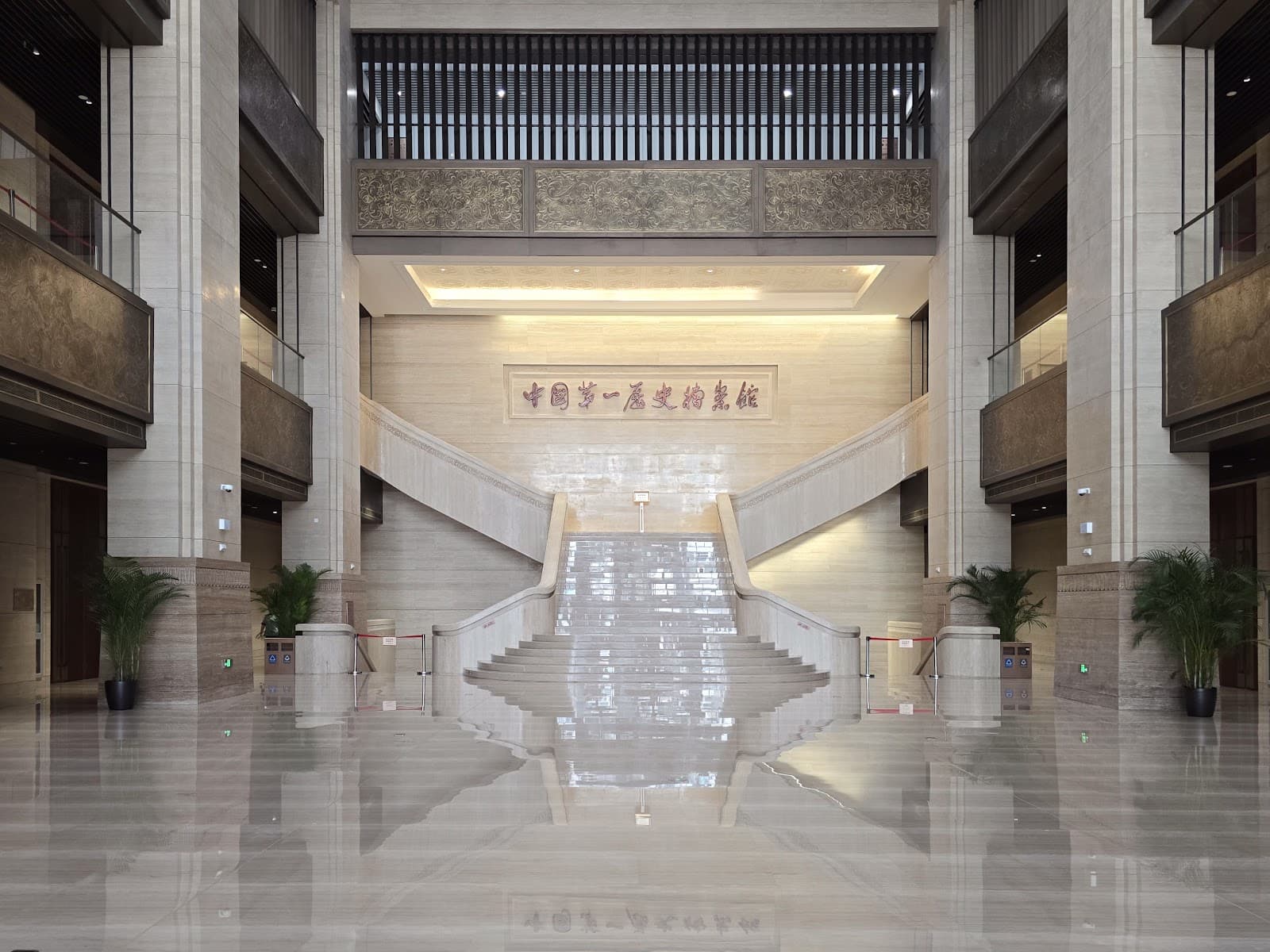
First Historical Archive of China
Uncover millions of Ming & Qing dynasty documents, edicts, and rare maps at China's premier historical archive.
Highlights
Must-see attractions

Social
From TikTok & Reddit
Best Time
Fewer crowds, better focus
First Historical Archive of China
Best Time
Fewer crowds, better focus
Highlights
Must-see attractions
Uncover millions of Ming & Qing dynasty documents, edicts, and rare maps at China's premier historical archive.
"A treasure trove for studying ancient Chinese history, offering a deeper understanding of the past."
🎯 Open on Mondays!
Unlike many museums, this archive is open on Mondays, making it a great option for your itinerary .
📜 Dive into History
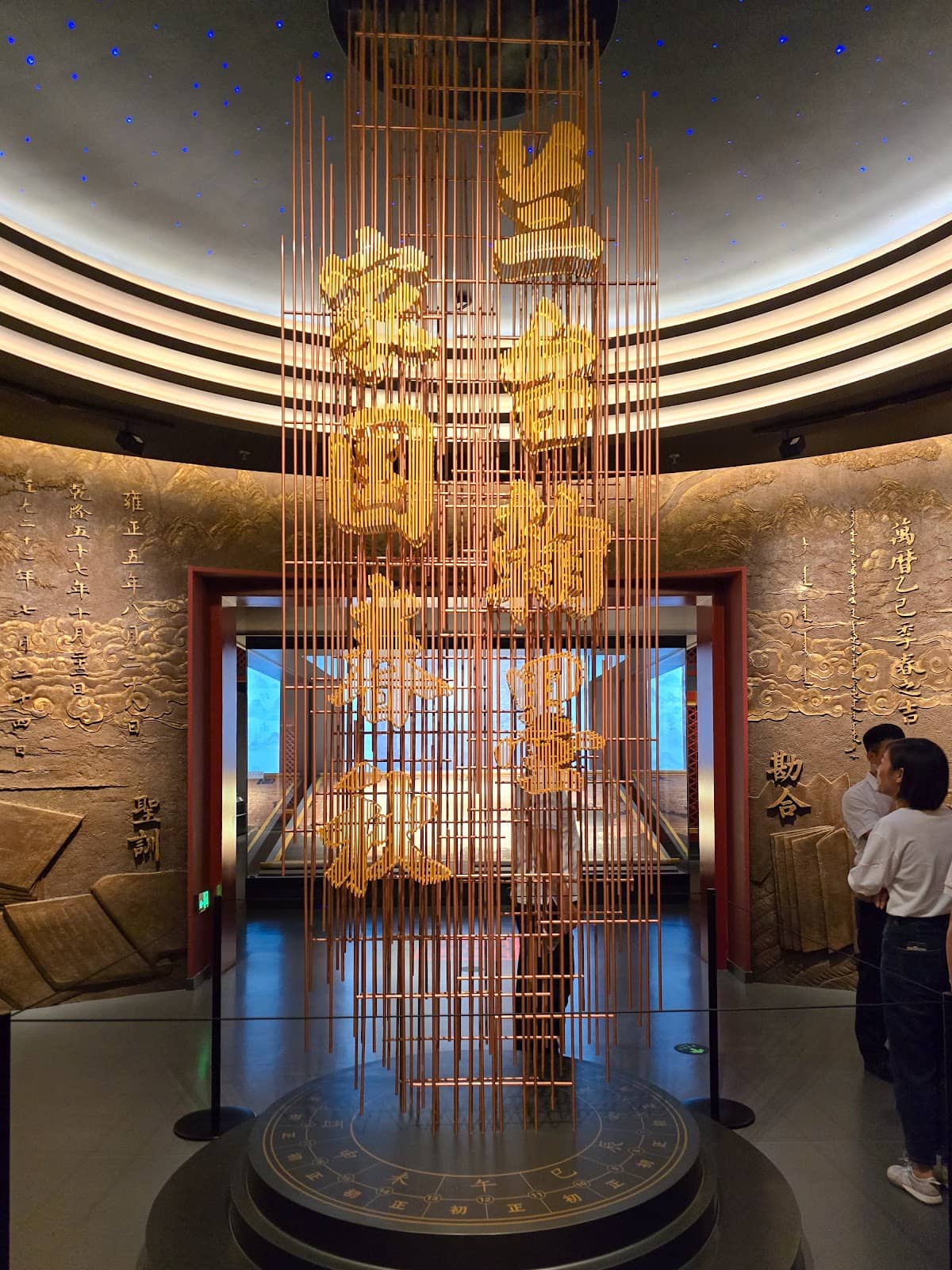
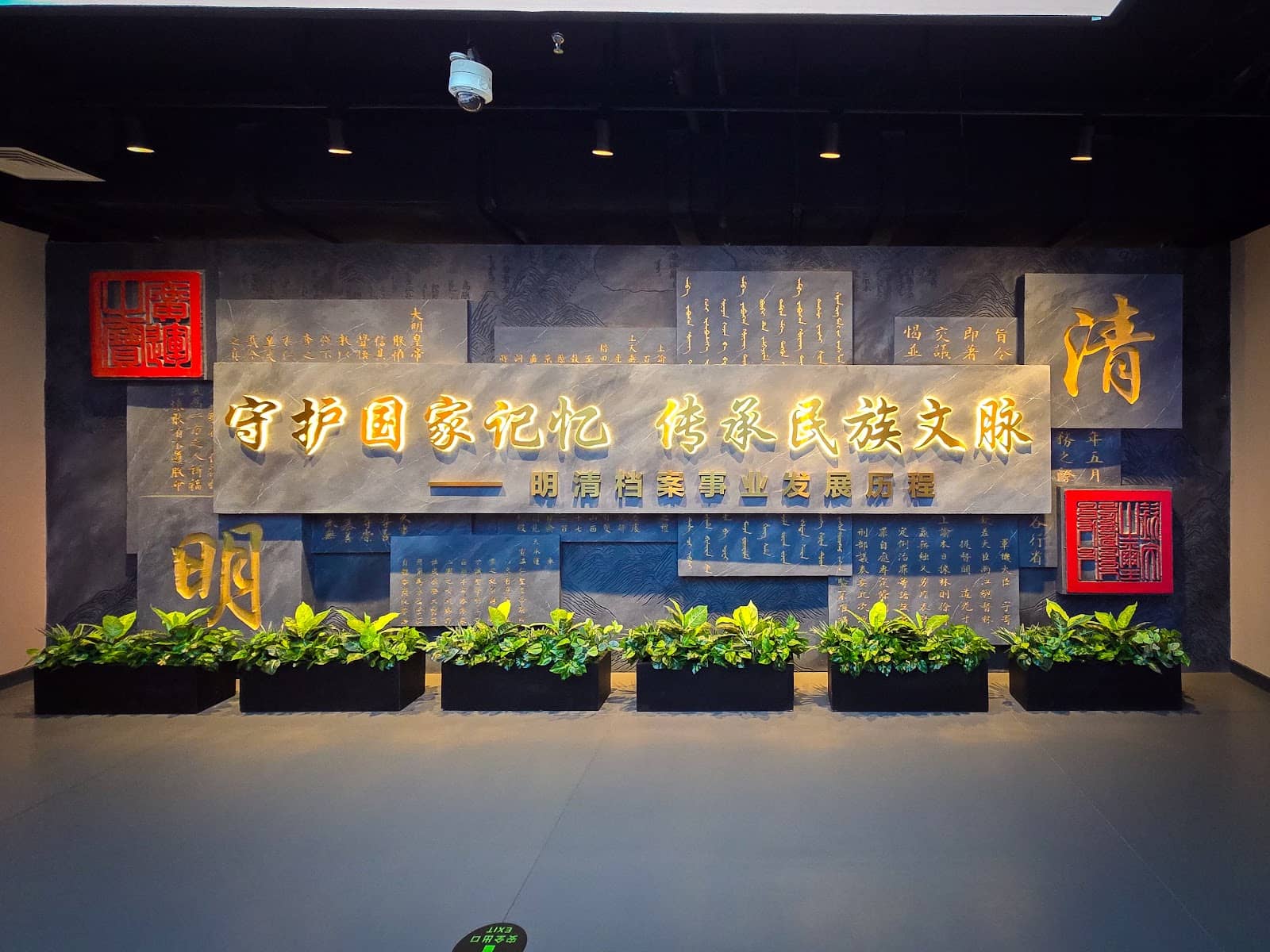
Focus on the Ming and Qing dynasty documents for a deep dive into imperial China's rich past .
Quick Facts
Rating
4 · 2 reviews
Highlights
Discover the most iconic attractions and experiences
Ming & Qing Dynasty Documents
Exhibition Halls
Millions of precious documents, edicts, and rare maps offering a direct window into imperial China's past.
Imperial Edict of Abdication
Exhibition Halls
Witness the historic 1912 edict that marked the end of over 2,000 years of imperial rule in China.
Rare Maps Collection
Exhibition Halls
Explore intricate and historically significant maps that chart the vast territories of ancient Chinese dynasties.
Plans like a pro.
Thinks like you
Planning Your Visit
Unlock Imperial Secrets
Beyond the Exhibits
Best Times
Insider Tips
from TikTok, Instagram & Reddit
🎯 Open on Mondays!
Unlike many museums, this archive is open on Mondays, making it a great option for your itinerary.
📜 Dive into History
Focus on the Ming and Qing dynasty documents for a deep dive into imperial China's rich past.
🗺️ Explore Ancient Maps
Don't miss the collection of rare maps, offering unique geographical insights into historical China.
🤔 Interactive Exhibits?
Be aware that some displays might lack interactivity, so focus on the historical content itself.
Tips
from all over the internet
🎯 Open on Mondays!
Unlike many museums, this archive is open on Mondays, making it a great option for your itinerary.
📜 Dive into History
Focus on the Ming and Qing dynasty documents for a deep dive into imperial China's rich past.
🗺️ Explore Ancient Maps
Don't miss the collection of rare maps, offering unique geographical insights into historical China.
🤔 Interactive Exhibits?
Be aware that some displays might lack interactivity, so focus on the historical content itself.
What Travellers Say
Reviews Summary
A treasure trove for those seeking to delve deep into ancient Chinese history, the First Historical Archive boasts an impressive collection of precious documents. While scholars and history enthusiasts will find immense value, some visitors suggest that the display methods could be enhanced for greater interactivity and educational impact.
"The First Historical Archives of China is a treasure trove for studying ancient Chinese history. It has a rich collection of precious documents from ancient times to modern times. The archives here are extremely valuable for scholars and history enthusiasts, providing an opportunity to gain a deeper understanding of history. However, the display methods and explanations of some exhibits need to be improved to increase the interactivity and education of visitors. Overall, this is a place worth visiting for tourists who want to gain a deeper understanding of Chinese history."
Kenn Hong
""
Lsy Lee
What People Like
What People Dislike
Frequently Asked Questions
🚇 🗺️ Getting There
The First Historical Archive of China is accessible via Beijing's public transportation system. Many visitors opt for the subway, with nearby stations offering convenient access. Taxis and ride-sharing services are also readily available. Check local transit apps for the most up-to-date routes and schedules.
Parking can be challenging in central Beijing. If you are driving, it's advisable to research parking options in advance or consider using public transport to avoid potential difficulties.
The subway is generally the most efficient and cost-effective way to navigate Beijing. Several lines connect to areas near the archive, making it a straightforward journey for most visitors.
🎫 🎫 Tickets & Entry
While advance booking might not always be mandatory, it's a good practice, especially during peak seasons, to secure your entry and avoid potential queues. Check their official website or ticketing platforms for the latest information.
The archive is typically open on weekdays and is notably open on Mondays, which is a plus for planning. However, hours can vary, so it's best to confirm the exact opening and closing times before your visit.
There is usually an admission fee for the exhibitions. It's recommended to check the official website for current pricing and any potential discounts.
Yes, the archive offers services for researchers. You'll likely need to apply in advance and meet specific criteria for accessing the extensive document collections beyond the public exhibitions.
🎫 🧭 Onsite Experience
Expect to see a vast collection of precious documents, imperial edicts, and rare maps from the Ming and Qing dynasties. These artifacts offer a deep dive into Chinese history and culture.+1
While it's a valuable educational resource, the archive's focus on historical documents might be more engaging for older children and adults interested in history. Interactive elements might be limited.
To truly appreciate the collection, allocate at least 2-3 hours. If you're interested in archival research, you'll need significantly more time.
Information on guided tours can vary. It's advisable to inquire at the information desk upon arrival or check the archive's official website for availability and booking details.
Photography policies can differ for exhibition areas and research rooms. Always check for signage and ask staff before taking pictures to ensure you comply with their regulations.
🍽️ 🍽️ Food & Dining
Typically, major historical archives may have limited or no dining facilities within the exhibition areas. It's best to plan for meals before or after your visit at nearby restaurants.
The area surrounding the First Historical Archive in Beijing offers a wide range of dining options, from traditional Chinese cuisine to international fare. Explore local eateries for an authentic culinary experience.
📸 📸 Photography
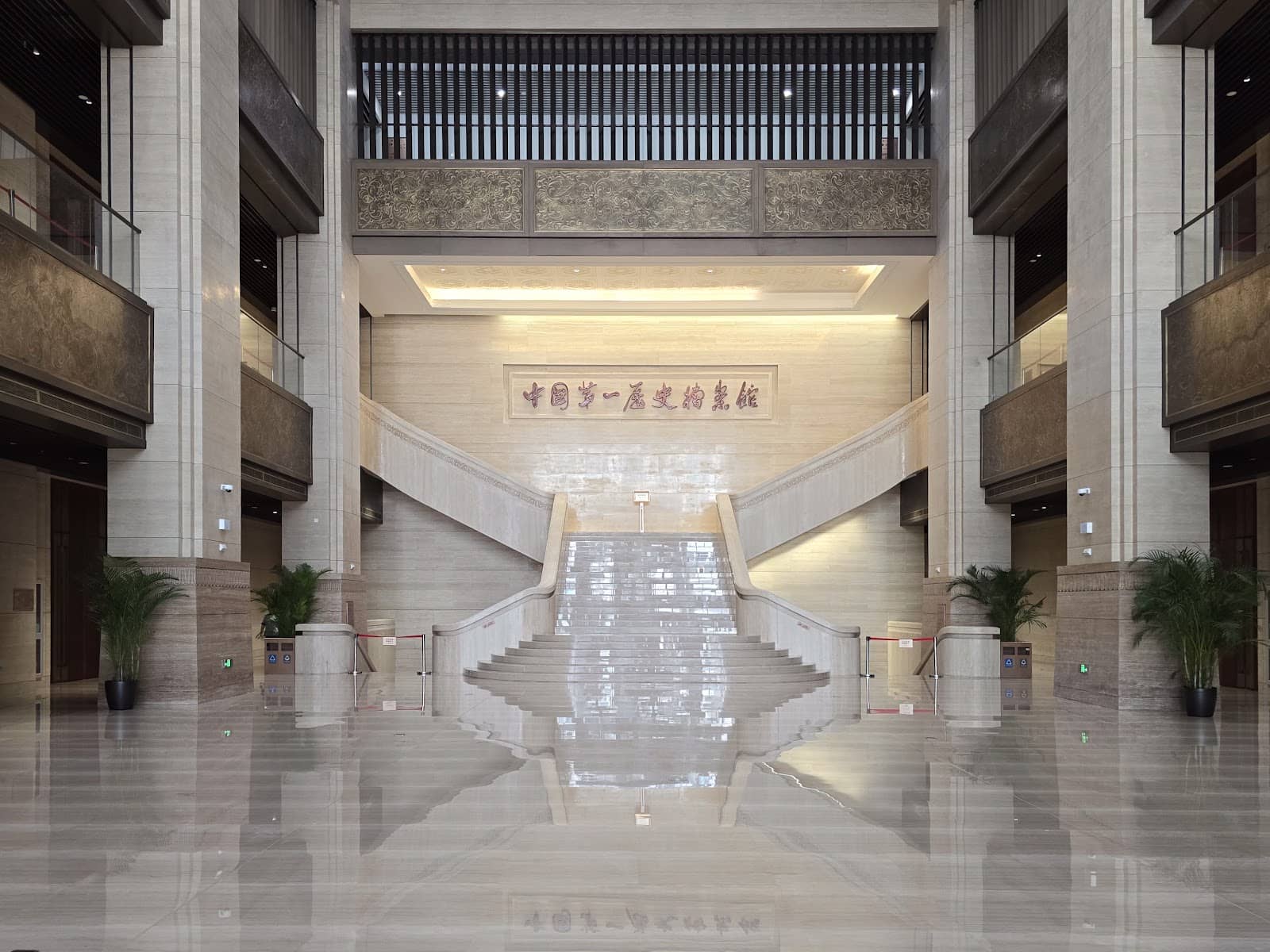
While photography rules can be strict, the architectural details of the building itself and the historical artifacts (where permitted) offer unique visual opportunities. Focus on capturing the grandeur of the historical documents.
Photography of specific artifacts, especially delicate historical documents like imperial edicts, is often restricted to protect them. Always look for signs or ask staff for permission before taking any photos.
Social
from TikTok, Instagram & Reddit