Black Pagoda Wuta
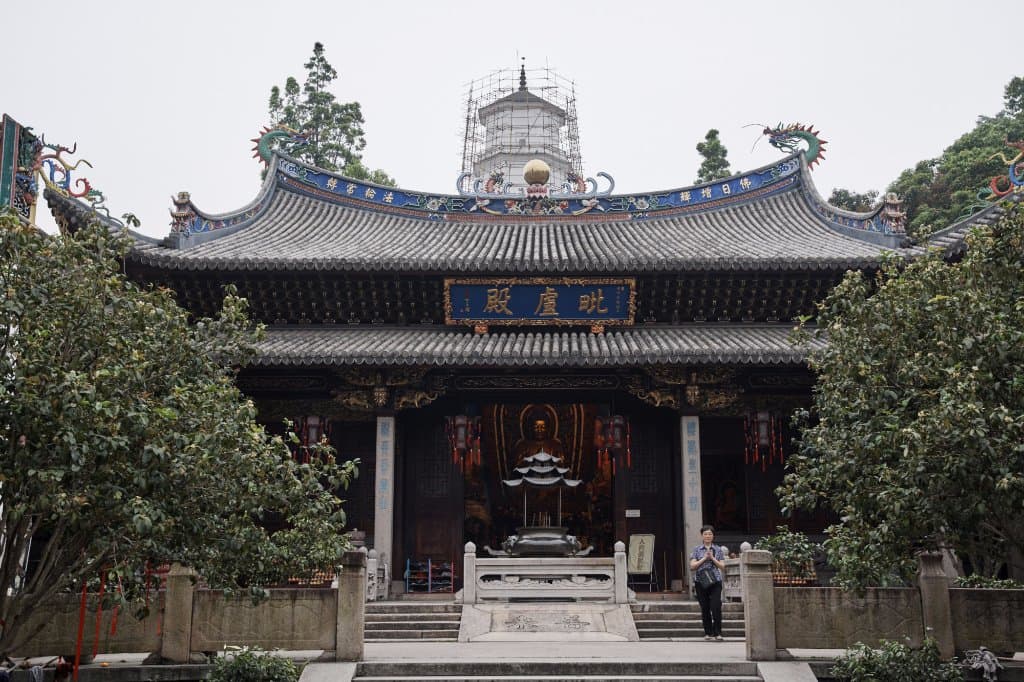
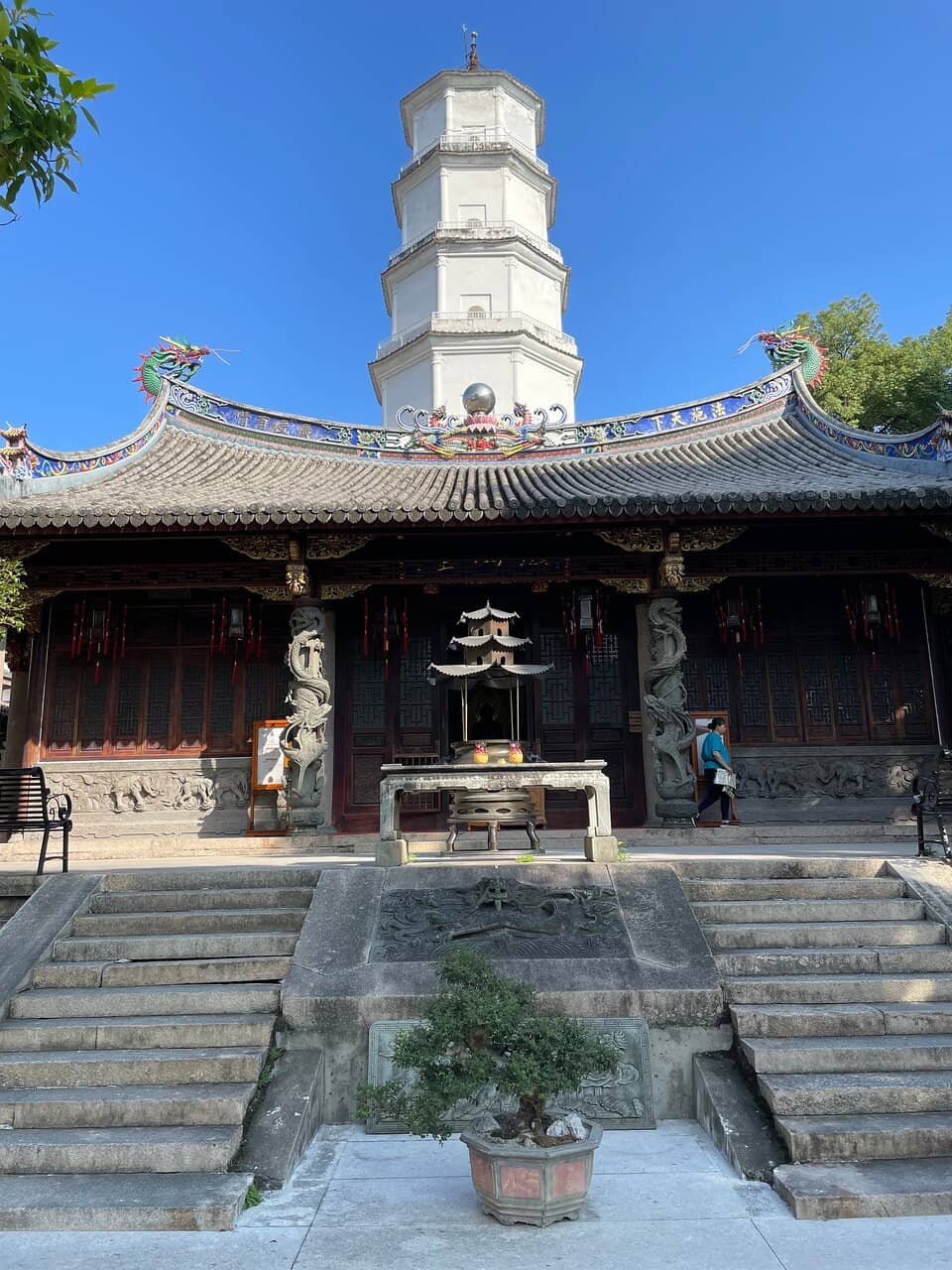
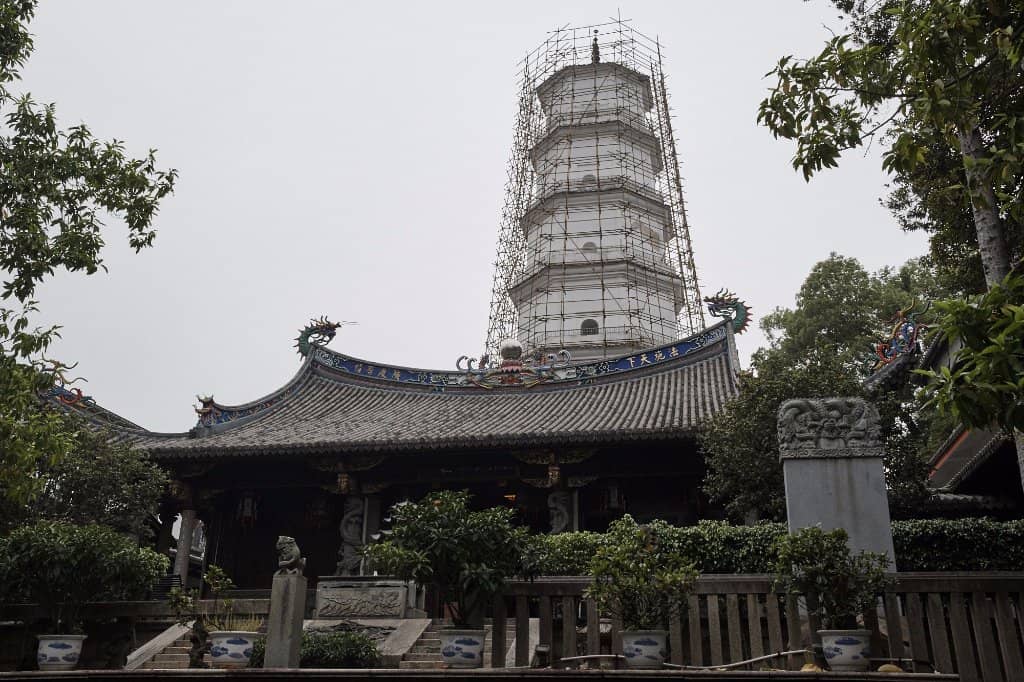
Discover the historic White Pagoda (Dingguang Pagoda), a charming brick tower with a rich past, nestled beside Dingguang Temple.
Highlights
Must-see attractions

Social
From TikTok & Reddit
Best Time
Pleasant light & fewer crowds
Black Pagoda Wuta
Best Time
Pleasant light & fewer crowds
Highlights
Must-see attractions
Discover the historic White Pagoda (Dingguang Pagoda), a charming brick tower with a rich past, nestled beside Dingguang Temple.
"It is quite charming, and Dingguang Temple is also beautiful."
🐍 Be Snake Aware
Signs warn of snakes in the park. Stick to paths and be mindful of your surroundings for a safe visit. 🐍
📸 Capture the Charm
The White Pagoda and temple offer picturesque views. Visit during golden hour for the best light. :camerawithflash:
Quick Facts
Rating
4.2 · 11 reviews
Type
Tourist Attraction
Highlights
Discover the most iconic attractions and experiences
The White Pagoda (Dingguang Pagoda)
Dingguang Temple
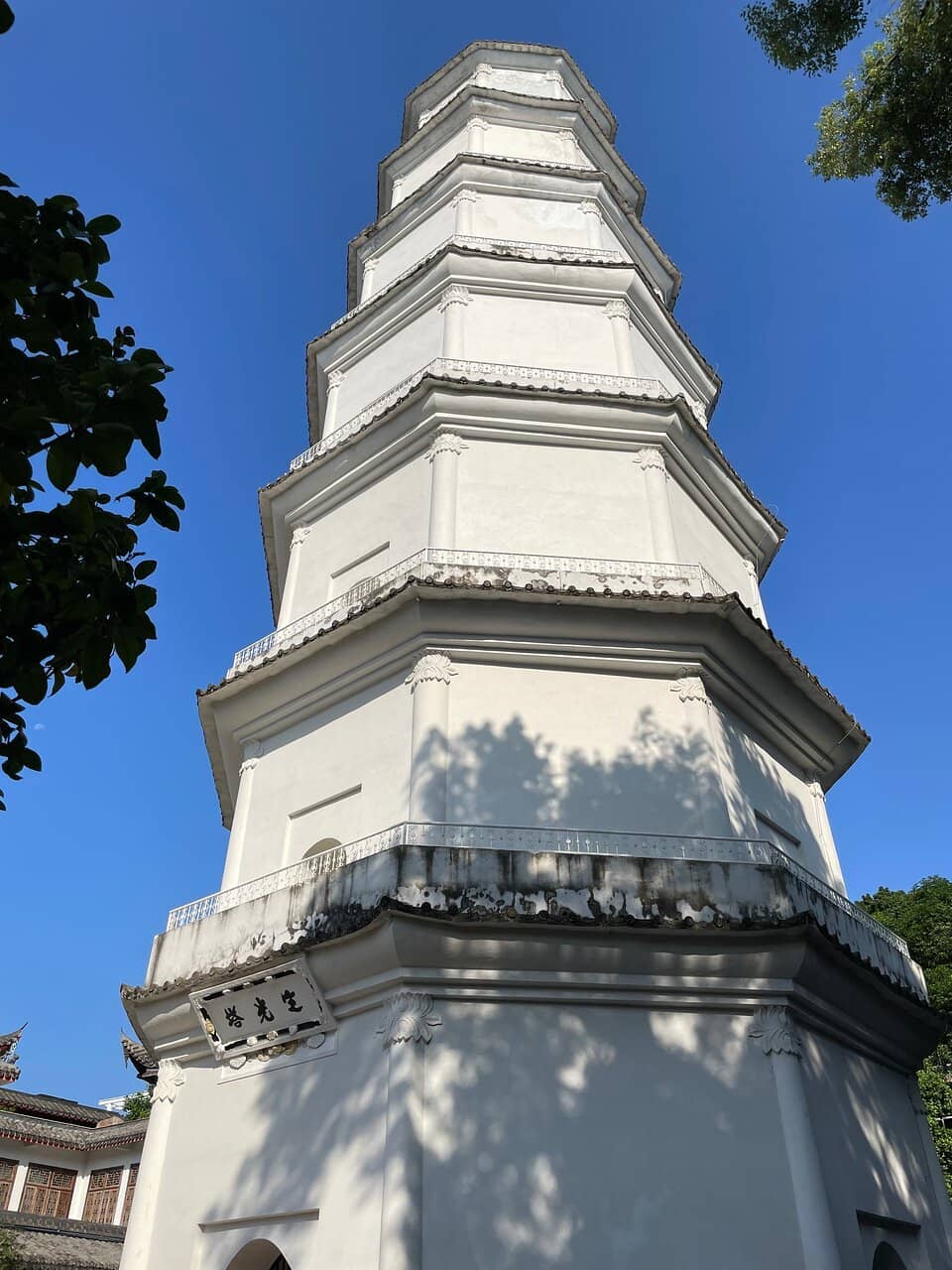
A striking seven-story octagonal brick tower, once coated in white ash, offering historical charm.
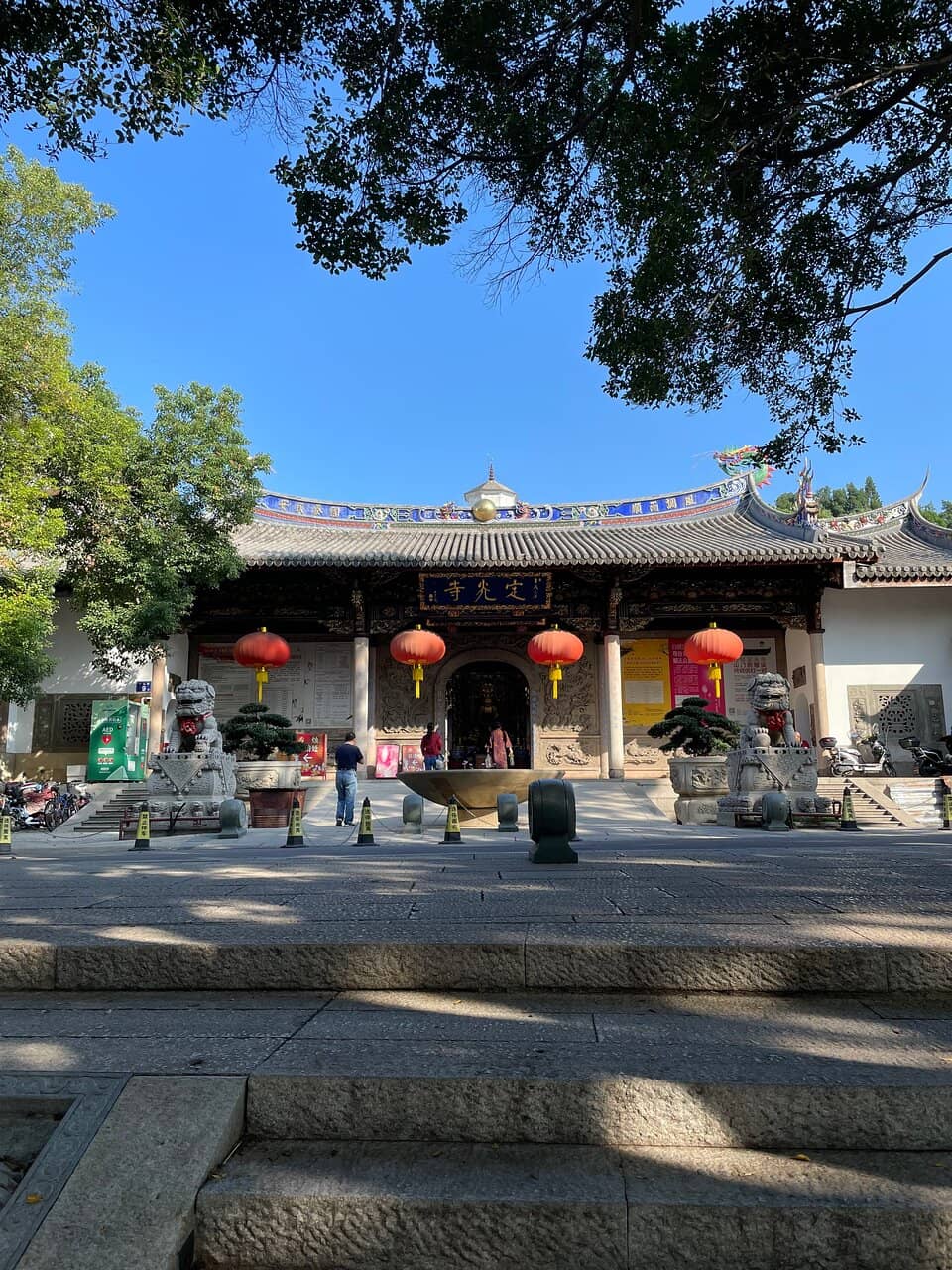
Dingguang Temple
Adjacent to the White Pagoda
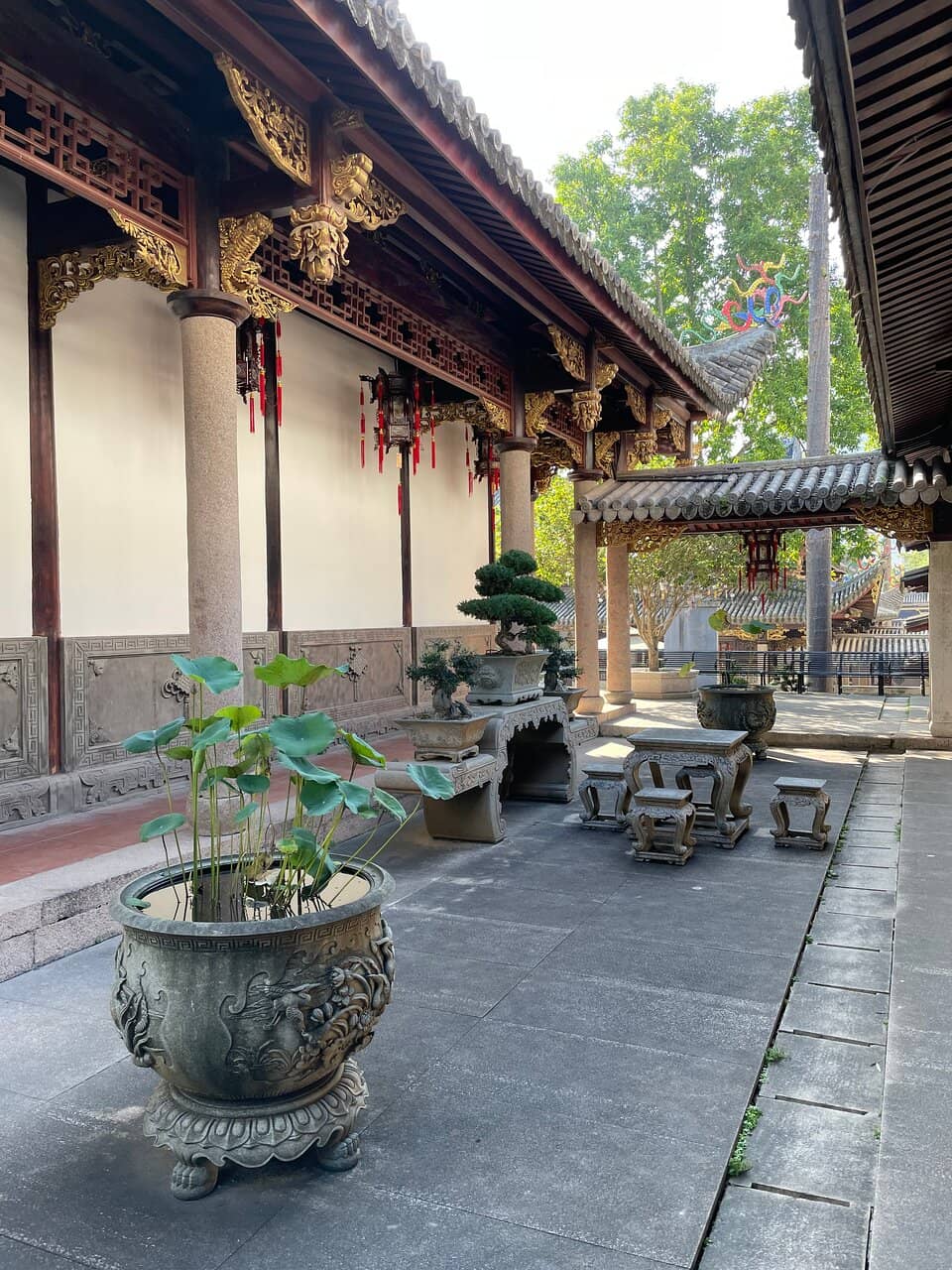
A beautiful temple complex that complements the pagoda, offering a serene spiritual atmosphere.
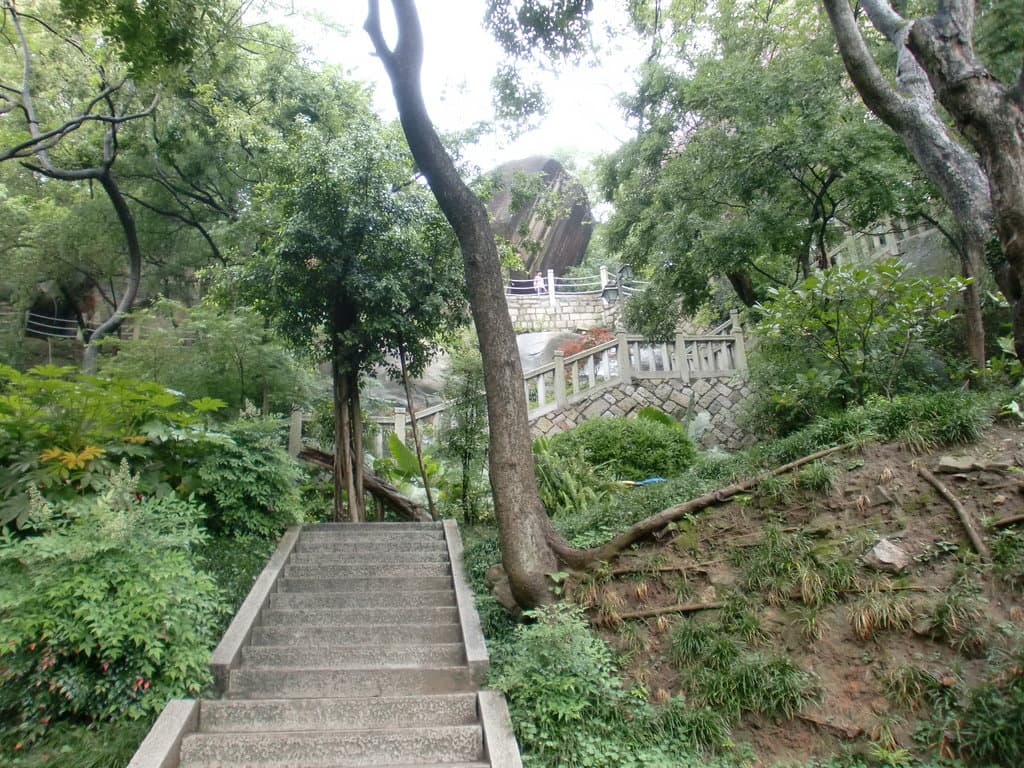
Surrounding Park
Foot of the western slope of the mountain
A pleasant green space perfect for a leisurely walk, though be mindful of wildlife warnings.
Plans like a pro.
Thinks like you
Planning Your Visit
Timing Your Visit
Park Safety
Best Times
Insider Tips
from TikTok, Instagram & Reddit
🐍 Be Snake Aware
Signs warn of snakes in the park. Stick to paths and be mindful of your surroundings for a safe visit. 🐍
📸 Capture the Charm
The White Pagoda and temple offer picturesque views. Visit during golden hour for the best light. :camerawithflash:
🚶♀️ Stroll the Park
The surrounding park is ideal for a relaxing walk. Enjoy the greenery and peaceful atmosphere. :athletic_shoe:
Tips
from all over the internet
🐍 Be Snake Aware
Signs warn of snakes in the park. Stick to paths and be mindful of your surroundings for a safe visit. 🐍
📸 Capture the Charm
The White Pagoda and temple offer picturesque views. Visit during golden hour for the best light. :camerawithflash:
🚶♀️ Stroll the Park
The surrounding park is ideal for a relaxing walk. Enjoy the greenery and peaceful atmosphere. :athletic_shoe:
What Travellers Say
Reviews Summary
Visitors find the White Pagoda and its adjacent Dingguang Temple to be a charming historical site. The surrounding park offers a pleasant atmosphere for a stroll, though a note of caution is advised regarding potential wildlife. It's appreciated for its historical significance and aesthetic appeal.
"The Bao'en Dingguang Duobao Pagoda, also known as the Dingguang Pagoda and the "White Pagoda," is located behind the Wansui Temple at the south gate of Fuzhou City, at the foot of the western slope of the mountain. Originally built in the late Tang Dynasty, the existing structure was rebuilt during the Ming Dynasty. It is a protected cultural relic in Fujian Province. It was built by Wang Shenzhi.
It is quite charming, and Dingguang Temple is also beautiful."
陳介宇(Chieh-Yu Chen)
"Dingguang Pagoda is located in Dingguang Temple, just opposite the Shangri-La Center."
Je ming 振銘
"The surrounding park is a great place for a stroll. However, there are signs warning you to be careful of snakes."
hary ryu
What People Like
What People Dislike
Frequently Asked Questions
🚇 🗺️ Getting There
The White Pagoda (Dingguang Pagoda) is located behind Wansui Temple at the south gate of Fuzhou City, at the foot of the western slope of the mountain. It's opposite the Shangri-La Center. You can reach it by local bus or taxi. Check local transport apps for the most up-to-date routes and schedules.
Information on dedicated parking for Dingguang Pagoda is limited. It's recommended to check for parking options near the Shangri-La Center or Wansui Temple, or consider using public transportation to avoid parking hassles.
🎫 🎫 Tickets & Entry
Entry to the White Pagoda and Dingguang Temple area is generally free, as it's a cultural relic and part of a public park. However, it's always a good idea to check for any potential local regulations or fees before your visit.
As a historical site and park area, Dingguang Pagoda and Dingguang Temple are typically accessible during daylight hours. It's best to visit during the day to fully appreciate the architecture and surroundings.
🎫 🧭 Onsite Experience
The main attraction is the White Pagoda itself, a seven-story octagonal brick tower with historical significance. You can also explore the adjacent Dingguang Temple and the surrounding park for a more complete experience.
The existing structure of the White Pagoda is a seven-story octagonal brick tower, and access to climb inside may be restricted. It's primarily an architectural sight to be admired from the outside.
Basic facilities like restrooms might be available near Dingguang Temple or within the park. It's advisable to carry your own water and snacks, especially if you plan to spend a significant amount of time exploring the area.
📸 📸 Photography
The White Pagoda offers great photo opportunities from various angles. The temple grounds provide a beautiful backdrop, and the surrounding park allows for wider shots capturing the pagoda in its setting. Early morning or late afternoon light is ideal.
Photography is generally allowed in public areas around the White Pagoda and Dingguang Temple. However, always be respectful of any religious practices or designated no-photography zones within the temple itself.

Social
from TikTok, Instagram & Reddit