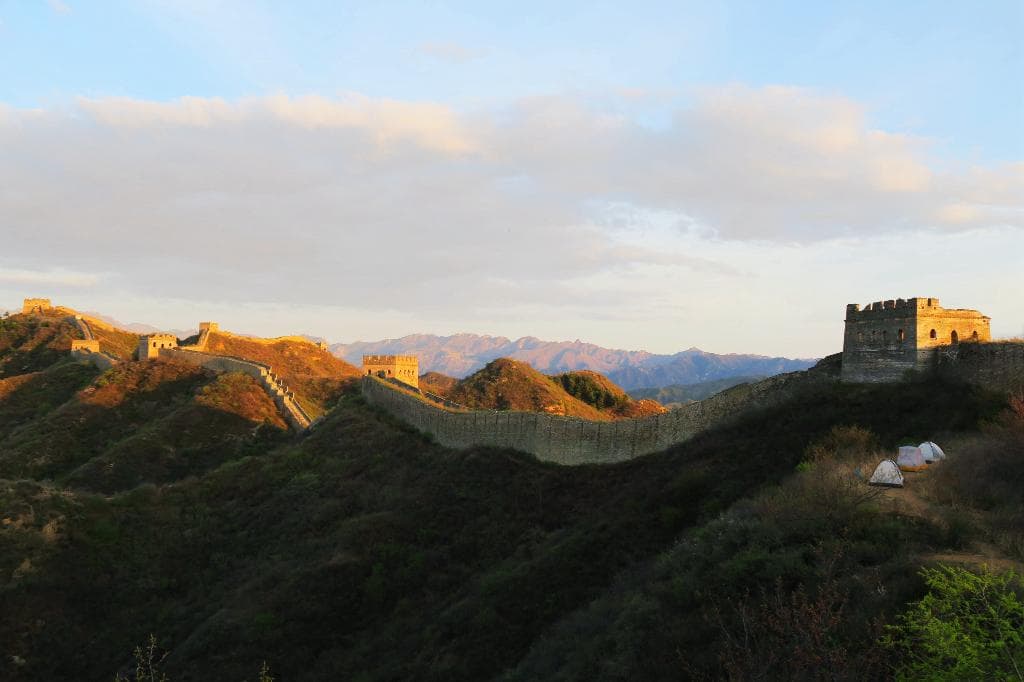
Great Wall at Jiankou Beijing
An untamed, rugged section of the Great Wall offering challenging hikes and breathtaking, wild mountain vistas.
Highlights
Must-see attractions

Social
From TikTok & Reddit
Best Time
Pleasant weather, fewer crowds
Great Wall at Jiankou Beijing
Best Time
Pleasant weather, fewer crowds
Highlights
Must-see attractions
An untamed, rugged section of the Great Wall offering challenging hikes and breathtaking, wild mountain vistas.
"Experience the raw, adventurous side of the Great Wall at Jiankou – a true test for hikers."
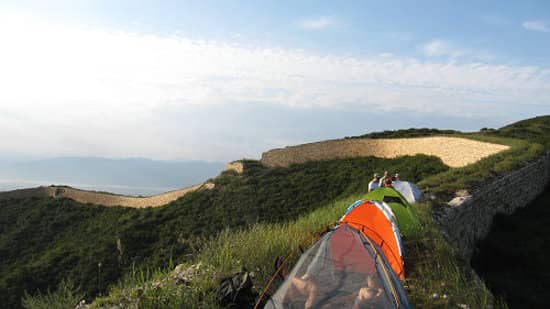
Wear Sturdy Hiking Boots
Essential for the steep, uneven terrain. Good grip is crucial for safety on this wild section. :athletic_shoe:
Pack Plenty of Water
Hydration is key for this strenuous hike. Bring more than you think you'll need, especially in warmer months. :droplet:
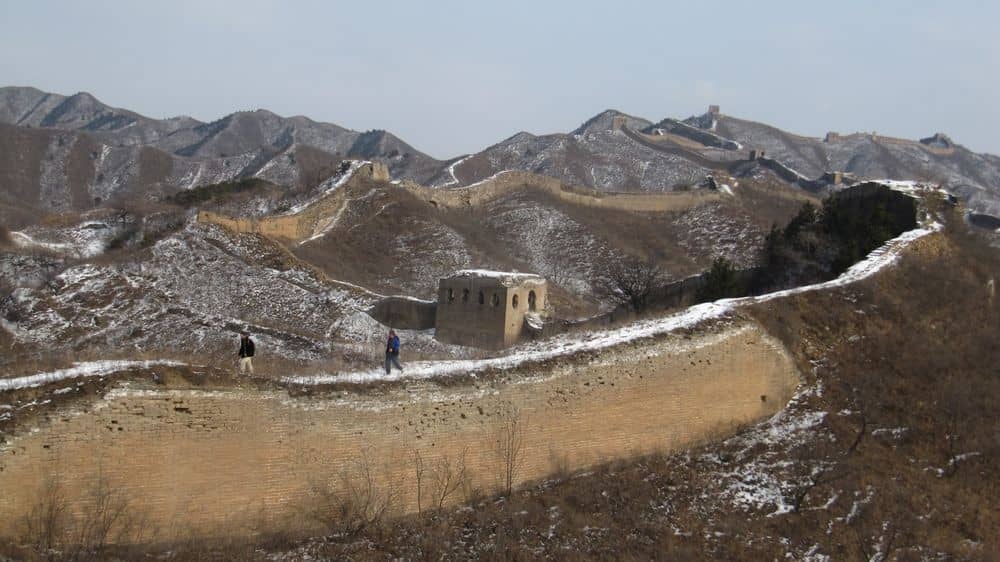
Quick Facts
Rating
4.8 · 93 reviews
Type
Tourist Attraction
Highlights
Discover the most iconic attractions and experiences
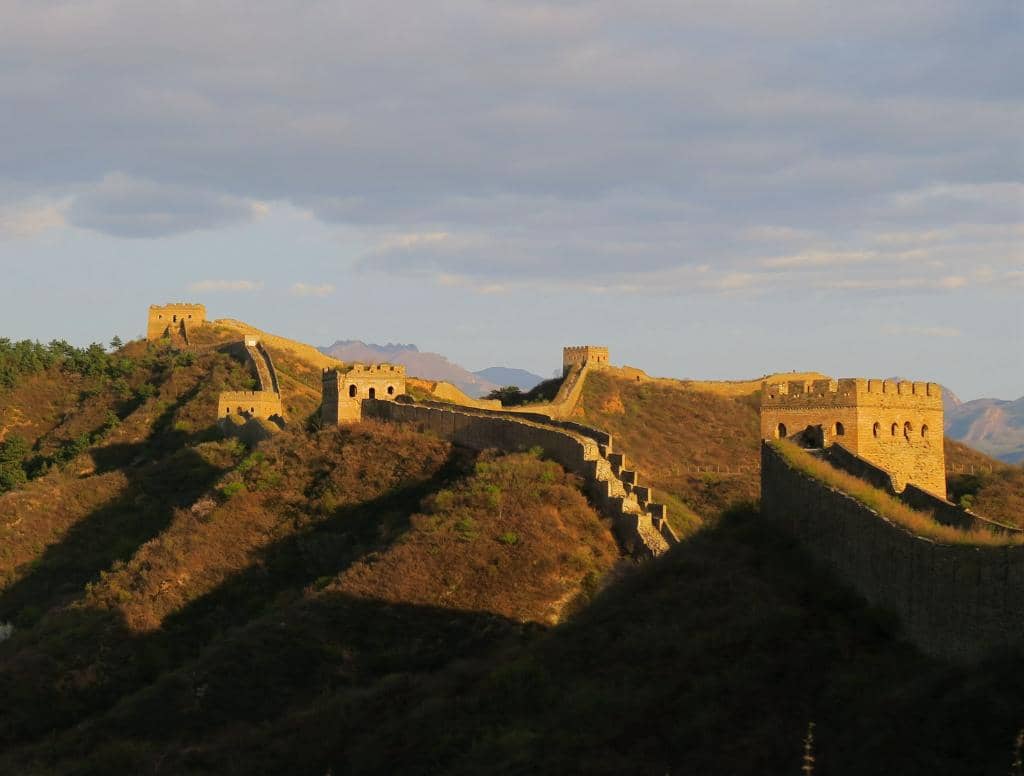
Zhengbeilou Tower
Jiankou
The highest point of Jiankou, offering panoramic views of the wall snaking across rugged mountains.
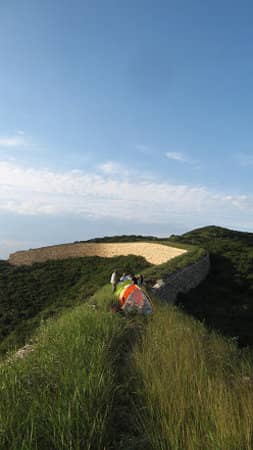
The Steepest Sections
Jiankou
Experience the thrill of climbing near-vertical sections of the wall, a true test for adventurous hikers.
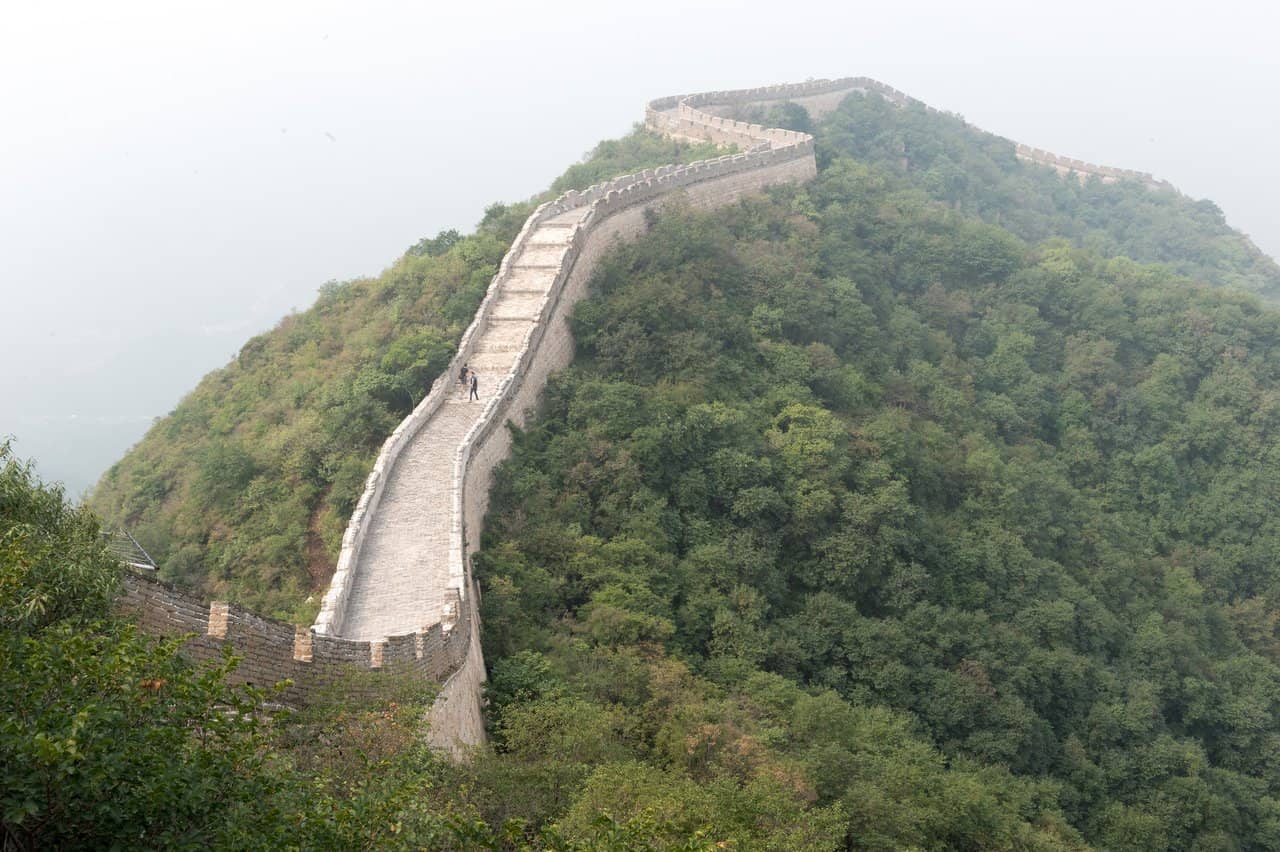
Jiankou to Mutianyu Trek
Jiankou to Mutianyu
A challenging but rewarding multi-hour hike connecting the wild Jiankou section to the restored Mutianyu.
Plans like a pro.
Thinks like you
Planning Your Visit
Embrace the Wild: Jiankou's Rugged Charm
Navigating Jiankou: Safety First
Best Times
Insider Tips
from TikTok, Instagram & Reddit
Wear Sturdy Hiking Boots
Essential for the steep, uneven terrain. Good grip is crucial for safety on this wild section. :athletic_shoe:
Pack Plenty of Water
Hydration is key for this strenuous hike. Bring more than you think you'll need, especially in warmer months. :droplet:
Consider a Local Guide
For safety and navigation, especially on the Jiankou to Mutianyu trek. They know the best routes and potential hazards. :man_detective:
Check Access Status
Sections of Jiankou can be closed for reconstruction or safety. Verify current conditions before your visit. 💁
Tips
from all over the internet
Wear Sturdy Hiking Boots
Essential for the steep, uneven terrain. Good grip is crucial for safety on this wild section. :athletic_shoe:
Pack Plenty of Water
Hydration is key for this strenuous hike. Bring more than you think you'll need, especially in warmer months. :droplet:
Consider a Local Guide
For safety and navigation, especially on the Jiankou to Mutianyu trek. They know the best routes and potential hazards. :man_detective:
Check Access Status
Sections of Jiankou can be closed for reconstruction or safety. Verify current conditions before your visit. 💁
Go Early to Avoid Crowds
Arriving early maximizes your chances of a quieter experience and better light for photos. 🌅
What Travellers Say
Reviews Summary
Jiankou is lauded for its stunning, wild beauty and challenging, authentic hiking experience, offering a stark contrast to restored sections. However, visitors should be aware of the significant safety risks, potential access issues, and the need for thorough preparation.
"Couldn’t go up to the wall due to heavy rain in the las couple of weeks. Always admire the beauty of this part of the wall. Hope the future restoration will keep the original sites!"
Ricky Lai
"Jiankou is an unrestored section of the Great Wall, it is rugged, wild, and runs across steep mountains, parts of it are crumbling or overgrown with shrubs but it is a beautiful hike. Owing to its remoteness and climbing difficulty, the Jiankou section is deserted with only a few local hikers or a handful of foreign tourists. After a 2hr hike along the wall you will reach the more popular, fully restored, and more touristy Mutianyu section. Due to the poor condition of the wall and to preserve this cultural relic, tourists are not allowed to climb from Jiankou without getting permission from the government. Suggest to book a tour with a guide."
Jem Jex
"Compared to the touristic great walls, Jiankou is one of the "wild" great walls, and it is the most steep one.
Scrambling skills are needed for some parts, and definitely should avoid during rainy and thundering time (slippery and risk of thunder).
There are many sections of this wall, we did the section from Jiankou to General's Post (将军守关). From the hotel and return it took us 6 hours (including a lot of breaks to take photos).
The best is just to ask the locals about the routes and the difficulty."
L S
What People Like
What People Dislike
Frequently Asked Questions
🚇 🗺️ Getting There
Getting to Jiankou from Beijing typically involves a combination of public transport and private car or taxi. Many travelers opt for a Didi (ride-hailing app) to get close to the starting points like Xizhazi village. Some also take a bus from Dongzhimen Station towards Mutianyu and then arrange local transport. The journey can take 2-3 hours. +1
The classic hike from Jiankou to Mutianyu has faced intermittent closures due to reconstruction and safety concerns. While some parts may still be accessible, it's crucial to check the latest updates and consider local advice. Access points like Xizhazi village have sometimes been restricted. +1
Popular starting points include Nanjili village or Xizhazi village. From Nanjili, you can head towards Zhengbeilou Tower. Xizhazi is often used for accessing the wall, but access can be restricted. +1
While taxis can get you close to the general area, direct access to the wall itself might be limited. It's advisable to use ride-hailing apps like Didi and be prepared for a short hike or local arrangement to reach the wall's base.
Unlike the more developed Mutianyu section, Jiankou does not typically have dedicated shuttle buses. You'll likely need to arrange private transport or local transport to get near the trailheads.
🎫 🎫 Tickets & Entry
Jiankou is an unrestored section, so it's generally considered free to access. However, access points might be monitored, and fines have been reported for unauthorized entry or hiking certain sections. +1
As an unrestored section, Jiankou doesn't have official opening hours. However, it's best to visit during daylight hours for safety and visibility. Early mornings are recommended to avoid crowds.
No, advance ticket booking is not applicable for Jiankou as it's an unrestored section without official ticketing. For Mutianyu, pre-booking is recommended.
While the wall itself is generally free, local authorities may charge access fees at certain entry points or villages leading to the wall. Be prepared for potential charges or restrictions.
There have been reports of fines for unauthorized access or hiking certain restricted sections of Jiankou. It's advisable to be aware of local regulations and potential penalties.
🎫 🏞️ Onsite Experience
Jiankou is considered a difficult and challenging hike. It features steep ascents, descents, and uneven terrain, with some sections requiring the use of hands and feet. It's recommended for experienced hikers.

Sturdy hiking boots with good grip are essential. Wear comfortable, layered clothing suitable for the weather, and bring sun protection. Trekking poles can be helpful for stability.
While many solo hikers have completed the Jiankou trek, it carries inherent risks due to its wild nature and challenging terrain. There have been reports of accidents. Traveling with a guide or in a group is safer. +1
The Zhengbeilou Tower offers incredible panoramic views. The 'Sky Stair' and other steep sections provide dramatic photo opportunities. The winding nature of the wall across the mountains is photogenic throughout.
The time required varies greatly depending on your fitness level and the specific route. A partial hike might take a few hours, while the Jiankou to Mutianyu trek can take 5-8 hours or more.
🍽️ 🍎 Food & Dining
Jiankou is an unrestored section, so there are no restaurants or food stalls directly on the wall. You'll need to bring all your own food and drinks for the hike.
Pack high-energy snacks like nuts, dried fruit, energy bars, and sandwiches. Ensure you have plenty of water. Consider bringing a packed lunch to enjoy with the views.
Limited options might be available in nearby villages like Xizhazi or Nanjili, but they are basic. It's best to eat before you go or pack everything you need for the day.
Yes, a picnic is a great idea! Find a scenic spot along the wall to enjoy your packed meal. Remember to pack out all your trash to keep the area clean. :picnic_sun:
While not directly at Jiankou, if you're heading to Mutianyu, there are more dining options. For authentic Beijing cuisine, explore restaurants in the city center.
📸 📸 Photography
Early morning or late afternoon offers the best light for dramatic landscape shots. Sunrise and sunset can be spectacular, but ensure you have adequate lighting for safe descent.
A wide-angle lens is great for capturing the vastness of the wall and mountains. A telephoto lens can be useful for details. A sturdy tripod is recommended for low-light conditions. :camerawithflash:
Drone usage is generally restricted in and around historical sites and national parks in China. It's best to assume drones are not permitted to avoid issues. :noentrysign:
Use leading lines to emphasize the incline. Get low to the ground to exaggerate the verticality. Include a person in the frame for scale and to show the challenging climb.
The Zhengbeilou Tower, the 'Sky Stair,' and any section where the wall dramatically follows the ridgeline are highly photogenic. The contrast between the ancient wall and the wild landscape is key.
You may also like

Huaibei Ski Resort Beijing

Yanqi Lake Beijing

Beijing Police Museum Beijing

Big Air Shougang Beijing

Beijing Olympic Tower Beijing

Great Wall Mutianyu
Huaibei Ski Resort Beijing
Yanqi Lake Beijing
Beijing Police Museum Beijing
Big Air Shougang Beijing
Beijing Olympic Tower Beijing
Great Wall Mutianyu

Summer Palace

Gubeikou Great Wall Beijing

Working People's Cultural Palace (Imperial Ancestral Temple) Beijing

Huanghuacheng Lakeside Great Wall Beijing

Galaxy SOHO Beijing

Social
from TikTok, Instagram & Reddit