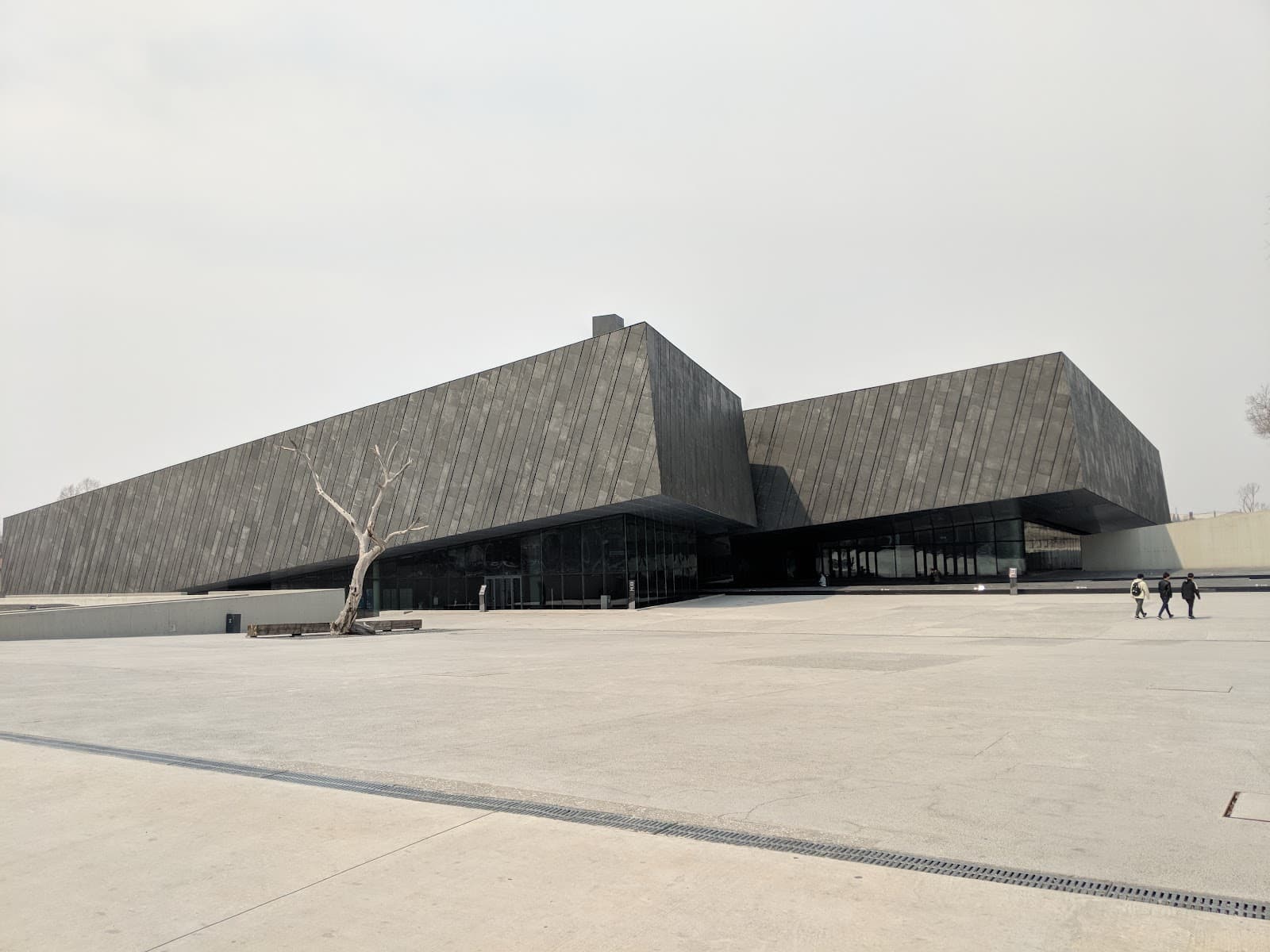
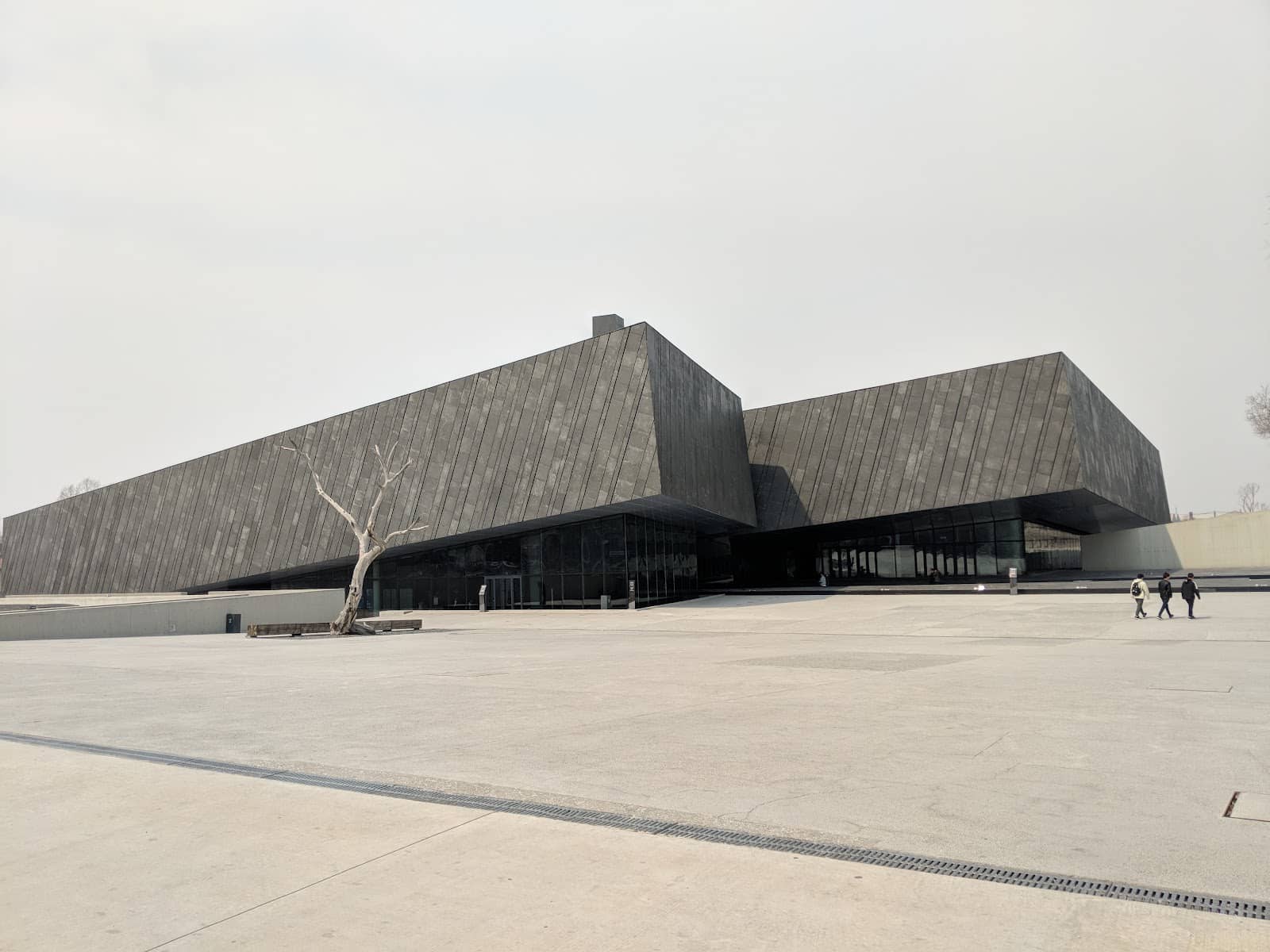
Unit 731 Museum
A chilling museum detailing the horrific human experiments and biological warfare conducted by Japan's Unit 731 during WWII.
Highlights
Must-see attractions

Social
From TikTok & Reddit
Best Time
Fewer crowds, more reflection time.
Unit 731 Museum
Best Time
Fewer crowds, more reflection time.
Highlights
Must-see attractions
A chilling museum detailing the horrific human experiments and biological warfare conducted by Japan's Unit 731 during WWII. +1
"One of the best museums I have ever visited and the most terrifying. "
Mentally Prepare Yourself
This museum is intensely disturbing. Be ready for graphic content and a somber mood.
Allow Ample Time
Give yourself at least 2-3 hours to absorb the exhibits and reflect.

Quick Facts
Rating
4.5 · 18 reviews
Type
Point of interest
Highlights
Discover the most iconic attractions and experiences
Unit 731 Exhibits
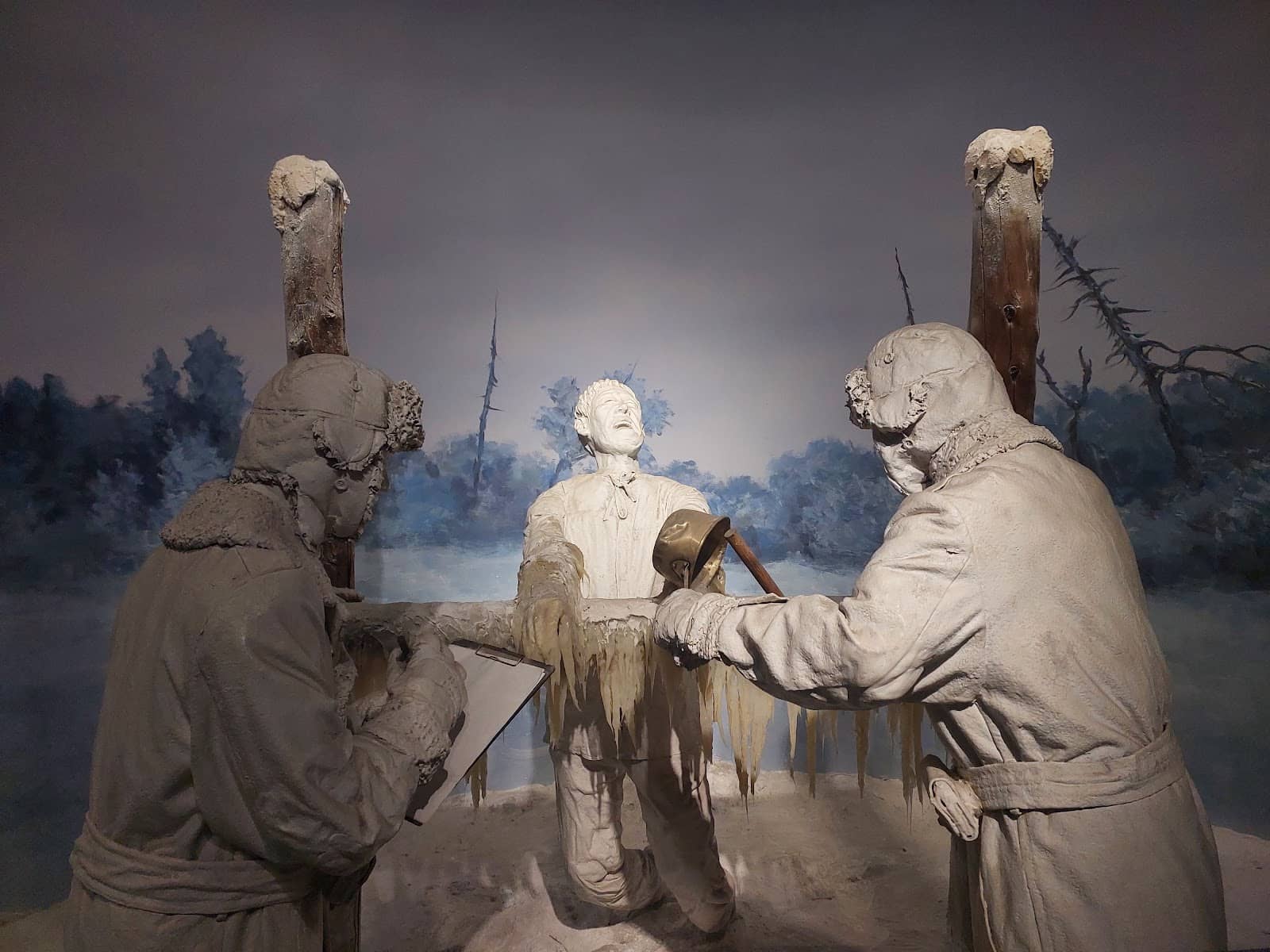
Graphic displays and artifacts detailing the horrific human experiments conducted by Unit 731.

Biological Warfare Research
Information on Japan's biological warfare programs and their devastating impact.
Victim Testimonies
Accounts and evidence of the suffering endured by prisoners of Unit 731.
Plans like a pro.
Thinks like you
Planning Your Visit
Prepare for a Sobering Experience
Location and Accessibility
Best Times
Insider Tips
from TikTok, Instagram & Reddit
Mentally Prepare Yourself
This museum is intensely disturbing. Be ready for graphic content and a somber mood. +1
Allow Ample Time
Give yourself at least 2-3 hours to absorb the exhibits and reflect.
Consider Transportation
It's a bit out of the way; plan your taxi or public transport in advance.
Perspective Matters
The museum presents China's perspective on Unit 731's crimes.
Tips
from all over the internet
Mentally Prepare Yourself
This museum is intensely disturbing. Be ready for graphic content and a somber mood. +1
Allow Ample Time
Give yourself at least 2-3 hours to absorb the exhibits and reflect.
Consider Transportation
It's a bit out of the way; plan your taxi or public transport in advance.
Perspective Matters
The museum presents China's perspective on Unit 731's crimes.
What Travellers Say
Reviews Summary
Visitors consistently describe the Unit 731 Museum as a deeply disturbing, terrifying, and somber experience, yet also highly informative and essential for understanding historical truth. While the graphic nature is challenging, many find it a crucial site for remembrance and education about war crimes.
"One of the best museums I’ve been to and well worth a visit if you enjoy knowing historical truth.. Still wondering how the autopsy reports of the victims were written in such a true-to-the-profession untranslated-sounding 1940-50’s vernacular unless the Americans had access to the data and histopathological slides at that time. There’s a connection here to the American Armed Forces Institute of Pathology no doubt. They produced ‘amazing work’ on these conditions that led the industry for years…🤫"
Noelyn (Anne)
"worth a visit though it's a bit far away from the usual tourist site...good historical info on the unit 731 and Japan biological warfare units in ww2"
Chew Ee
"A deeply informative establishment that truly warrants a visit if you find yourself in Harbin. Having had the opportunity to visit twice over a span of 15 years, I can attest to the museum's commitment to upkeep and improvement. The exhibits are meticulously maintained, and it's evident that efforts have been made to enhance the visitor experience over time. It's a sobering yet essential journey into history, shedding light on a dark chapter that should not be forgotten. Highly recommended for those seeking to gain a deeper understanding of this significant aspect of World War II history."
Z T
What People Like
What People Dislike
Frequently Asked Questions
🚇 🗺️ Getting There
The Unit 731 Museum is located in Harbin, China. Visitors often take a taxi or use local public transportation to reach the site, as it can be a bit removed from the city's main tourist areas. Planning your route in advance is recommended.
While accessible by public transport, it might require transfers. Taxis are a more direct option for many visitors. Check local transit apps for the most up-to-date routes.
From downtown Harbin, taking a taxi is generally the most convenient and quickest way to reach the Unit 731 Museum. This avoids potential complexities with public transport transfers.
The museum is a significant historical site in its own right. It's best to rely on GPS or taxi services for direct navigation rather than looking for distant landmarks.
Travel time can vary depending on traffic and your starting point in Harbin, but generally expect it to take anywhere from 30 minutes to over an hour by car.
🎫 🎫 Tickets & Entry
While advance booking might not always be strictly necessary, it's wise to check the museum's official website or local ticketing platforms, especially during peak seasons.
Opening hours can vary, so it's essential to verify them before your visit. Typically, museums operate during daytime hours, but confirm specific times to avoid disappointment.
Admission fees can apply, though some historical museums offer free entry or nominal charges. It's best to check the latest information on their official channels.
Yes, the museum is generally open on weekends, but expect larger crowds.
Due to the graphic nature of the exhibits, it's advisable to consider the maturity of younger visitors. While there may not be strict age restrictions, parental discretion is strongly recommended. +1
🎫 🤔 Onsite Experience
The museum displays artifacts, documents, and exhibits detailing the horrific human experiments conducted by Unit 731, including biological and chemical warfare research. It's a deeply disturbing but informative experience.
The content is extremely graphic and disturbing, detailing war crimes and human experimentation. It is not recommended for children or individuals sensitive to such material. +1
Most visitors spend at least 2-3 hours exploring the museum to fully comprehend the exhibits and their historical significance.
Information on guided tours may vary. It's best to inquire at the museum upon arrival or check their official website for availability and languages offered.
Photography policies can differ. Often, photography of exhibits is restricted to preserve the artifacts and maintain the solemn atmosphere. Check for signage or ask museum staff.
🍽️ 🍽️ Food & Dining
Museums typically do not have extensive dining facilities. It's advisable to eat before or after your visit. There might be vending machines or a small cafe, but don't rely on it for a full meal.
The area around the museum might have local eateries. Exploring nearby streets will likely reveal options for Chinese cuisine.
Generally, bringing outside food and drinks into museum exhibition halls is prohibited to protect the exhibits. Check the museum's specific rules.
Harbin offers a range of Chinese cuisine. While traditional options might be meat-heavy, many restaurants can accommodate vegetarian or vegan requests if you communicate clearly.
Prices can vary, but local eateries usually offer affordable meals. Expect to pay a moderate amount for a satisfying meal.
📸 📸 Photography
Photography policies can be strict. Often, flash photography is prohibited, and in some sensitive areas, no photography may be allowed at all. Always look for signs or ask staff.
While the exhibits themselves are the focus, the exterior architecture and any memorial areas might be suitable for respectful photography.
A smartphone camera is usually sufficient for any permitted photography. If you plan to take professional-quality photos, check the museum's policy on professional equipment.
Visitors often focus on capturing the solemnity of the site. Some may take photos of the exterior or memorial inscriptions, always with respect.
Museum lighting is typically designed for exhibit preservation and viewing, which can sometimes be dim. This might affect photo quality, especially without a flash.


Social
from TikTok, Instagram & Reddit