
Hutong Area Beijing
Explore Beijing's ancient Hutongs, narrow alleys filled with traditional courtyard homes, offering a glimpse into local life and rich history.
Highlights
Must-see attractions

Social
From TikTok & Reddit
Best Time
Fewer crowds, more authentic feel
Hutong Area Beijing
Best Time
Fewer crowds, more authentic feel
Highlights
Must-see attractions
Explore Beijing's ancient Hutongs, narrow alleys filled with traditional courtyard homes, offering a glimpse into local life and rich history.
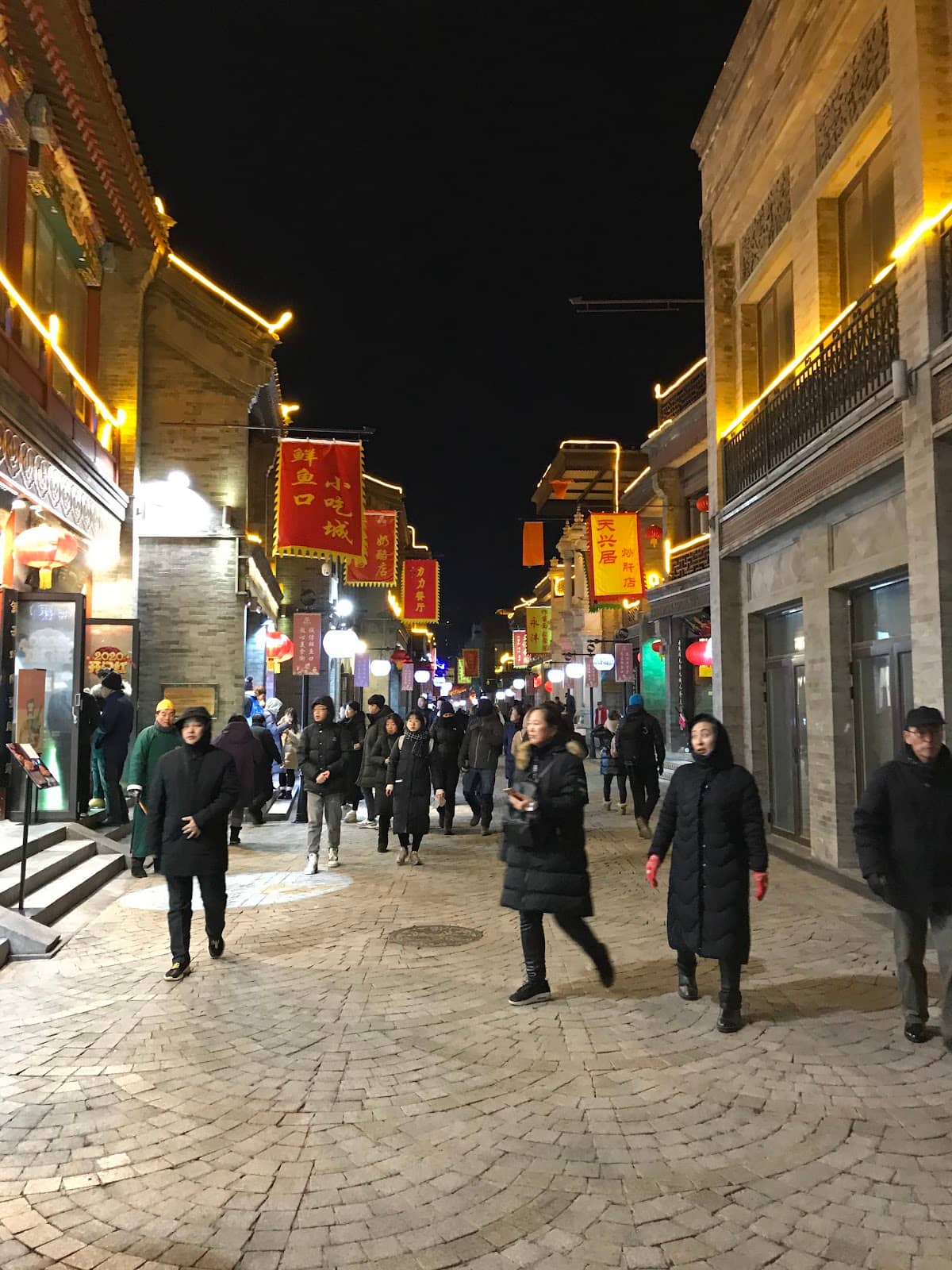
"Riding these narrow laneways gives you a glimpse into local life and highlights traditional Beijing culture."
Stay in a Hutong Home
Experience authentic local life by booking accommodation in a traditional courtyard house. :housewithgarden:
Embrace Public Restrooms
Be prepared for public toilets; it's part of the genuine China experience. 🚽
Quick Facts
Rating
4.7 · 22 reviews
Type
Transportation Service
Highlights
Discover the most iconic attractions and experiences
Traditional Courtyard Homes
Various Hutong neighborhoods
Glimpse into local life within siheyuan residences, fostering strong community bonds and a unique Beijing atmosphere.
Rickshaw Tours
Shichahai, Dashilar
Explore historic alleys with friendly drivers, offering photo opportunities and insights into traditional Beijing culture.
Local Eateries and Cafes
Yin Alley Xiaoguan, Zhonglouwan Hutung
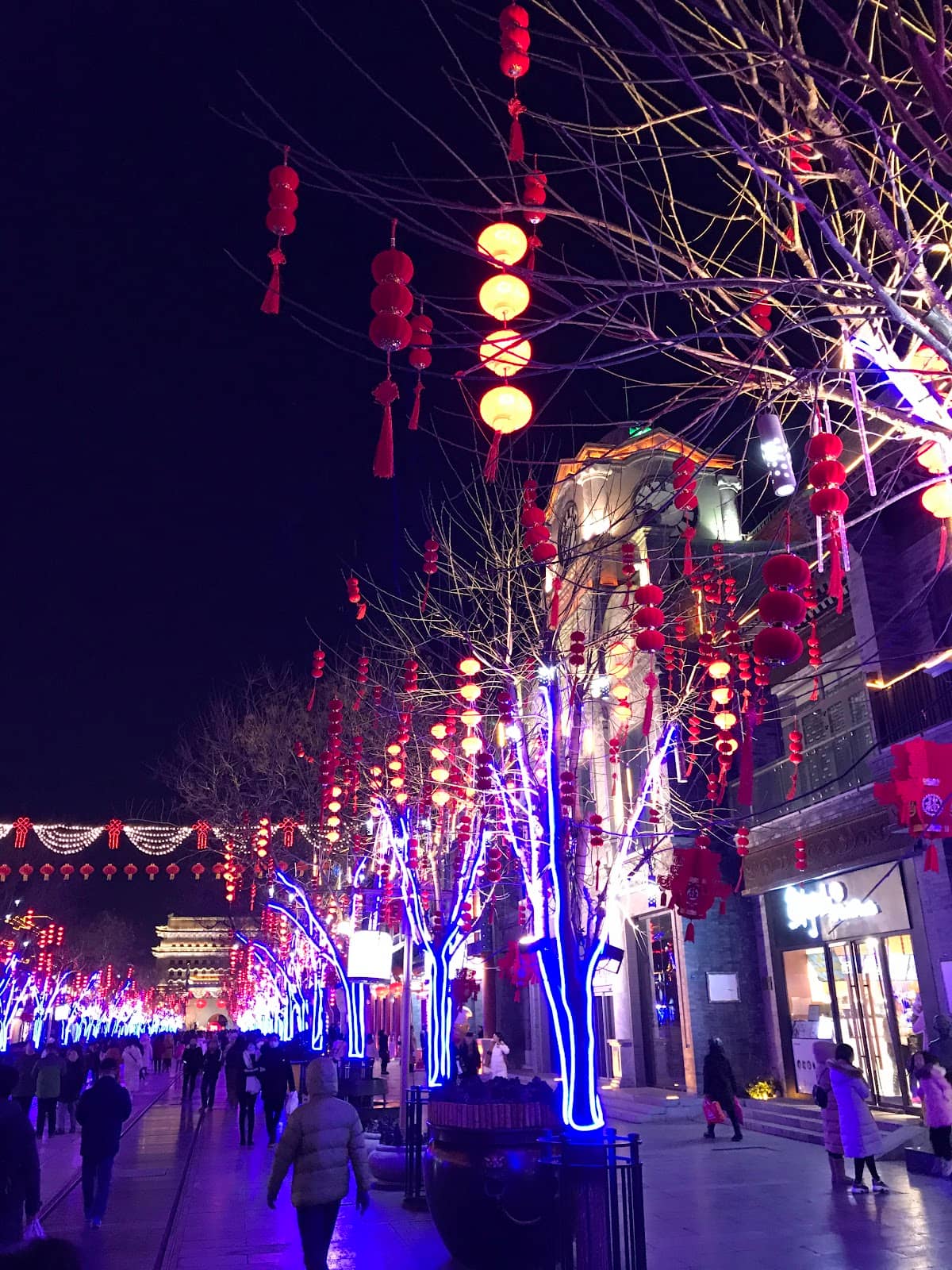
Savor authentic Beijing cuisine in converted traditional houses, offering a taste of history and local flavors.
Plans like a pro.
Thinks like you
Planning Your Visit
Embrace the Local Vibe
Navigating the Narrow Lanes
Best Times
Insider Tips
from TikTok, Instagram & Reddit
Stay in a Hutong Home
Experience authentic local life by booking accommodation in a traditional courtyard house. :housewithgarden:
Embrace Public Restrooms
Be prepared for public toilets; it's part of the genuine China experience. 🚽
Rickshaw Tour Value
Rickshaw drivers are often happy to take photos and share insights. :camerawithflash:
Explore on Foot
Wander through charming alleys to discover hidden cafes and local snacks. 🚶
Tips
from all over the internet
Stay in a Hutong Home
Experience authentic local life by booking accommodation in a traditional courtyard house. :housewithgarden:
Embrace Public Restrooms
Be prepared for public toilets; it's part of the genuine China experience. 🚽
Rickshaw Tour Value
Rickshaw drivers are often happy to take photos and share insights. :camerawithflash:
Explore on Foot
Wander through charming alleys to discover hidden cafes and local snacks. 🚶
Try Local Cuisine
Dine at restaurants converted from traditional Hutong houses for authentic flavors. :knifeforkplate:
What Travellers Say
Reviews Summary
Visitors find Beijing's Hutongs to be a fascinating glimpse into traditional Chinese culture and local life, with many praising the historical significance and the charm of the narrow alleys. The opportunity to stay in courtyard homes and dine in converted traditional houses is a highlight for many. However, some note that certain areas can become congested with tourism and that the experience is evolving rapidly.
"Located in Chaoyang, Beijing, China 🇨🇳
It was very fascinating to go through the streets in this area of Beijing. We got driven around by Rickshaw. The man driving was fantastic and was happy to take photos whenever we stopped. Our guide told me that the average price for a Hutong is 10,000,000.00 Yuen which is approximately $2 million AUD because it’s very expensive to live in Beijing. I am not sure if this is correct. Riding these narrow laneways gives you glimpse into local life. It features public facilities, shops and cafes/restaurants and public gatherings. This highlights a traditional Beijing style culture. The cafes and restaurants stay open quite late. The Hutongs basically comprise residences and courtyard homes. Due to their design, residents can easily interact with each other. This fosters strong community bonds. Recent efforts have been made to preserve these cultural sites. Some of the residences have been converted to host bars, restaurants, cafes and private clubs. Because of tourism, the laneways can become quite congested with rickshaws but it’s still very much worth visiting. The Hutongs date back to the Yuan Dynasty (1279-1368). They were expanded during the Ming Dynasty (1368-1644) and the Qing Dynasty (1644-1911). This area is full of historical significance. The people living here were very friendly and welcoming. I really enjoyed my tour and would not hesitate to recommend to anyone visiting Beijing. Thumbs Up!!! 👍👍👍"
Nerine Cummins
"Hutongs, typical of northern Chinese cities, particularly Beijing, are narrow streets or alleys with a rich history dating back to the Yuan dynasty (1279-1368). These traditional neighborhoods expanded during the Ming (1368-1644) and Qing (1644-1911) dynasties. Due to their interconnected design, residents can easily interact with one another, fostering strong community bonds. Exploring these lanes offers a glimpse into local life, featuring public facilities, shops, and community gatherings, exemplifying a traditional Beijing community. Visiting Shichahai or Dashilar, accessible via subway lines 8, 2, or 7, provides opportunities to experience Hutong culture. Rickshaw tours facilitate exploration of these historic alleys. Hutongs comprise siheyuan residences and courtyard homes. Although many were demolished, recent preservation efforts protect these cultural artifacts. Converted traditional houses now host bars, cafes, restaurants and private clubs, offering authentic culinary experiences. Had a sumptuous authentic Beijing meal at Yin Alley Xiaoguan, a restaurant converted from a traditional Hutung house at Zhonglouwan Hutung. Unfortunately I forgot the dishes names, however I remembered the taste were appetizing. The experience was phenomenal and memorable. Recommend the tour as a premier Beijing attraction.
The narrow paths may cause rickshaw congestion due to tourism and local traffic. Despite this, guided tours provide invaluable insights into the area's history and culture."
C Khan
"Loved walking around the hutongs
Charming alleys local snacks and hidden cafes
Great mix of old and new"
Steve
What People Like
What People Dislike
Frequently Asked Questions
🚇 🗺️ Getting There
You can reach popular Hutong areas like Shichahai or Dashilar via subway lines 8, 2, or 7. From the subway stations, you can walk or take a short taxi ride to the heart of the Hutongs. Many visitors also opt for guided tours that include transportation.
Yes, Hutongs are a characteristic feature of Beijing. While some have been modernized, many traditional areas are well-preserved and accessible. Look for signs indicating Hutong areas or ask locals for directions to the nearest traditional alleyways.
Exploring Hutongs on foot is highly recommended to soak in the atmosphere. Rickshaw tours are also a popular and enjoyable way to cover more ground and get a guided experience. Bicycles can also be a good option for navigating the narrower lanes.
Yes, most major Hutong areas are well-served by Beijing's extensive subway system. Several stations are located within walking distance of popular Hutong neighborhoods, making them easily accessible for tourists.
Taxis can take you to the general vicinity of Hutong areas. However, due to narrow lanes and pedestrian zones, they may not be able to drive directly into the heart of some Hutongs. Be prepared to walk the final distance.
🎫 🎫 Tickets & Entry
Generally, you do not need to purchase tickets to simply walk through and explore most Hutong areas. Entry to the alleys themselves is free. However, specific attractions within the Hutongs, like museums or certain courtyards, may have admission fees.
Hutong areas are residential neighborhoods and are generally accessible at all hours. However, shops, cafes, and restaurants within the Hutongs will have their own operating hours, typically opening in the morning and closing late in the evening.
While walking through the Hutongs is free, organized rickshaw tours or guided walking tours will have associated costs. Prices can vary depending on the duration and inclusions of the tour.
You can absolutely explore the Hutongs on your own, which many travelers enjoy for the freedom to discover hidden gems. However, a guide can provide deeper historical context and cultural insights, enhancing your experience.
Most public Hutong lanes are free to access. However, some historical sites or preserved courtyards within Hutong areas might have separate entrance fees. It's best to check specific attractions if you plan to visit them.
🎫 🧭 Onsite Experience
To truly experience Hutong culture, stay in a traditional courtyard home, explore the narrow lanes on foot or by rickshaw, try local snacks and meals at converted restaurants, and interact with the friendly residents. Embrace the local vibe and be open to the authentic experience.
Many Hutong residences still utilize public restrooms, so be prepared for this authentic aspect of local life. While some areas may have modern facilities, it's wise to be ready for a more traditional experience.
Hutongs are generally considered safe for exploration. However, like any urban area, it's advisable to be aware of your surroundings, especially in crowded spots. Keep an eye on your belongings and stick to well-lit areas if exploring late at night.
You'll find a charming mix of traditional craft shops, souvenir stores, local snack vendors, and trendy cafes and bars converted from old courtyard houses. It's a great place to find unique items and enjoy a relaxed atmosphere.
Many residents are friendly and welcoming. A smile and a polite greeting can go a long way. If you're on a rickshaw tour, your driver will likely facilitate interactions. Learning a few basic Mandarin phrases can also be helpful.
🍽️ 🍽️ Food & Dining
Look for restaurants converted from traditional Hutong houses, like Yin Alley Xiaoguan. These offer a unique ambiance and often serve delicious, authentic Beijing cuisine. Exploring the alleys will reveal many local eateries.
Keep an eye out for vendors selling traditional Beijing snacks. While specific names might vary, look for savory pastries, sweet treats, and local specialties. Trying a variety is part of the fun!
Many traditional Chinese restaurants offer vegetarian dishes. It's always a good idea to ask about ingredients or look for dishes that are naturally vegetarian, such as vegetable stir-fries or tofu-based meals.
Dining prices can vary. While some local eateries offer very affordable meals, restaurants in more tourist-oriented Hutongs or those with a unique setting might be slightly more expensive. Expect a range from budget-friendly to mid-range.
While the focus is on traditional Beijing food, you can also find some cafes and restaurants offering international options, particularly in more developed Hutong areas catering to tourists. However, the authentic local experience is the main draw.
📸 📸 Photography
Every narrow lane offers a photographic opportunity! Focus on the intricate details of traditional architecture, the daily life of residents, colorful lanterns, and the contrast between old and new. Early mornings or late afternoons offer beautiful light.
Generally, photography is allowed in public areas. However, always be respectful of residents' privacy. Avoid taking close-up photos of people without their permission, and be mindful if you see signs indicating no photography.
A versatile lens, like a 24-70mm, is great for capturing both wider street scenes and details. A prime lens can be useful for low-light conditions in cafes or for creating beautiful bokeh. A wide-angle lens can help capture the narrowness of the alleys.
Be patient and observant. Look for moments of daily activity – people chatting, children playing, or vendors at work. Candid shots often tell the most compelling stories. Respectful distance is key.
Areas like Nanluoguxiang (though very commercialized), Shichahai, and the less commercialized, more residential Hutongs offer diverse photographic subjects. Exploring off the main paths often leads to the most unique shots.
Social
from TikTok, Instagram & Reddit