Jingdezhen Ancient Kiln Museum
Explore centuries of porcelain artistry at the Jingdezhen Ancient Kiln Museum, a living testament to China's 'Porcelain Capital'.
Highlights
Must-see attractions

Social
From TikTok & Reddit
Best Time
Fewer crowds, better demos
Jingdezhen Ancient Kiln Museum
Best Time
Fewer crowds, better demos
Highlights
Must-see attractions
Explore centuries of porcelain artistry at the Jingdezhen Ancient Kiln Museum, a living testament to China's 'Porcelain Capital'.
"A must-visit for every traveler here, blending ancient imperial kiln ruins with striking modern architecture."
Allocate a Full Day ⏳
Don't rush! You'll need ample time to explore both the ancient kilns and folk custom areas.
Wear Comfortable Shoes :athletic_shoe:
You'll be doing a lot of walking on stone paths and uneven terrain.

Quick Facts
Rating
4.1 · 142 reviews
Type
Museum
Highlights
Discover the most iconic attractions and experiences
Ancient Kiln Exhibition Area
Original historical sites
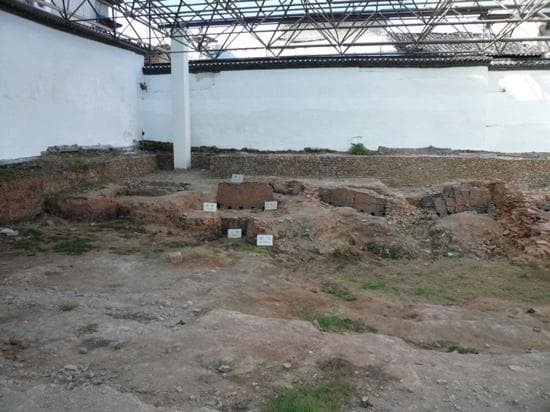
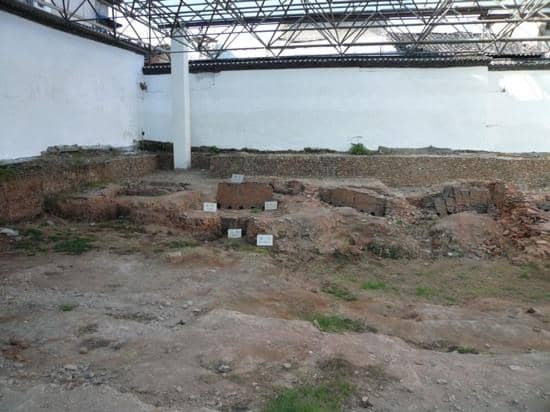
Explore meticulously rebuilt kilns from various dynasties, showcasing centuries of porcelain firing techniques.
Ceramic Folk Custom Area
Demonstration workshops
Witness master craftsmen at work, from throwing to firing, and experience the living heritage of Jingdezhen.
The God of Kilns Statue
Center of the park
A towering symbol of Jingdezhen's porcelain heritage, standing tall amidst the scenic park.
Imperial Kiln Museum Architecture
Modern museum building
Stunning modern architecture inspired by ancient kilns, seamlessly blending with historical ruins.
Plans like a pro.
Thinks like you
Planning Your Visit
Timing is Key for the Kilns
Embrace the Craftsmanship
Best Times
Insider Tips
from TikTok, Instagram & Reddit
Allocate a Full Day ⏳
Don't rush! You'll need ample time to explore both the ancient kilns and folk custom areas.
Wear Comfortable Shoes :athletic_shoe:
You'll be doing a lot of walking on stone paths and uneven terrain.
Engage with Artisans :handshake:
Watch the demonstrations closely and ask questions; the craftsmen are skilled and knowledgeable.
Consider Traditional Attire :kimono:
Wearing traditional Chinese clothing can enhance the immersive experience.

Tips
from all over the internet
Allocate a Full Day ⏳
Don't rush! You'll need ample time to explore both the ancient kilns and folk custom areas.
Wear Comfortable Shoes :athletic_shoe:
You'll be doing a lot of walking on stone paths and uneven terrain.
Engage with Artisans :handshake:
Watch the demonstrations closely and ask questions; the craftsmen are skilled and knowledgeable.
Consider Traditional Attire :kimono:
Wearing traditional Chinese clothing can enhance the immersive experience.
Check for English Signage :flag_gb:
Many areas have good English interpretations, making it easier to understand the history.
Kiln Opening Ceremony 🔥
If you're lucky, you might witness a 'kiln opening' ceremony, a highlight for many visitors.
What Travellers Say
Reviews Summary
Visitors praise the Jingdezhen Ancient Kiln Museum for its immersive experience, showcasing living porcelain heritage through skilled artisans and well-preserved ancient kilns. The modern architecture of the Imperial Kiln Museum is also a highlight. Some find the on-site ceramics to be very expensive.
"As we walk towards Ancient Kilns Jingdezhen, we strolled through on the stone road surrounded by wide landscape & lake. Drain inlaid with different colors of tiles, garden with cosy seating benches for visitors who needed a rest, magnificent and exquisite porcelain vases, bottles ,trash cans, water wheels, beautifully decorated the whole Park.
Other porcelain & ceramics pieces with production defects are shrewn non-challantly on the park ground.
The God of Kilns stood tall in the center of the Park. There are shops that sells souvenirs and refreshments.
The scenic spot is mainly divided into two parts : the ancient kiln exhibition area and the ceramic folk custom exhibition area.
The ancient kiln exhibition area has rebuild the Kilns of various dynasties in the historical original site.
And the ceramic folk custom exhibition area has pottery making workshop with many master craftsmen demonstrating on site. One craftsman wet his finger & run in over the rim of a bowl, a high pitched sound heard, really amazing.
Like the saying goes… "white as jade, bright as a mirror, thin as paper & sound like a chime" for porcelain making, makes Jingdezhen Ancient Kilns, the world's porcelain capital an important tourist and industrial city in Jiangxi Province."
susan chow
"Good interpretaion and presentation about fine china porcelain. The oldest klin is well preserved.
Apart of that, the ancient buildings in the exhibition area are also fasinating. Should have a full day to explore all area."
MEE RATSAMEE
"Very nice place, I really love here. It have many old buildings."
Iravee T
What People Like
What People Dislike
Frequently Asked Questions
🚇 🗺️ Getting There
The museum is accessible by local buses and taxis from Jingdezhen city center. Many visitors arrive by taxi for convenience. If you're coming from further afield, consider flying into Jingdezhen Luojia Airport (JDZ) and then taking a taxi or bus to the museum.
Yes, taxis are generally available outside the museum. You can also use ride-sharing apps. Local buses also serve the area, though schedules might be less frequent.
Yes, there is parking available at the museum. However, navigating Jingdezhen and finding parking can sometimes be challenging, so consider public transport or taxis if you're not familiar with the area.
The museum is quite spread out. Wear comfortable shoes and be prepared to walk. You can explore at your own pace, but allow at least half a day to see everything.
While not always explicitly advertised, you might find local guides available for hire, especially if you're interested in a deeper understanding of the history and craftsmanship.
🎫 🎫 Tickets & Entry
The entry fee is approximately 100 RMB per person. Visitors over 60 years old may receive free admission. It's always a good idea to check the latest pricing before your visit.
Seniors over 60 often get free entry. Specific student discounts might be available, so it's worth inquiring at the ticket counter or checking their official website if available.
Information on online ticket purchasing can be limited. It's generally recommended to purchase tickets upon arrival at the museum.
The museum typically opens in the morning and closes in the late afternoon or early evening. It's best to confirm the exact hours for your visit, as they can vary seasonally.
Yes, the museum is generally open on weekends and public holidays. However, expect larger crowds during these times.
🎫 🏺 Onsite Experience
You can explore ancient kilns from different dynasties, watch live pottery-making demonstrations, see master craftsmen at work, and admire the unique architecture of the Imperial Kiln Museum. +1
Yes, some areas offer hands-on experiences where you can try pottery wheel throwing, and sometimes even keep small items you create.
Yes, children can enjoy watching the demonstrations and the interactive elements. Some areas even allow children to try making small cups.
There are shops selling souvenirs and refreshments. However, the ceramics displayed and sold can be very expensive, often costing thousands.
The 'God of Kilns' statue is a central figure representing the spiritual and historical importance of porcelain production in Jingdezhen.
📸 📸 Photography
Photography is generally allowed in most outdoor areas and public spaces within the museum complex. However, some indoor exhibits or specific demonstration areas might have restrictions, so always look for signage.
The reconstructed kilns, the modern Imperial Kiln Museum architecture, the artisans at work, and the scenic landscapes surrounding the kilns offer excellent photo opportunities. +1
Drone usage is typically restricted in and around historical sites and museums to protect the structures and ensure visitor safety. It's best to assume drones are not permitted unless explicitly stated otherwise.
Capturing the steam rising from a kiln during an opening, the intricate details of porcelain pieces, and the focused expressions of the artisans can make for compelling photographs.
Early morning or late afternoon light can create beautiful, soft lighting for your photos, especially when capturing the textures of the ancient kilns and the surrounding landscape.


Social
from TikTok, Instagram & Reddit