
Suojiang Pavilion
Historic Ming Dynasty pavilion on the Yangtze River, famed for inspiring ancient poems and offering scenic vistas.
Highlights
Must-see attractions

Social
From TikTok & Reddit
Best Time
Best light for river views
Suojiang Pavilion
Best Time
Best light for river views
Highlights
Must-see attractions
Historic Ming Dynasty pavilion on the Yangtze River, famed for inspiring ancient poems and offering scenic vistas.
"Enjoy the pavilion's beauty from the riverbank; the views are stunning and save you the expensive ticket!"

💰 Skip the Pavilion Entry
Enjoy scenic river views without the expensive ticket. The surrounding area is beautiful too!
📸 Capture River Vistas
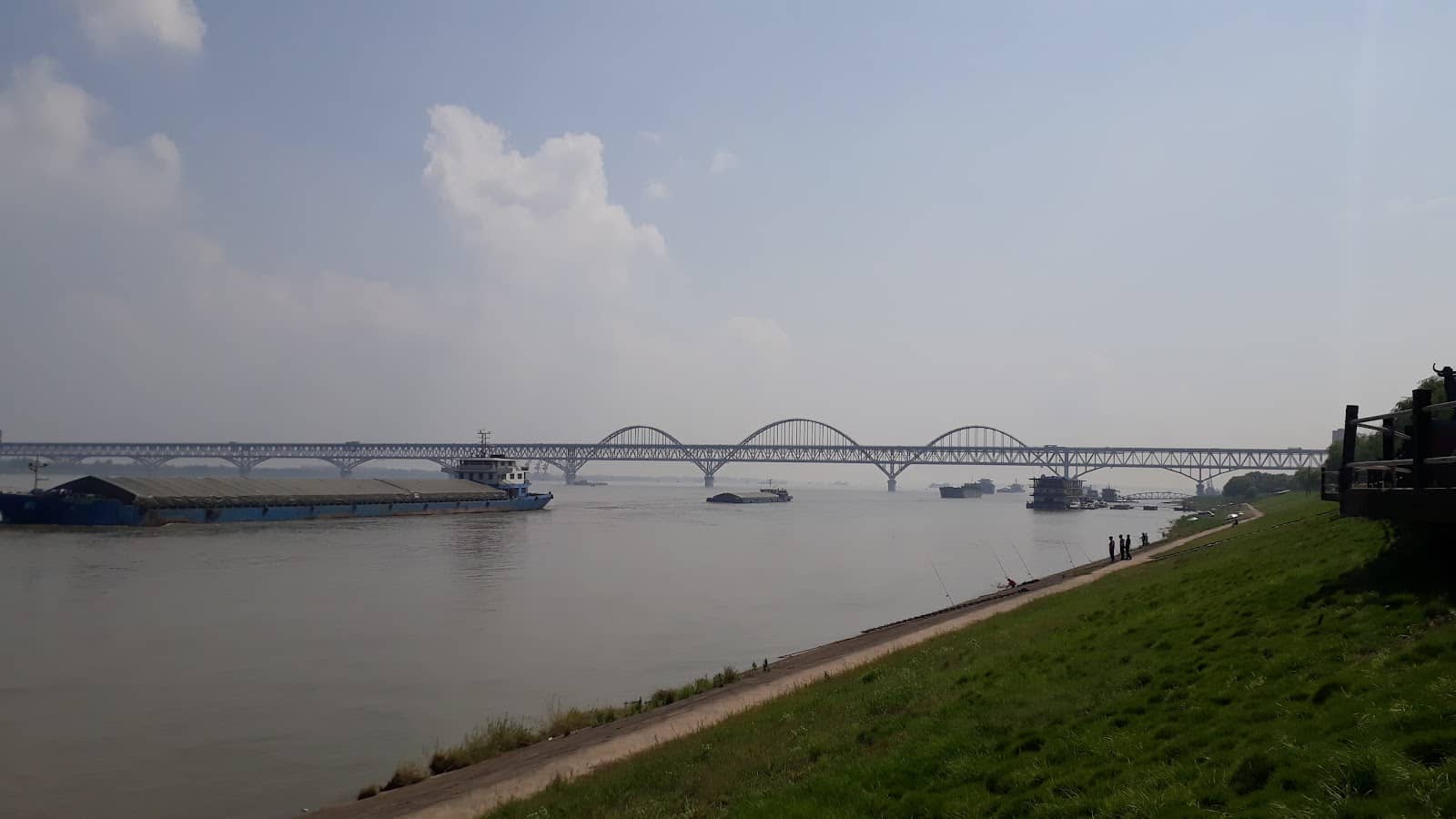
The best photo ops are often from the riverbank, showcasing the pavilion against the Yangtze.
Quick Facts
Rating
3.9 · 12 reviews
Type
Tourist Attraction
Highlights
Discover the most iconic attractions and experiences
Yangtze River Views
Riverfront
Enjoy the pavilion's beauty from the banks of the mighty Yangtze River. Stunning vistas await.
Ancient Poetry Connection
Pavilion grounds
This historic site inspired famous ancient poems. Feel the literary heritage.

Architectural Grandeur
Suojiang Pavilion
A seven-story, 35-meter tall stone-carved brick structure with a unique pyramidal shape.
Plans like a pro.
Thinks like you
Planning Your Visit
Timing Your Visit
Understanding the Name
Best Times
Insider Tips
from TikTok, Instagram & Reddit
💰 Skip the Pavilion Entry
Enjoy scenic river views without the expensive ticket. The surrounding area is beautiful too!
📸 Capture River Vistas
The best photo ops are often from the riverbank, showcasing the pavilion against the Yangtze.
🚶♀️ Explore Mount Lu Nearby
Combine your visit with a trip to Mount Lu for a fuller experience.
Tips
from all over the internet
💰 Skip the Pavilion Entry
Enjoy scenic river views without the expensive ticket. The surrounding area is beautiful too!
📸 Capture River Vistas
The best photo ops are often from the riverbank, showcasing the pavilion against the Yangtze.
🚶♀️ Explore Mount Lu Nearby
Combine your visit with a trip to Mount Lu for a fuller experience.
What Travellers Say
Reviews Summary
Visitors praise Suojiang Pavilion for its beautiful riverside location and connection to ancient poetry. Many recommend enjoying the views from the riverbank to avoid expensive entry fees, highlighting the scenic beauty as the main draw. Some find the ticket price for the pavilion itself to be too high.
"The famous ancient poems were born here, backed by the Yangtze River, and the pavilion is beautiful. Those who come to climb Mount Lu can come here to see it, but it is not recommended to go to the pavilion, because the tickets are very expensive."
TONGWEI ZHANG
"Beautiful area right next to the river"
Parker Zhou
"Go to the top of the tower to see the scenery😍"
Hee May
What People Like
What People Dislike
Frequently Asked Questions
🚇 🗺️ Getting There
Suojiang Pavilion is located near Mount Lu. You can typically reach it by car or taxi from Jiujiang city. Public transport options might be limited, so checking local bus routes or hiring a driver is recommended for ease of access.
While often visited in conjunction with Mount Lu, Suojiang Pavilion is a distinct historical site located by the Yangtze River. It's a good addition to a Mount Lu itinerary.
🎫 🎫 Tickets & Entry
Reviews suggest that tickets for the pavilion itself can be quite expensive. Many visitors opt to admire it from the riverfront to save money.
Specific opening hours can vary. It's best to check with local tourism information or your accommodation for the most up-to-date times, especially if you plan to go inside.
Yes, you can get excellent views and appreciate the pavilion's exterior from the riverbank and surrounding areas without purchasing an entry ticket.
📸 📸 Photography
The most picturesque shots are often taken from across the Yangtze River, capturing the pavilion with the water in the foreground. The riverfront area offers great vantage points.
Some visitors recommend going to the top for panoramic scenery. However, consider the ticket cost versus the view you can get from the riverbank.
🎫 🏛️ History & Architecture
Construction of Suojiang Pavilion began in 1558 during the Ming Dynasty and took 18 years to complete. It was originally known as Jiangtian Suoyao Tower.
The pavilion is a stone-carved brick structure with a six-sided pyramidal shape. It stands seven stories tall and reaches approximately 35 meters in height.
The original tower was surrounded by four iron bulls, though their current presence or visibility might vary. They were part of the historical structure.


Social
from TikTok, Instagram & Reddit