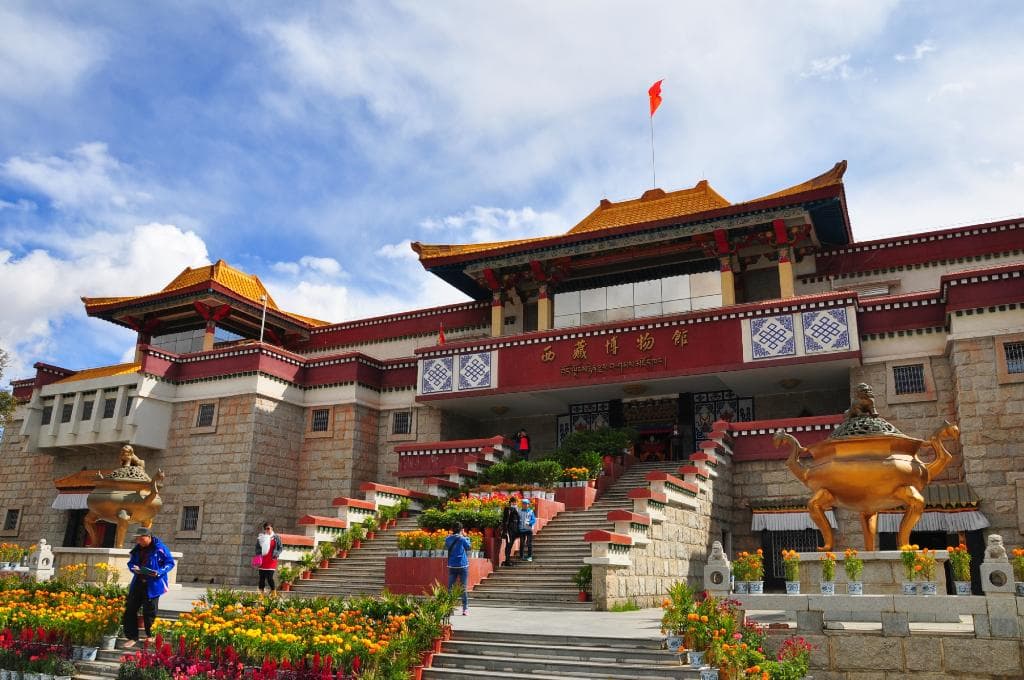
Tibet Museum
A vast repository of Tibetan history and culture, housing over 520,000 artifacts that tell the story of a unique people.
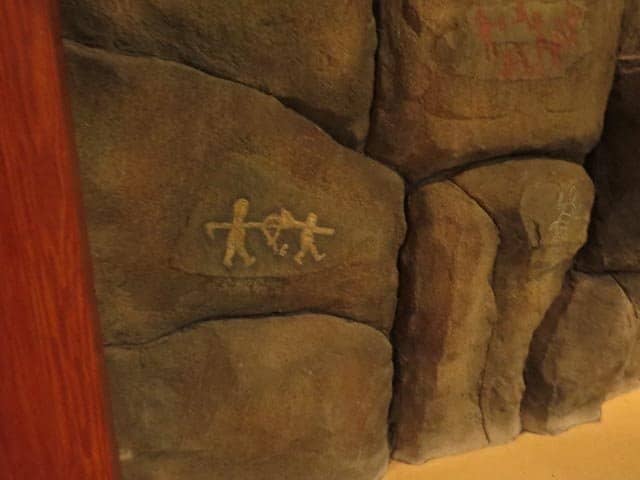
Highlights
Must-see attractions

Social
From TikTok & Reddit
Best Time
Fewer crowds, more peaceful exploration.
Tibet Museum
Best Time
Fewer crowds, more peaceful exploration.
Highlights
Must-see attractions
A vast repository of Tibetan history and culture, housing over 520,000 artifacts that tell the story of a unique people.
"Great museum, free and well curated with interesting exhibitions in English."
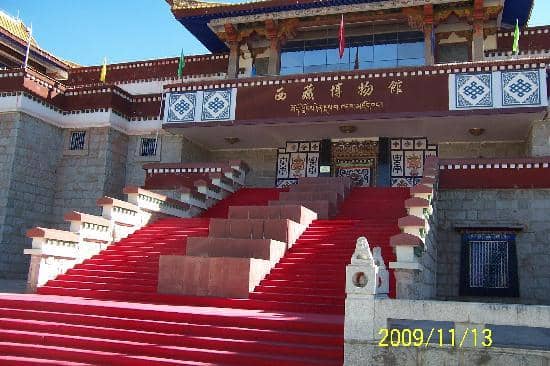
Free Admission! 🎟️
Many visitors note the museum is free to enter, making it a great value. Enjoy the exhibits without an entry fee!
Allow ample time ⏳
With over 520,000 artifacts, you'll need several hours to truly appreciate the museum's depth.
Quick Facts
Rating
4.3 · 54 reviews
Type
Museum
Highlights
Discover the most iconic attractions and experiences
Extensive Artifact Collection
Over 520,000 artifacts showcasing Tibetan history, culture, and art. A true treasure trove.
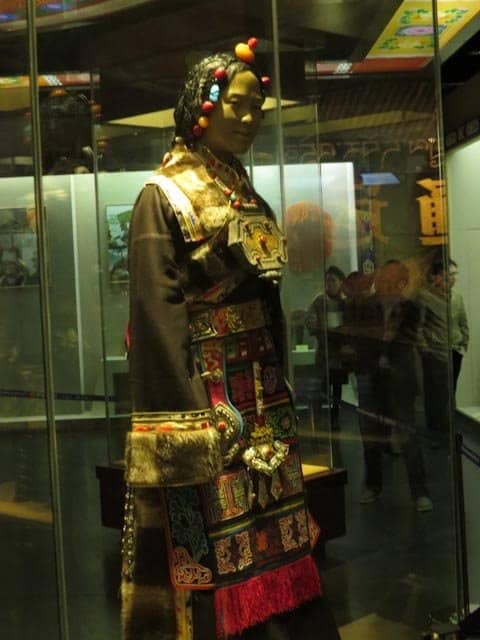
Historical and Cultural Narratives
Exhibits delve into Tibet's past, offering insights into its unique heritage and resilience.
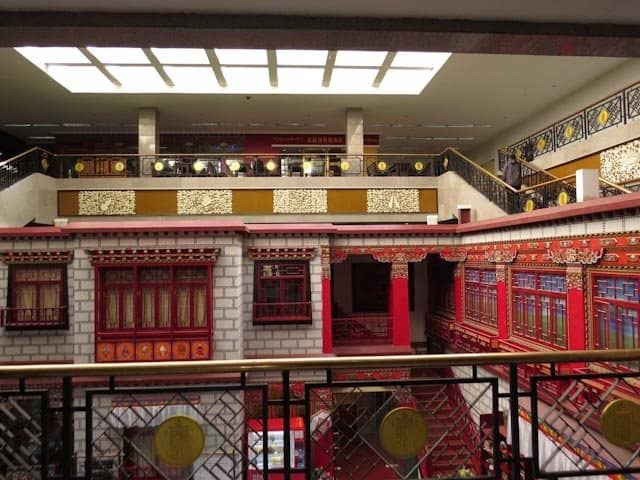
The 'Flying Peacock' Costume
Witness the legendary ceremonial dress, a symbol of millennia of Tibetan women's traditions.
Plans like a pro.
Thinks like you
Planning Your Visit
Understand the Context
Plan Your Visit
Best Times
Insider Tips
from TikTok, Instagram & Reddit
Free Admission! 🎟️
Many visitors note the museum is free to enter, making it a great value. Enjoy the exhibits without an entry fee!
Allow ample time ⏳
With over 520,000 artifacts, you'll need several hours to truly appreciate the museum's depth.
Consider the narrative 🤔
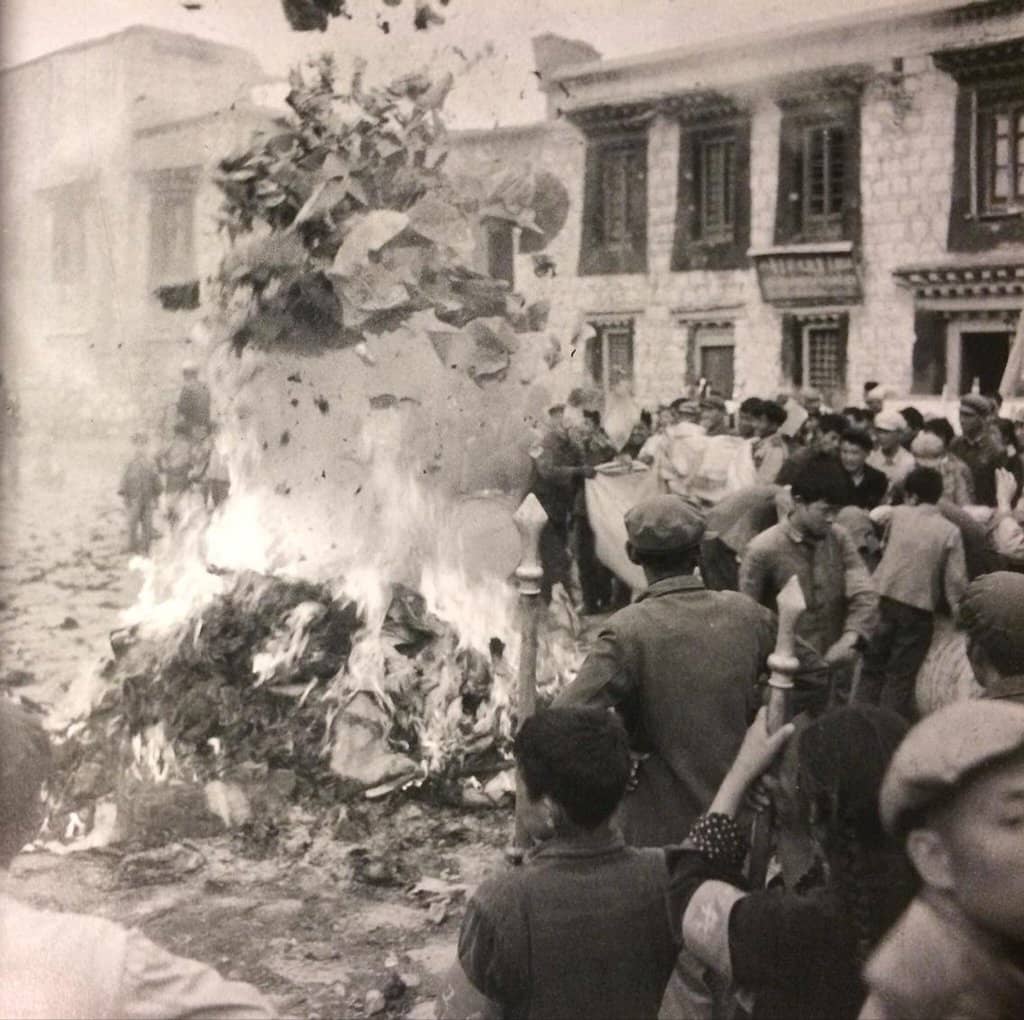
Some reviews mention a specific viewpoint in the exhibits. Approach with an open mind.
English exhibits available 🗣️
Exhibitions are often well-curated and include English translations for international visitors.
Tips
from all over the internet
Free Admission! 🎟️
Many visitors note the museum is free to enter, making it a great value. Enjoy the exhibits without an entry fee!
Allow ample time ⏳
With over 520,000 artifacts, you'll need several hours to truly appreciate the museum's depth.
Consider the narrative 🤔
Some reviews mention a specific viewpoint in the exhibits. Approach with an open mind.
English exhibits available 🗣️
Exhibitions are often well-curated and include English translations for international visitors.
Connect with culture ❤️
Experience the 'memory' of Tibet through photos, script, and stories of courage.
What Travellers Say
Reviews Summary
The Tibet Museum is a free-entry institution housing over 520,000 artifacts, offering insights into Tibetan history and culture. While some visitors praise its well-curated, informative exhibits available in English, others critique its narrative as potentially biased propaganda. Despite differing perspectives, it's recognized as a significant cultural resource.
"Chinese propaganda at its best. Some stories were told completely wrong. Their aim of setting up this museum is a wrong interpretation of Tibetan history and does not tell about over 6000 destroyed Buddhist monasteries. Therefore this museum is just showcase and propaganda purpose only so please don't visit this museum if you support human right and cause of Tibet."
Jorden Tenzin
"Culture and history of tibet here and you can learn from the exhibitions and displays in this palace."
lam tuongminh
"Hello Tibet Museum! I am from Austria and I hope i can visit Tibet bevor i die. Whats going wrong with china? I am so sorry for you. Nobody in europe knows all about the Genozid of the tibet people but that we know is horrible. Peace and love. I believe in you."
Angela Röblreiter
What People Like
What People Dislike
Frequently Asked Questions
🚇 🗺️ Getting There
The Tibet Museum is located in Lhasa, Tibet. Access typically involves traveling to Lhasa first, often via flight or the Qinghai-Tibet Railway. Once in Lhasa, local taxis or ride-sharing services can take you to the museum. +1
Yes, the Tibet Museum is a popular destination for tourists visiting Lhasa. However, foreign visitors to Tibet often require special permits and may need to travel with a registered tour operator.
Within Lhasa, you can use taxis, ride-sharing apps, or local buses to get around. Many attractions, including the Tibet Museum, are relatively close to each other.
🎫 🎫 Tickets & Entry
Many sources indicate that the Tibet Museum offers free admission, making it an accessible cultural experience for all visitors.
Opening hours can vary, so it's advisable to check the most current information before your visit. Generally, museums are open during daytime hours on weekdays and weekends.
As admission is often free, advance booking is typically not required. However, for special exhibitions or if you are part of a tour group, it's wise to confirm.
Yes, many tour groups include the Tibet Museum in their itineraries. If you are traveling independently, ensure you have the necessary permits for Tibet.
🎫 🧭 Onsite Experience
The museum houses over 520,000 artifacts, including historical documents, religious items, traditional clothing, and art, offering a comprehensive look at Tibetan culture and history. 
Yes, many of the exhibits at the Tibet Museum are well-curated and include descriptions in English, making them accessible to international visitors.
Given the vast collection, it's recommended to allocate at least a few hours to fully explore and appreciate the museum's displays.
Photography policies can vary. It's best to look for signage within the museum or ask staff if cameras are permitted, especially without flash.
The 'Flying Peacock' costume is a traditional ceremonial dress worn by Tibetan women for millennia, representing a significant aspect of cultural heritage.
🍽️ 🍽️ Food & Dining
Lhasa offers a variety of dining options, from local Tibetan eateries serving dishes like laphing to more international cuisine. Exploring nearby Barkhor Street is a good way to find food. +1
When in Lhasa, consider trying local snacks like laphing, or explore restaurants for traditional Tibetan dishes.
📸 📸 Photography
The museum's artifacts, historical displays, and unique cultural items offer numerous photo opportunities. The 'Flying Peacock' costume is a particularly striking subject.
While some areas may allow photography, it's crucial to check for specific rules regarding cameras and flash to avoid disturbing exhibits or other visitors.


Social
from TikTok, Instagram & Reddit