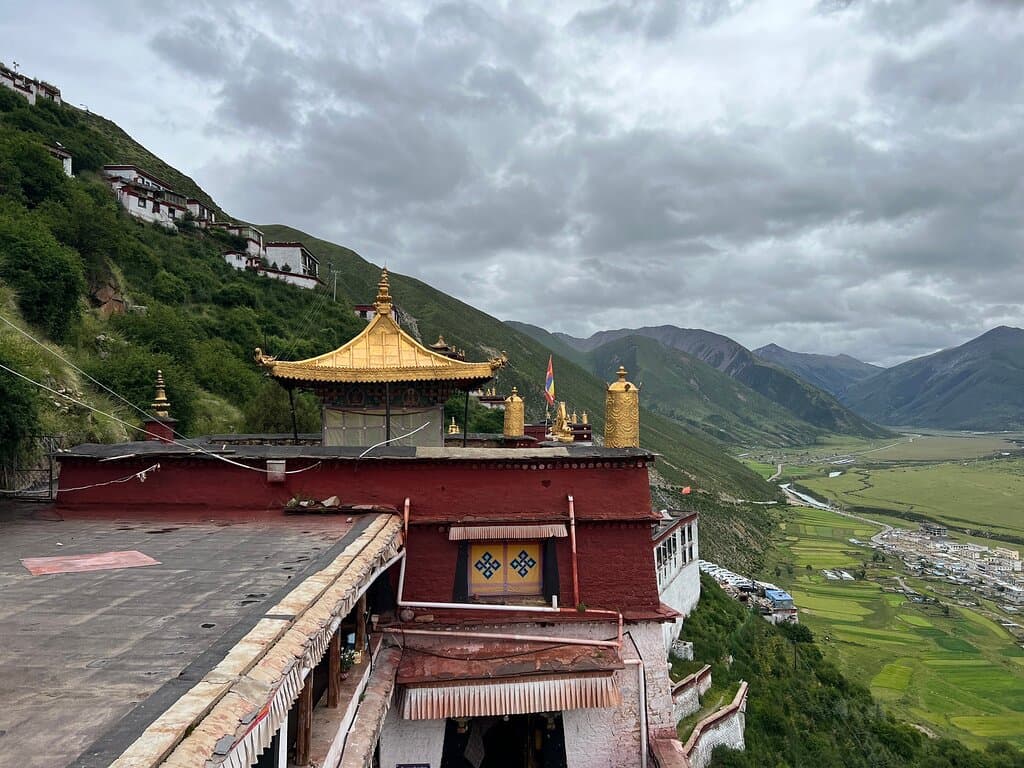
Drigung Til Monastery
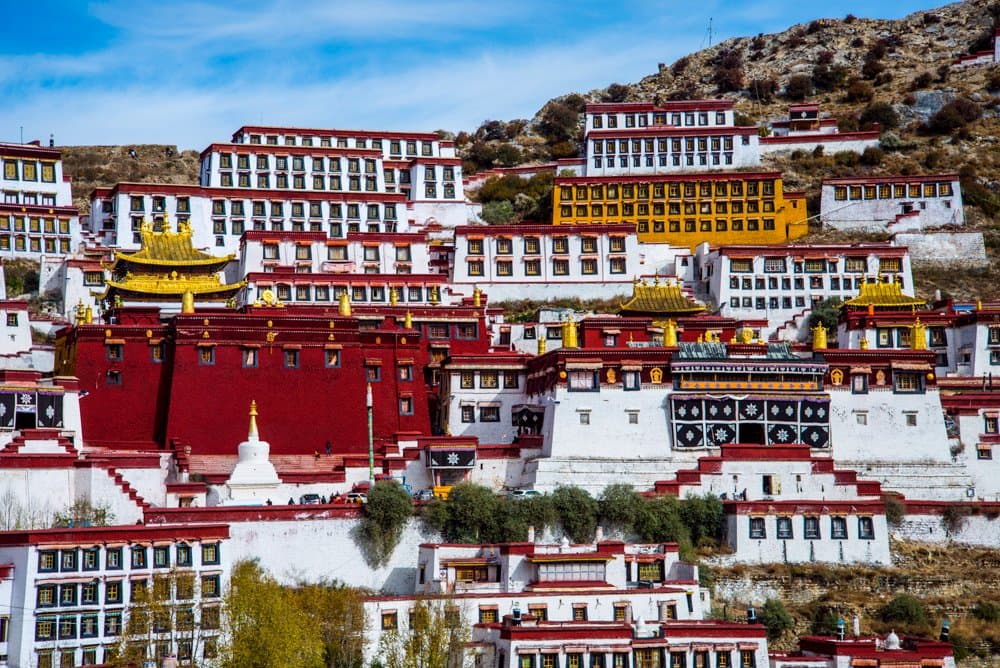
A sacred Tibetan Buddhist monastery perched on a mountainside, offering breathtaking views and a profound spiritual atmosphere.
Highlights
Must-see attractions

Social
From TikTok & Reddit
Best Time
Tranquil atmosphere, fewer crowds
Drigung Til Monastery
Best Time
Tranquil atmosphere, fewer crowds
Highlights
Must-see attractions
A sacred Tibetan Buddhist monastery perched on a mountainside, offering breathtaking views and a profound spiritual atmosphere.
"The view from Drigung Til Monastery in Tibet is simply breathtaking."
🧥 Dress Warmly
The weather is very cold, wear layers! ☁️
🚶♀️ Respectful Circumambulation
Participate in the sacred Lingkor path with reverence. 🙏
Quick Facts
Rating
4.7 · 15 reviews
Type
Place of Worship
Highlights
Discover the most iconic attractions and experiences
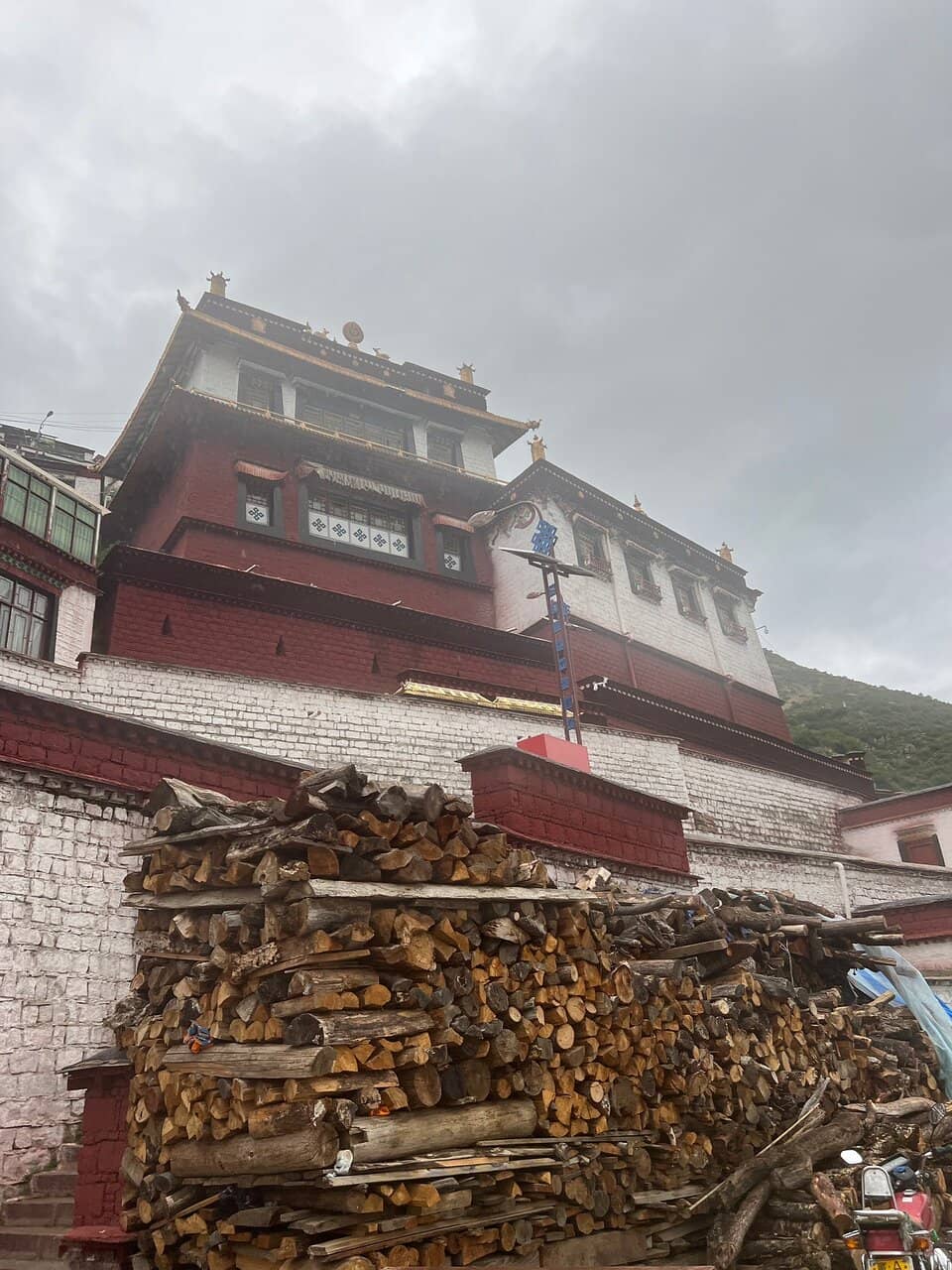
The Monastery's Summit Views
Main monastery complex
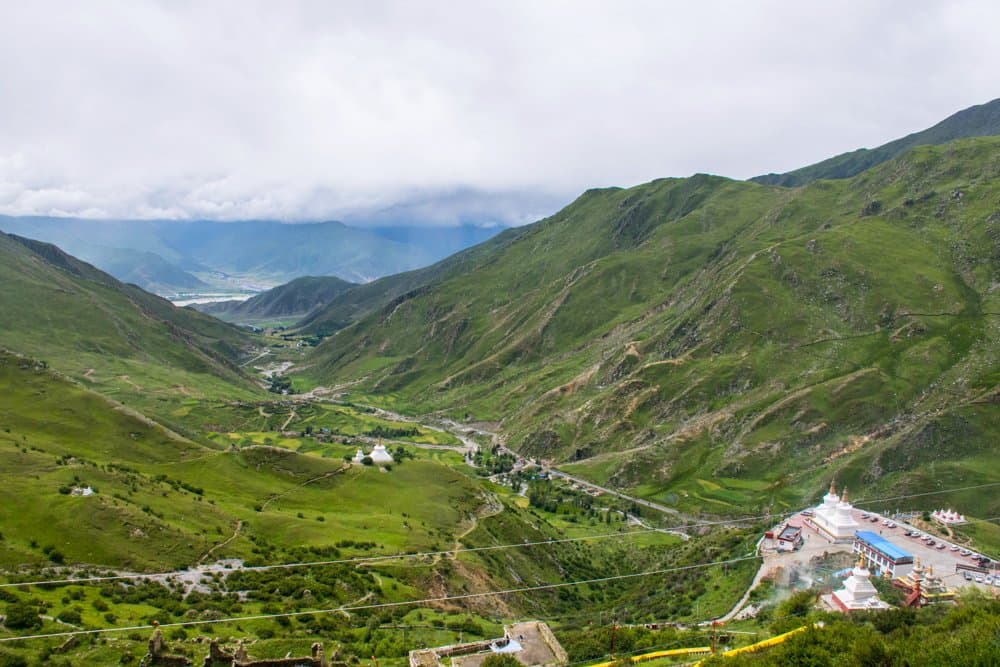
Breathtaking panoramic vistas of the surrounding valleys and mountains. A truly awe-inspiring sight.

The Sacred Assembly Hall
Assembly Hall
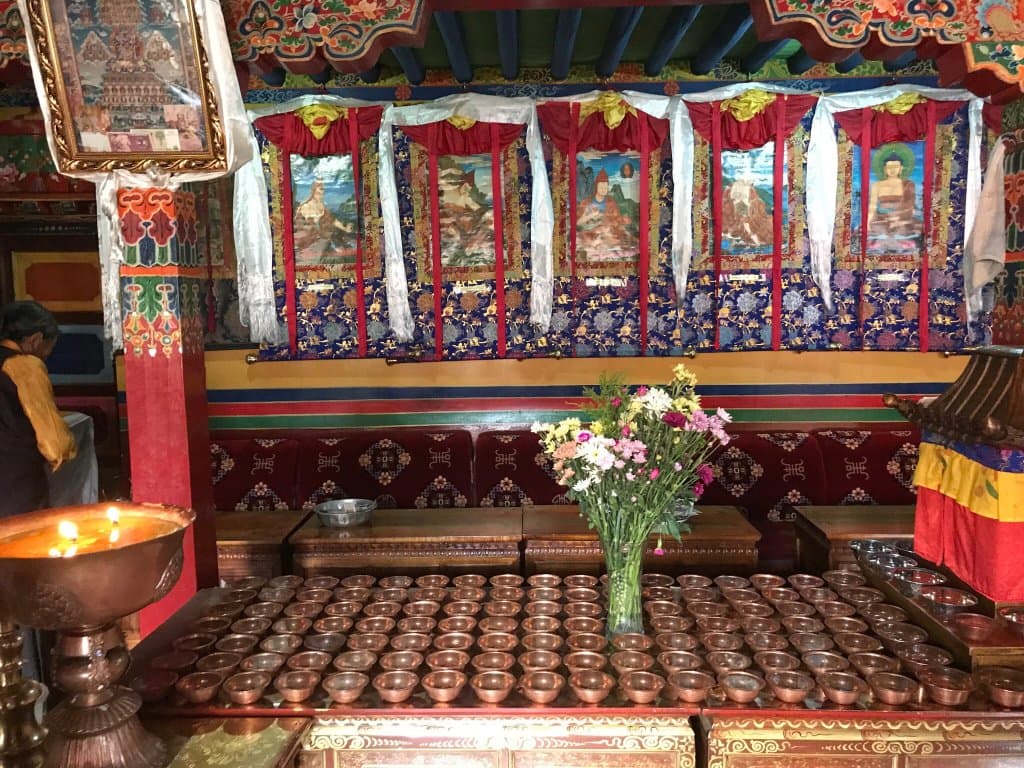
Home to the statue of the founder and local deities, offering a glimpse into the monastery's spiritual heart.
The Prayer Hall's Deities
Prayer Hall
Marvel at the statues of Avalokiteshvara and Green Tara, where lamas impart wisdom.
The World's Largest Prayer Wheel
Samten Hills Dalat (Vietnam location)
A Guinness World Record holder, this massive prayer wheel offers a unique spiritual experience.
Plans like a pro.
Thinks like you
Planning Your Visit
Timing Your Visit for Serenity
Respectful Attire and Conduct
Best Times
Insider Tips
from TikTok, Instagram & Reddit
🧥 Dress Warmly
The weather is very cold, wear layers! ☁️
🚶♀️ Respectful Circumambulation
Participate in the sacred Lingkor path with reverence. 🙏
📸 Photography Etiquette
Be mindful when taking photos, especially of ceremonies.
🚌 Bus to Monastery
Buses depart Jokhang Square early for a full day trip. 🚌
Tips
from all over the internet
🧥 Dress Warmly
The weather is very cold, wear layers! ☁️
🚶♀️ Respectful Circumambulation
Participate in the sacred Lingkor path with reverence. 🙏
📸 Photography Etiquette
Be mindful when taking photos, especially of ceremonies.
🚌 Bus to Monastery
Buses depart Jokhang Square early for a full day trip. 🚌
What Travellers Say
Reviews Summary
Visitors are consistently awed by the breathtaking panoramic views and the profound spiritual atmosphere of Drigung Til Monastery. The historical significance and the serene mountain setting are frequently praised. However, the extreme cold and the inaccessibility of the sky burial site are noted drawbacks for some.
"3-April-2025 Sky Burial area.
The weather is very cold, here everyone wears four layers of clothes and pants.
However, this trip was an interesting experience for us, the group from Vihara Sukhavati Prajna, Indonesia"
Sunari Wirohardjo
"Cool"
Mazharul 2
"The most famous temple for sky burial is no longer open to tourists to watch the sky burial ceremony."
張魚蝦
What People Like
What People Dislike
Frequently Asked Questions
🚇 🗺️ Getting There
Buses depart from Jokhang Square in Lhasa at 5:30 and 6:30 AM, offering a round-trip fare of 100 RMB. The journey typically includes visits to Yangrigang Temple and other sites, arriving back in Lhasa around 5 PM. This is a popular option for experiencing the monastery and surrounding areas in a single day.
Yes, many tours include Drigung Til Monastery. For instance, some tours might combine it with visits to hot springs like Tidrum Nunnery.
For the best photographic opportunities, consider hiring a private vehicle or joining a small group tour that allows for flexible stops. This enables you to capture the stunning views during optimal lighting conditions, especially during sunrise or sunset.
The Lingkor is an ancient circumambulation route traditionally used for pilgrimage. While the specific routes within the monastery complex are sacred, the general practice of circumambulation is a key part of the spiritual experience.
The bus journey from Lhasa can take a significant portion of the day, often returning around 5 PM. If traveling independently or with a tour, factor in travel time to and from the monastery, as well as time spent exploring the site.
🎫 🎫 Tickets & Entry
As Drigung Til Monastery is located in Tibet, foreign visitors will need a Tibet Travel Permit. This is typically arranged through a tour operator when booking your trip.
Information regarding specific entrance fees can vary. It's best to confirm with your tour operator or check local listings closer to your travel date.
Monasteries in Tibet generally open early in the morning and close in the late afternoon. Specific hours can vary, so it's advisable to check with your guide or tour provider.
The sky burial area at Drigung Til Monastery is reportedly no longer open to tourists for observation. While historically significant, this practice is now conducted with more privacy.
Yes, days like the 8th, 18th, and 28th of the Tibetan calendar are considered significant and may attract more pilgrims. Visiting on other days can offer a more peaceful experience.
🎫 🧭 Onsite Experience
Drigung Til Monastery was historically famous for its sky burial ceremonies, a traditional Tibetan funeral practice where bodies are exposed to vultures. While this practice is no longer open to tourists, it remains a significant aspect of the monastery's history and cultural context.
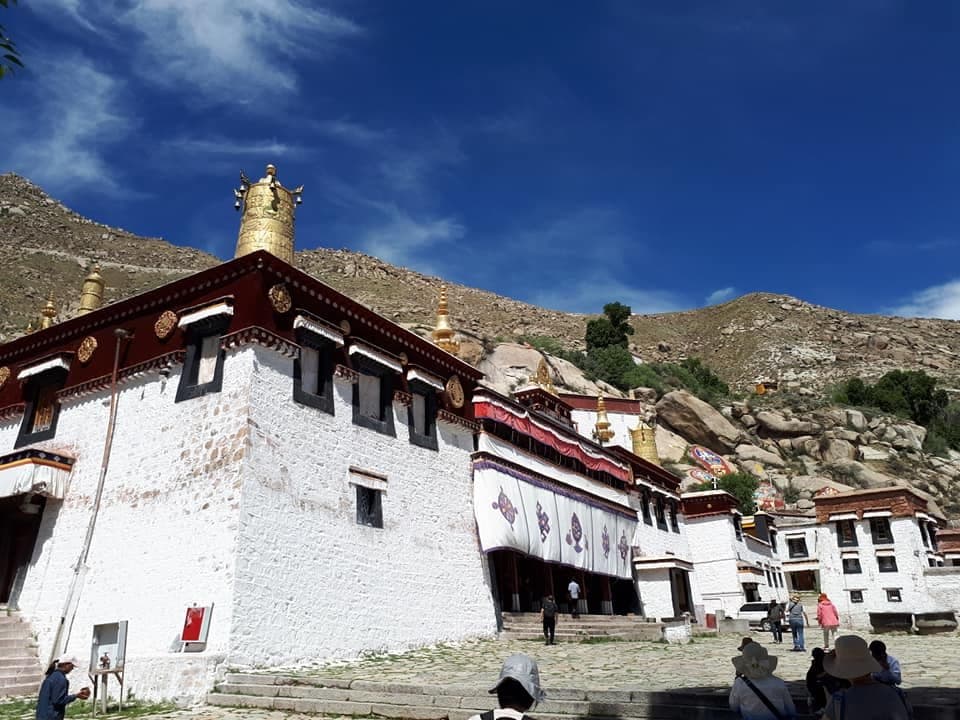
Inside, you can explore the Assembly Hall, which houses the statue of the founder and local deities, and the Prayer Hall, featuring statues of Avalokiteshvara and Green Tara. The monastery's location offers stunning views of the valley.
Yes, Drigung Til Monastery is often visited as part of a day trip from Lhasa, especially via the organized bus tours. These tours typically depart early and return in the late afternoon, allowing ample time to explore the monastery and its surroundings.
The weather at Drigung Til Monastery is generally very cold, especially at its high altitude. Visitors are advised to wear multiple layers of warm clothing, including pants and a jacket.
Visitors can observe and participate respectfully in practices like circumambulation around the monastery complex or the sacred Lingkor path. It's important to be mindful and respectful of the monks and their rituals.
📸 📸 Photography
The monastery's elevated position offers incredible panoramic views of the surrounding valleys and mountains, making it a prime spot for landscape photography.
While general photography is usually permitted, it's crucial to be respectful. Avoid taking photos of monks during private prayers or ceremonies without permission. Always ask before photographing individuals.
A wide-angle lens is excellent for capturing the expansive landscapes, while a telephoto lens can be useful for details within the monastery or distant mountain peaks.
As the sky burial area is no longer open to tourists, photography of this specific practice is not possible. Focus your photography on the monastery's architecture, the stunning natural scenery, and the cultural elements that are accessible.
Early mornings and late afternoons offer the most dramatic lighting for photography, with soft, golden hues illuminating the landscape and monastery.



Social
from TikTok, Instagram & Reddit