Namtso Lake
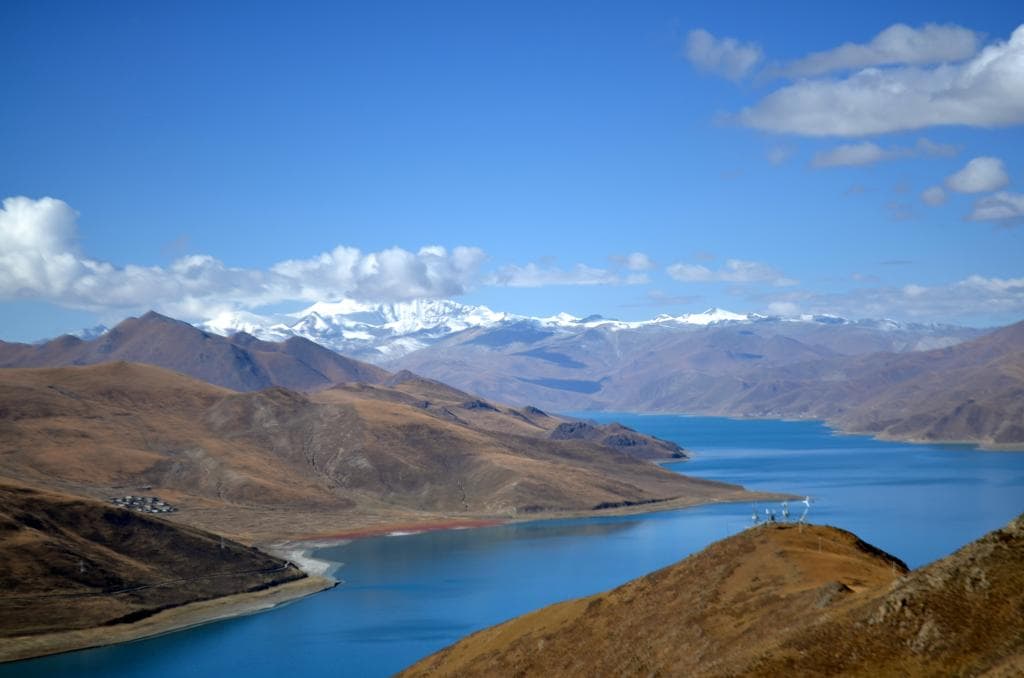
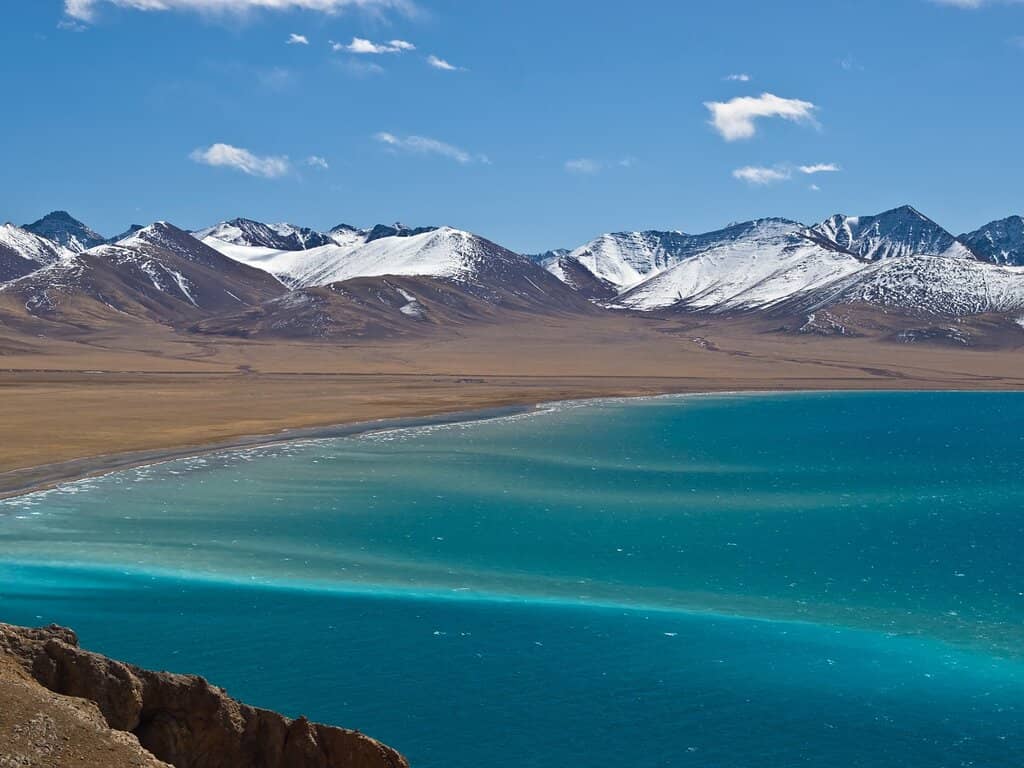
Namtso Lake, Tibet's 'Heavenly Lake,' offers breathtaking azure waters against snow-capped peaks at an astonishing altitude.
Highlights
Must-see attractions

Social
From TikTok & Reddit
Best Time
Frozen lake, snowy landscapes
Namtso Lake
Best Time
Frozen lake, snowy landscapes
Highlights
Must-see attractions
Namtso Lake, Tibet's 'Heavenly Lake,' offers breathtaking azure waters against snow-capped peaks at an astonishing altitude.
"The 'Heavenly Jade' left behind by fairies - Namtso Lake is a true wonder!"
🧥 Dress in Layers
It's cold and windy! Pack thermal wear, a windproof jacket, hat, and gloves.
💧 Stay Hydrated
Drink plenty of warm water to help with altitude and stay comfortable.
Quick Facts
Rating
4.6 · 110 reviews
Type
Natural Feature
Address
Highlights
Discover the most iconic attractions and experiences
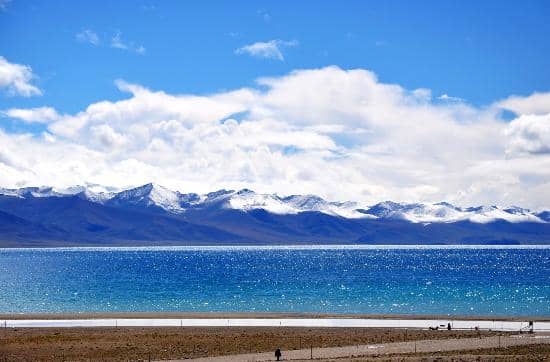
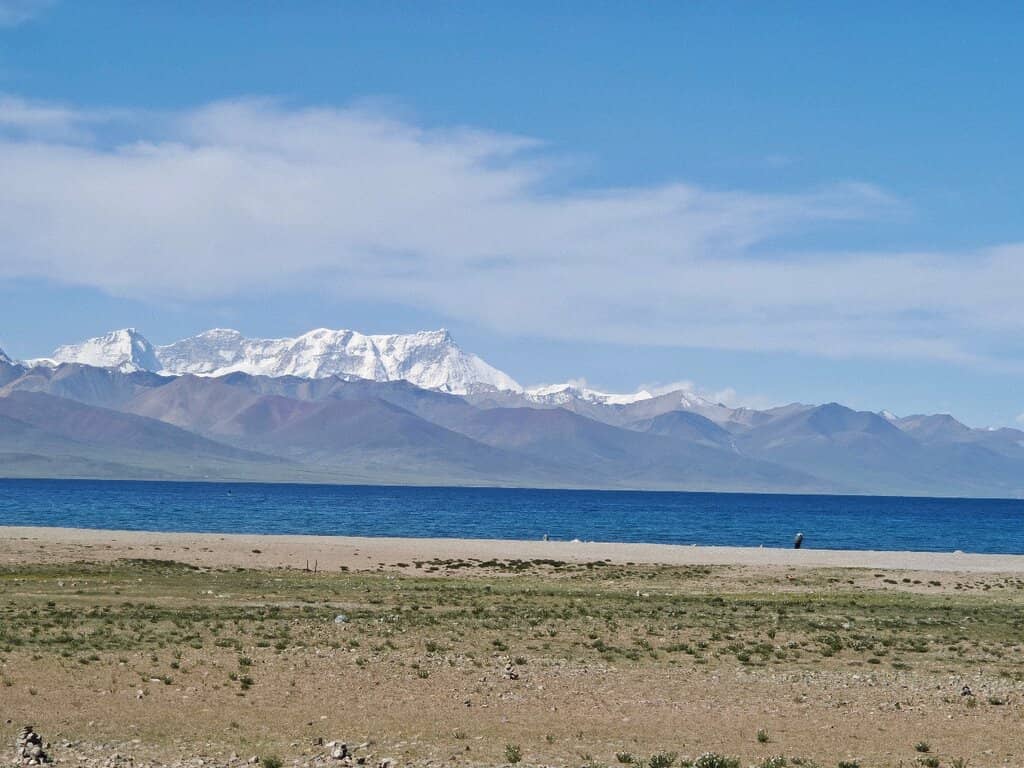
Azure Waters and Snow-Capped Peaks
The main viewing area
Experience the breathtaking contrast of deep blue waters against majestic, snow-dusted mountains. A true feast for the eyes.
 +1
Starry Nights Above the Lake
Overnight stays near the lake
Witness the Milky Way spill across the sky, far from city lights. A magical, soul-stirring celestial display.
Nomadic Encounters
Around the lake perimeter
Spot local nomads and their yaks, adding a touch of authentic Tibetan life to the stunning natural landscape.
Plans like a pro.
Thinks like you
Planning Your Visit
Altitude Awareness is Key
Sacred Site, Respectful Visit
Best Times
Insider Tips
from TikTok, Instagram & Reddit
🧥 Dress in Layers
It's cold and windy! Pack thermal wear, a windproof jacket, hat, and gloves.
💧 Stay Hydrated
Drink plenty of warm water to help with altitude and stay comfortable.
🚗 Bumpy Road Ahead
The road to Namtso can be rough. Consider motion sickness medication.
🚶 Pace Yourself
Climbing hills at high altitude requires slow, steady movement to avoid headaches.
Tips
from all over the internet
🧥 Dress in Layers
It's cold and windy! Pack thermal wear, a windproof jacket, hat, and gloves.
💧 Stay Hydrated
Drink plenty of warm water to help with altitude and stay comfortable.
🚗 Bumpy Road Ahead
The road to Namtso can be rough. Consider motion sickness medication.
🚶 Pace Yourself
Climbing hills at high altitude requires slow, steady movement to avoid headaches.
📸 Capture the Magic
The 'Heavenly Jade' offers incredible photo ops. Don't forget your camera!
What Travellers Say
Reviews Summary
Visitors consistently praise Namtso Lake's breathtaking beauty, describing it as a surreal and profound experience. The stunning turquoise waters against snow-capped mountains are a major draw, and many find the starry night sky unforgettable. However, the extreme altitude, cold, and windy conditions require significant preparation and can be challenging for some.
"Very nice and windy
Nature is large and This salt lake is the largest lake in the Tibet Autonomous Region.
You can look to the mountains from lake with the beauty of nature."
lam tuongminh
"Visiting this lake is completely worth the long trip and enduring the altitude , cold and windy conditions. We visited in late January - the edges
Of the lake were frozen but the rest displayed wonderful turquoise colors. The lake is surrounded by naked mountains making a surreal impression.
In spite of the altitude you see wildlife: birds, fish and then some Yak.
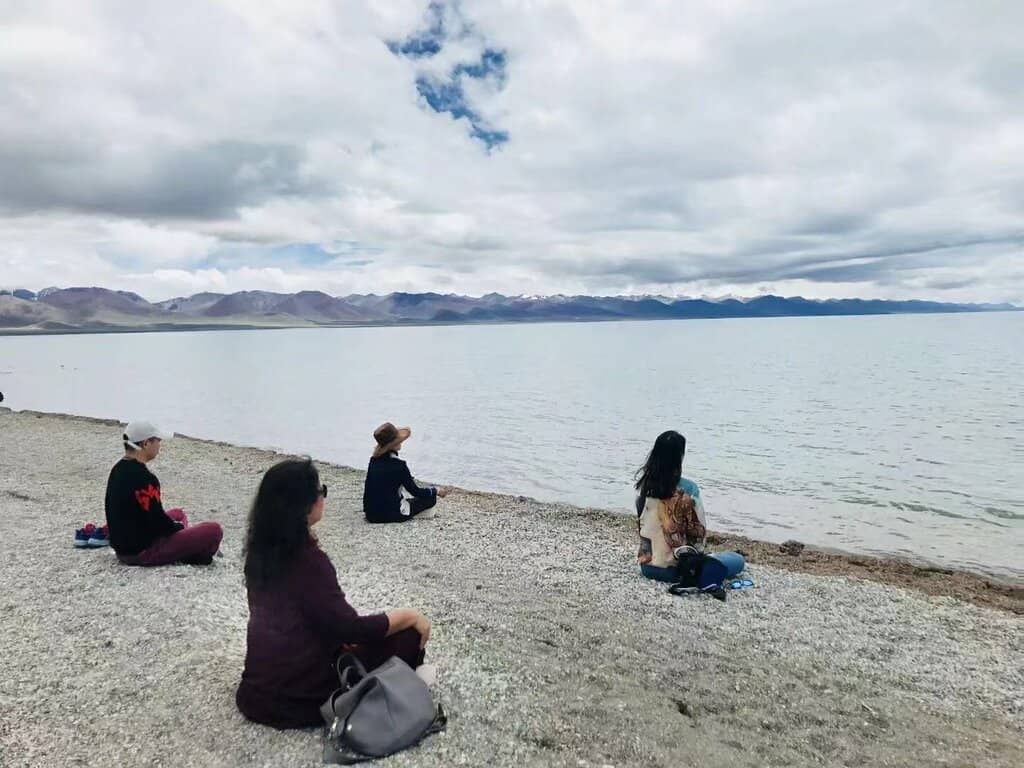
Private vehicles aren’t allowed to drive around the lake as this is a sacred and protected area so you need to take a bus from the arrival facility. The bus takes you to an small peninsula where you can walk by the lake side.
Some nomad families are established around the area.
Stunning."
Raúl Camba
"I was lucky to visit the lake in late April when the lake was still frozen and snow was everywhere. It was a bit cloudy but as you can see in the pictures, everything was in white. Snowy mountain is masterpiece. It’s cold, high and windy so make sure you dress layers and bring enough hot water. Oxygen is not a must but highly recommended in case you want to have a walk around the lake."
Truc Nguyen
What People Like
What People Dislike
Frequently Asked Questions
🚇 🗺️ Getting There
Most visitors travel from Lhasa to Namtso Lake via organized tours or private vehicles. The journey takes several hours and involves crossing the La Ghen La pass, which is over 5,190 meters. The road can be bumpy, so motion sickness medication is recommended.
No, private vehicles are generally not allowed to drive directly around the lake as it's a protected and sacred area. You'll typically use a shuttle bus from the arrival facility to reach viewing points.
Yes, it's a popular day trip, but it's a long one. Many travelers opt for an overnight stay to fully appreciate the lake and its surroundings, especially for stargazing.
The road can be quite bumpy and unpaved in sections, especially closer to the lake. It's advisable to be prepared for a rough ride.
While direct public buses are rare, many tour operators offer group tours from Lhasa, which is the most common and convenient way for tourists to access the lake.
🎫 🎫 Tickets & Entry
Yes, as with most of Tibet, you will need a Tibet Travel Permit. This is usually arranged by your tour operator when booking your trip.
There is an entrance fee for Namtso Lake, which is typically included in tour packages. It's best to confirm the exact cost with your tour provider.
Namtso Lake is generally accessible during daylight hours. However, access can be affected by weather conditions, especially in winter. Overnight stays are possible in designated areas.
Entrance fees are usually handled as part of a tour package. If traveling independently (which requires special permits), confirm ticketing procedures in advance.
Yes, private vehicles are restricted, and you must use designated shuttle buses. It's also a sacred site, so respectful behavior is expected.
🎫 🏞️ Onsite Experience
Namtso Lake is situated at an impressive altitude of 4,718 meters (15,479 feet) above sea level.
It's consistently cold, windy, and can be harsh. Even in summer, temperatures can be below 10°C. Snow is common, especially in winter.
You might spot birds, fish, and yaks. Seagulls are also a common sight gracefully soaring over the water.
You can walk along the shores from the shuttle bus drop-off point. Climbing the hill next to the carpark is possible but requires slow movement due to the altitude.
Yes, the lake often freezes over in winter, typically from late January to April, creating a stunning white landscape.
📸 📸 Photography
The main viewing area offers panoramic views of the lake and mountains. The small peninsula provides excellent vantage points. For starry nights, find a spot away from any light sources.
Sunrise and sunset can offer beautiful light, but the midday sun often highlights the lake's vibrant turquoise color. Clear days are best for mountain views.
A standard camera or smartphone is sufficient. However, a wide-angle lens can be useful for capturing the vastness of the landscape.
Generally, no, but always be respectful of the sacred nature of the site and any local customs.
Drone usage may be restricted due to the sensitive nature of the area and potential interference with local life or wildlife. Check local regulations before flying.


Social
from TikTok, Instagram & Reddit