
Nanchang Museum
Nanchang Museum offers a journey through ancient Han Dynasty wonders and modern revolutionary history, with impressive collections and free entry to m...
Highlights
Must-see attractions

Social
From TikTok & Reddit
Best Time
Fewer crowds, better viewing
Nanchang Museum
Best Time
Fewer crowds, better viewing
Highlights
Must-see attractions
Nanchang Museum offers a journey through ancient Han Dynasty wonders and modern revolutionary history, with impressive collections and free entry to many sites.
"Explore ancient Han Dynasty treasures and revolutionary history at Nanchang's museums, many with free admission!"

Free Admission Alert! 🎟️
Many Nanchang museums, like the Jiangxi Art Museum, offer free admission. Always check beforehand!
Han Dynasty Treasures 💎
Don't miss the Haihunhou State Ruins Museum for incredible Han Dynasty artifacts and history.

Quick Facts
Rating
5 · 2 reviews
Type
Museum
Highlights
Discover the most iconic attractions and experiences
Haihunhou State Ruins Museum
Nanchang
Explore the tomb of Marquis of Haihun, Liu He, offering a glimpse into Han Dynasty life and artifacts.
Museum of August 1 Nanchang Uprising
Nanchang
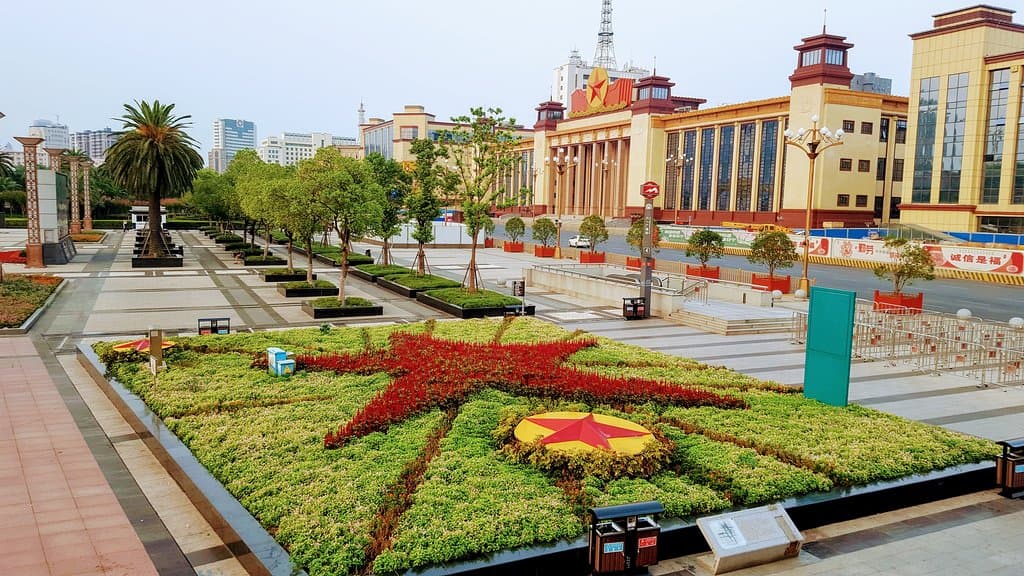
Witness the fusion of light, shadow, and architecture with a stunning light show at this historical museum.

Dunhuang-themed Exhibition
Jiangxi Art Museum, Nanchang
Immerse yourself in the world of Dunhuang murals with a replica of Mogao Cave No. 328.
Plans like a pro.
Thinks like you
Planning Your Visit
Plan Your Nanchang Museum Visit
Navigating Nanchang's Museums
Best Times
Insider Tips
from TikTok, Instagram & Reddit
Free Admission Alert! 🎟️
Many Nanchang museums, like the Jiangxi Art Museum, offer free admission. Always check beforehand!
Han Dynasty Treasures 💎
Don't miss the Haihunhou State Ruins Museum for incredible Han Dynasty artifacts and history.
Revolutionary History :flag-cn:
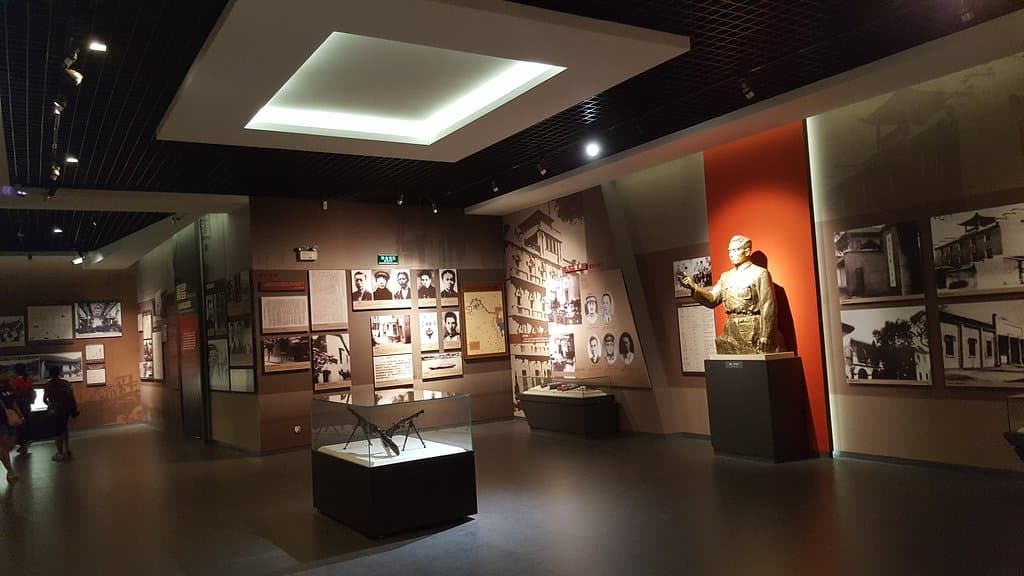
The Museum of August 1 Nanchang Uprising provides a powerful look at China's revolutionary past.
Plan Your Museum Hopping 🚌
Nanchang has multiple key museums; group them geographically to save travel time.
Tips
from all over the internet
Free Admission Alert! 🎟️
Many Nanchang museums, like the Jiangxi Art Museum, offer free admission. Always check beforehand!
Han Dynasty Treasures 💎
Don't miss the Haihunhou State Ruins Museum for incredible Han Dynasty artifacts and history.
Revolutionary History :flag-cn:
The Museum of August 1 Nanchang Uprising provides a powerful look at China's revolutionary past.
Plan Your Museum Hopping 🚌
Nanchang has multiple key museums; group them geographically to save travel time.
What Travellers Say
Reviews Summary
Nanchang's museums are highly praised for their historical significance and impressive collections, particularly the Haihunhou State Ruins Museum and the August 1 Uprising Museum. Visitors appreciate the free admission to many sites and the educational value they offer. Some find the sheer volume of information overwhelming, and English translations can be sparse.
"Nanchang Museum is located in Nanchang, Jiangxi Province. It has two exhibition halls, one located at Guanying Tower and the other at Shengjin Pagoda Thousand Buddha Temple. The total building area of Nanchang Museum is 4,200 square meters, and the exhibition hall area is about 1,600 square meters. The Guanying Tower exhibition hall is located next to the Xianghu Scenic Area. [1] It is divided into three parts: the East Hall, the Middle Hall, and the West Hall. [2] Nanchang Museum was established in 1984. It is a comprehensive geographical museum and a public institution with a staff of 23 people. It has four departments: the Preservation Department, the Office, the Security Department, and the Shengjin Pagoda Cultural Relics Management Office. Since its establishment, it has collected cultural relics through various channels and has a collection of more than 5,000 cultural relics. [3] After appraisal by the Jiangxi Provincial Cultural Relics Appraisal Group, 7 first-class cultural relics, 68 second-class cultural relics, and more than 400 third-class cultural relics were recommended. As of 2012, the Nanchang Museum's Guanying Tower exhibition hall spans three floors, with the first floor covering approximately 1,600 square meters. The exhibition is divided into five sections, chronologically arranged: "Strangling the Jing and Huai Rivers, Protecting Wu and Yue"; "Prosperity in the South, Flourishing the Southern Frontier"; "Metropolis of Jiangnan, Flourishing Literary Style"; "Enfeoffed as a vassal in Nanchang, the Ning Prefecture's Wealth"; and "Eminent Qing Dynasty Officials, Recorded in History." The exhibition showcases the development of Nanchang since its founding, primarily through the museum's collection of fine cultural relics, supplemented by images, models, and sand tables. The Shengjin Pagoda and Thousand Buddha Temple exhibition hall features exhibitions such as "Photo Exhibition of Cultural Relics Excavated from the Underground Palace and Pagoda Finest" and "Photo Exhibition of the Song of Righteousness of China." To meet visitors' thirst for historical and cultural knowledge, the Nanchang Museum will actively engage in inter-museum exchanges and host various thematic temporary exhibitions."
Edward Liu
"There are many cultural relics and exhibits"
Lin Wenny
What People Like
What People Dislike
Frequently Asked Questions
🚇 🗺️ Getting There
Nanchang Museum has multiple locations. The Guanying Tower exhibition hall is near Xianghu Scenic Area, accessible by bus or taxi. The Shengjin Pagoda exhibition hall is in the city center. Public transport is generally efficient in Nanchang.
Yes, the main Nanchang Museum sites are well-marked. For specific exhibitions like the Dunhuang-themed one, check the Jiangxi Art Museum's location.
Taxis and ride-sharing apps are readily available. For shorter distances, consider local buses or even walking if attractions are clustered.
Yes, Nanchang has implemented a 240-hour visa-free transit policy, making it more accessible for international travelers.
🎫 🎫 Tickets & Entry
Many museums in Nanchang, including the Jiangxi Art Museum for its Dunhuang exhibition, offer free admission.
Opening hours can vary between different exhibition halls and temporary exhibits. It's recommended to check the official website or local listings for the most up-to-date information.
For free admission sites, online booking is usually not required. For special exhibitions or museums with entry fees, online booking might be available or recommended, especially during peak seasons.
While many Nanchang museums are free, it's advisable to confirm the admission policy for the Haihunhou State Ruins Museum, as it houses significant historical artifacts.
Information on discounts is not widely publicized, but free admission for many sites is a significant benefit. Check with individual museums for any potential concessions.
🎫 🏛️ Onsite Experience
Key exhibits include the Han Dynasty artifacts at the Haihunhou State Ruins Museum,
Depending on your interest, you could spend 2-3 hours at a single museum like Haihunhou, or dedicate a full day to explore multiple sites in Nanchang.
Yes, museums like the Haihunhou State Ruins Museum can be educational for older children interested in history. The light show at the August 1 Uprising Museum is also visually engaging.
Information on guided tours is not always readily available. However, many exhibits are well-explained with signage, and some international visitors have shared their experiences.
Photography policies vary. Generally, flash photography is prohibited. Check for specific signage within each exhibition hall.
🍽️ 🍽️ Food & Dining
The Shengli Lu Road area is known for its food options, including local specialties like hotpot and Peking duck.
Don't miss trying Nanchang's famous hotpot
Typically, museums do not have full-service restaurants, but they might have cafes or snack bars. It's best to dine before or after your visit.
While Nanchang cuisine features many meat dishes, you can often find vegetarian options like stir-fried vegetables or tofu dishes in local restaurants.
📸 📸 Photography
The light show at the Museum of August 1 Nanchang Uprising is a prime spot for dramatic photos.
Drone usage is generally restricted in and around cultural heritage sites and museums due to privacy and security concerns. It's best to avoid flying drones.
Visitors often photograph the intricate artifacts and the scale of the tomb site, capturing the essence of the Han Dynasty.
Yes, flash photography is typically prohibited to protect the exhibits. Always look for signage indicating photography rules.

Social
from TikTok, Instagram & Reddit