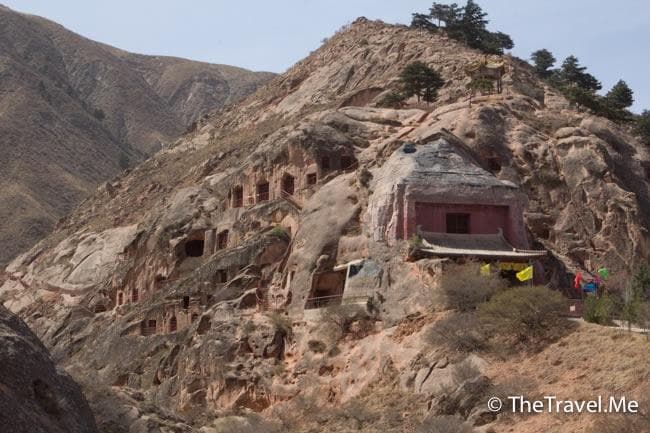
Qixia Temple Nanjing
A renowned scenic area famous for its vibrant autumn maple leaves and ancient Buddhist temple, offering stunning natural beauty and cultural heritage.

Highlights
Must-see attractions

Social
From TikTok & Reddit
Best Time
Peak autumn foliage
Qixia Temple Nanjing
Best Time
Peak autumn foliage
Highlights
Must-see attractions
A renowned scenic area famous for its vibrant autumn maple leaves and ancient Buddhist temple, offering stunning natural beauty and cultural heritage.
"Qixia Mountain's autumn foliage is breathtaking, a must-see for nature lovers and photographers alike."
🚶♀️ Walk Downhill
Save money and enjoy the autumn leaves more by walking downhill instead of taking the electric car.
🍁 Peak Fall Colors
Visit in late October for the most vibrant maple foliage; mid-November might be too late.
Quick Facts
Hours
Rating
4.5 · 91 reviews
Type
Tourist Attraction
Highlights
Discover the most iconic attractions and experiences
Qixia Temple
Center of the scenic area
An ancient Buddhist temple nestled amidst stunning natural beauty, offering a serene spiritual experience.
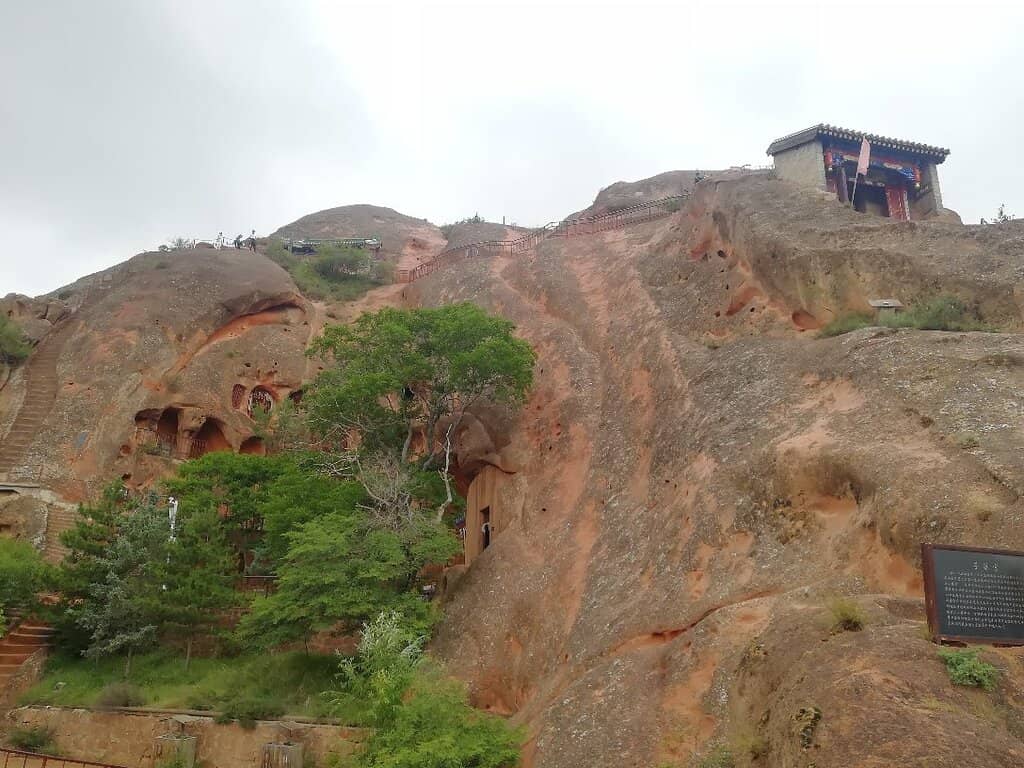
Autumn Maple Foliage
Qixia Mountain slopes
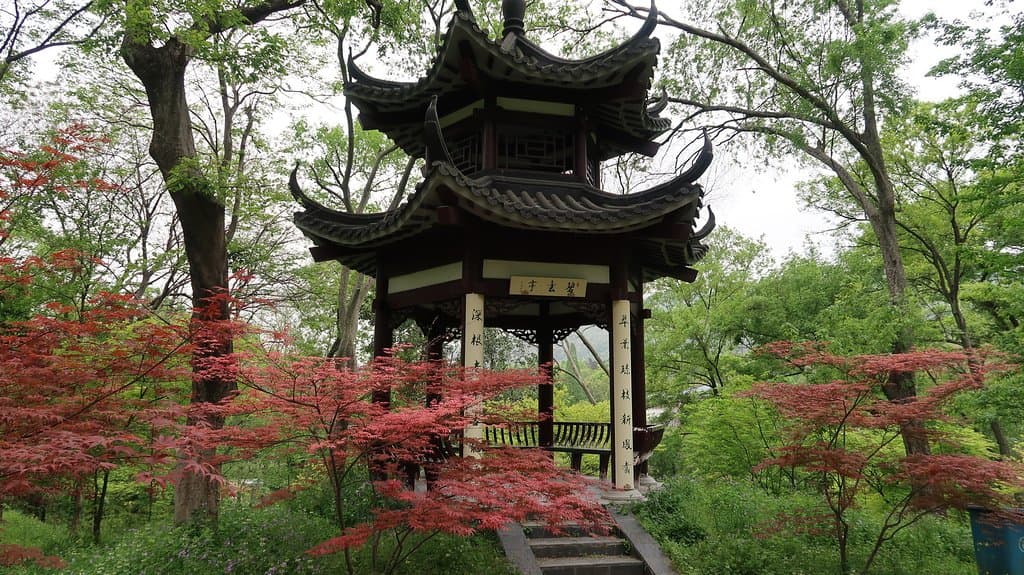
Famous for its brilliant red maple trees, making it one of China's 'Four Great Maple Mountains'.
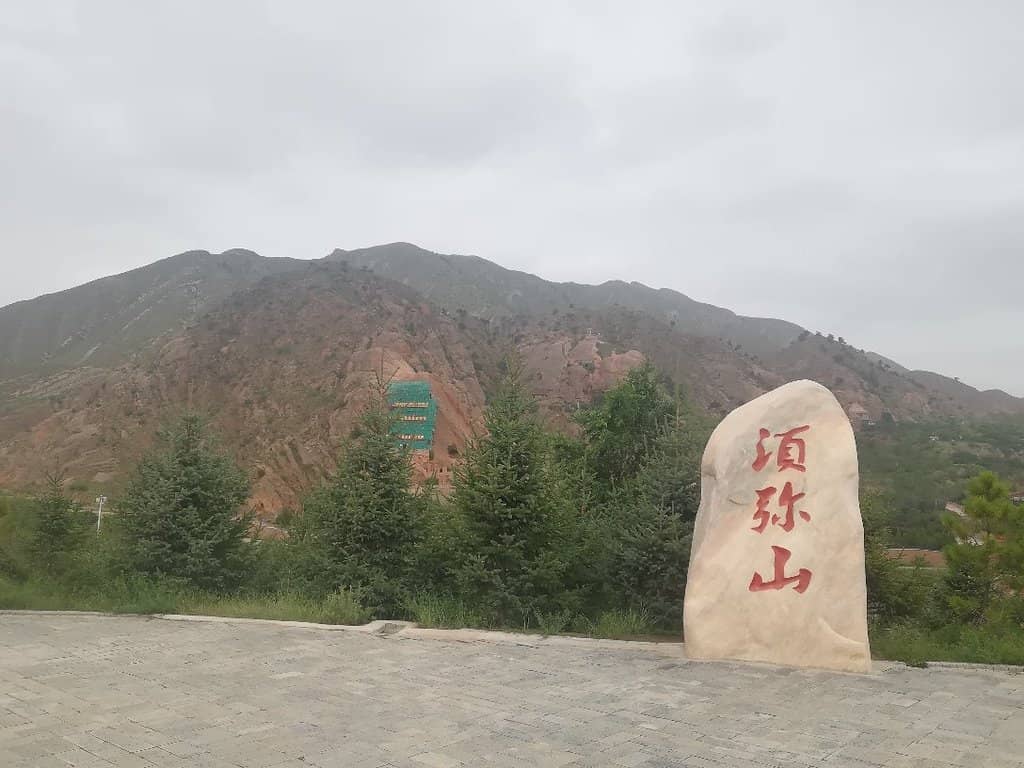
Yangtze River Viewpoint
Top of Qixia Mountain
Panoramic views of the mighty Yangtze River and the iconic Nanjing Bridge await at the summit.
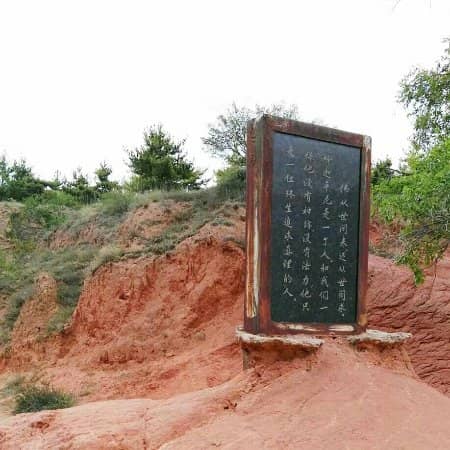
Spring Flower Garden
Around Qixia Temple
A beautiful garden that bursts into color during spring, offering a different kind of natural charm.
Plans like a pro.
Thinks like you
Planning Your Visit
Timing Your Autumn Visit
Navigating Qixia Mountain
Best Times
Insider Tips
from TikTok, Instagram & Reddit
🚶♀️ Walk Downhill
Save money and enjoy the autumn leaves more by walking downhill instead of taking the electric car.
🍁 Peak Fall Colors
Visit in late October for the most vibrant maple foliage; mid-November might be too late.
🌸 Spring Blooms
Enjoy the temple's surrounding flower garden in full bloom during the spring season.
🏞️ Summit Views
Hike to the top for breathtaking views of the Yangtze River and Nanjing Bridge.
Tips
from all over the internet
🚶♀️ Walk Downhill
Save money and enjoy the autumn leaves more by walking downhill instead of taking the electric car.
🍁 Peak Fall Colors
Visit in late October for the most vibrant maple foliage; mid-November might be too late.
🌸 Spring Blooms
Enjoy the temple's surrounding flower garden in full bloom during the spring season.
🏞️ Summit Views
Hike to the top for breathtaking views of the Yangtze River and Nanjing Bridge.
🚗 Electric Car Caution
Be wary of electric car pricing; it can be expensive and confusing for multiple rides.
What Travellers Say
Reviews Summary
Visitors consistently praise Qixia Temple and Mountain for its stunning natural beauty, especially the vibrant autumn foliage and serene spring gardens. The ancient temple adds a significant cultural and historical dimension. However, some travelers caution about the expensive and confusing electric car service, recommending walking instead.
"Autumn leaf was not fully expressed yet by mid-November. Be aware of the electric car ripping off, we pay $20 for a 5 minute ride up to 2/3 of the mountain. If you want to go up more. It is consider a return trip to the bottom of the mountain, you have to $10 more to reach the higher point. If you get off, you will have to pay again to ride down. Walking downhill is easy and you can enjoy the autumn leaf better."
Kim Sing Lo
"Very lovely place to visit in spring and autumn Seasons.
Scenic area is centred with a ancient Buddhist temple.
Arround the temple there is a flower garden. Very nice in spring season.
Top of the mountain there is a scenic spot, there you can see the great river of Yangtze and the Nanjing bridge."
Sandaru “Sachin” Yapa
"Autumn is gorgeous"
P Tan
What People Like
What People Dislike
Frequently Asked Questions
🚇 🗺️ Getting There
You can take public transport like buses or metro to reach Qixia Temple. Bus routes like 206 or 207 are common options. Taxis or ride-sharing services are also available, offering a more direct but potentially pricier route.
Yes, Qixia Temple is well-connected by public transport. Several bus lines serve the area, making it a convenient destination for visitors relying on public transit.
For a scenic journey, consider taking a bus. If you prefer convenience, a taxi or ride-sharing app will get you there directly. Some visitors opt for a combination, using public transport to get close and then a short taxi ride.
Yes, parking is generally available at Qixia Temple and the surrounding scenic area, which is helpful if you're driving your own vehicle.
Qixia Temple is located approximately 22 kilometers northeast of Nanjing city center, making it a feasible day trip.
🎫 🎫 Tickets & Entry
Yes, there is an admission fee for the Qixia Scenic Area, which includes access to Qixia Temple and the mountain.
Opening hours can vary seasonally, but generally, the scenic area is open from early morning until late afternoon. It's advisable to check the latest hours before your visit.
Discounts may be available for students, seniors, or children. It's best to inquire at the ticket counter or check the official website for current discount policies.
While tickets are available at the entrance, purchasing them online in advance might be an option through official ticketing platforms or travel agencies, potentially saving time.
The entrance fee typically covers access to the main scenic spots within Qixia Mountain, including the temple, gardens, and viewpoints.
🎫 🏞️ Onsite Experience
Don't miss the ancient Qixia Temple itself, the vibrant maple trees (especially in autumn), the flower gardens in spring, and the panoramic views from the top of Qixia Mountain overlooking the Yangtze River.
Yes, Qixia Mountain offers various trails suitable for hiking. You can choose shorter walks or more challenging routes to explore the natural scenery.
For the most spectacular autumn foliage, aim for late October to early November. Mid-November might still offer beautiful colors, but peak vibrancy can pass quickly.
Yes, there are restrooms and rest areas available throughout the scenic area, especially near major attractions and trailheads.
Many visitors find the electric car service overpriced and confusing. Walking downhill is often recommended to better appreciate the scenery and save money.
📸 📸 Photography
The ancient temple architecture, the vibrant autumn maple leaves, the spring flower gardens, and the panoramic views from the mountain summit are all prime photography locations.
Early morning or late afternoon often provide the best lighting for photography, with softer light and fewer crowds. Golden hour can be particularly magical.
Drone usage is typically restricted in scenic areas and near temples. It's best to check local regulations or inquire on-site before flying a drone.
A versatile lens (like a 24-70mm) is great for landscapes and temple details. A wide-angle lens can capture the expansive views from the summit, and a telephoto can isolate details.
Photography is usually permitted in most outdoor areas and the temple grounds, but check for any specific 'no photo' signs inside certain halls or religious areas.


Social
from TikTok, Instagram & Reddit