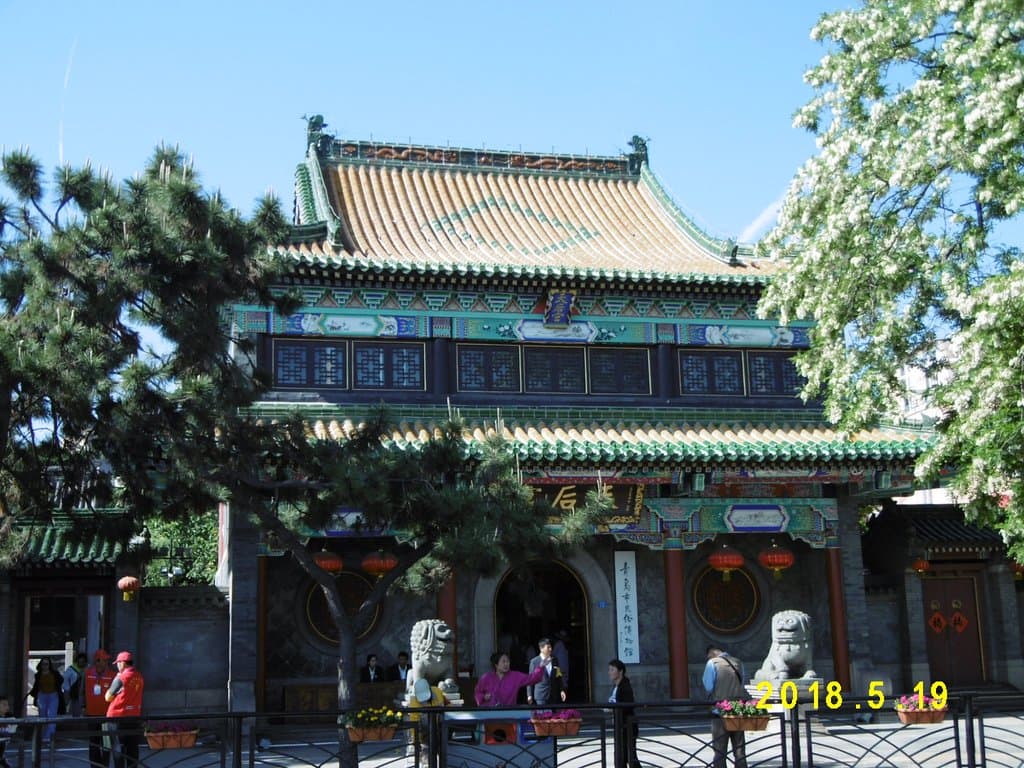
Shidao Tianhou Palace Mazu Temple
Qingdao's oldest surviving ancient building, a historic Mazu temple showcasing Ming & Qing dynasty architecture and maritime heritage.
Highlights
Must-see attractions

Social
From TikTok & Reddit
Best Time
Fewer crowds, peaceful atmosphere
Shidao Tianhou Palace Mazu Temple
Best Time
Fewer crowds, peaceful atmosphere
Highlights
Must-see attractions
Qingdao's oldest surviving ancient building, a historic Mazu temple showcasing Ming & Qing dynasty architecture and maritime heritage.
"A beautiful place to visit in Qingdao everyone. "
Free Entry, But Register
Entry is free, but you must register your details. :memo:
Compact Interior
The temple is not very spacious, so expect a short visit. :stopwatch:
Highlights
Discover the most iconic attractions and experiences
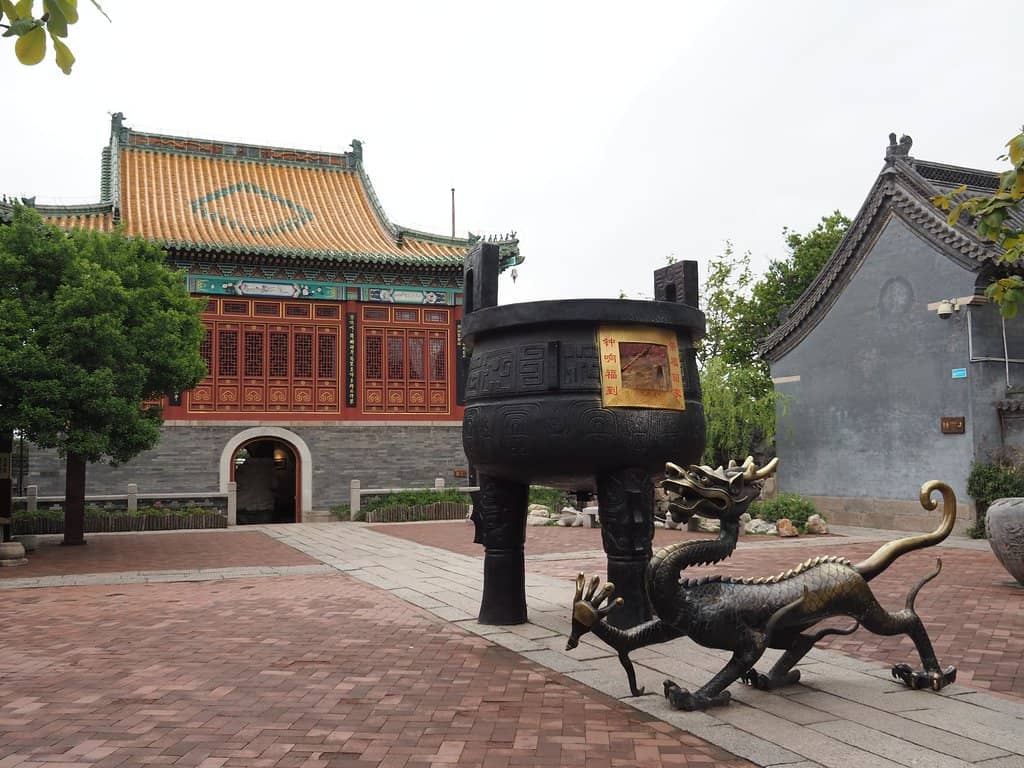
Main Hall of the Queen of Heaven
Central Courtyard
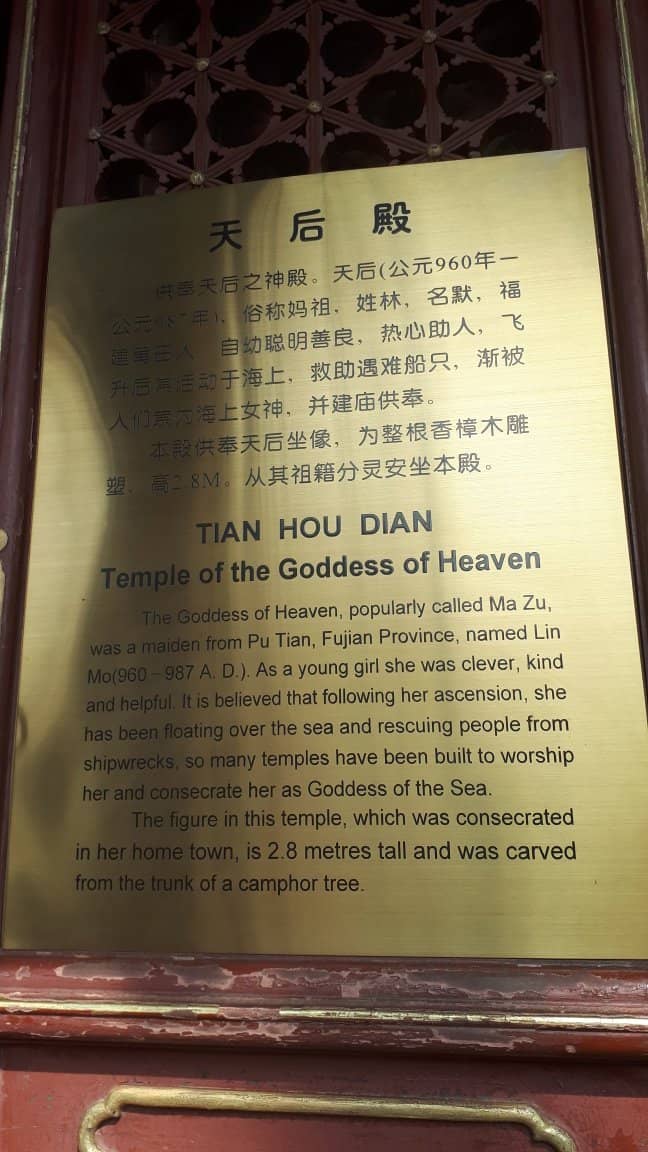
Admire the 2.8-meter Mazu statue and learn about this important sea deity.
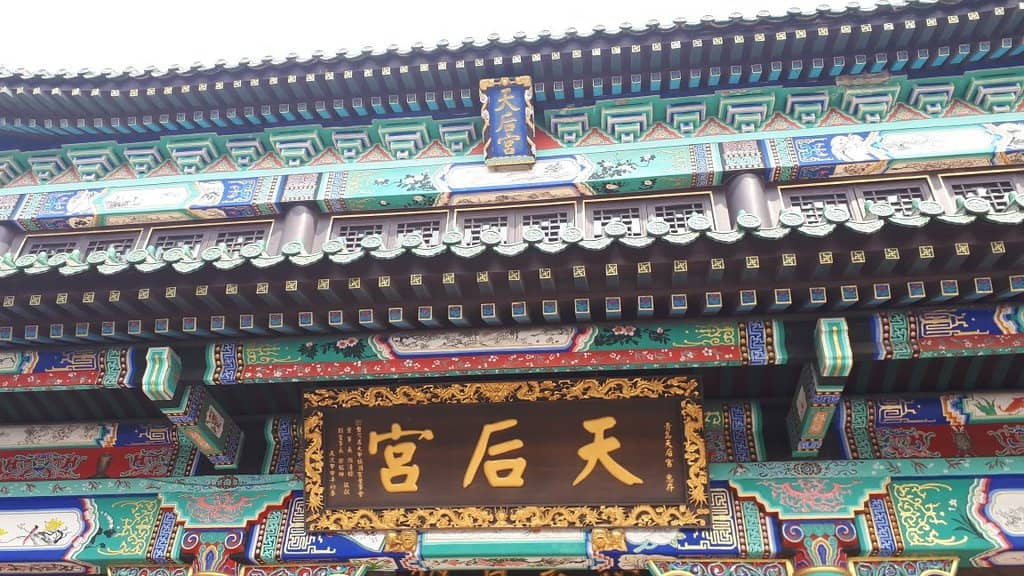
Grand Theater
Taiping Road Entrance
A historic two-story pavilion that once hosted opera performances and temple fairs.
Ancient Osmanthus Trees
Second Courtyard
These fragrant trees, dating back centuries, add to the temple's serene atmosphere.
Plans like a pro.
Thinks like you
Planning Your Visit
Visitor Registration Required
Historical Significance
Best Times
Insider Tips
from TikTok, Instagram & Reddit
Free Entry, But Register
Entry is free, but you must register your details. :memo:
Compact Interior
The temple is not very spacious, so expect a short visit. :stopwatch:
Historical Architecture
Appreciate the Ming and Qing dynasty architectural styles. :classical_building:
Scenic Views
Enjoy pleasant views from the temple grounds. :camerawithflash:
Tips
from all over the internet
Free Entry, But Register
Entry is free, but you must register your details. :memo:
Compact Interior
The temple is not very spacious, so expect a short visit. :stopwatch:
Historical Architecture
Appreciate the Ming and Qing dynasty architectural styles. :classical_building:
Scenic Views
Enjoy pleasant views from the temple grounds. :camerawithflash:
What Travellers Say
Reviews Summary
Visitors find the Shidao Tianhou Palace Mazu Temple to be a free, historically significant site offering a glimpse into Qingdao's maritime past. While the interior is compact, the well-preserved Ming and Qing dynasty architecture and the serene atmosphere are appreciated. Some note that it's a temple like any other, with Lama temples potentially offering a different experience.
"Its good . Temple is a temple . Think Lama is better ."
Brendan wall
"Nice view from here."
Richard Lin
"It's free to enter, but you have to write your name, ID number, and phone number.
The inside isn't very spacious, so you probably won't be able to stay long."
MAKOTO MR.
What People Like
What People Dislike
Frequently Asked Questions
🚇 🗺️ Getting There
The temple is located at No. 19, Taiping Road, Shinan District, Qingdao City. You can reach it by local bus or taxi. It's a historic site within the urban area, making it accessible.
Information on dedicated parking is scarce, but taxis and ride-sharing services are readily available for drop-off and pick-up.
Local buses are a convenient and affordable option. Taxis are also readily available for a quicker journey.
🎫 🎫 Tickets & Entry
No, entry to the temple is free. However, visitors are required to register their name, ID number, and phone number upon arrival.
While specific hours aren't always listed, it's generally open during daylight hours. It's best to visit during the day to appreciate the architecture and surroundings.
No advance booking is necessary as entry is free. Just be prepared to provide your registration details.
Yes, the temple is open on weekends, but it might be more crowded. Weekday mornings offer a more serene experience.
🎫 🏛️ Onsite Experience
You can see the main hall dedicated to Mazu, the Grand Theater, ancient osmanthus trees, and historical architectural elements from the Ming and Qing dynasties.
The interior is not very spacious, so most visitors spend about 30-60 minutes exploring the grounds and appreciating the history.
Yes, the historical architecture and serene atmosphere make it a good spot for photography, especially during quieter times.
It's the oldest and only surviving ancient building in Qingdao's urban area, founded in 1467, and played a vital role in the lives of local fishermen and merchants.
The adjacent side chambers house exhibitions related to the Folk Museum, showcasing the culture of the Queen of Heaven, folk crafts, and local customs.
🍽️ 🍽️ Food & Dining
The temple itself does not typically have food vendors. However, there are many dining options available in the surrounding Shinan District of Qingdao.
You'll find a variety of local Qingdao cuisine, seafood, and international options in the nearby commercial areas.
📸 📸 Photography
The Grand Theater, the main hall with the Mazu statue, and the ancient trees in the courtyard offer great photographic opportunities.
Photography is generally allowed on the grounds, but it's always respectful to check for any specific restrictions inside the main hall or sacred areas.
Weekday mornings offer softer light and fewer people, making it ideal for capturing the temple's details.
For Different Travelers
Tailored advice for your travel style
👨👩👧 Families with Kids
Consider visiting on a weekday morning to avoid larger crowds. The ancient trees in the courtyard can also be a point of interest for younger visitors. Remember to register upon entry, which is a simple process that adds a touch of formality to the visit.
📸 Photography Enthusiasts
For the best lighting and fewer distractions, aim for weekday mornings. The soft light will enhance the textures of the ancient buildings. While photography is generally permitted, always be mindful and respectful of worshippers and any specific signage regarding camera use inside sacred areas.
Deep Dives
In-depth insights and expert knowledge
A Glimpse into Qingdao's Maritime History
The temple's architecture itself tells a story of resilience and adaptation. While its origins date back to the Ming Dynasty, the existing structures showcase elements from both the Ming and Qing dynasties, having undergone several renovations and expansions. This layered history is evident in its classical Chinese axial layout, featuring a main hall, side halls, and a historic theater.
Despite facing threats of demolition during periods of foreign occupation and political upheaval, the temple persevered, eventually being restored and opened as the Qingdao Folk Museum. Today, it stands as the oldest and only surviving ancient building in Qingdao's urban area, offering visitors a unique opportunity to connect with the city's past and the enduring traditions of its coastal communities.
Architectural Marvels and Cultural Artifacts
Key features include the Grand Theater, a two-story pavilion that once hosted vibrant opera performances and temple fairs, and the bell and drum towers flanking it. Within the second courtyard lies the main hall, dedicated to Mazu, housing a striking 2.8-meter-tall statue carved from camphor wood. Flanking Mazu are statues of her divine attendants, Clairvoyant and Wind-Ear. The side halls are dedicated to the Dragon King's Palace and the Governor's Treasury Palace, further enriching the temple's spiritual significance.
Adding to its historical value are the two stone tablets from the Qing Dynasty's Tongzhi reign, which record temple renovations and fundraising efforts, providing invaluable insights into Qingdao's past. The temple grounds are also graced by ancient osmanthus trees and ginkgo trees, some said to have been planted during significant renovations, adding a natural beauty to the historical site.




Social
from TikTok, Instagram & Reddit