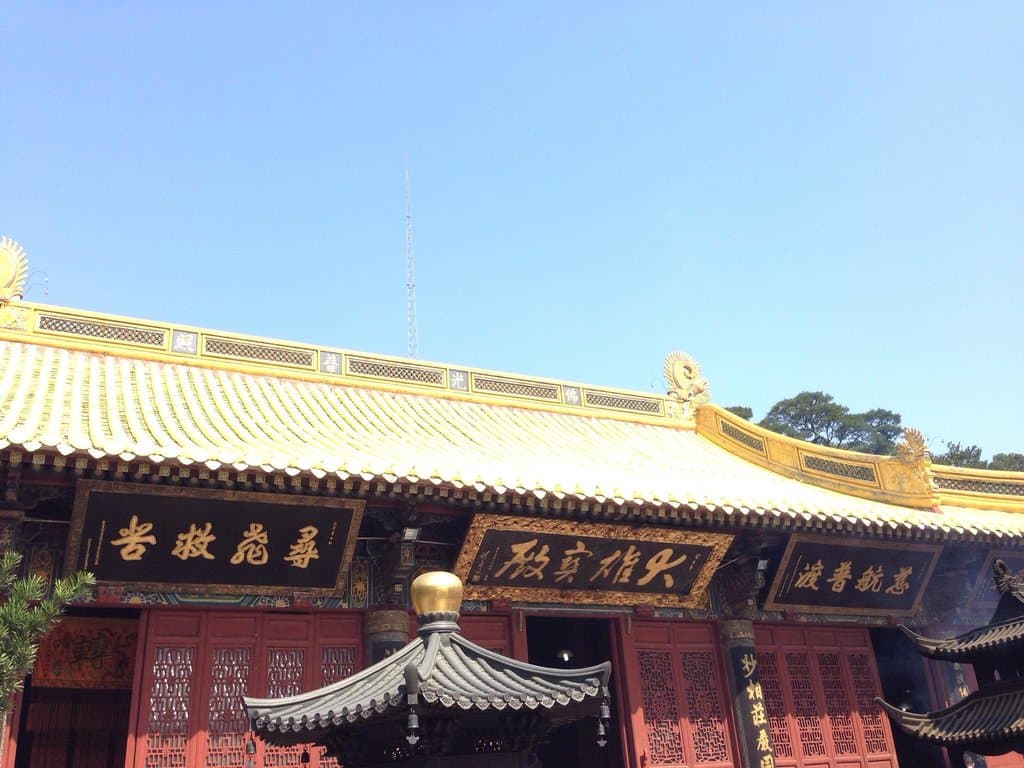
Huiji Temple Foding Mountain
A significant Buddhist monastery on Putuo Mountain, known for its historical halls and serene spiritual atmosphere.
Highlights
Must-see attractions

Social
From TikTok & Reddit
Best Time
Fewer crowds, more peaceful
Huiji Temple Foding Mountain
Best Time
Fewer crowds, more peaceful
Highlights
Must-see attractions
A significant Buddhist monastery on Putuo Mountain, known for its historical halls and serene spiritual atmosphere.
"One of the three major temples of Putuo Mountain, offering a glimpse into deep spiritual heritage."
Wear comfortable shoes
You'll be doing a lot of walking on temple grounds and mountain paths. :athletic_shoe:
Respect temple etiquette
Dress modestly and be mindful of noise levels. 🙏
Quick Facts
Rating
4.4 · 16 reviews
Type
Point of interest
Highlights
Discover the most iconic attractions and experiences
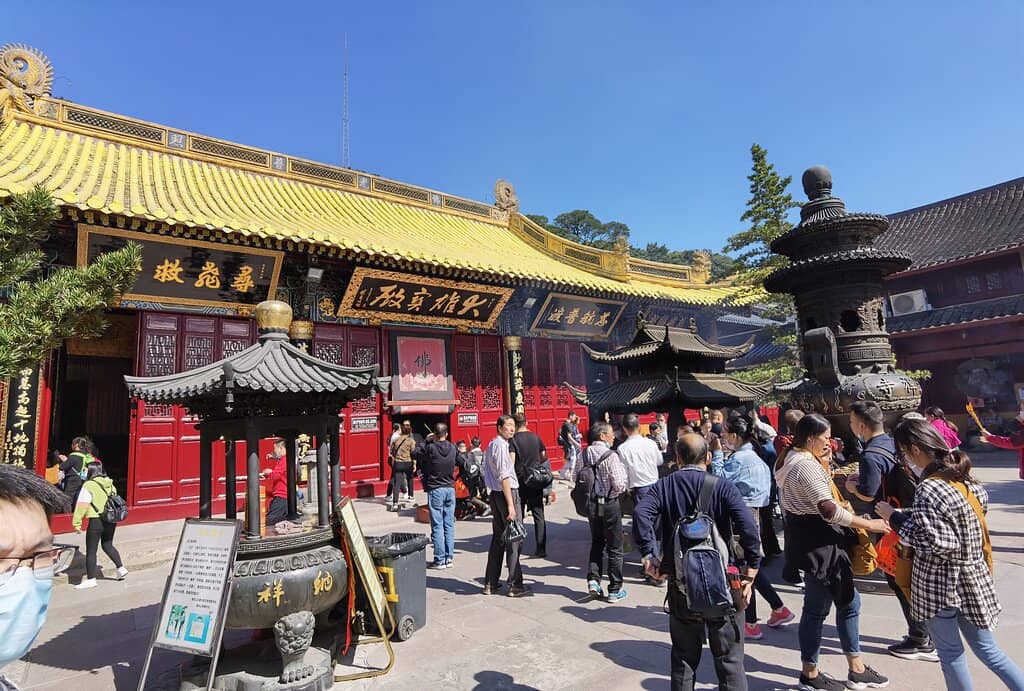
Yuantong Hall
Main Hall
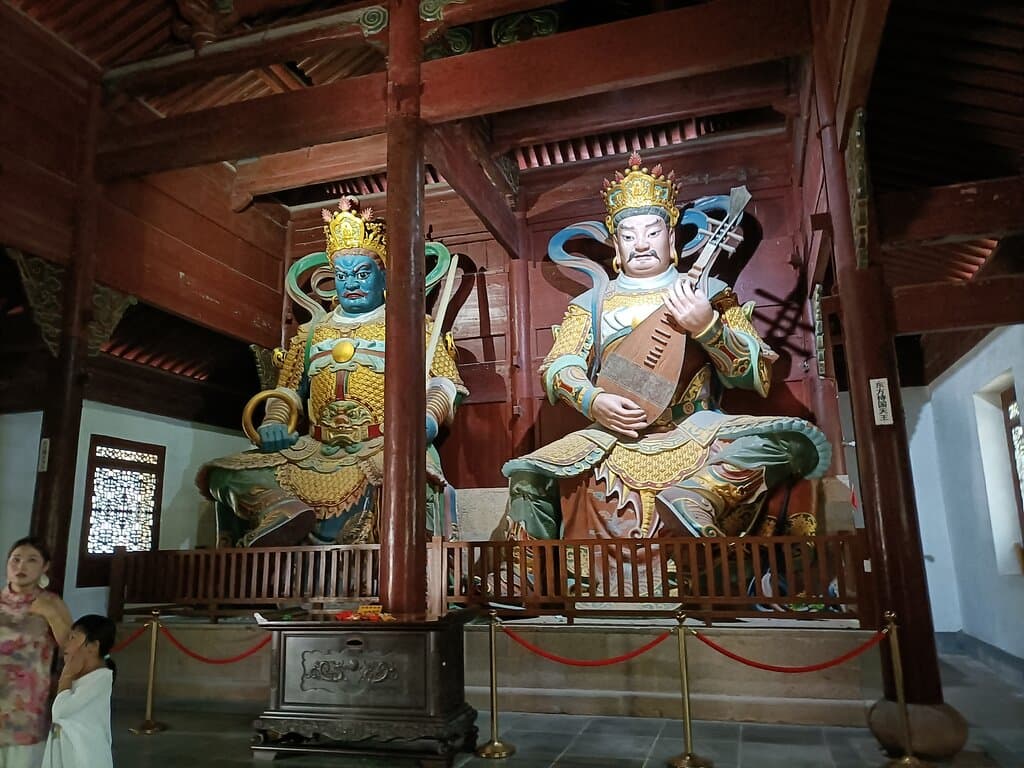
The central hall, dedicated to Guanyin, often features intricate statues and a peaceful ambiance.
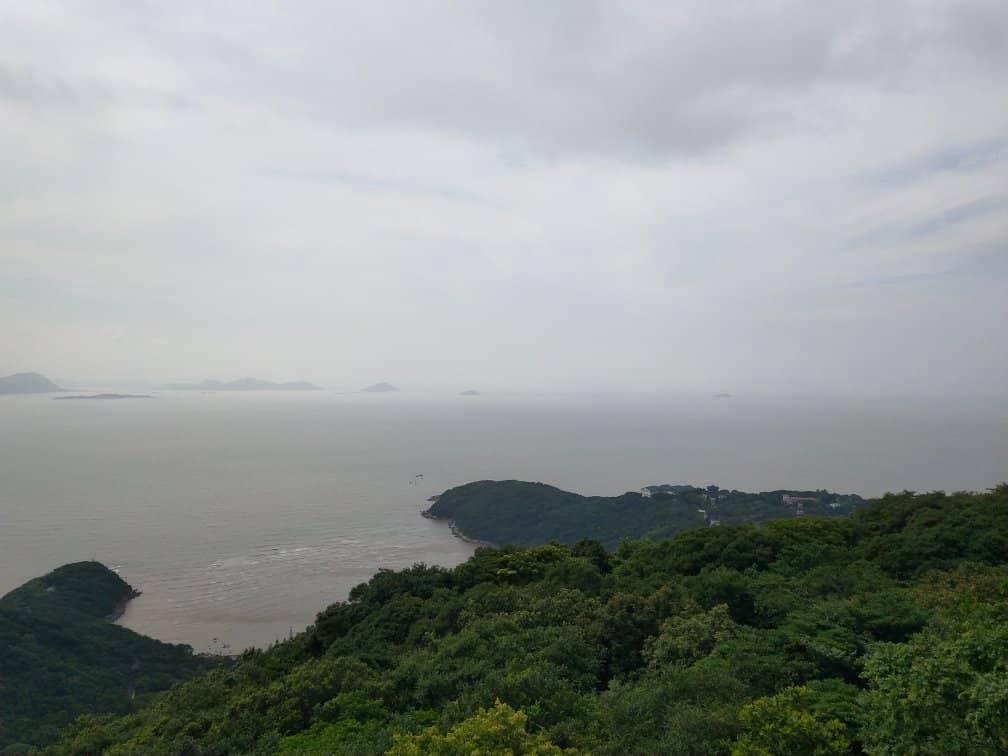
Dabei Tower
Bell Tower
A prominent structure within the temple complex, offering architectural beauty and historical significance.
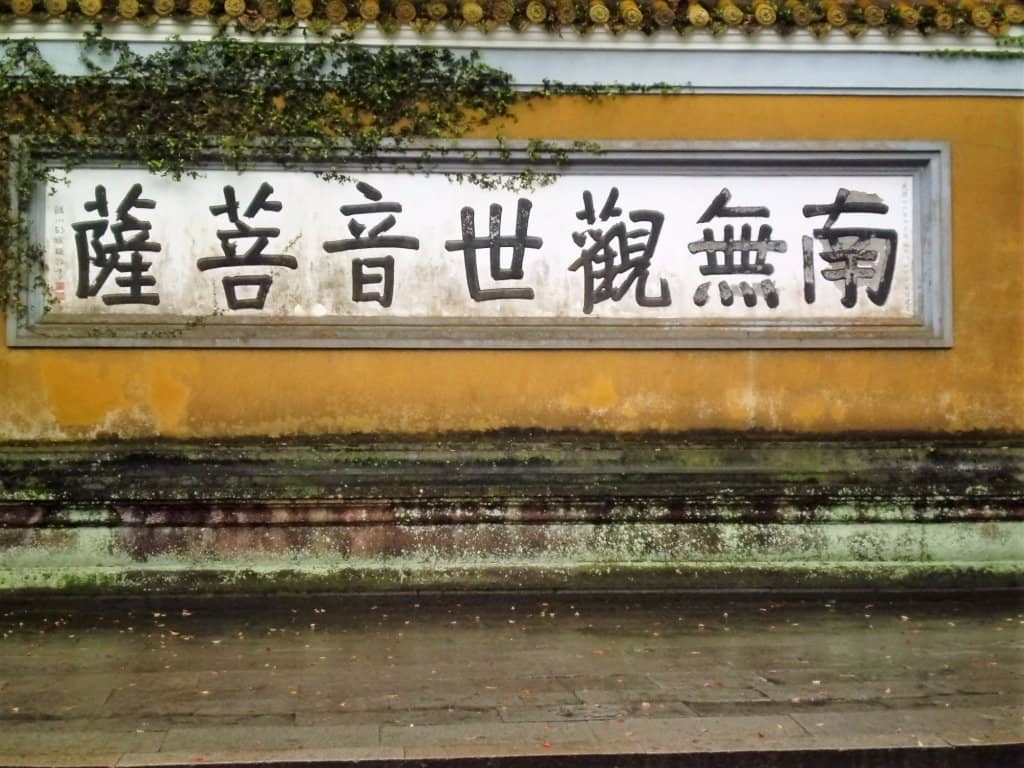
Yuquan Hall
Side Hall
Another important hall within the monastery, contributing to the temple's overall spiritual atmosphere.
Plans like a pro.
Thinks like you
Planning Your Visit
Timing Your Visit to Huiji Temple
Understanding Huiji Temple's Significance
Best Times
Insider Tips
from TikTok, Instagram & Reddit
Wear comfortable shoes
You'll be doing a lot of walking on temple grounds and mountain paths. :athletic_shoe:
Respect temple etiquette
Dress modestly and be mindful of noise levels. 🙏
Allow ample time
Explore the halls, towers, and grounds to fully appreciate the temple's history. :clock1:
Tips
from all over the internet
Wear comfortable shoes
You'll be doing a lot of walking on temple grounds and mountain paths. :athletic_shoe:
Respect temple etiquette
Dress modestly and be mindful of noise levels. 🙏
Allow ample time
Explore the halls, towers, and grounds to fully appreciate the temple's history. :clock1:
What Travellers Say
Reviews Summary
Visitors praise Huiji Temple for its significant religious and historical importance as one of Putuo Mountain's major temples. The serene atmosphere and beautiful architecture, including the Yuantong Hall and Dabei Tower, are frequently highlighted. Some note that it can get crowded, especially during peak times, and recommend visiting early for a more peaceful experience.
"Huiji Temple
Also known as Fodingshan Temple, it is located on Fodingshan Mountain in Putuo Mountain.
Originally a stone pavilion housing Buddha, the Ming Dynasty monk Huiyuan founded Huiji Temple. In the 58th year of the Qianlong reign of the Qing Dynasty, the Yuantong Hall, Yuquan Hall, and Dabei Tower were built, expanding the temple into a monastery. Along with Puji Temple and Fayu Temple, it is considered one of the three major temples of Putuo Mountain."
Yachien Chao
"Very high level of Taoism"
蘇柏華
""
TONY YAN
What People Like
What People Dislike
Frequently Asked Questions
🚇 🗺️ Getting There
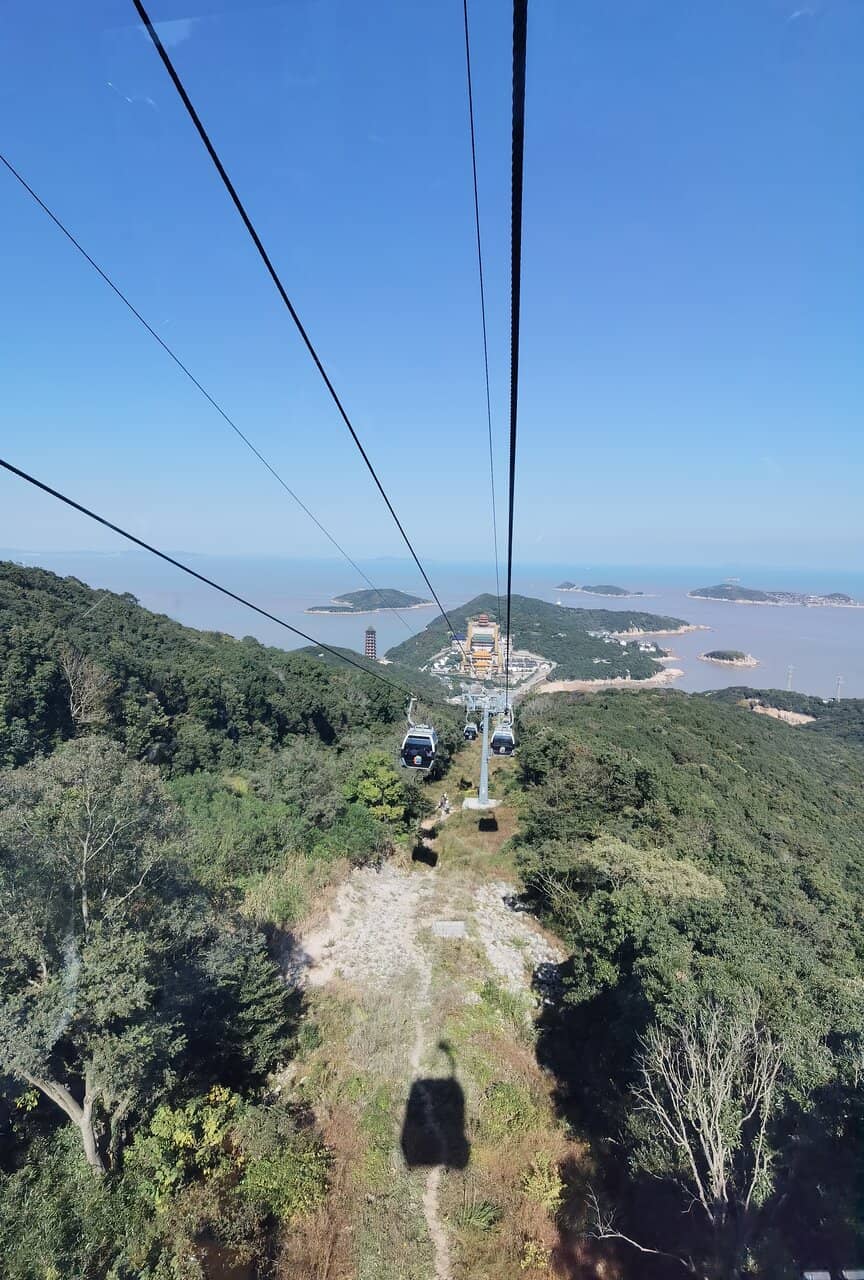
Huiji Temple is located on Fodingshan Mountain, one of the main peaks of Putuo Mountain. You'll typically reach it after taking a ferry to Putuo Mountain and then using local transport or hiking up the mountain paths. Many visitors combine a visit with Puji Temple and Fayu Temple as they are part of the 'three major temples' of Putuo Mountain.
Private vehicles are generally not allowed on Putuo Mountain. Visitors usually park at the ferry terminal on the mainland and then take ferries to the island. Once on Putuo Mountain, you'll rely on shuttle buses or walking to get around.
Shuttle buses are the most convenient way to travel between the major attractions on Putuo Mountain, including Huiji Temple. Walking is also an option for those who enjoy hiking and want to experience the natural beauty of the island.
🎫 🎫 Tickets & Entry
Yes, access to Putuo Mountain requires an entrance fee, which covers most of the attractions including Huiji Temple. It's advisable to purchase your tickets in advance, especially during peak season, to save time.
While specific hours for individual halls might vary, the temple complex is generally accessible during daylight hours. It's best to check the official Putuo Mountain tourism website for the most up-to-date information on opening times.
Typically, the main entrance fee for Putuo Mountain covers access to the primary areas of Huiji Temple, including its main halls. However, it's always a good idea to confirm on-site if any specific areas have separate charges.
Yes, you can usually book your Putuo Mountain entrance tickets online through official tourism platforms or authorized travel agencies. This is highly recommended to avoid long queues at the ticket counters.
🎫 🧭 Onsite Experience
Huiji Temple, also known as Fodingshan Temple, has a rich history dating back to the Ming Dynasty. It was expanded into a monastery during the Qing Dynasty and is considered one of the three major temples on Putuo Mountain, holding significant religious importance.
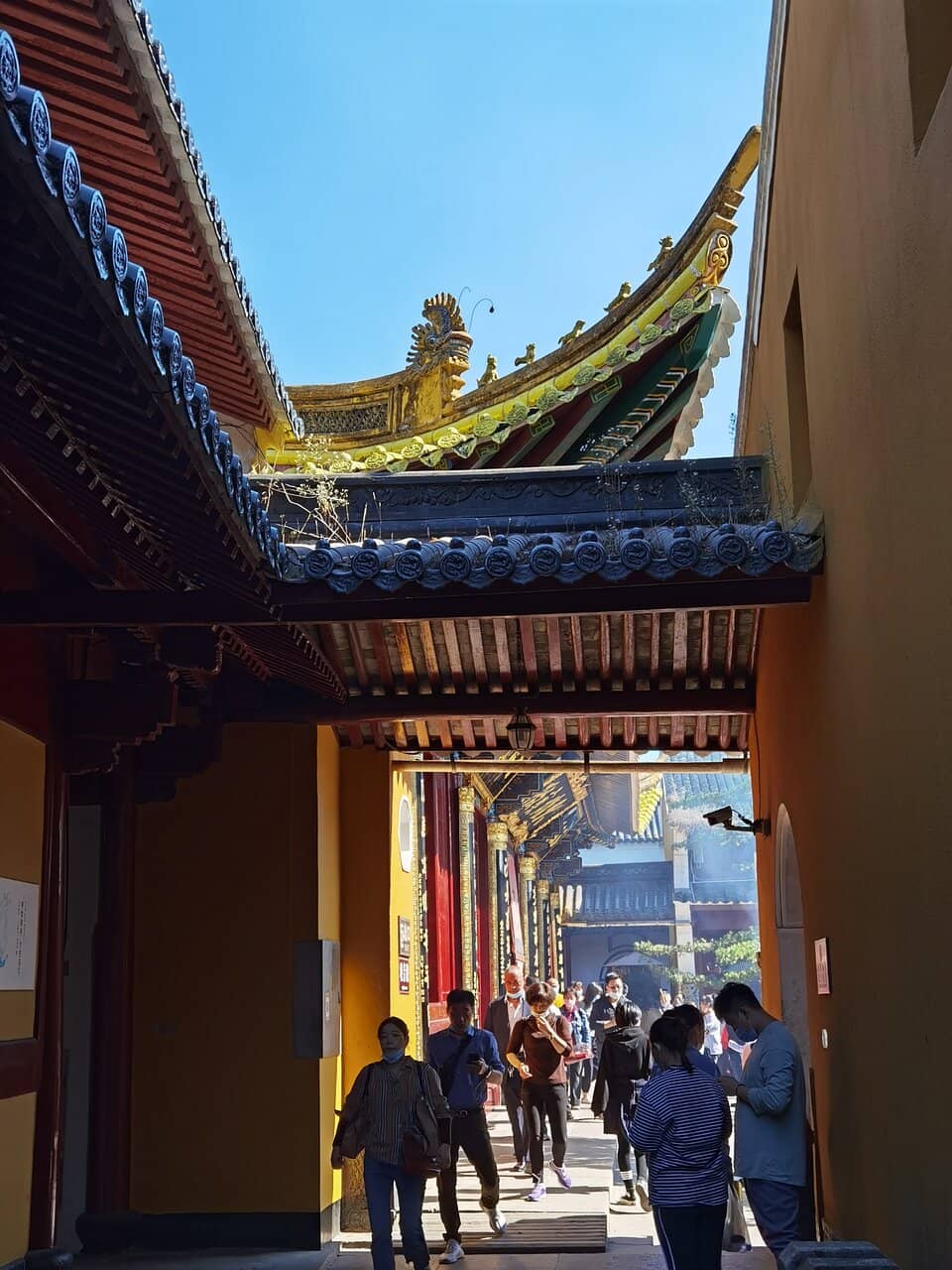
Key attractions include the Yuantong Hall, Yuquan Hall, and the Dabei Tower. The temple complex itself is a beautiful example of traditional Chinese temple architecture and offers a serene spiritual environment.
Absolutely! The temple's architecture, serene courtyards, and mountain setting provide numerous opportunities for stunning photography. Early morning or late afternoon light can be particularly beautiful.
It's recommended to dress respectfully when visiting religious sites like Huiji Temple. Avoid overly revealing clothing. Modest attire, such as long pants or skirts and shirts covering the shoulders, is appropriate.
While official guided tours might not be readily available for every single temple, you can often hire local guides at the Putuo Mountain visitor center or arrange for one through your accommodation. This can greatly enhance your understanding of the temple's history and significance.
🍽️ 🍽️ Food & Dining
There are food stalls and small restaurants located around the main visitor areas of Putuo Mountain, including near the base of Fodingshan. You can find simple meals and snacks. For more extensive dining options, you might need to head towards the main towns on the island.
Yes, you can bring your own food and drinks. It's a good idea to carry water, especially if you plan to hike. Please ensure you dispose of any trash responsibly in designated bins.
Social
from TikTok, Instagram & Reddit