
Naval Cemetery Pula
A solemn resting place for naval heroes and victims, this historic cemetery offers a poignant glimpse into the Austro-Hungarian Empire's maritime past...

Highlights
Must-see attractions

Social
From TikTok & Reddit
Best Time
Best light for reflection
Naval Cemetery Pula
Best Time
Best light for reflection
Highlights
Must-see attractions
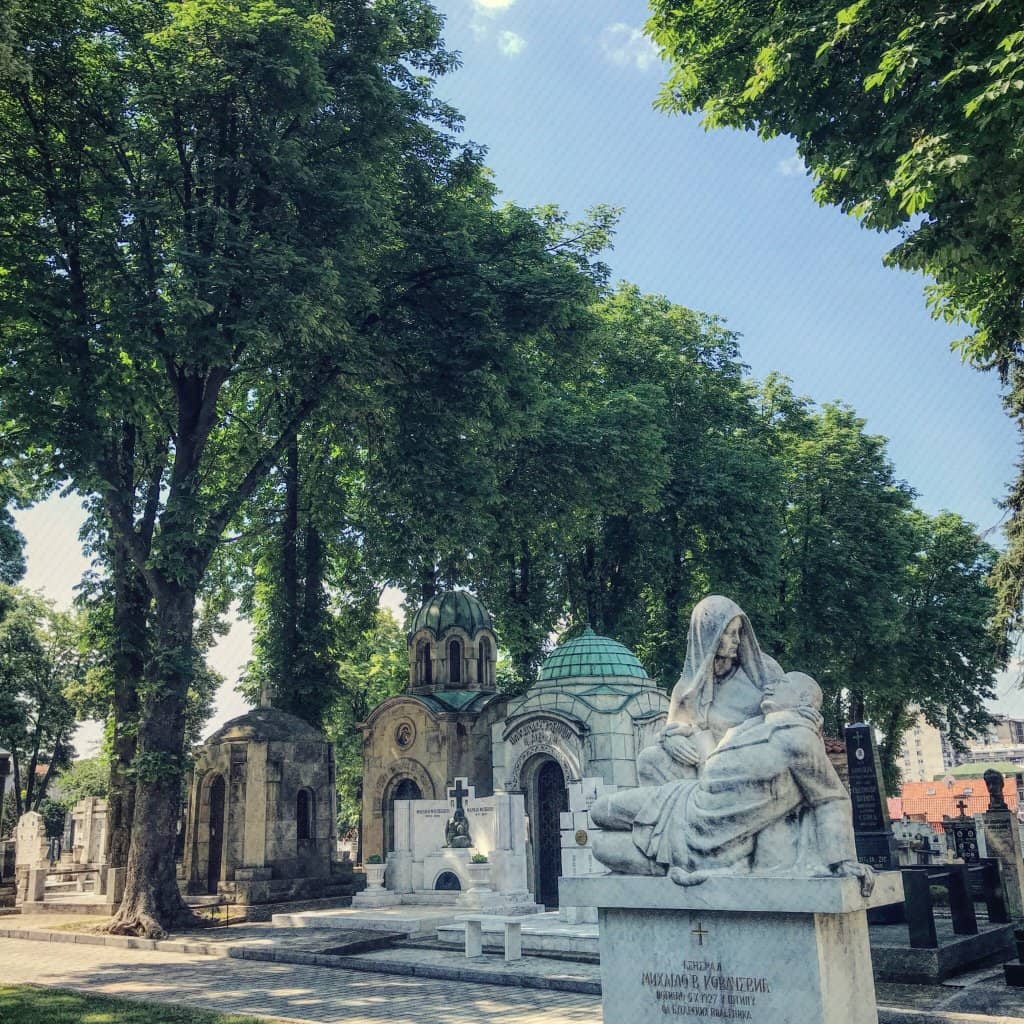
A solemn resting place for naval heroes and victims, this historic cemetery offers a poignant glimpse into the Austro-Hungarian Empire's maritime past.
"A place with piety and respect, offering a touch of history going back to 1850."

🚶♂️ Tread Lightly
This is a place of remembrance. Please be quiet and respectful of the graves and memorials. 🙏
📜 Embrace the History
Take time to read the inscriptions and imagine the lives of those laid to rest here. 📚
Quick Facts
Highlights
Discover the most iconic attractions and experiences
Austro-Hungarian Naval Graves
Throughout the cemetery
Individual grave stones tell stories of naval history from the 1850s onwards.

Baron Gautsch Victims
Dedicated sections
Memorials honor those lost on the Baron Gautsch steamship during WWI.
Admiral's Resting Places
Notable monuments
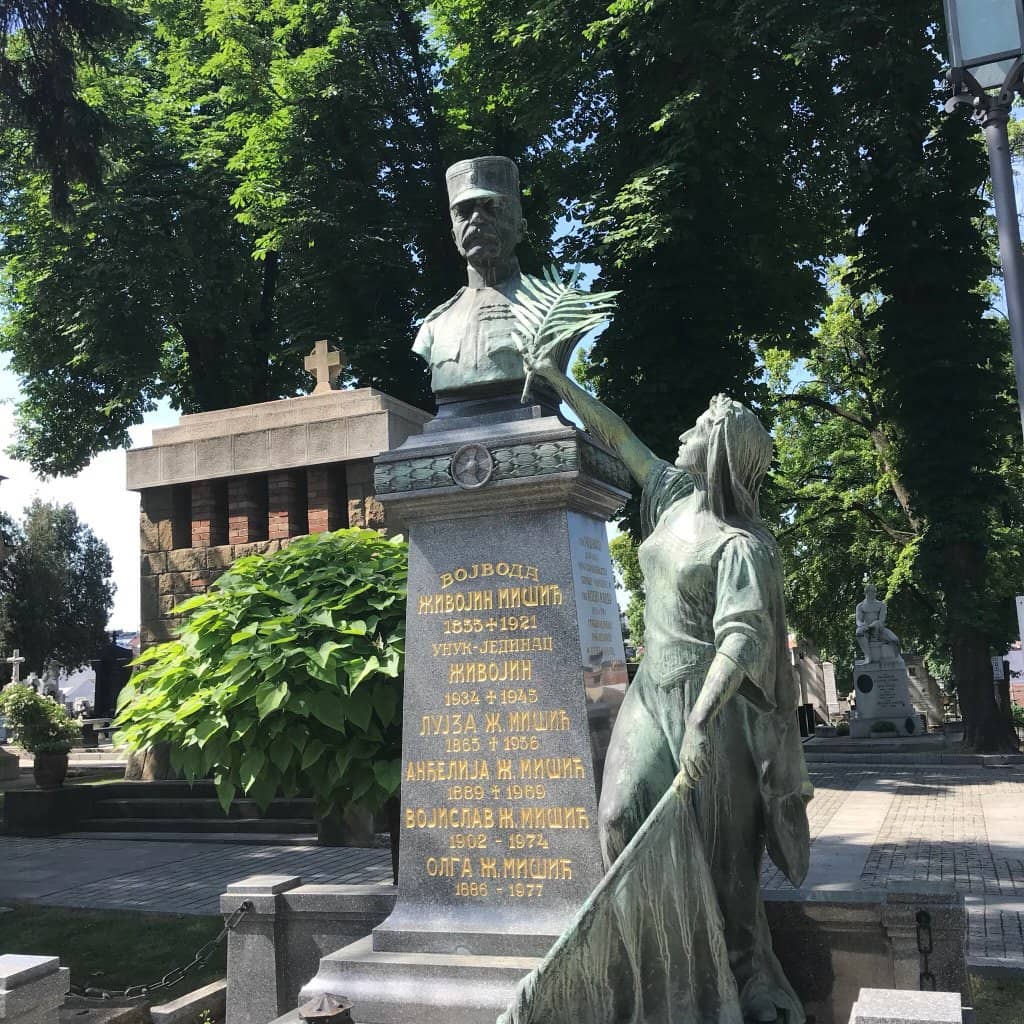
Discover the final resting place of Austro-Hungarian and Turkish admirals.
Plans like a pro.
Thinks like you
Planning Your Visit
Respectful Exploration
A Glimpse into History
Best Times
Insider Tips
from TikTok, Instagram & Reddit
🚶♂️ Tread Lightly
This is a place of remembrance. Please be quiet and respectful of the graves and memorials. 🙏
📜 Embrace the History
Take time to read the inscriptions and imagine the lives of those laid to rest here. 📚
📸 Respectful Photography
Capture the solemn beauty, but avoid intrusive or disrespectful photos. 📷
Tips
from all over the internet
🚶♂️ Tread Lightly
This is a place of remembrance. Please be quiet and respectful of the graves and memorials. 🙏
📜 Embrace the History
Take time to read the inscriptions and imagine the lives of those laid to rest here. 📚
📸 Respectful Photography
Capture the solemn beauty, but avoid intrusive or disrespectful photos. 📷
What Travellers Say
Reviews Summary
Visitors find the Naval Cemetery a place of piety and respect, offering a poignant glimpse into Austro-Hungarian naval history. While some note it has seen better days, its historical significance, including memorials for the Baron Gautsch victims and admirals, makes it a compelling and free site to explore.
"A place with piety and respect. thanks for the free visit."
Tonči Ante Bošnjak
"A place I didn‘t expect here.
A lot of old and individuel grave stones with a lot to tell. Sadly the graveyard has seen better days, but it is great to visit this historic place."
Paul Beckmann
"The naval graveyard should date back to the Austrian Hungarian Empire. The Empire had it's main Naval port close by in Valkane Beach. The naval hutch near by seems closed when there is no service. If you like the touch of history going back to 1850 and be reminded of the two wars and much more you should definitely visit this place."
Per T
What People Like
What People Dislike
Frequently Asked Questions
🚇 🗺️ Getting There
The Naval Cemetery is located near Valkane Beach. While specific public transport routes might vary, it's often accessible by a short taxi ride or a pleasant walk from nearby areas. Check local bus schedules for the most up-to-date information.
Limited parking may be available in the vicinity, especially closer to Valkane Beach. It's advisable to check for designated parking areas upon arrival, or consider public transport to avoid any parking hassles.
🎫 🎫 Tickets & Entry
No, entry to the Naval Cemetery is free. It's a place open for respectful visitation without admission fees. 🎟️
The cemetery is generally accessible during daylight hours. As it's an outdoor historical site, there are no strict opening or closing times, but it's best to visit when there's ample natural light.
🎫 🧭 Onsite Experience
The cemetery dates back to the Austro-Hungarian Empire and serves as the final resting place for many naval personnel, including victims of the Baron Gautsch steamship disaster and other wartime casualties. It's a significant historical site under the protection of the Hague Convention.
You'll find a variety of individual grave stones and monuments, many with inscriptions detailing the lives and service of naval officers and sailors. It offers a poignant look into maritime history and the sacrifices made.
While it's a historic site with a lot to tell, some visitors note that the graveyard has seen better days. However, it remains a significant and moving place to visit for those interested in history.
📸 📸 Photography
Yes, photography is generally allowed. However, visitors are reminded to be discreet and respectful, ensuring that photos do not intrude upon the solemnity of the site. 📷

Social
from TikTok, Instagram & Reddit