Maritime and History Museum of the Croatian Littoral Rijeka (Governor's Palace)
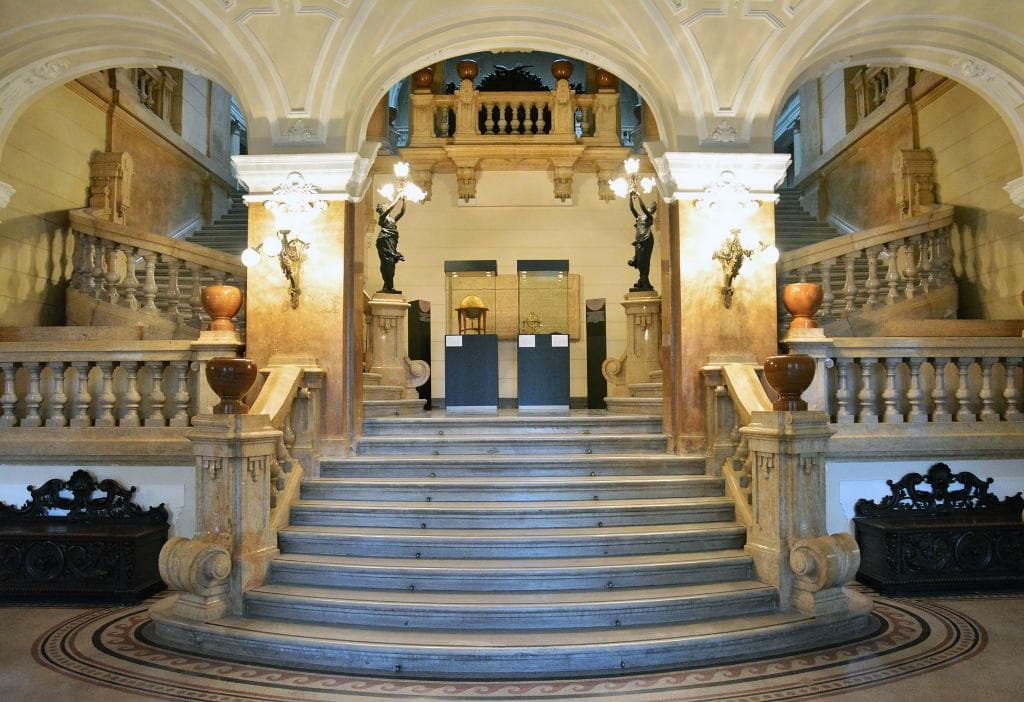
Explore Croatian history and maritime heritage within the opulent 19th-century Governor's Palace in Rijeka.

Highlights
Must-see attractions

Social
From TikTok & Reddit
Best Time
Fewer crowds, more peaceful exploration
Maritime and History Museum of the Croatian Littoral Rijeka (Governor's Palace)
Best Time
Fewer crowds, more peaceful exploration
Highlights
Must-see attractions
Explore Croatian history and maritime heritage within the opulent 19th-century Governor's Palace in Rijeka.
"The building is spectacular and alone worth the visit. Exhibitions on all three floors were well presented and outstanding."
📸 Capture the Palace Beauty
Photography is generally allowed, so capture the stunning architecture and diverse exhibits. :camerawithflash:
🚶♀️ Wear Comfortable Shoes
You'll be exploring multiple floors of historical exhibits. :athletic_shoe:
Quick Facts
Highlights
Discover the most iconic attractions and experiences
Governor's Palace Architecture
Entire building
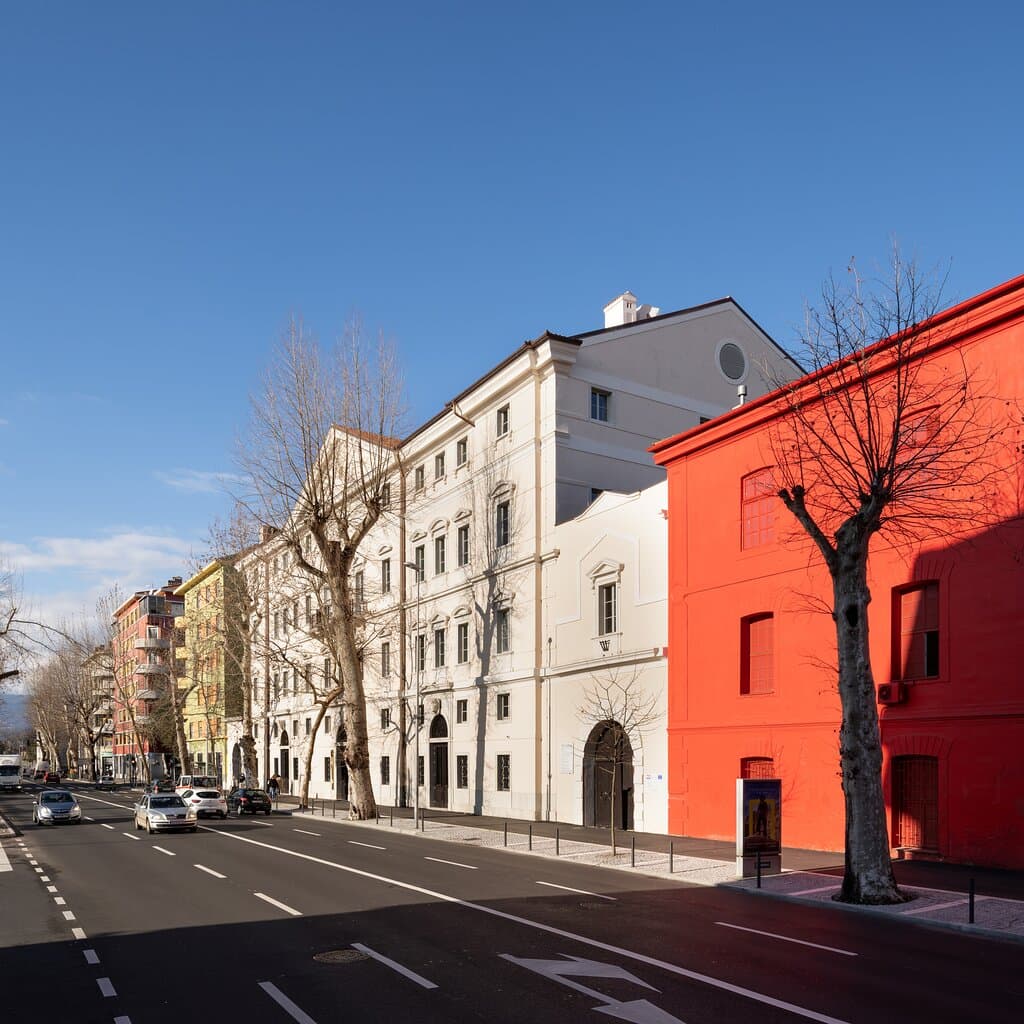
A magnificent 19th-century palace, its elegant interiors are as captivating as the historical treasures within.
Maritime Collections
Various floors
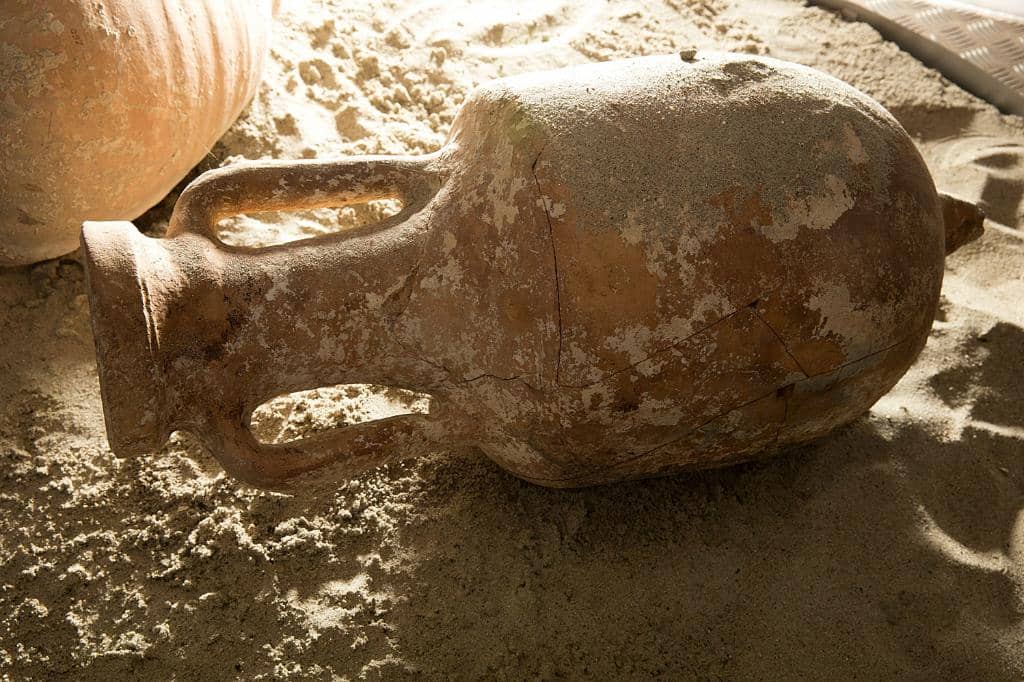
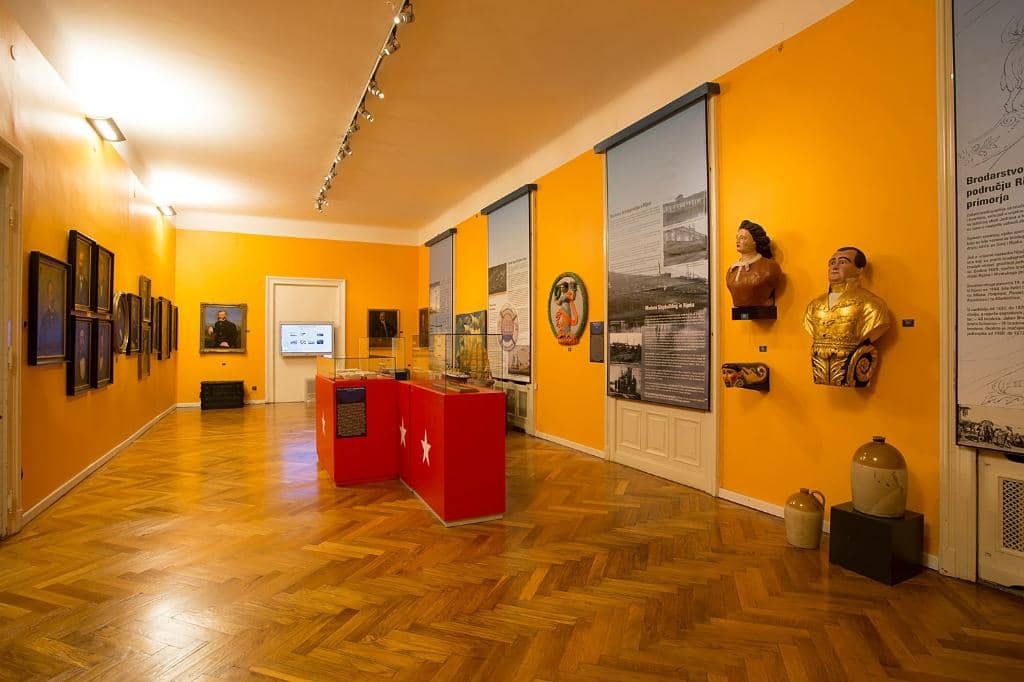
Detailed maritime paintings and artifacts showcasing Rijeka's deep connection to the sea.
Marble Hall
Specific room within the palace
An opulent hall that is a must-see for its stunning design and historical significance.
Plans like a pro.
Thinks like you
Planning Your Visit
Embrace the Grandeur of the Governor's Palace
Navigating Diverse Exhibits
Best Times
Insider Tips
from TikTok, Instagram & Reddit
Can somebody help a Dutch tourist staying in Croatia?
Hey there! I’m a tourist from The Netherlands and I’m currently residing in Vrsar, a village on the Istrian coast. I just got here a few days ago and I’m looking for fun things to do, new foods to try out and new people to meet. So far Croatia has been really beautiful, but I’d…
📸 Capture the Palace Beauty
Photography is generally allowed, so capture the stunning architecture and diverse exhibits. :camerawithflash:
🚶♀️ Wear Comfortable Shoes
You'll be exploring multiple floors of historical exhibits. :athletic_shoe:
📱 App Woes
Some visitors reported issues with the museum's app and QR codes not working. :iphone:
🧐 Embrace the Variety
The museum covers many topics; enjoy the eclectic mix of history, art, and maritime displays. :thinking_face:
Tips
from all over the internet
📸 Capture the Palace Beauty
Photography is generally allowed, so capture the stunning architecture and diverse exhibits. :camerawithflash:
🚶♀️ Wear Comfortable Shoes
You'll be exploring multiple floors of historical exhibits. :athletic_shoe:
📱 App Woes
Some visitors reported issues with the museum's app and QR codes not working. :iphone:
🧐 Embrace the Variety
The museum covers many topics; enjoy the eclectic mix of history, art, and maritime displays. :thinking_face:
What Travellers Say
Reviews Summary
Visitors praise the stunning beauty of the Governor's Palace and its diverse historical and maritime exhibits. The friendly staff and the architectural grandeur are frequently highlighted as major positives. However, some find the museum lacks interactivity and has technical issues with its app.
"Beautiful building both inside and out, visit the Marble Hall whilst you're here. I wasn't sure what to expect regarding the displays but you have quite a varied combination of Maritime exhibits as well as antique furnishings, sections on Knights, the Habsburgs, Cremonese violin makers, Religious art works and much more. I particularly liked all the Maritime paintings."
Miles Macdonald
"Was not planning on going here, but so pleased that we did. The building is spectacular and alone worth the visit. Exhibitions on all three floors were well presented and outstanding. Had a great time. Staff were super friendly and explained the different exhibitions and the best way to walk around the museum. Currently have two special exhibits on and both were very informative."
Derek Williams
"Lovely museum located in old very beautiful 19 century palace. It shows history of the city starting prehistoric period. I loved their attitude to every detail, and especially connection to the sea."
Olga Lita
What People Like
What People Dislike
Frequently Asked Questions
🚇 🗺️ Getting There
The museum is centrally located in Rijeka, easily accessible by foot if you are staying in the city center. Public transport options are also available, with buses stopping nearby. Check local bus routes for the most convenient stops.
Parking in Rijeka can be challenging. There are several public parking garages and street parking options available near the city center, but they may incur fees. It's often easier to walk or use public transport.
Yes, Rijeka is well-connected by bus and train to major Croatian cities. Once you arrive in Rijeka, you can easily reach the museum via a short taxi ride or by walking from the main bus/train station.
🎫 🎫 Tickets & Entry
Opening hours can vary seasonally. It's best to check the official museum website or contact them directly for the most up-to-date information on daily opening and closing times.
Admission fees are typically reasonable. Check the museum's official website for current ticket prices, potential discounts for students or seniors, and any special exhibition surcharges.
For general admission, booking in advance is usually not required, especially during off-peak times. However, for special exhibitions or group visits, it's advisable to book ahead to secure your spot.
The museum often hosts special exhibitions that complement its permanent collections. These can offer unique insights into specific historical periods or themes. Inquire at the ticket counter or check their website for current special displays.
🎫 🧭 Onsite Experience
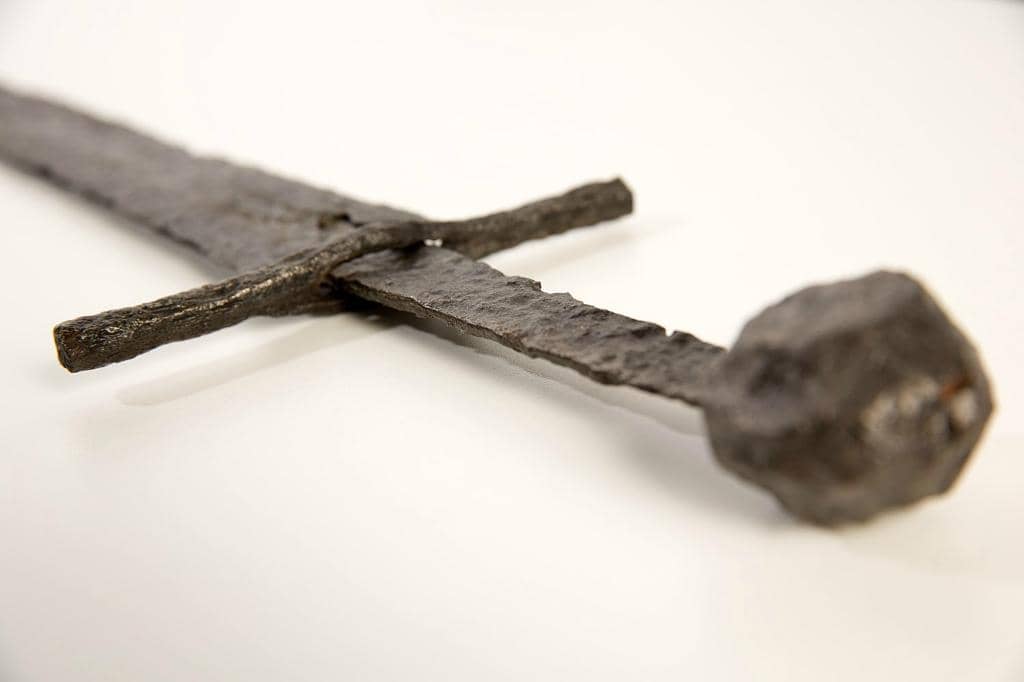
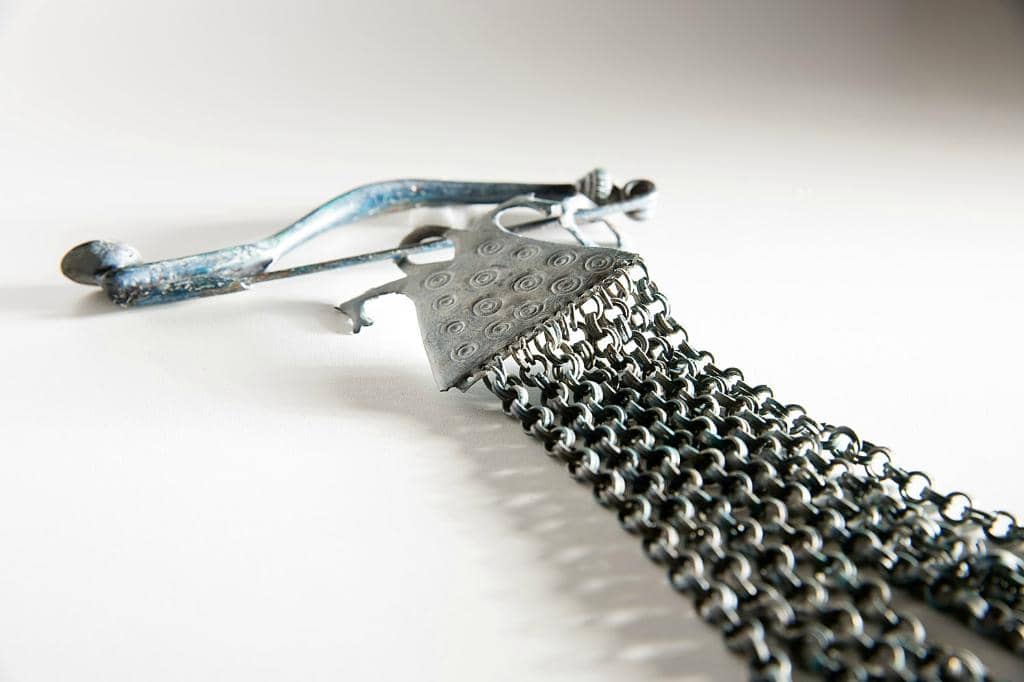
Expect a diverse range of exhibits covering maritime history, local history from prehistoric times, Knights, the Habsburg era, religious art, and even Cremonese violin makers. The collections are varied and extensive.
While some visitors noted it's not highly interactive, there are opportunities for fun, like dressing up in historical costumes. The focus is more on appreciating the artifacts and historical context.
One reviewer mentioned the lack of an elevator, suggesting limited accessibility for those with mobility challenges. It's recommended to inquire directly with the museum about accessibility options.
Photography is generally permitted for personal use, allowing you to capture the beautiful architecture and exhibits. However, it's always good practice to check for any specific restrictions on flash photography or certain displays.
To fully appreciate the breadth of exhibits and the palace's grandeur, plan for at least 2-3 hours. Some visitors might spend longer if they delve deeply into each section.
🍽️ 🍽️ Food & Dining
Typically, museums of this nature do not have extensive dining facilities. There might be a small cafe or vending machines, but it's best to plan for meals before or after your visit.
Rijeka's city center, near the museum, offers a wide variety of restaurants, cafes, and konobas (traditional taverns) serving local and international cuisine. Explore the surrounding streets for numerous options.
📸 📸 Photography
The entire Governor's Palace is a photographic gem, from its exterior architecture to the opulent interiors like the Marble Hall. Don't miss the chance to photograph the diverse maritime paintings and historical artifacts.
While general photography is usually allowed, flash photography can sometimes be restricted to protect delicate artifacts. Always look for signage or ask museum staff if you're unsure.
Social
from TikTok, Instagram & Reddit