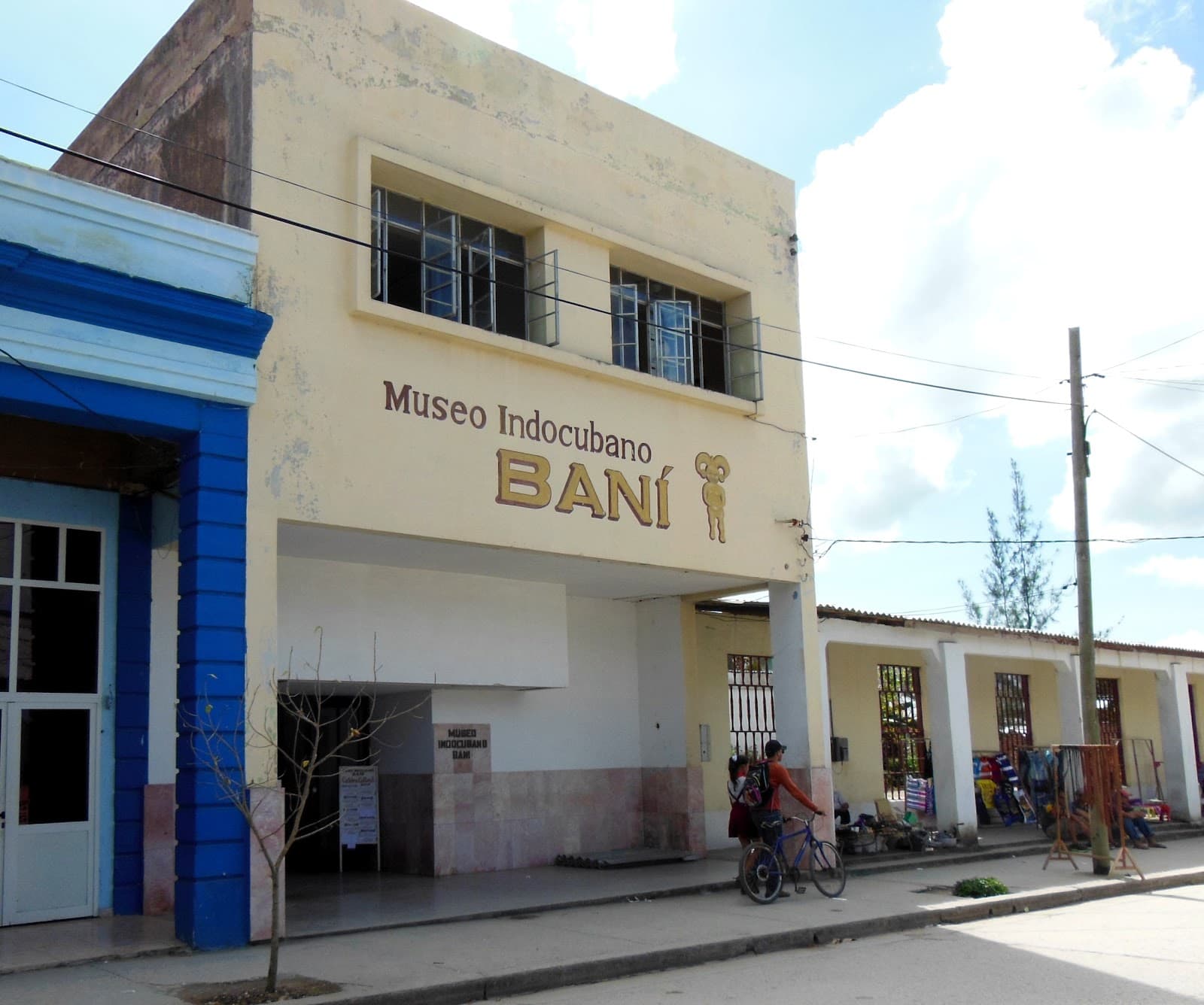
Museo Indocubano Baní
Discover Cuba's aboriginal past at Museo Indocubano Banes, home to diverse Taino & Siboney artifacts. Banes is the 'Archaeological Capital of Cuba'.
Highlights
Must-see attractions

Social
From TikTok & Reddit
Best Time
Fewer crowds, more focused exploration
Museo Indocubano Baní
Best Time
Fewer crowds, more focused exploration
Highlights
Must-see attractions
Discover Cuba's aboriginal past at Museo Indocubano Banes, home to diverse Taino & Siboney artifacts. Banes is the 'Archaeological Capital of Cuba'.
"A must-visit for learning about Cuba's ancestral history and the Taino & Siboney peoples."

Check Opening Hours First! ⏰
Some visitors reported finding the museum closed unexpectedly. Always confirm hours before your visit .
Immerse in History 🏺
This small museum packs a punch with diverse and well-preserved artifacts. Take your time to appreciate the details.

Highlights
Discover the most iconic attractions and experiences
Taino & Siboney Artifacts
Marvel at incredibly preserved tools, art, and relics from Cuba's earliest inhabitants. A true glimpse into ancient Caribbean life.
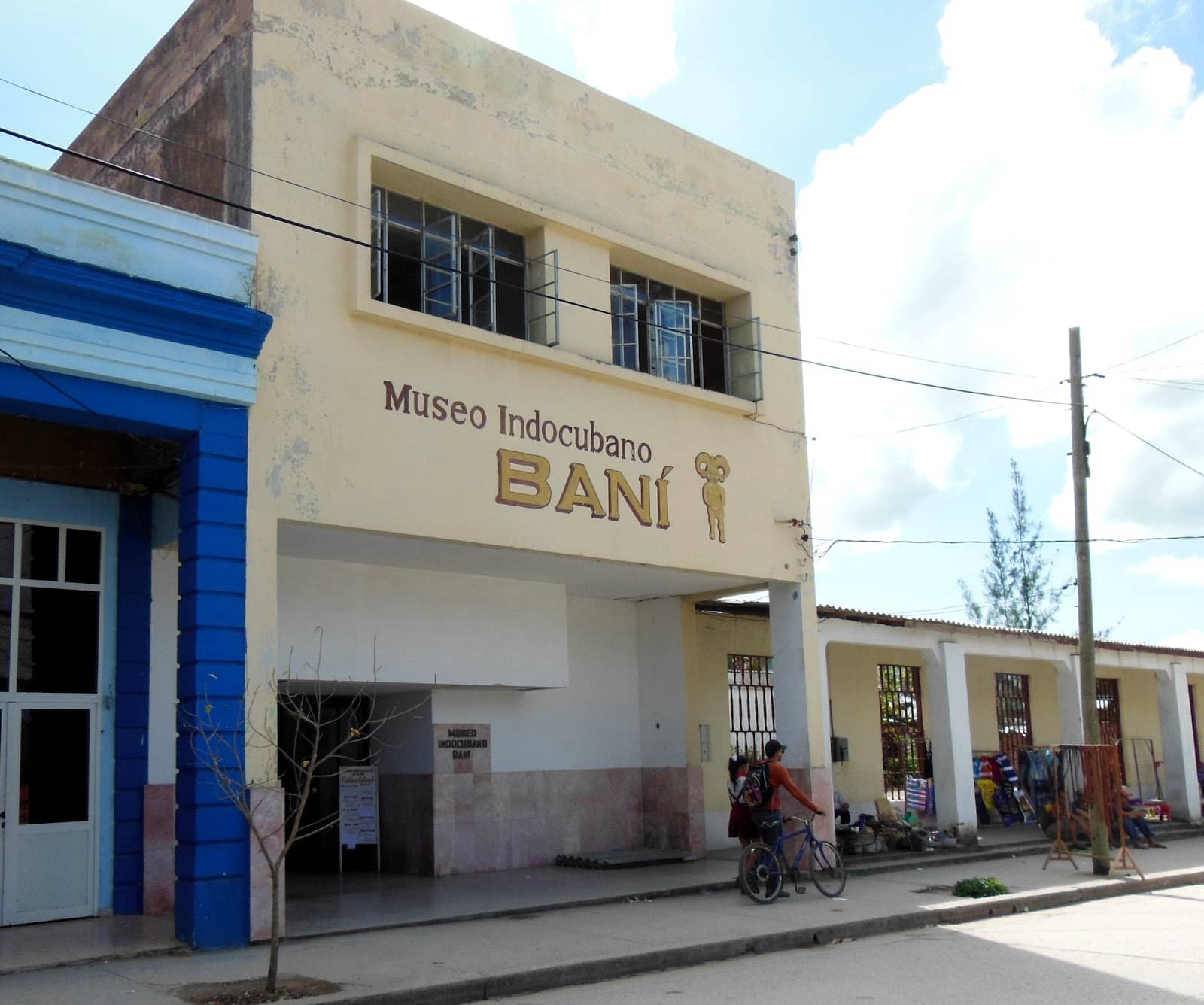
Archaeological Capital of Cuba
Experience why Banes holds this title, with a museum showcasing the rich indigenous heritage found in the surrounding area.
Indigenous Funeral Practices
Gain fascinating insights into the burial customs and spiritual beliefs of the ancient Taino and Siboney peoples.
Plans like a pro.
Thinks like you
Planning Your Visit
Plan Your Visit to Banes' Archaeological Gem
Discover Pre-Columbian Cuba
Best Times
Insider Tips
from TikTok, Instagram & Reddit
Check Opening Hours First! ⏰
Some visitors reported finding the museum closed unexpectedly. Always confirm hours before your visit.
Immerse in History 🏺
This small museum packs a punch with diverse and well-preserved artifacts. Take your time to appreciate the details.
Family-Friendly Exploration 👨👩👧👦
A great spot to learn about ancestral history and spend quality time with family. Educational and engaging.
Banes: Archaeological Hub 📍
Understand why Banes is known as the 'Archaeological Capital of Cuba' through its extensive collection.
Tips
from all over the internet
Check Opening Hours First! ⏰
Some visitors reported finding the museum closed unexpectedly. Always confirm hours before your visit.
Immerse in History 🏺
This small museum packs a punch with diverse and well-preserved artifacts. Take your time to appreciate the details.
Family-Friendly Exploration 👨👩👧👦
A great spot to learn about ancestral history and spend quality time with family. Educational and engaging.
Banes: Archaeological Hub 📍
Understand why Banes is known as the 'Archaeological Capital of Cuba' through its extensive collection.
What Travellers Say
Reviews Summary
Visitors praise Museo Indocubano Banes for its comprehensive and diverse collection of well-preserved aboriginal artifacts, offering a deep dive into the Taino and Siboney cultures. It's highlighted as a must-visit for understanding Cuba's archaeological significance. However, some travelers have noted that the museum can be small and has occasionally been found closed for renovations, underscoring the importance of checking hours.
"This museum, although small in appearance houses one of the most complete and diverse collections about aboriginal civilizations in the Caribbean. An immersive experience that shows very well preserved artifacts, art forms and tools used by the Taino and Siboney groups. Banes is considered the Archaeological Capital of Cuba, due to the abundance of Archaeology sites in this municipality."
Rene C
"If you want to learn about the history of Cuba's archaeological capital and spend some quality time with your family, you have to visit the Indocuban Archaeological Museum of Banes."
Eduardo A Bermúdez Silva
"A wonderful place located in Banes, in the north of Holguín Province, Cuba, where you can learn about the history of your ancestors, dating back to the time of the Indians, how they lived, worked, and even what their funerals were like—very interesting stories in the Archaeological Capital of Cuba."
Odalis Torres
What People Like
What People Dislike
Frequently Asked Questions
🚇 🗺️ Getting There
Museo Indocubano Banes is located in the town of Banes, in the north of Holguín Province, Cuba. If you are traveling from Holguín city, you can hire a taxi or take a local bus. The journey typically takes around 1.5 to 2 hours. It's advisable to arrange transportation in advance, especially if coming from further afield.
Parking in Banes can be limited, especially in the town center. If you arrive by private car or taxi, you can usually find street parking nearby. It's best to ask your driver or local residents for the most convenient spots.
From major cities like Havana or Santiago de Cuba, you can take a Viazul bus to Holguín, and then arrange local transport to Banes. Alternatively, domestic flights to Frank País Airport (HOG) in Holguín are available, followed by ground transportation. For a more direct but expensive option, consider a private taxi service.
🎫 🎫 Tickets & Entry
Opening hours can vary, and it's crucial to check them before your visit as the museum sometimes closes for renovations. Typically, it operates during standard daytime hours on weekdays. It's recommended to call ahead or inquire locally for the most up-to-date information.
Admission fees for Museo Indocubano Banes are generally very affordable, reflecting the local cost of living. Exact prices can fluctuate, but expect it to be a small fee, often paid in Cuban Pesos (CUP). It's always a good idea to have some local currency on hand.
For Museo Indocubano Banes, advance booking is typically not required. As a smaller, local museum, you can usually purchase tickets upon arrival. However, if you are part of a large group, it might be courteous to inform the museum beforehand.
Information on accessibility for individuals with disabilities at Museo Indocubano Banes is limited. Given its historical nature and potential for older infrastructure, it's advisable to contact the museum directly to inquire about specific accessibility features like ramps or elevators.
🎫 🧭 Onsite Experience
The Museo Indocubano Banes is relatively small but packed with information. Most visitors find that 1 to 2 hours is sufficient to explore the exhibits thoroughly and appreciate the collection. If you're deeply interested in archaeology, you might extend your visit slightly.
You can expect to see a diverse collection of artifacts from the Taino and Siboney indigenous groups, including pottery, tools, ceremonial objects, and items related to their daily lives and funeral practices. The museum aims to provide an immersive experience into Cuba's aboriginal past.
Guided tours may be available, often provided by knowledgeable local staff. It's best to inquire at the museum upon arrival if a guide is available or if you can arrange for one. This can greatly enhance your understanding of the exhibits.
Photography policies can vary. While many smaller museums allow non-flash photography, it's always best to check for signage or ask a museum attendant before taking pictures. Respecting these rules ensures the preservation of the artifacts.
Banes is renowned as the 'Archaeological Capital of Cuba' due to the significant number of archaeological sites in the municipality. It offers a unique insight into the island's pre-Columbian history and indigenous cultures.
🍽️ 🍴 Food & Dining
The museum itself is unlikely to have dining facilities. However, in the town of Banes, you can find local restaurants (paladares) and cafes offering Cuban cuisine. It's a good opportunity to try authentic dishes after your museum visit.
In Banes, you can expect traditional Cuban fare, such as rice and beans, grilled meats (pork, chicken), fresh seafood (if available), and local vegetables. Look for small, family-run paladares for a more authentic and often delicious experience.
📸 📸 Photography
The artifacts themselves offer unique photographic opportunities, showcasing intricate details of ancient craftsmanship. The museum's architecture, if visually interesting, might also provide good shots. Always check photography rules first.
Many of the pottery pieces, intricate carvings, and ceremonial objects are highly photogenic. The well-preserved nature of the artifacts allows for detailed close-ups that tell a story of the past.
For Different Travelers
Tailored advice for your travel style
👨👩👧 Families with Kids
Tips for families: Encourage kids to look for specific types of objects, like pottery or tools. Discuss how these items were used in daily life. While the museum is small, it provides a concentrated dose of history that can be easily digestible for younger minds. Remember to check opening hours beforehand to avoid disappointment.
📚 History Enthusiasts & Archaeologists
Key takeaways: Pay close attention to the details of the pottery, the craftsmanship of the tools, and the insights into funeral practices. The artifacts here are crucial for understanding the cultural nuances of Cuba's earliest inhabitants. Consider dedicating ample time to absorb the information and appreciate the historical context provided by the exhibits.
Deep Dives
In-depth insights and expert knowledge
The Taino and Siboney: Cuba's First Peoples
The museum's collection provides tangible evidence of their daily lives, spiritual beliefs, and technological advancements. Visitors can see the tools they used for farming and hunting, the pottery they crafted for cooking and storage, and the ceremonial objects that hint at their worldview. The preservation of these artifacts is crucial for understanding Cuba's deep historical roots and the human story of the Caribbean.
Exploring these exhibits offers a profound connection to the island's earliest inhabitants. It's a chance to appreciate their ingenuity and resilience, and to recognize their significant contribution to the cultural tapestry of Cuba. The museum's focus on these groups makes Banes a vital location for anyone interested in pre-Columbian history and archaeology.
Banes: The Archaeological Capital of Cuba
The discoveries in and around Banes have been instrumental in piecing together the history and culture of the Taino and Siboney peoples. The sheer volume and diversity of artifacts unearthed here allow archaeologists and historians to develop a comprehensive understanding of these ancient communities. The museum serves as a repository and exhibition space for these invaluable findings, bringing the past to life for visitors.
Visiting Banes offers a unique opportunity to connect with a landscape that has been inhabited for millennia. It's a place where the echoes of ancient civilizations are palpable, and where the ongoing exploration of archaeological sites continues to reveal new insights into Cuba's foundational history. The museum is the perfect starting point to appreciate this rich heritage.

Social
from TikTok, Instagram & Reddit