
Hercules Fountain
A powerful Baroque masterpiece, the Hercules Fountain captivates with its heroic sculpture and integration into historic city squares.
Highlights
Must-see attractions

Social
From TikTok & Reddit
Best Time
Magical light for photos
Hercules Fountain
Best Time
Magical light for photos
Highlights
Must-see attractions
A powerful Baroque masterpiece, the Hercules Fountain captivates with its heroic sculpture and integration into historic city squares.
"An amazing statue with water, one of the dominants of the square!"

📸 Golden Hour Magic
Capture stunning photos during golden hour for a warm, atmospheric glow. :camerawithflash:
🏛️ Explore the Square
The fountain is often part of a larger historical square; take time to explore the surroundings. :world_map:

Quick Facts
Hours
Rating
4.8 · 27 reviews
Type
Historical Landmark
Highlights
Discover the most iconic attractions and experiences
Hercules Statue
Center of the fountain
The powerful statue of Hercules, often depicted wrestling a hydra or holding a symbol of protection, is the fountain's centerpiece.
Baroque Ensemble
Surrounding square
Admire the fountain as part of a unique ensemble of Baroque fountains, often situated in prominent historical squares.

Architectural Details
Fountain basin and pillars
Observe the intricate stone carvings of the water tank, pillars, and the symbolic eagle and hydra at Hercules' feet.
Plans like a pro.
Thinks like you
Planning Your Visit
Timing is Key for Photos

Understand Its Historical Context
Best Times
Insider Tips
from TikTok, Instagram & Reddit
📸 Golden Hour Magic
Capture stunning photos during golden hour for a warm, atmospheric glow.
🏛️ Explore the Square
The fountain is often part of a larger historical square; take time to explore the surroundings. :world_map:
💧 Admire the Water Flow
Enjoy the sight and sound of the water, a key element of this Baroque masterpiece.
🚶♂️ Stroll and Relax
The marble steps offer a natural place to sit and relax, especially on warm evenings.
Tips
from all over the internet
📸 Golden Hour Magic
Capture stunning photos during golden hour for a warm, atmospheric glow.
🏛️ Explore the Square
The fountain is often part of a larger historical square; take time to explore the surroundings. :world_map:
💧 Admire the Water Flow
Enjoy the sight and sound of the water, a key element of this Baroque masterpiece.
🚶♂️ Stroll and Relax
The marble steps offer a natural place to sit and relax, especially on warm evenings.
What Travellers Say
Reviews Summary
Visitors consistently praise the Hercules Fountain as a stunning and significant piece of public art, often highlighting its impressive sculpture and integration into historical cityscapes. While generally well-received, some note that it can become crowded during peak times, impacting the serene viewing experience.
"A-M—A-Z-I-N-G STATUE! (With water)"
Franck MICHEL
"One of the dominants of Horní náměstí. The fountain was designed by stonemason Václav Schüller. The statue of Hercules is by Michael Mandík. The fountain dates from the end of the 17th century. It originally stood on the site of the Holy Trinity Column, but in 1716 it had to make way for it and move to its current location."
Václav Červenka
"A very nice fountain"
Ewela Ewela
What People Like
What People Dislike
Frequently Asked Questions
🚇 🗺️ Getting There
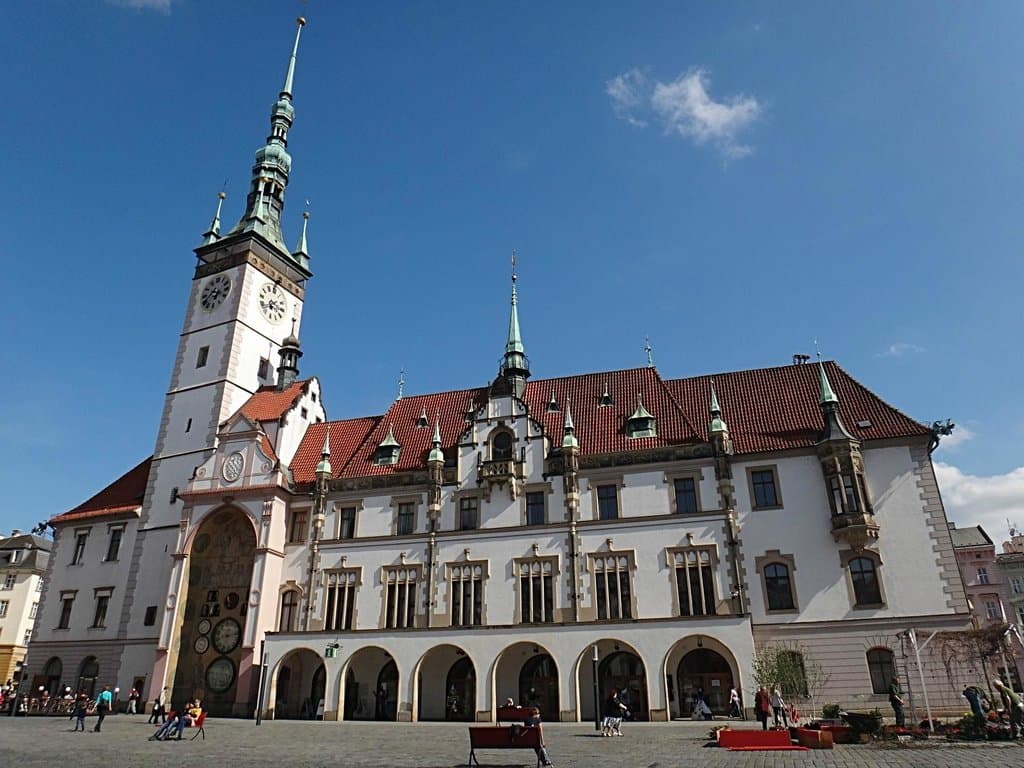
The Hercules Fountain is typically located in a prominent public square, often in the historical center of a city. For example, it's found in Horní náměstí in Olomouc, Czech Republic, in front of the town hall. Always check local maps for its exact location in your destination city.
Yes, public transport is often the most convenient way to reach city centers where fountains like Hercules are located. Look for bus or tram stops near the main squares.
Driving directly to the fountain might be challenging due to pedestrian zones or limited parking in historical areas. It's often best to park in a nearby garage and walk.
Many city tours, especially those focusing on historical or Baroque architecture, will include the Hercules Fountain. Check with local tour operators for availability.
Utilize GPS navigation apps on your smartphone. Many apps will show points of interest like fountains, making it easy to find your way.
🎫 🎫 Tickets & Entry
No, the Hercules Fountain is typically a public monument located in a square, so there is no admission fee. You can view it freely.
As an outdoor public monument, the Hercules Fountain is accessible 24/7. However, the surrounding areas and any nearby attractions may have specific hours.
Visiting early in the morning or during off-peak hours on weekdays can help you avoid the largest crowds.
While not common, public squares with fountains can sometimes be venues for local festivals or events. Check local event listings for your travel dates.
Yes, you can typically get very close to the fountain to admire its details. However, be mindful of any barriers or designated viewing areas.
📸 📸 Photography
Golden hour, just after sunrise or before sunset, provides beautiful warm light for photography.
Focus on the detailed statue of Hercules, the water flow, and the fountain as part of the surrounding architecture. Wide shots of the square are also great.
Drone regulations vary significantly by city and country. It's essential to research local laws and obtain any necessary permits before flying a drone.
For capturing water movement, a tripod and a slower shutter speed are recommended. For the statue, a standard aperture for good depth of field works well.
Experiment with low angles to emphasize the grandeur of the statue, or eye-level shots to capture its presence within the square.
🎫 🏛️ Onsite Experience
The Hercules Fountain often symbolizes strength and protection, sometimes identifying the hero with ruling emperors. It's a key piece of Baroque urban planning and iconography.
Pay attention to the detailed sculpture of Hercules, the symbolic elements like the eagle and hydra, and the fountain's integration into the surrounding architecture and public space.
Yes, many Hercules Fountains are situated in squares with benches or on wide steps that serve as natural seating areas, perfect for resting.
Fountains like this are often located in city centers, near town halls, historical buildings, museums, or bustling market squares.
A quick visit to admire the fountain might take 15-30 minutes. If you plan to sit and enjoy the atmosphere or photograph it, allow an hour or more.



Social
from TikTok, Instagram & Reddit