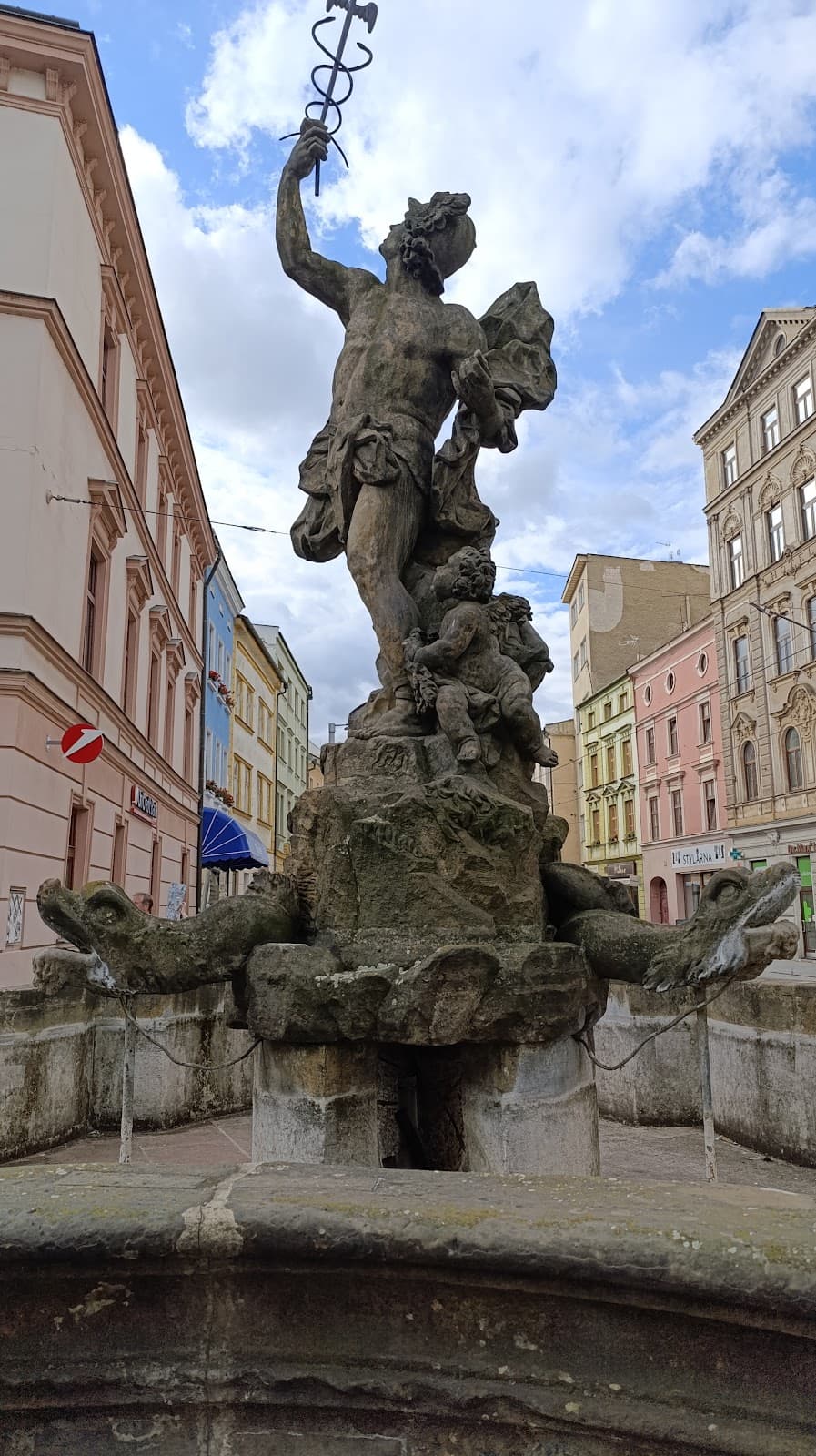
Mercury Fountain
A mesmerizing kinetic sculpture by Alexander Calder, featuring flowing liquid mercury behind protective glass.
Highlights
Must-see attractions

Social
From TikTok & Reddit
Best Time
Avoid crowds for better viewing
Mercury Fountain
Best Time
Avoid crowds for better viewing
Highlights
Must-see attractions
A mesmerizing kinetic sculpture by Alexander Calder, featuring flowing liquid mercury behind protective glass.
Observe from behind glass
The fountain is safely enclosed due to mercury's toxicity. Enjoy the view without concern!
Combine with museum visit
The fountain is inside the Fundació Joan Miró. Make a day of art and this unique sculpture.

Quick Facts
Type
Park
Highlights
Discover the most iconic attractions and experiences
The Flowing Metal
Fundació Joan Miró, Barcelona
Witness the mesmerizing flow of liquid mercury, a unique and beautiful kinetic sculpture.

Alexander Calder's Vision
Fundació Joan Miró, Barcelona
Appreciate the artistry of Alexander Calder's 1937 World's Fair masterpiece.
+1A Symbol of Resistance
Fundació Joan Miró, Barcelona
Learn about its historical context as a protest piece from the Spanish Republican era.
+1Plans like a pro.
Thinks like you
Planning Your Visit
Understand the Toxicity
+1Location & Access
+1Best Times
Insider Tips
from TikTok, Instagram & Reddit
Observe from behind glass
The fountain is safely enclosed due to mercury's toxicity. Enjoy the view without concern!
Combine with museum visit
The fountain is inside the Fundació Joan Miró. Make a day of art and this unique sculpture.
Appreciate the kinetic art
Notice how the liquid metal moves and shifts, creating a dynamic visual experience.
Learn its history
Understand its significance as a protest piece from the 1937 Paris Expo.
Tips
from all over the internet
Observe from behind glass
The fountain is safely enclosed due to mercury's toxicity. Enjoy the view without concern!
Combine with museum visit
The fountain is inside the Fundació Joan Miró. Make a day of art and this unique sculpture.
Appreciate the kinetic art
Notice how the liquid metal moves and shifts, creating a dynamic visual experience.
Learn its history
Understand its significance as a protest piece from the 1937 Paris Expo.
What Travellers Say
Reviews Summary
Visitors are captivated by the unique beauty and kinetic nature of the Mercury Fountain, marveling at Alexander Calder's innovative use of liquid metal. Its historical significance as a protest piece adds another layer of intrigue. While the safety enclosure is appreciated, some find the limited viewing angles or the inherent toxicity a point of contemplation.
What People Like
What People Dislike
Frequently Asked Questions
🚇 🗺️ Getting There
The Mercury Fountain is located within the Fundació Joan Miró on Montjuïc hill in Barcelona. You can reach Montjuïc via public transport, including buses (like the 150) or the Montjuïc Cable Car. The museum itself is well-signposted once you arrive in the area.
Yes, the Mercury Fountain is a prominent exhibit within the Fundació Joan Miró and is usually clearly marked. Staff can also assist you in locating it.
🎫 🎫 Tickets & Entry
No, the Mercury Fountain is part of the permanent collection at the Fundació Joan Miró. A general admission ticket to the museum grants you access to see the fountain.
Opening hours can vary seasonally, so it's best to check the official Fundació Joan Miró website for the most up-to-date information before your visit.
The cost is equivalent to the admission fee for the Fundació Joan Miró. Check their website for current ticket prices and any potential discounts.
🎫 ✨ Onsite Experience
Absolutely. The fountain is enclosed behind protective glass to prevent any exposure to mercury vapors, making it safe for all visitors.
Photography is generally allowed in the museum, but it's always a good idea to check the specific museum's policy on photography, especially regarding flash usage.
Its uniqueness lies in its use of liquid mercury instead of water, creating a mesmerizing, flowing metal sculpture by Alexander Calder. It was also a significant piece from the 1937 Paris World's Fair.
The fountain features a large reflecting pool, often described as around two meters in diameter, filled with approximately 150 liters of mercury.
📸 📸 Photography
Try capturing the reflections on the glass and the fluid motion of the mercury. Experiment with different perspectives to highlight its kinetic nature.
While generally permitted, always confirm the museum's current photography policy. Avoid using flash, as it can disrupt the viewing experience for others and may be prohibited.
Social
from TikTok, Instagram & Reddit