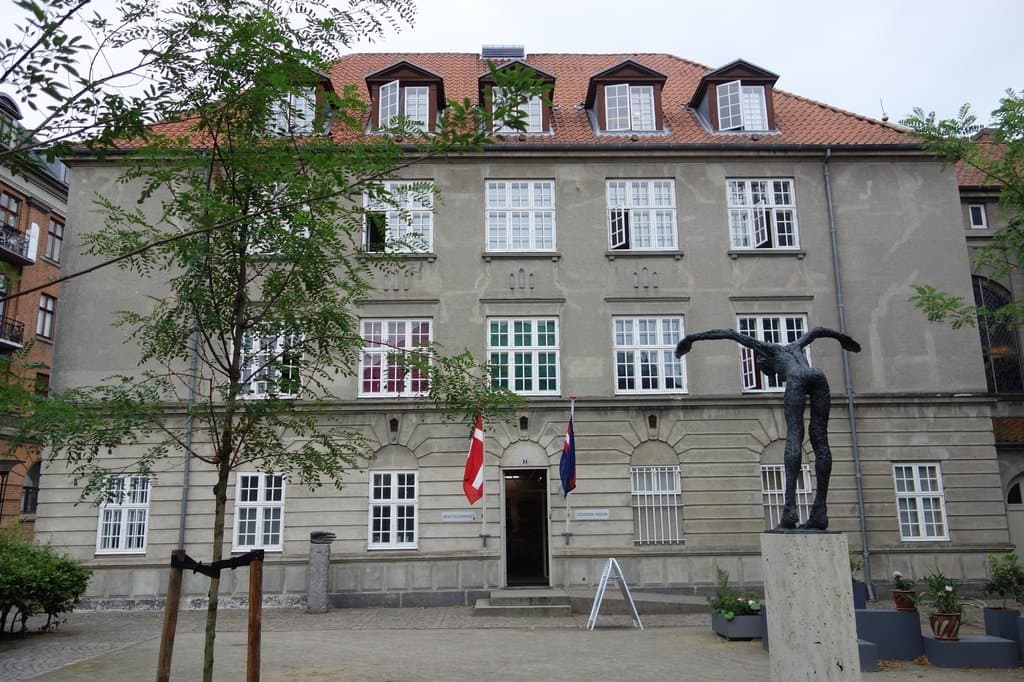
Occupation Museum
Explore Denmark's WWII occupation with honest, nuanced exhibits, original artifacts, and interactive displays that challenge perspectives.
Highlights
Must-see attractions

Social
From TikTok & Reddit
Best Time
Fewer crowds, more reflection
Occupation Museum
Best Time
Fewer crowds, more reflection
Highlights
Must-see attractions
Explore Denmark's WWII occupation with honest, nuanced exhibits, original artifacts, and interactive displays that challenge perspectives.
"Extremely dense information on a fascinating subject; superb and engaging presentation."
📚 Grab an English Guidebook
Essential for understanding exhibits if Danish is not your strong suit. Carry it with you!
⏳ Allow Ample Time
Plan for at least 2 hours to fully absorb the dense information and interactive displays.
Quick Facts
Hours
Rating
4.6 · 343 reviews
Type
Museum
Highlights
Discover the most iconic attractions and experiences
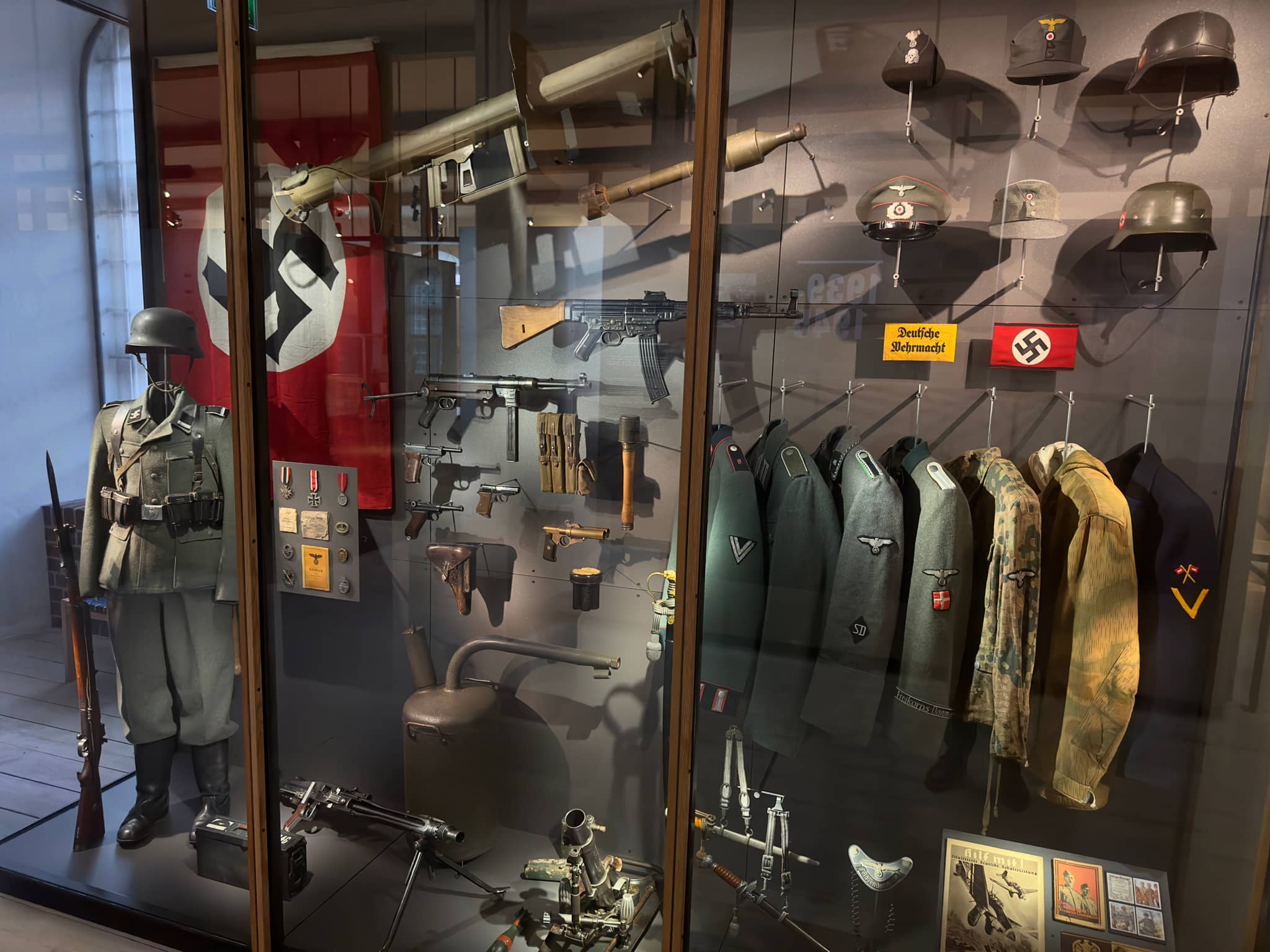
Original Artifacts
Exhibition Halls
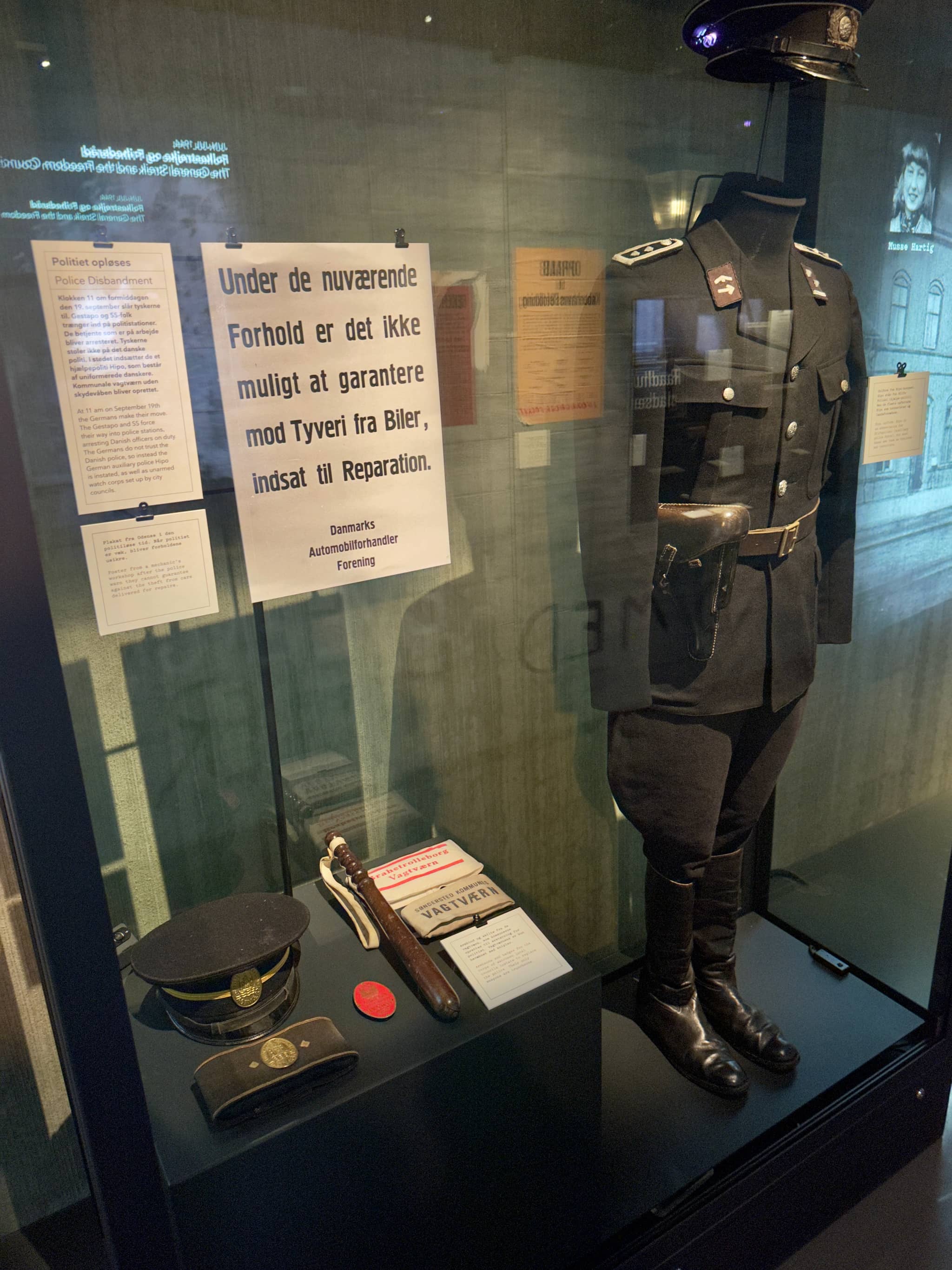
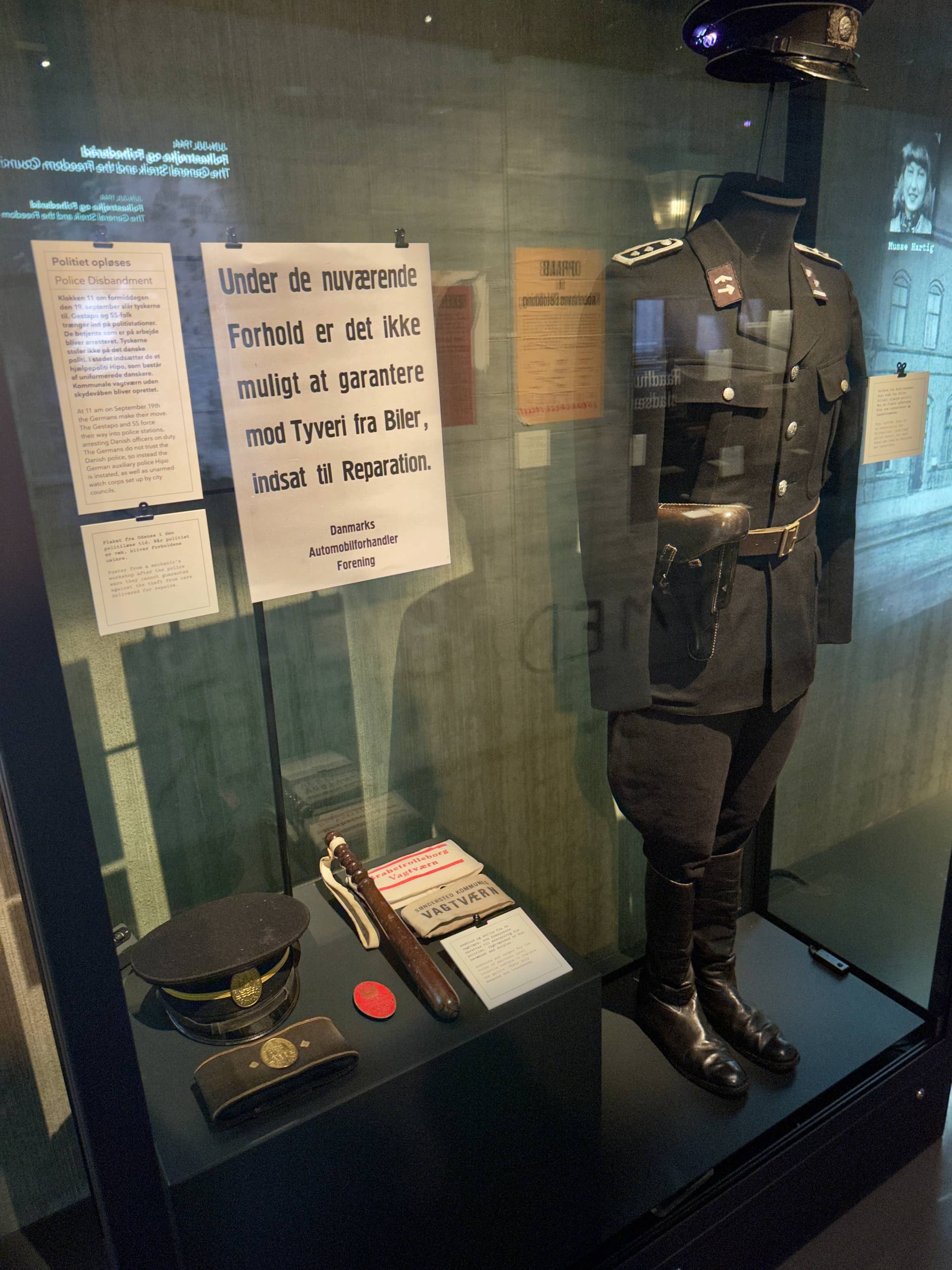
See authentic weapons, uniforms, and personal items from the occupation era. A tangible connection to history.
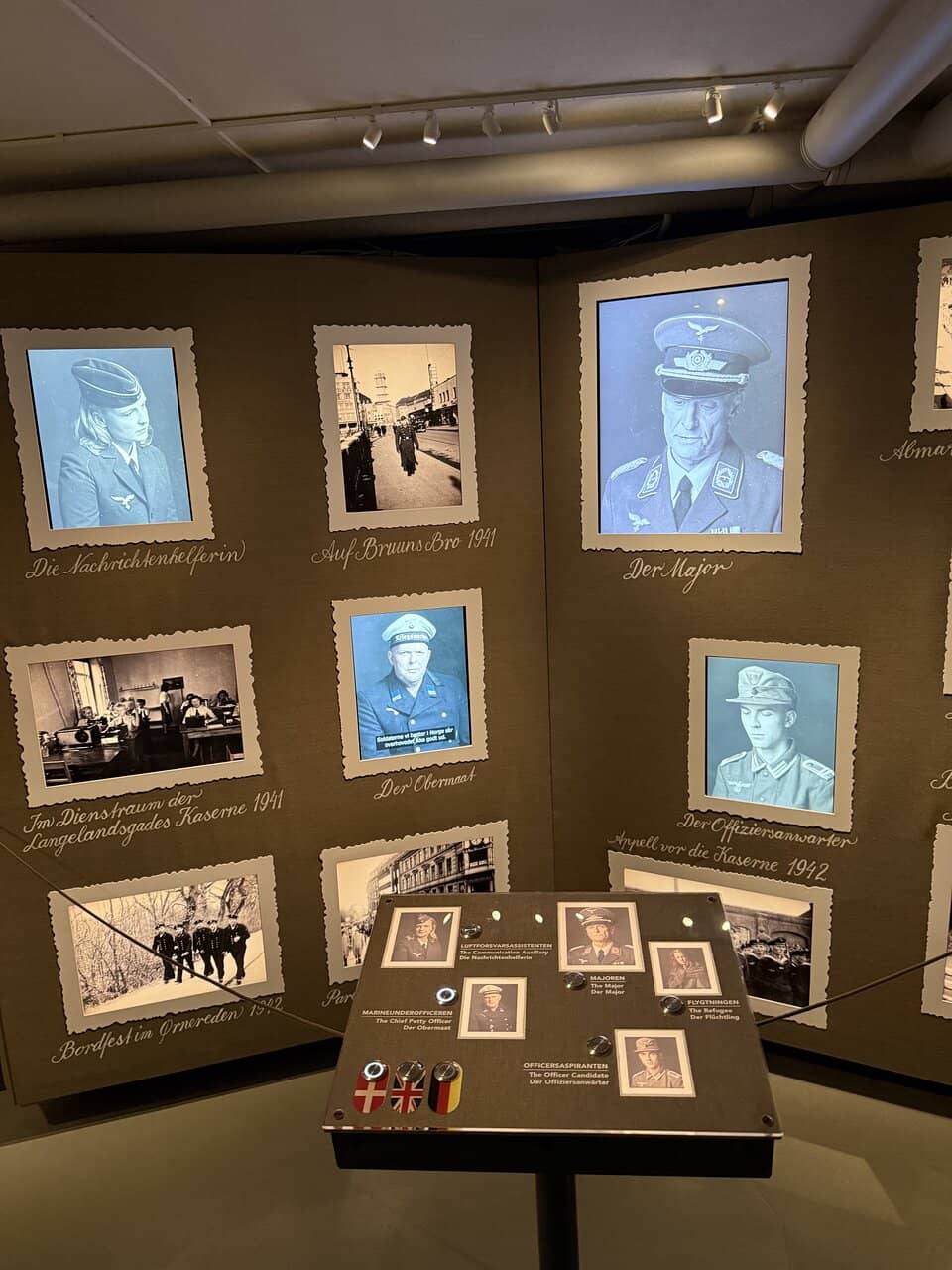
Interactive Displays
Throughout the museum
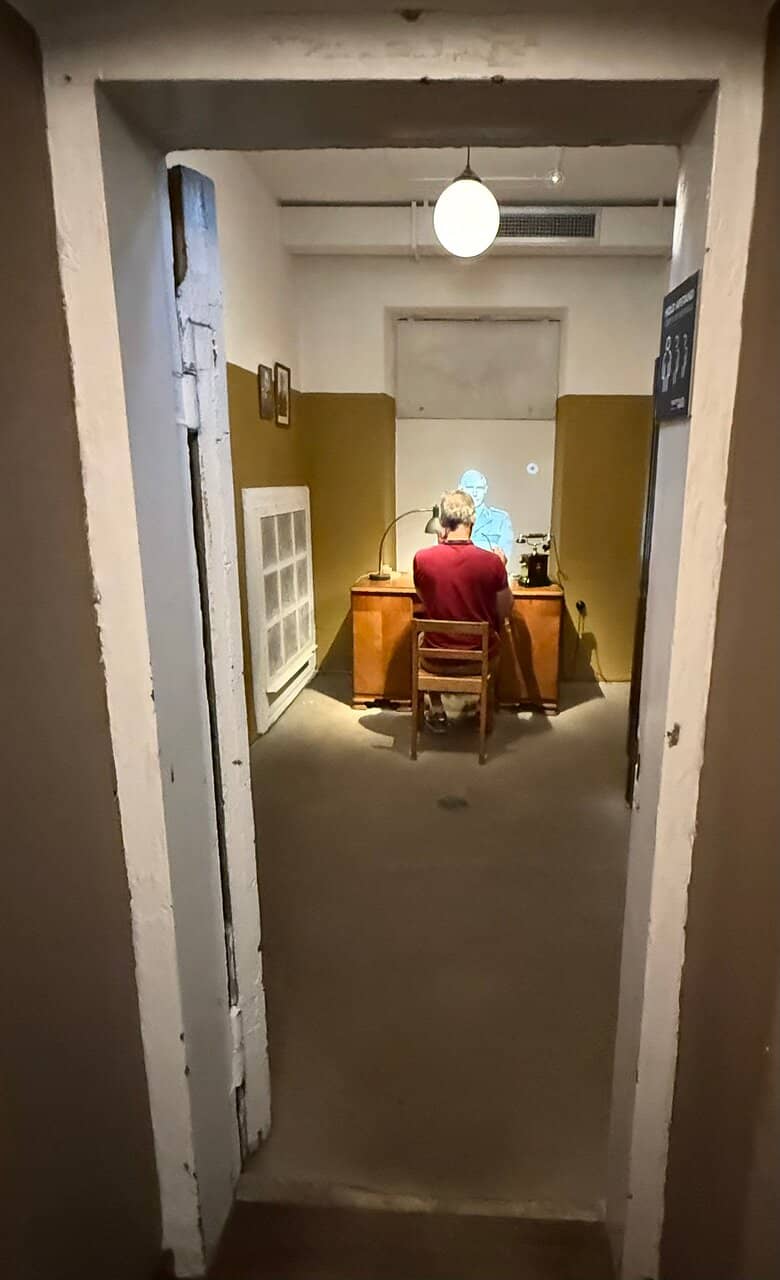
Engage with multimedia presentations and interactive elements that bring the complex story to life.
Ethical Discussions
Throughout the museum
Thought-provoking exhibits that challenge perspectives and invite contemplation on the ethics of war.
Plans like a pro.
Thinks like you
Planning Your Visit
Understand the Occupation's Impact
Navigating the Exhibits
Best Times
Insider Tips
from TikTok, Instagram & Reddit
📚 Grab an English Guidebook
Essential for understanding exhibits if Danish is not your strong suit. Carry it with you!
⏳ Allow Ample Time
Plan for at least 2 hours to fully absorb the dense information and interactive displays.
🗣️ Engage with Staff
Knowledgeable and welcoming, they can offer insights and answer questions in English or Danish.
💡 Prepare for Reflection
The exhibits are designed to challenge viewpoints and encourage discussion.
Tips
from all over the internet
📚 Grab an English Guidebook
Essential for understanding exhibits if Danish is not your strong suit. Carry it with you!
⏳ Allow Ample Time
Plan for at least 2 hours to fully absorb the dense information and interactive displays.
🗣️ Engage with Staff
Knowledgeable and welcoming, they can offer insights and answer questions in English or Danish.
💡 Prepare for Reflection
The exhibits are designed to challenge viewpoints and encourage discussion.
🎬 Utilize Video Options
Many videos offer English subtitles, enhancing understanding of the narrative.
What Travellers Say
Reviews Summary
Visitors praise the Occupation Museum for its dense, honest, and engaging presentation of a fascinating historical subject. The museum effectively uses multimedia and original artifacts to challenge viewpoints and spark discussion. While the primary language is Danish, an English guidebook and subtitled videos help bridge the gap for international visitors.
"Great small museum on the subject of the German occupation of Danmark 1940 - 1945; extremely dense information on a fascinating subject; superb and engaging presentation, including multimedia and interactive elements, but also original exponats, like weapons and uniforms; presentation challenges your viewpoints and invites discussion about ethics"
Martin K.
"Very well thought out museum. Tells a complicated story with great honesty and a lot of nuance. You are well received and given an introduction to the museum in either English or danish by knowledgeable people. You can get an English guidebook, which can help but is not absolutely necessary if you read a bit of danish. The id-card accessory you get functions as a nice red line to guide you through the museum."
Floris van Hal
"very nice experience! went there during the K7 week and i really liked it. a lot of informations and cool stories"
liberto libero
What People Like
What People Dislike
Frequently Asked Questions
🚇 🗺️ Getting There
The Occupation Museum is centrally located and easily accessible by public transport. Many visitors arrive by bus or train, with the nearest stations a short walk away. Check local transit schedules for the most convenient routes.
Limited street parking may be available nearby, but it's often metered and can be difficult to find. Public transportation is generally recommended for ease of access.
Yes, if you are staying in the central areas, walking to the Occupation Museum is a pleasant option and allows you to see more of the city.
Several local bus routes service the area around the museum. It's best to consult a local transit map or app for the most up-to-date route information.
The museum is generally accessible, but it's always a good idea to contact them directly to confirm specific accessibility features and arrangements.
🎫 🎫 Tickets & Entry
The museum typically operates during standard daytime hours, but it's crucial to check their official website for the most current opening and closing times, as these can vary seasonally.
Admission fees are usually reasonable, with potential discounts for students or seniors. Check the museum's website for exact pricing and any special offers.
Booking tickets online in advance is often recommended, especially during peak tourist seasons, to guarantee entry and potentially save time.
While not always mandatory, booking a time slot can help manage visitor flow and ensure a smoother experience. Check the museum's ticketing page for details.
Information on free admission days is not widely advertised, so it's best to check the museum's official channels for any such promotions.
🎫 🧭 Onsite Experience
Most visitors find that 2 to 3 hours are needed to thoroughly explore the museum's exhibits and interactive elements.
While the subject matter is serious, the interactive elements can engage older children. However, younger children might find the historical context challenging.
Knowledgeable staff provide introductions and are available to answer questions, though formal guided tours might be limited.
Exhibits primarily feature Danish text. An English guidebook is available, and many videos have English subtitle options.
Photography policies can vary. It's best to check for signage or ask staff about restrictions on taking photos, especially with flash.
🍽️ 🍽️ Food & Dining
The museum itself may not have extensive dining facilities, but there are usually cafes and restaurants located nearby in the surrounding area.
Generally, outside food and beverages are not permitted inside museum exhibition spaces. Check their specific policy upon arrival.
The museum is situated in an area with numerous dining options, ranging from casual cafes to more formal restaurants, catering to various tastes and budgets.
You'll likely find a mix of traditional Danish cuisine and international options in the restaurants surrounding the museum.
Depending on the location, there might be public parks or squares nearby where you could enjoy a picnic before or after your visit.
📸 📸 Photography
While photography rules apply, the exterior architecture and some of the display cases with artifacts can make for compelling shots.
Phone cameras are often allowed, but flash photography is usually prohibited to protect the exhibits. Always look for signs or ask staff.
Commercial photography typically requires special permission. For personal use, standard rules usually apply.
The lighting is designed to preserve the artifacts, which can sometimes be dim. This can create a dramatic atmosphere for photos.
The original artifacts, such as uniforms and weapons, often have a strong visual presence. The interactive displays can also offer unique photographic opportunities.




Social
from TikTok, Instagram & Reddit