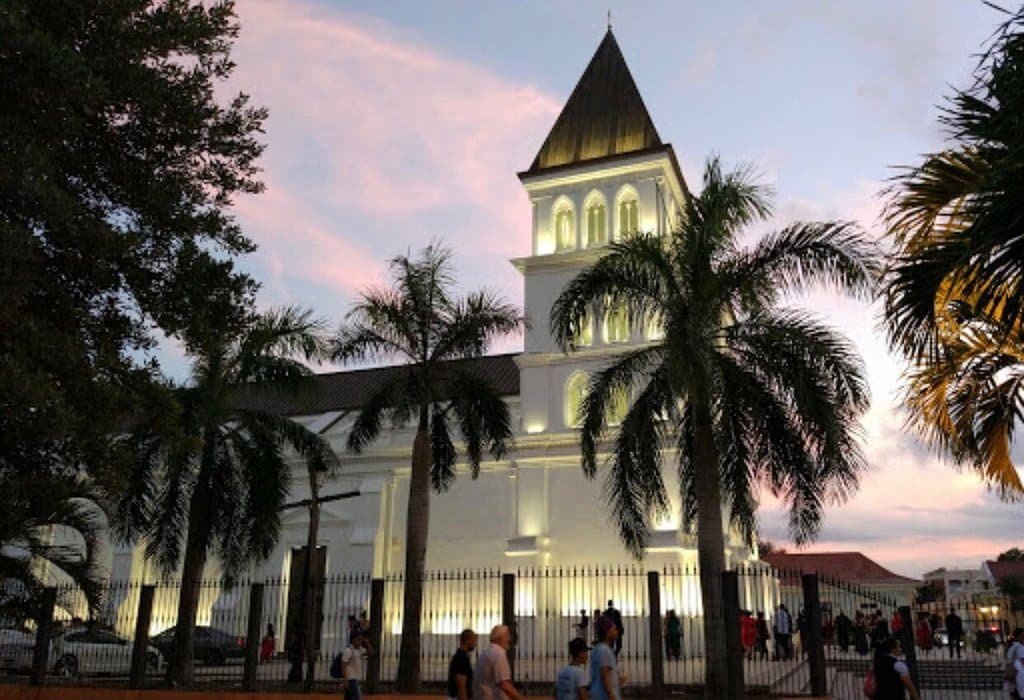
Catedral de Santiago Apóstol
A majestic Romanesque cathedral, the final destination of the Camino de Santiago, housing the tomb of Saint James the Great.
Highlights
Must-see attractions

Social
From TikTok & Reddit
Best Time
Fewer tour groups
Catedral de Santiago Apóstol
Best Time
Fewer tour groups
Highlights
Must-see attractions
A majestic Romanesque cathedral, the final destination of the Camino de Santiago, housing the tomb of Saint James the Great.
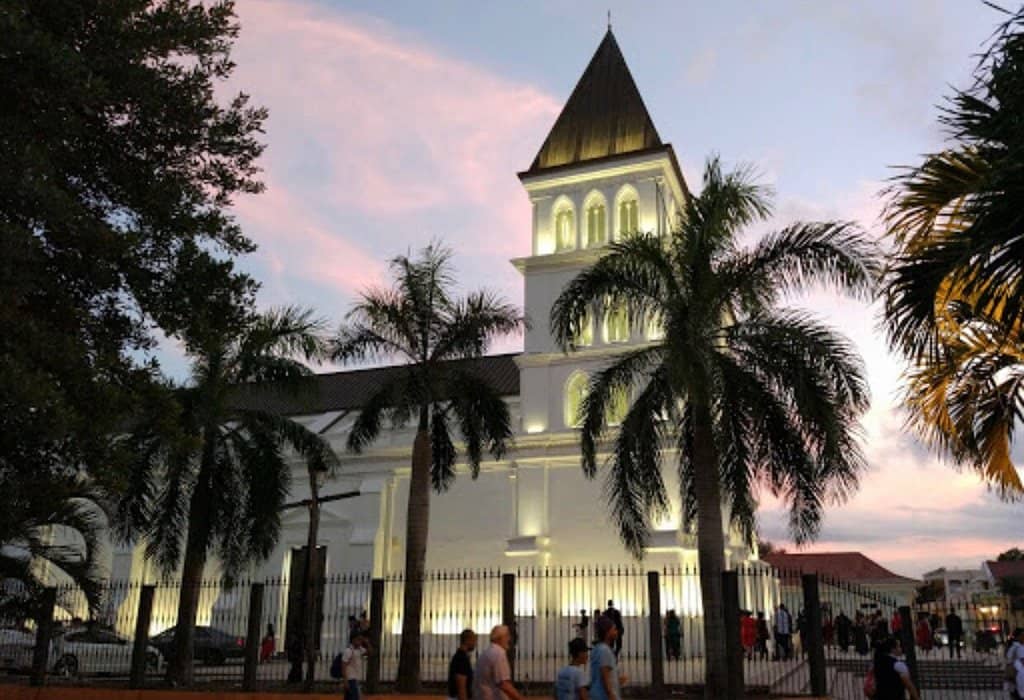
"Amazing to see the building in the outside, still amazed at the ornate architecture. "
Check Opening Hours
Cathedrals often close midday. Verify times to avoid disappointment. :clock1:
Book Tours in Advance
Informative tours enhance understanding of history and art. Book ahead for popular times. 🎟️
Quick Facts
Hours
Rating
4.8 · 1,152 reviews
Type
Church
Highlights
Discover the most iconic attractions and experiences
The Tomb of Saint James
Crypt
The sacred resting place of the Apostle, a central point for pilgrims and visitors alike.

Botafumeiro Ceremony
Nave
Witness the dramatic swinging of this giant censer during special services, filling the cathedral with incense.
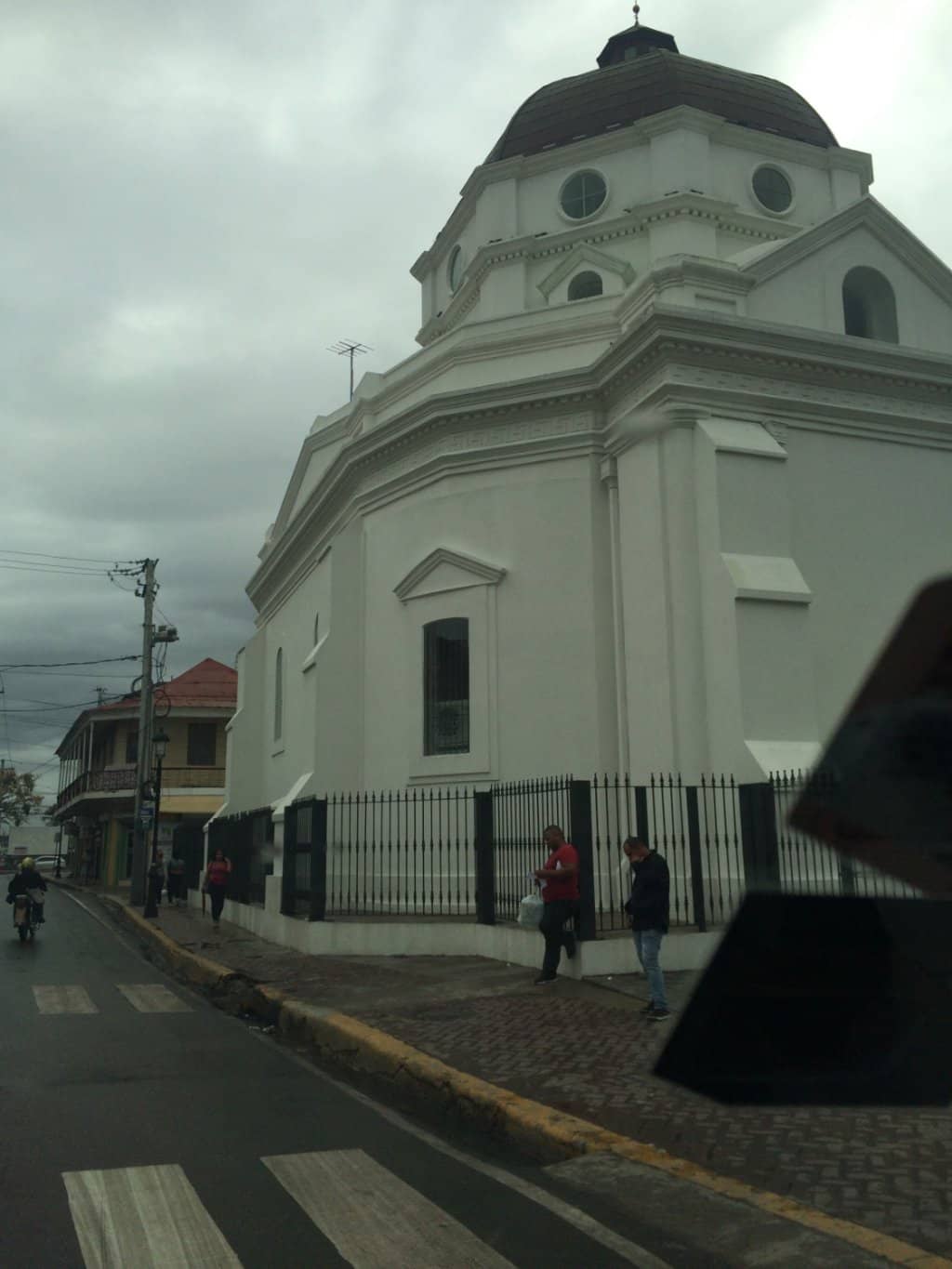
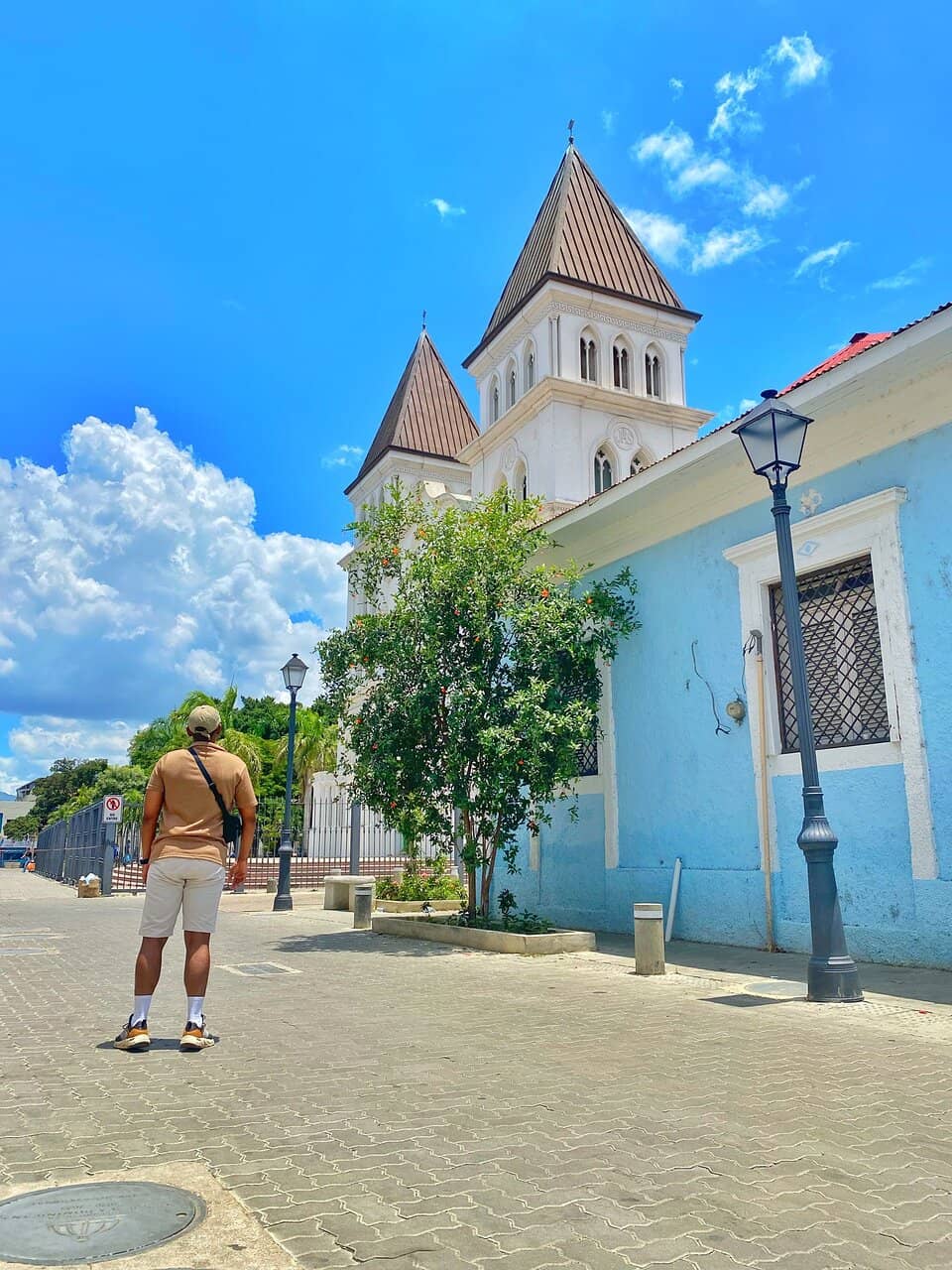
Ornate Architecture
Exterior and Interior
Marvel at the intricate details and grandeur of this Romanesque and Baroque masterpiece.
Plans like a pro.
Thinks like you
Planning Your Visit
Timing Your Visit
Understanding the Significance
Best Times
Insider Tips
from TikTok, Instagram & Reddit
Check Opening Hours
Cathedrals often close midday. Verify times to avoid disappointment. :clock1:
Book Tours in Advance
Informative tours enhance understanding of history and art. Book ahead for popular times. 🎟️
Respectful Attire
Dress modestly when visiting. Shoulders and knees should be covered. 👗
Quiet Reflection
Embrace the spiritual atmosphere. Keep noise levels low for a peaceful visit. 🙏
Tips
from all over the internet
Check Opening Hours
Cathedrals often close midday. Verify times to avoid disappointment. :clock1:
Book Tours in Advance
Informative tours enhance understanding of history and art. Book ahead for popular times. 🎟️
Respectful Attire
Dress modestly when visiting. Shoulders and knees should be covered. 👗
Quiet Reflection
Embrace the spiritual atmosphere. Keep noise levels low for a peaceful visit. 🙏
What Travellers Say
Reviews Summary
Visitors consistently praise the Cathedral's stunning architecture and historical significance, calling it a must-see in Santiago. The spiritual atmosphere and the impressive Botafumeiro ceremony are frequently highlighted as memorable experiences. However, some note that the church can be closed during certain hours, and the presence of beggars outside the main entrance can be a stark contrast to the ornate beauty within.
"Nice church. In a busy part of the city. Was closed , but it was amazing to see the building in the outside."
Rus7 Burd
"Really nice church with main square next to it. It was closed during the day."
Juraj Sasko
"A beautiful church in the middle of the city worth seeing. I'm still amazed at the ornate architecture and money spent on these churches, including BOSE speakers everywhere. Then outside the church you will have beggars and the poorest of the poor. Either way, it's still a site worth seeing if you are visiting Santiago."
Ken Harrington
What People Like
What People Dislike
Frequently Asked Questions
🚇 🗺️ Getting There
The Cathedral is centrally located in Santiago de Compostela, Spain, and is the endpoint of the Camino de Santiago. It's easily accessible on foot from most parts of the city. For those arriving from further afield, the nearest airport is Santiago de Compostela Airport (SCQ), with bus and taxi services available to the city center.
Parking in the immediate vicinity of the Cathedral can be challenging due to its historic city center location. It's recommended to use public parking garages located a short walk away, such as the Praza da Inmaculada or the Mercado de Abastos parking.
Yes, the Cathedral is well-served by local buses that stop near the main squares. If you're arriving by train or long-distance bus, you can take a local bus or a taxi to get closer to the Cathedral.
🎫 🎫 Tickets & Entry
Entry to the main cathedral is generally free, but there may be a fee for specific areas like the museum, treasury, or rooftop access. It's always best to check the official website for the most current information on ticketing and access.
Opening hours can vary, and the Cathedral often closes for a few hours during the midday. Typically, it opens in the morning and closes in the evening, with specific times for weekdays and Sundays. Always verify the current schedule before your visit.
While there isn't a strict formal dress code, visitors are expected to dress respectfully. This means covering shoulders and knees. Avoid overly revealing clothing.
Yes, the tomb of Saint James is a central feature of the Cathedral. Access to the crypt where the tomb is located is usually included with general admission or a specific ticket for that area.
Guided tours are highly recommended to fully appreciate the history and art of the Cathedral. They are often available in multiple languages and can be booked in advance through the Cathedral's official channels or reputable tour operators.
🎫 ⛪ Onsite Experience
The Botafumeiro is a massive silver censer that swings dramatically through the cathedral's nave during special religious services. It's a breathtaking spectacle. Dates and times for Botafumeiro ceremonies are usually posted on the Cathedral's website and are subject to change.
Besides the tomb of Saint James, key attractions include the Botafumeiro, the Pórtico de la Gloria (a stunning Romanesque portal), the choir, the various chapels, and the Cathedral Museum which houses important religious artifacts.
Efforts have been made to improve accessibility, but due to its ancient structure, some areas might be challenging. It's advisable to contact the Cathedral directly for specific information regarding accessibility for wheelchairs or mobility issues.
Photography is generally permitted in most areas of the Cathedral, but flash photography is usually prohibited to protect the artwork and maintain a respectful atmosphere. Some specific exhibits or areas might have restrictions.
The Camino de Santiago is a network of pilgrimage routes leading to the shrine of the apostle Saint James the Great. The Cathedral of Santiago de Compostela is the final destination for pilgrims, making it a place of immense spiritual and cultural importance.
🍽️ 🍽️ Food & Dining
Yes, the area surrounding the Cathedral is bustling with restaurants, cafes, and tapas bars offering a wide range of Galician cuisine. You can find everything from traditional seafood dishes to quick bites.
Don't miss trying Galician specialties like 'pulpo a la gallega' (octopus), 'empanada gallega' (savory pie), and fresh seafood. Local wines, especially Albariño, are also a must-try.
📸 📸 Photography
The Obradoiro Square in front of the Cathedral offers iconic views. For different perspectives, explore the surrounding streets and plazas, like the Praza da Quintana. The rooftop tours also provide stunning panoramic shots.
Tripods are generally not allowed inside the Cathedral to avoid obstructing other visitors and to protect the delicate environment. Always check for specific signage or ask staff if unsure.
Social
from TikTok, Instagram & Reddit