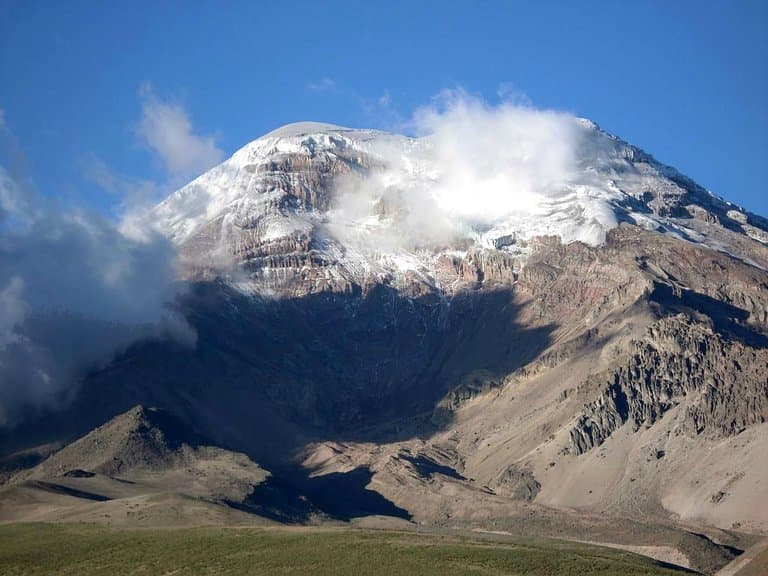
Mount Chimborazo
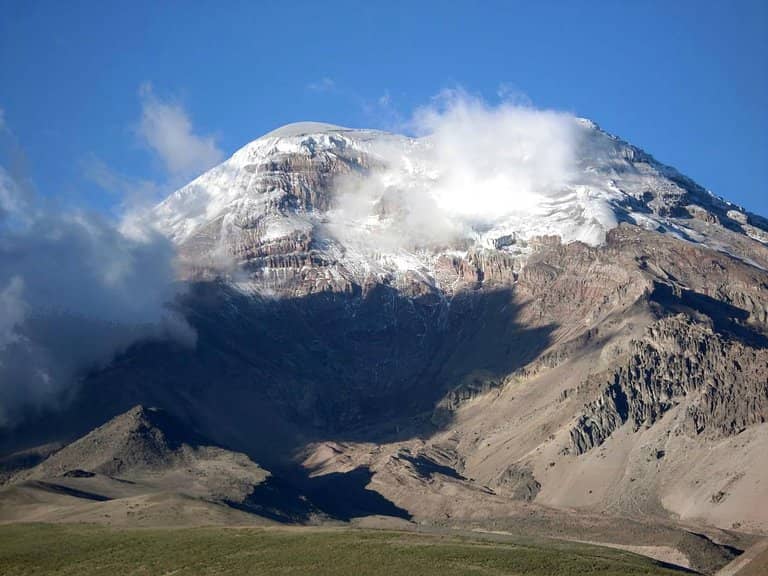
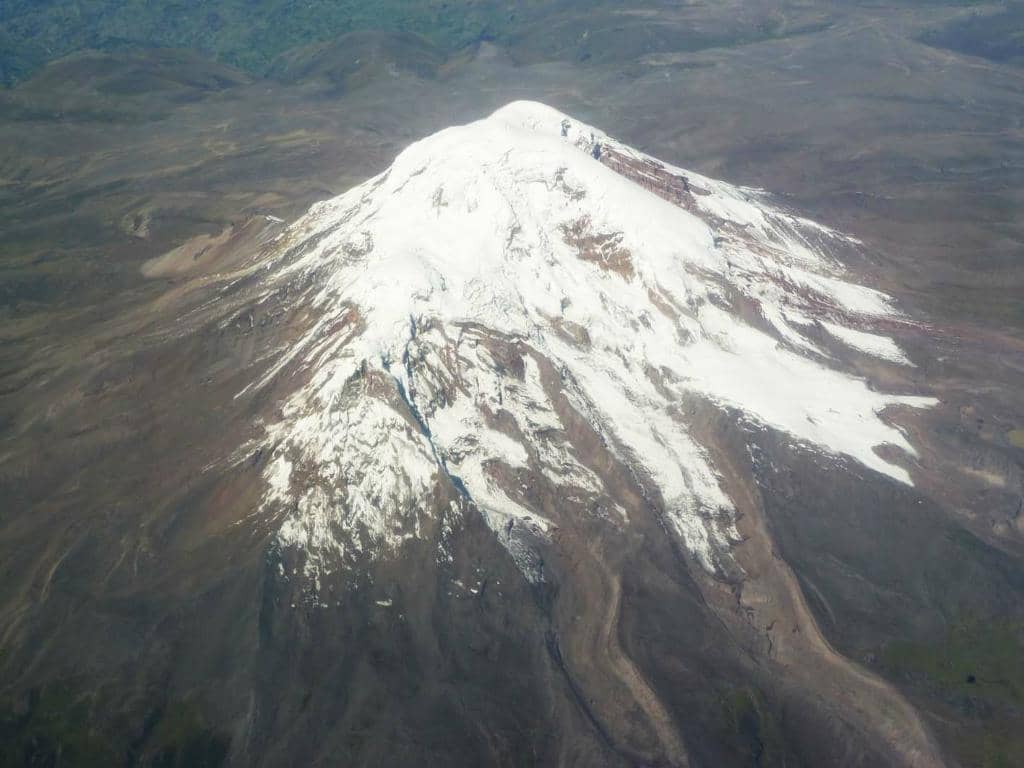
Ecuador's highest peak, Mount Chimborazo, is the farthest point from Earth's center, offering a challenging climb and stunning glacial landscapes.
Highlights
Must-see attractions

Social
From TikTok & Reddit
Best Time
Clearer skies, better views
Mount Chimborazo
Best Time
Clearer skies, better views
Highlights
Must-see attractions
Ecuador's highest peak, Mount Chimborazo, is the farthest point from Earth's center, offering a challenging climb and stunning glacial landscapes.
"The climb was not as technical as I thought it would be... Amazing climb with a gorgeous sunrise at the top."
🚶♂️ Pace Yourself
Climbing Chimborazo requires strength & stamina. Take deep breaths; the air is thin!
☁️ Be Patient for Views
Fog can obscure views. Wait it out; clear moments offer incredible vistas.
Quick Facts
Rating
4.7 · 1,686 reviews
Type
Natural Feature
Address
Highlights
Discover the most iconic attractions and experiences
Summit Sunrise
Summit
Witness a sunrise like no other, with the sun appearing larger from this unique vantage point. Truly an otherworldly experience.
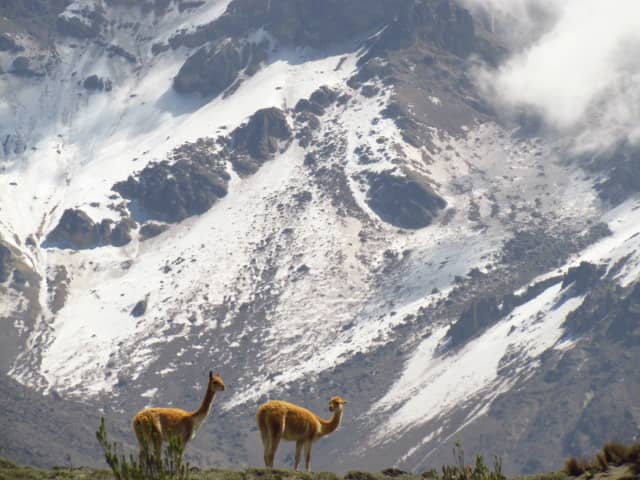
Farthest Point from Earth's Center
Summit
Stand at the point on Earth's surface farthest from its core – a truly unique geographical marvel.
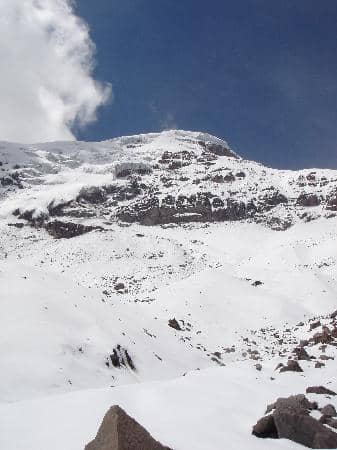
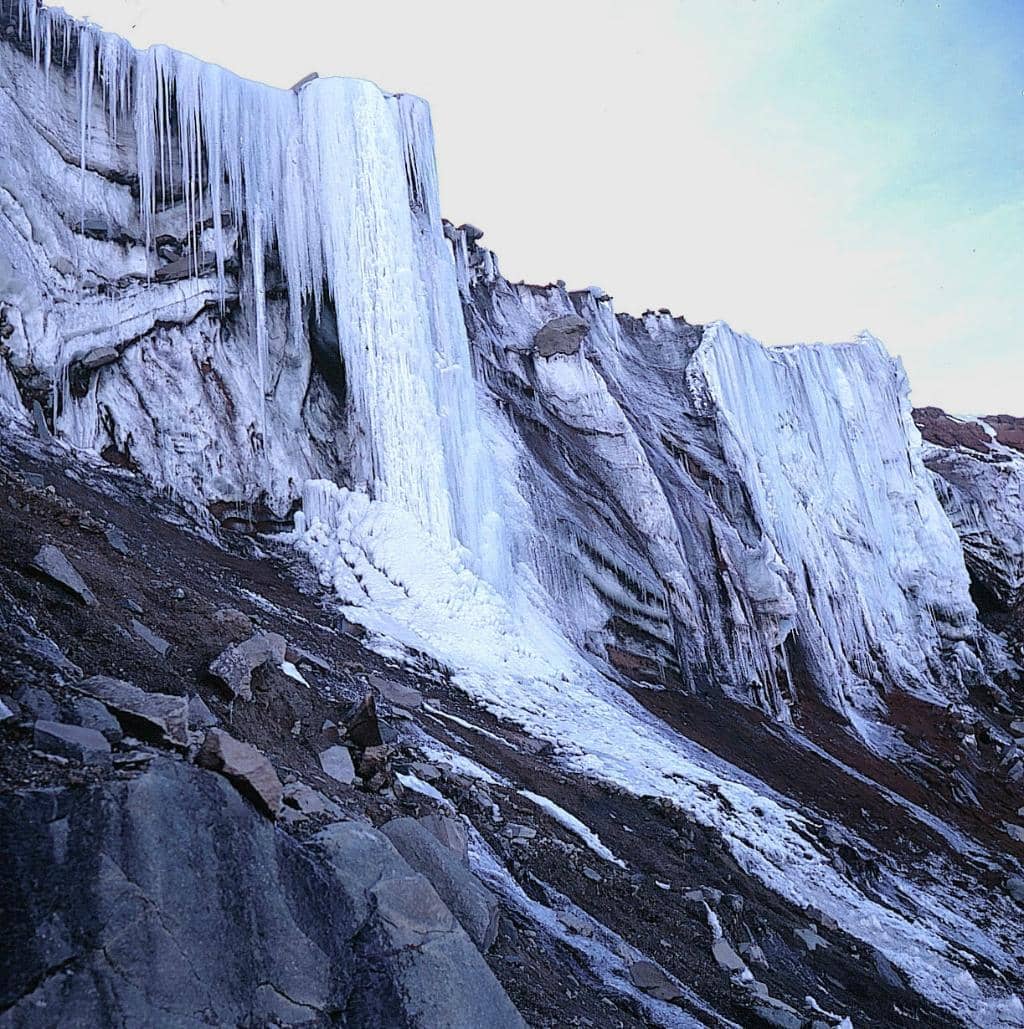
Glacial Landscapes
Upper slopes
Trek through stunning glacial terrain, a stark and beautiful environment that tests your stamina.
Plans like a pro.
Thinks like you
Planning Your Visit
Acclimatization is Key
Weather Waits for No One
Best Times
Insider Tips
from TikTok, Instagram & Reddit
How best to prepare to summit Chimborazo in one month
I am a mid-20s male who is attempting to hike to the summit of Chimborazo in one month. I am relatively fit, and have been running and using the stairmaster at the gym to help prepare for this climb. I've done a few hikes before but nothing this technical or near this…
🚶♂️ Pace Yourself
Climbing Chimborazo requires strength & stamina. Take deep breaths; the air is thin!
☁️ Be Patient for Views
Fog can obscure views. Wait it out; clear moments offer incredible vistas.
Cheapest way to do Chimborazo
So there are a lot of packages I see that seem amazing but are just super expensive and too long for me to pull (12-16 day trips). I read one person stayed at a place near the base and did day hikes for a few days to acclimate then summited Chimborazo with a guide the last day.…
Chimborazo Travel Tips
I’m in Ecuador for the next 2 weeks and would like to hike Chimborazo. I’m in Quito now and see a variety of options for Chimborazo guided hikes. Are there any you recommend? What method would you recommend for traveling there? Do any tours start in Quito and then lead up to a…
⛰️ Acclimatize Properly
Don't rush. Allow ample time to adjust to the altitude to avoid headaches.
☀️ Sun's Unique Size
The summit offers a view of a larger sun due to your distance from Earth's center.
Chimborazo… thoughts?
Hi! I’m an intermediate mountaineer and have summited a few 5,000m+ mountains. I’d like to try summiting 6,000m+ and was recommended Chimborazo by some mountaineering buddies. To anyone who has climbed— do you have any tips, recommendations, feedback? I’d love to hear about…
Tips
from all over the internet
🚶♂️ Pace Yourself
Climbing Chimborazo requires strength & stamina. Take deep breaths; the air is thin!
☁️ Be Patient for Views
Fog can obscure views. Wait it out; clear moments offer incredible vistas.
⛰️ Acclimatize Properly
Don't rush. Allow ample time to adjust to the altitude to avoid headaches.
☀️ Sun's Unique Size
The summit offers a view of a larger sun due to your distance from Earth's center.
What Travellers Say
Reviews Summary
Visitors rave about Mount Chimborazo's unique status as the farthest point from Earth's center and the breathtaking sunrise views from the summit. The challenging climb is considered worth the effort for the incredible experience and unique perspective. However, many note the significant impact of altitude, the unpredictable weather that can obscure views, and the demanding nature of the ascent.
"Mountain is amazing but it gets too foggy. Need to be patient waiting for weather to clear to get a nice view."
Kevin
"Wonderful mountain.
The highest in the world from the center of the earth 🌎.
Enjoy.
You might get headaches.
Be cognizant of this!"
Mansour Mansouri
"The climb was not as technical as I thought it would be based on what I've read, but it definitely requires a measure of strength, stamina, and a large share of deep breaths! Amazing climb with a gorgeous sunrise at the top."
Minh Chau
What People Like
What People Dislike
Frequently Asked Questions
🚇 🗺️ Getting There
Most visitors travel from Riobamba, which is the closest major city. You can hire a taxi or arrange a tour that includes transportation to the mountain's base or the Hermanos Carrel refuge.
The most common approach is via a guided climb from the Hermanos Carrel refuge. This typically involves an overnight ascent to reach the summit for sunrise.
Direct public transport to the higher altitudes is limited. Buses run to the general vicinity of the national park, but you'll likely need a taxi or tour for the final leg.
From Riobamba, it's about a 1.5 to 2-hour drive to the Hermanos Carrel refuge, the starting point for many climbs.
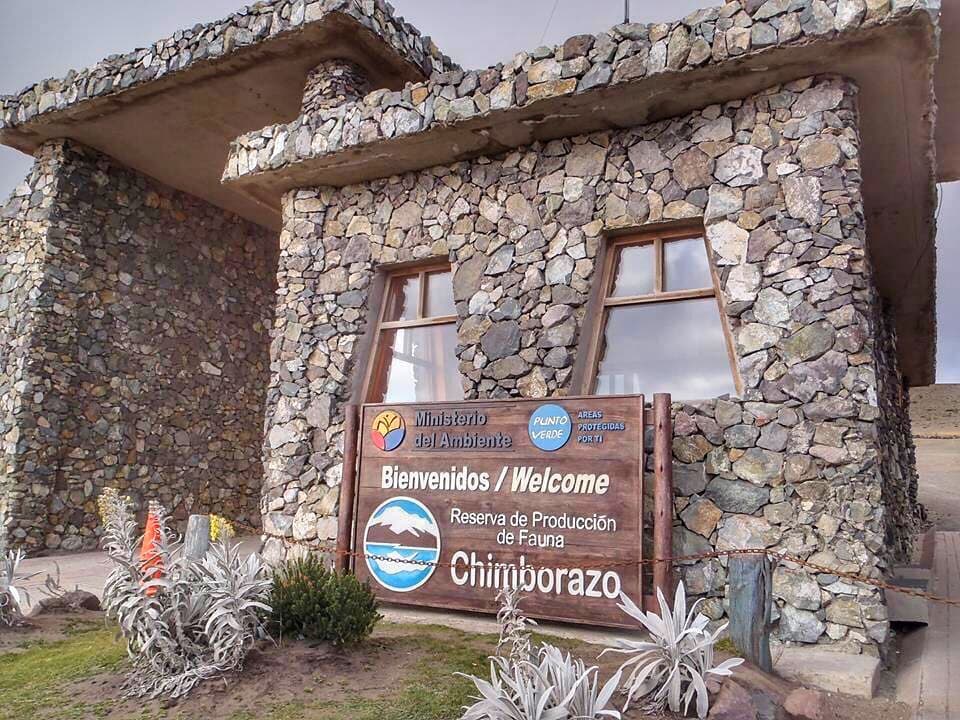
Yes, you can visit the Chimborazo Wildlife Production Reserve to see the landscapes and wildlife without attempting the summit.
🎫 🎫 Tickets & Entry
Yes, there is an entrance fee for the Chimborazo National Park. It's advisable to check the current fees before your visit.
Typically, there are different fee structures. Confirm the exact pricing upon arrival or through official park information channels.
Advance online ticket purchase options may be limited. It's generally recommended to purchase tickets at the park entrance or through your tour operator.
The Chimborazo National Park is generally open year-round, but specific access to trails or refuges might have hours. It's best to check with local authorities or tour operators.
While not strictly mandatory for all parts of the park, hiring a certified guide is highly recommended, especially for summit attempts, due to the altitude and potential weather changes.
🎫 ⛰️ Onsite Experience
Mount Chimborazo stands at an impressive 6,263 meters (20,548 feet) above sea level, making acclimatization crucial.
The Chimborazo National Park is a protected area where you can spot vicuñas, llamas, alpacas, and various Andean birds.
Dress in layers! You'll need warm clothing, waterproof outerwear, sturdy hiking boots, gloves, and a hat. Sun protection is also essential.
The Hermanos Carrel refuge offers basic facilities, including food and accommodation for climbers. It's wise to carry your own snacks and water.
The climb is challenging due to the altitude and steepness, requiring good physical condition and stamina. It's not overly technical but demands endurance.
📸 📸 Photography
Early morning, just after sunrise, often offers the clearest light and best chances for unobstructed views before the fog rolls in.
Expect dramatic glacial landscapes, panoramic mountain vistas (weather permitting), and opportunities to photograph Andean wildlife like vicuñas.
The areas around the Hermanos Carrel refuge offer stunning perspectives. As you ascend, various points provide unique angles of the mountain and surrounding valleys.
A wide-angle lens is great for landscapes, and a telephoto lens can be useful for wildlife. A sturdy tripod can help with low-light conditions.
Rapidly changing weather, especially fog, can be a challenge. Be prepared to wait for clear moments or embrace moody, atmospheric shots.


Social
from TikTok, Instagram & Reddit