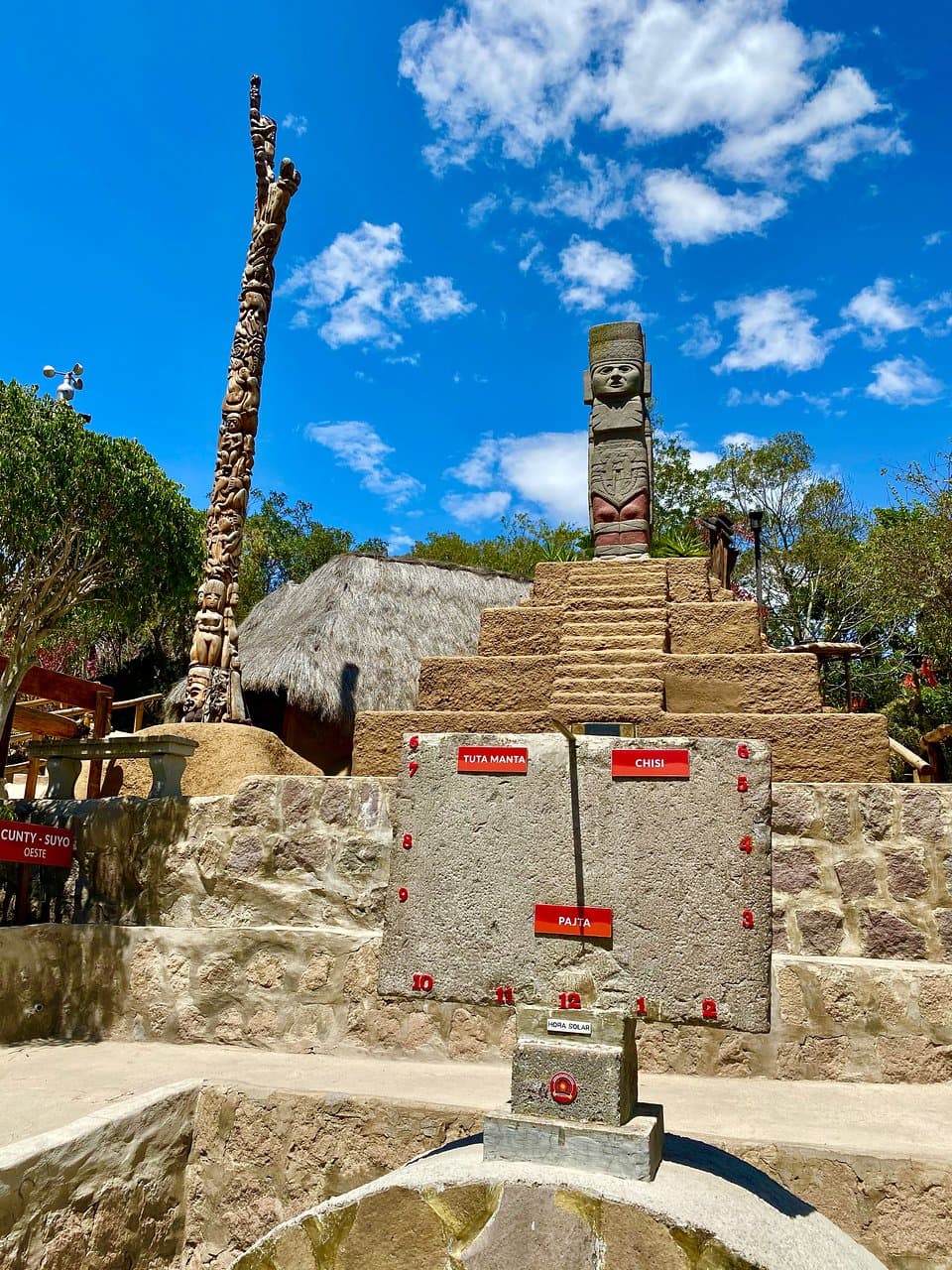
Intiñan Museum
Discover the 'true' equator line with fun science experiments and rich indigenous culture at the Intiñan Museum.

Highlights
Must-see attractions

Social
From TikTok & Reddit
Best Time
Fewer crowds, better demos
Intiñan Museum
Best Time
Fewer crowds, better demos
Highlights
Must-see attractions
Discover the 'true' equator line with fun science experiments and rich indigenous culture at the Intiñan Museum.
"It is the TRUE equator line. This is demonstrated by the various science experiments they conduct on the equator line."
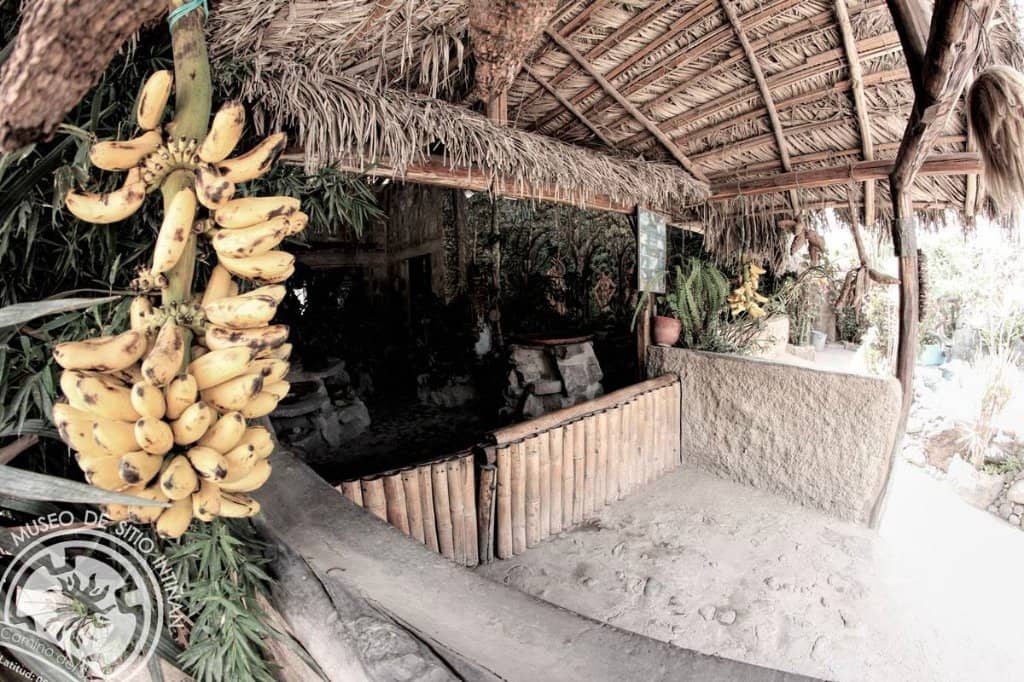
🎯 Choose Your Guide Wisely
Ask for guides like Jhon Silva or Arnold; they make tours fun and informative!
🥚 Practice Egg Balancing
Try balancing an egg on a nail; it's a fun challenge and part of the experience!
Quick Facts
Hours
Rating
4.7 · 3,935 reviews
Type
Museum
Highlights
Discover the most iconic attractions and experiences
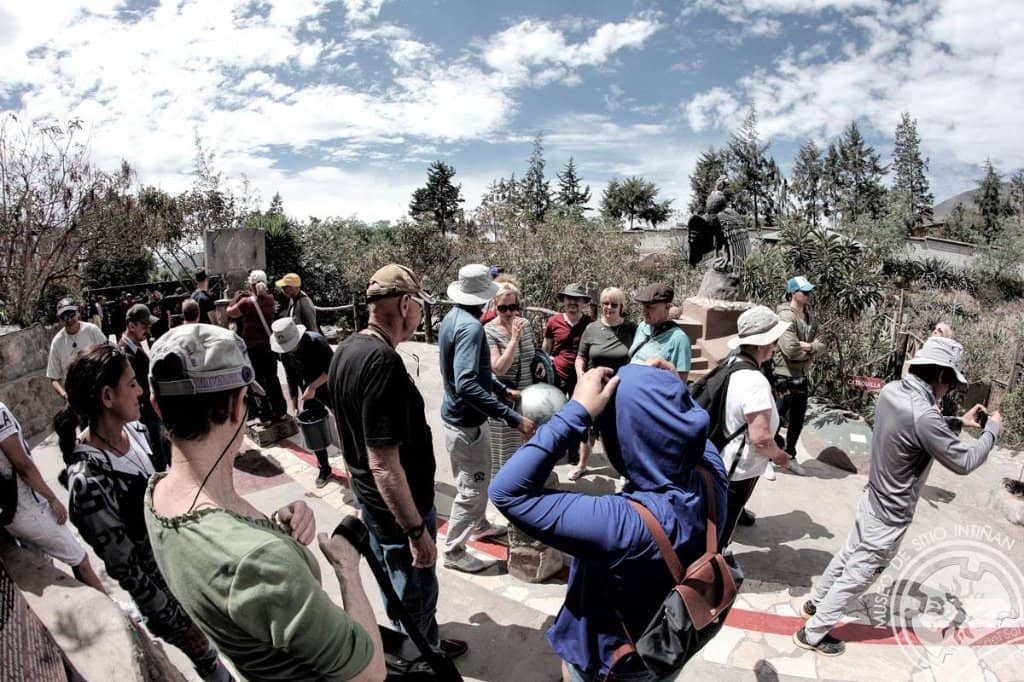
Equator Line Experiments
The Equator Line
Witness fascinating demonstrations proving the unique effects of the equator, like water spinning differently.
Indigenous Culture Exhibits
Museum Interior
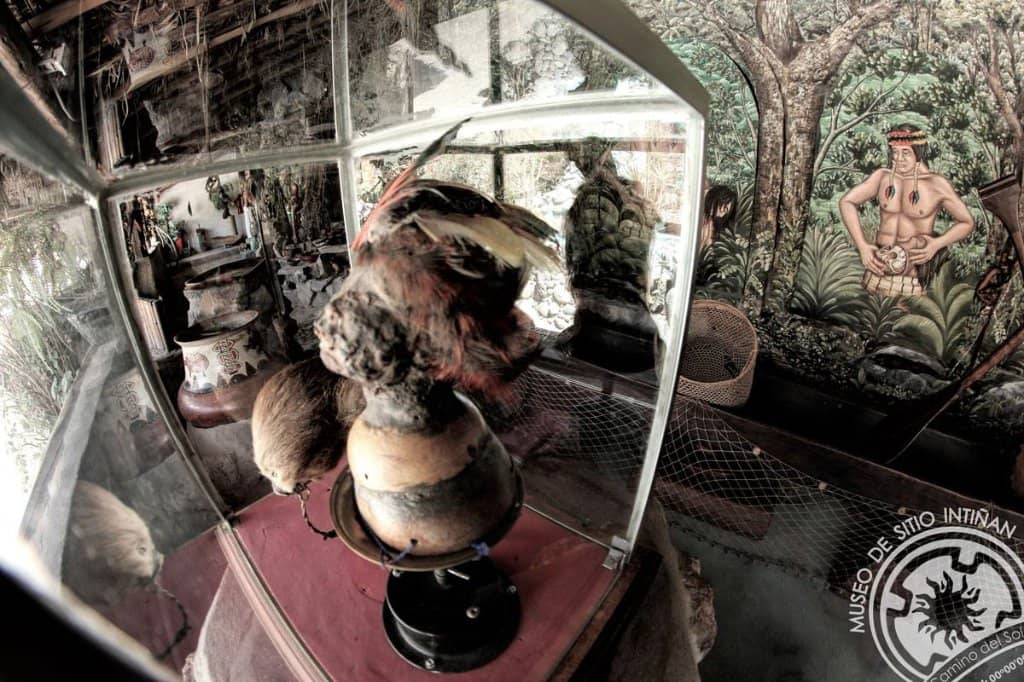
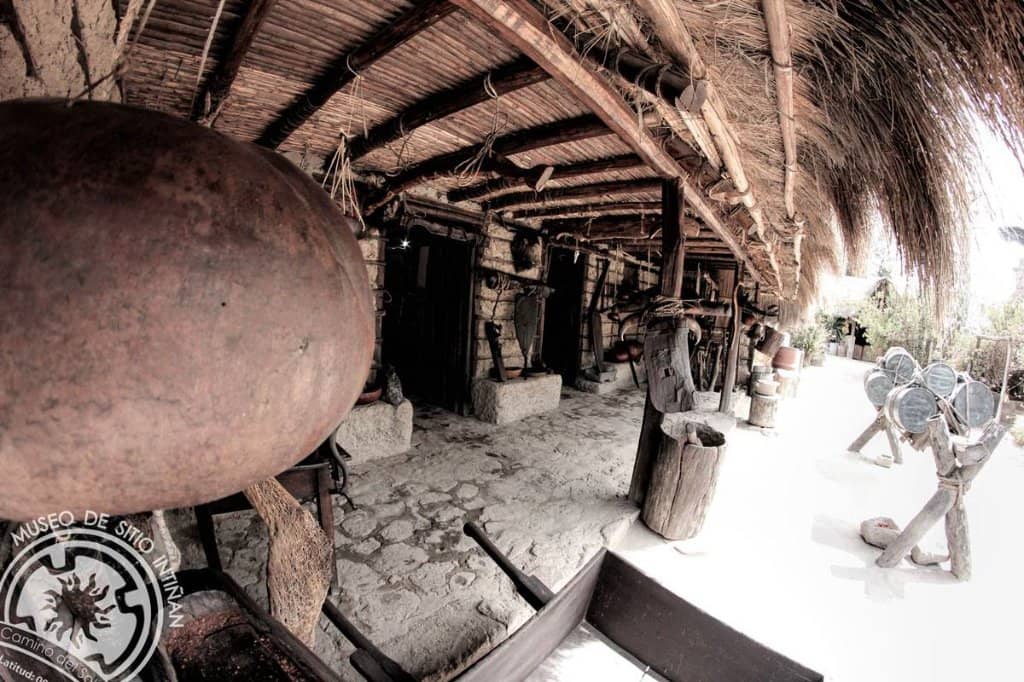
Explore displays showcasing Ecuadorian indigenous cultures and the diverse flora and fauna of the region.
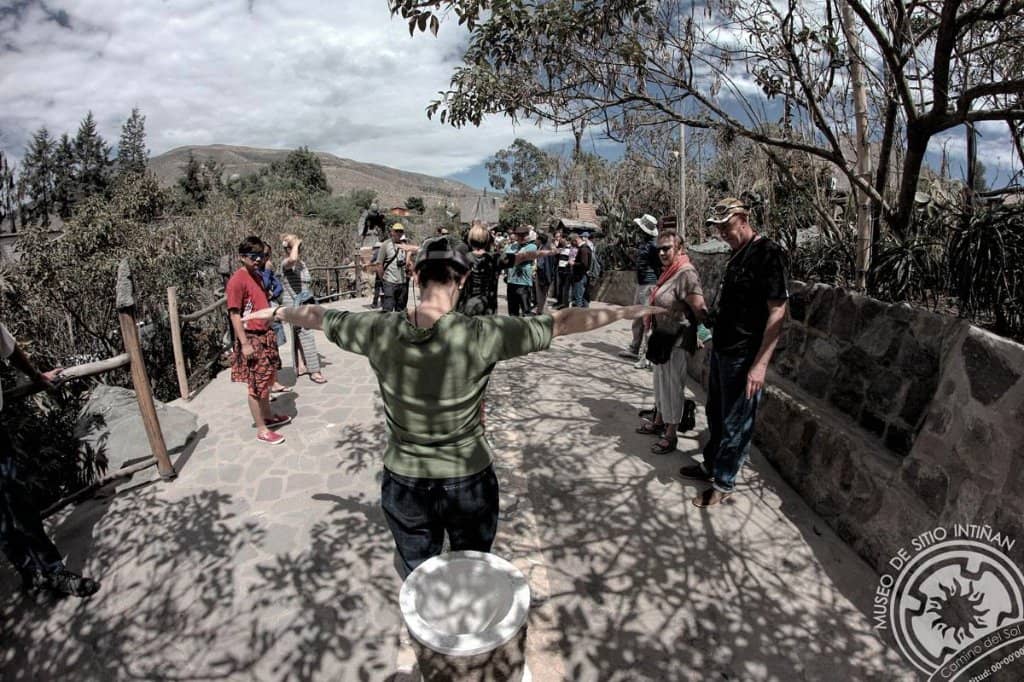
The 'True' Equator
Marked Equator Line
Stand on the precise zero meridian and take photos, a key draw for many visitors.
Plans like a pro.
Thinks like you
Planning Your Visit
The Real Equator Line
Science vs. Gimmicks
Best Times
Insider Tips
from TikTok, Instagram & Reddit
🎯 Choose Your Guide Wisely
Ask for guides like Jhon Silva or Arnold; they make tours fun and informative! +1
🥚 Practice Egg Balancing
Try balancing an egg on a nail; it's a fun challenge and part of the experience!
🧭 Compass Fun
See how water spins differently on either side of the equator. It's more interesting than you think!
📸 True Equator Photo Op
Get your photo on the 'true' equator line, not just any monument.
Tips
from all over the internet
🎯 Choose Your Guide Wisely
Ask for guides like Jhon Silva or Arnold; they make tours fun and informative! +1
🥚 Practice Egg Balancing
Try balancing an egg on a nail; it's a fun challenge and part of the experience!
🧭 Compass Fun
See how water spins differently on either side of the equator. It's more interesting than you think!
📸 True Equator Photo Op
Get your photo on the 'true' equator line, not just any monument.
⏳ Time Your Visit
If short on time, prioritize the museum over monuments for a more authentic experience.
What Travellers Say
Reviews Summary
Visitors find the Intiñan Museum a worthwhile stop for its unique equatorial location and engaging demonstrations, though some question the scientific accuracy of certain experiments. The cultural exhibits and knowledgeable guides are frequently praised, making it a memorable experience for many.
"Interesting museum located over the equator. It has a number of displays about Ecuadorian indigenous cultures, as well as the Amazon and tropical regions. But the real attractions is it's location over the equator - can do interesting activities with a compass, and they have demonstrations of various phenomena (these are just little tricks...) including the coriolis effect which is fun to see!"
Mert Korkusuz
"If you really want to stand on the equator, this is the place to go - a cute little museum that provides a compact overview of Ecuadorian culture and a very clear scientific explanation of the position on the zero meridian. Well worth a visit."
Michael Lewetz
"I was short on time and could only either see the museum or the monument. I’m happy I chose the museum because it is the TRUE equator line. This is demonstrated by the various science experiments they conduct on the equator line which wouldn’t be possible anywhere else. They also share a lot about the indigenous history and different wildlife native to the land. My tour guide, Arnold, was great and had a fun sense of humour, making the tour that much more enjoyable. If you’re debating where to go, the Intinan museum should definitely be it."
Tarah G
What People Like
What People Dislike
Frequently Asked Questions
🚇 🗺️ Getting There
The Intiñan Museum is located near the Mitad del Mundo complex. You can take a taxi or a local bus (like the 'Mitad del Mundo' bus) from Quito. The journey typically takes about 45-60 minutes depending on traffic.
Yes, it's located very close to the main Mitad del Mundo monument, often considered a more authentic representation of the equator line by many visitors.
It's a short walk from the main monument. Follow the signs or ask locals for directions to the 'Museo Intiñan' or 'Solar Museum'.
Yes, there is usually parking available for visitors who arrive by car or taxi.
Yes, local buses heading towards Mitad del Mundo will drop you off within walking distance of the museum.
🎫 🎫 Tickets & Entry
Ticket prices can vary, but it's generally considered very affordable and worth the money for the experience and cultural insights. Check their official website or inquire upon arrival for current rates.
Advance booking is usually not required, especially on weekdays. However, during peak tourist seasons or weekends, it might be advisable to arrive early or check if online booking is available.
The museum typically opens in the morning and closes in the late afternoon. It's best to confirm the exact hours for your visit, as they can sometimes change.
Information on discounts is not widely publicized, but it's always a good idea to ask at the ticket counter if you qualify for any special rates.
It's recommended to carry some cash, as not all vendors or smaller attractions may accept credit cards. However, larger attractions often do.
🎫 🧭 Onsite Experience
The museum conducts demonstrations on the equator, including the Coriolis effect (how water spins differently), balancing eggs on nails, and testing your balance.
Yes, tours are typically guided, and many visitors highly recommend specific guides like Jhon Silva or Arnold for their engaging and humorous presentations. +1
The museum claims to be situated on the actual zero meridian, distinct from other monuments. They use experiments to demonstrate phenomena unique to this location.
A visit usually lasts about 1 to 1.5 hours, including the guided tour and time to explore the exhibits.
Absolutely! You'll have plenty of opportunities to take photos standing on the marked equator line.
📸 📸 Photography
Yes, photography is generally allowed in most areas of the museum, especially for personal use. However, always be mindful of other visitors and any specific signage.
The marked equator line is the prime spot for photos. The exhibits showcasing indigenous culture and the unique equatorial phenomena also make for interesting shots.
Drone usage is typically restricted in and around tourist attractions for safety and privacy reasons. It's best to check with the museum directly or avoid bringing drones.
While not always explicitly stated, it's good practice to avoid using flash photography, especially near delicate exhibits or during demonstrations, to prevent disturbing others or damaging artifacts.
Visitors often share photos of themselves standing on the equator line, participating in the science experiments, and showcasing the cultural artifacts.

You may also like
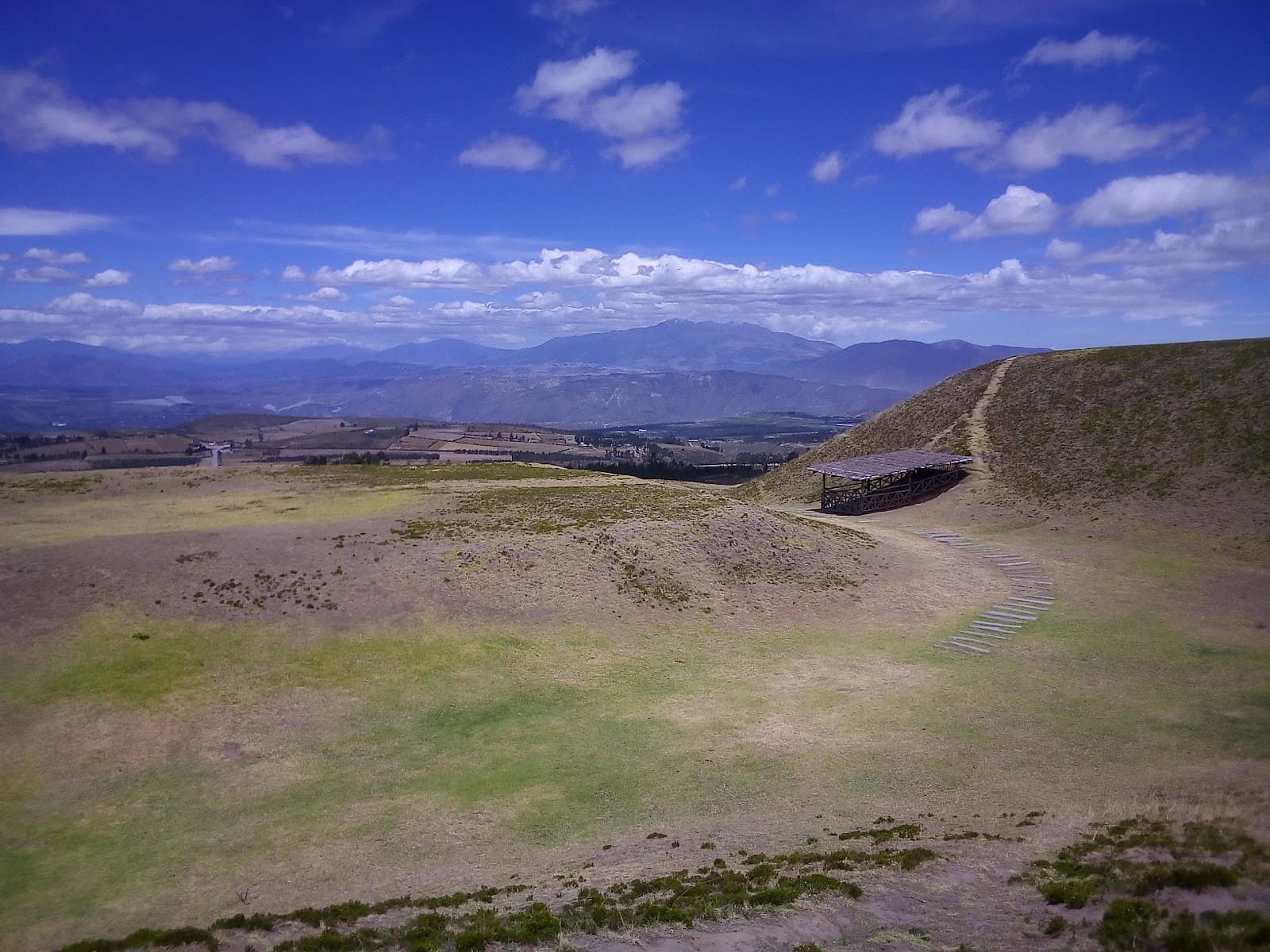
Cochasquí Pyramids

Mercado Iñaquito
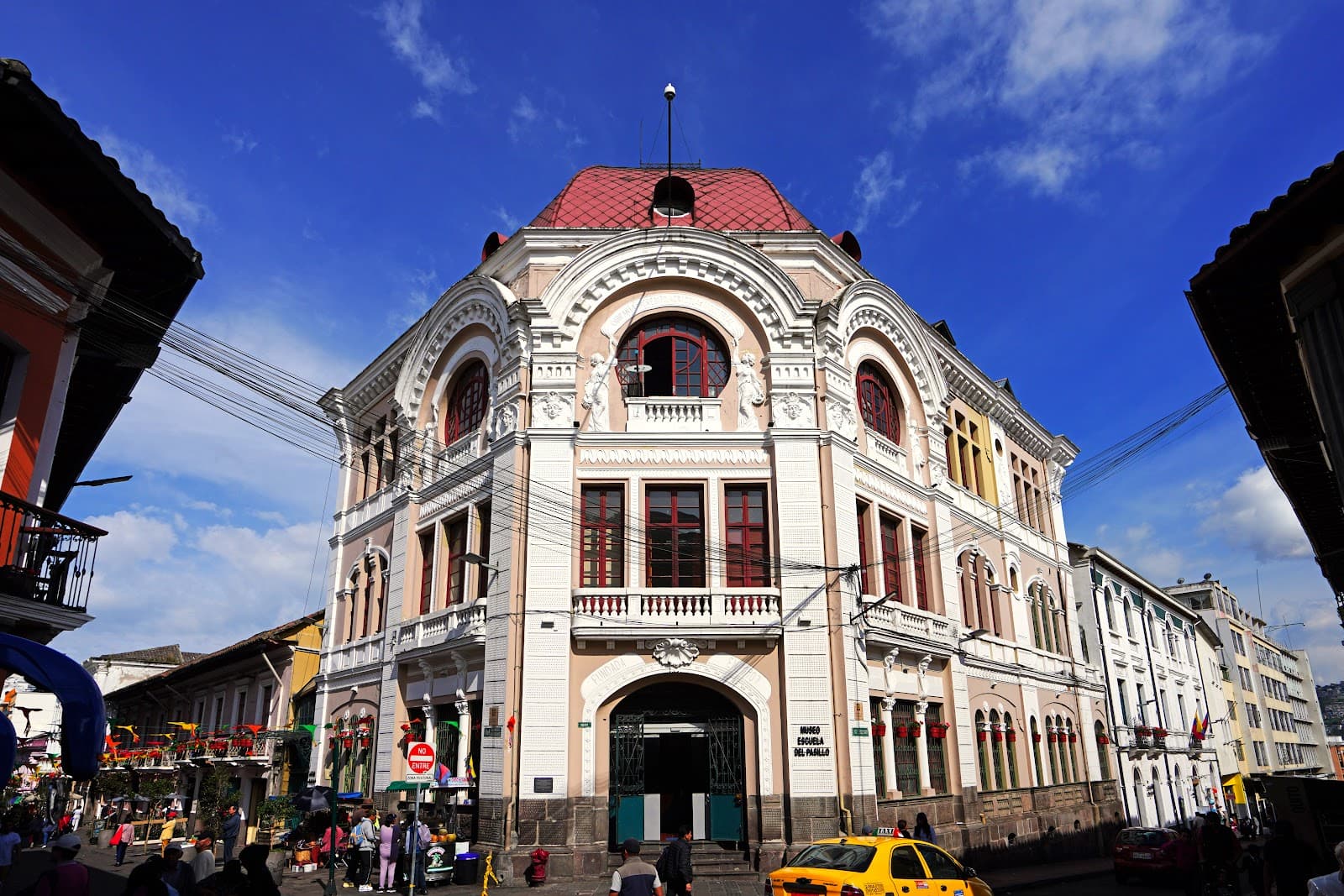
Museo del Pasillo Ecuatoriano

Parque Bicentenario

Chimbacalle Railway Station and Train Museum

Parque La Carolina
Cochasquí Pyramids
Mercado Iñaquito
Museo del Pasillo Ecuatoriano
Parque Bicentenario
Chimbacalle Railway Station and Train Museum
Parque La Carolina

Middle of the World (Mitad del Mundo)

Quitsato Sundial

La Mariscal neighborhood

Quito Zoo

Calle García Moreno Street of the Seven Crosses

Social
from TikTok, Instagram & Reddit