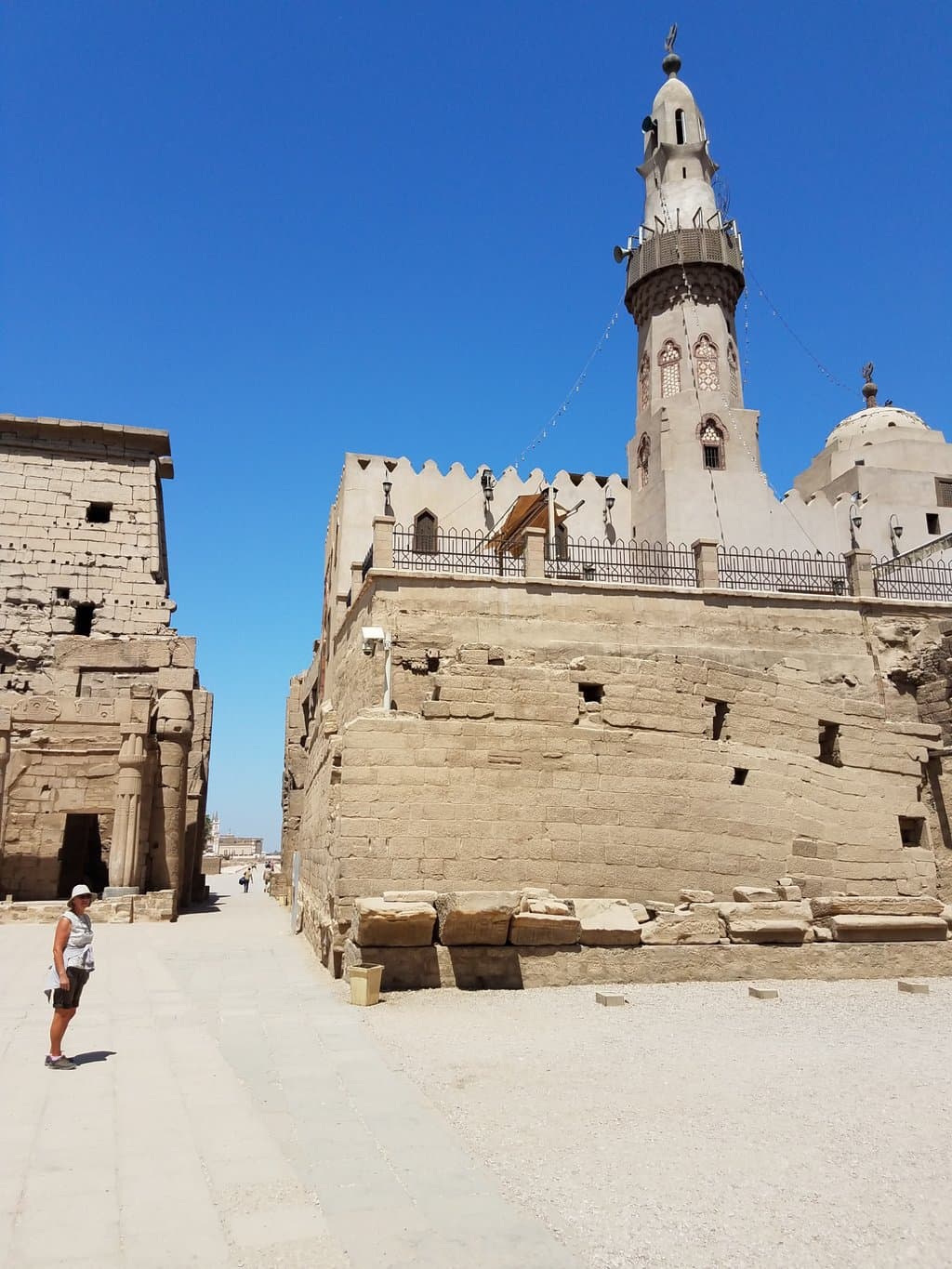
Abu al-Haggag Mosque
A mosque built atop ancient Egyptian temple ruins, symbolizing Luxor's continuous spiritual heritage across millennia.

Highlights
Must-see attractions

Social
From TikTok & Reddit
Best Time
Fewer crowds, peaceful atmosphere
Abu al-Haggag Mosque
Best Time
Fewer crowds, peaceful atmosphere
Highlights
Must-see attractions
A mosque built atop ancient Egyptian temple ruins, symbolizing Luxor's continuous spiritual heritage across millennia.
"Impressive how it's built in the middle of Luxor temple."
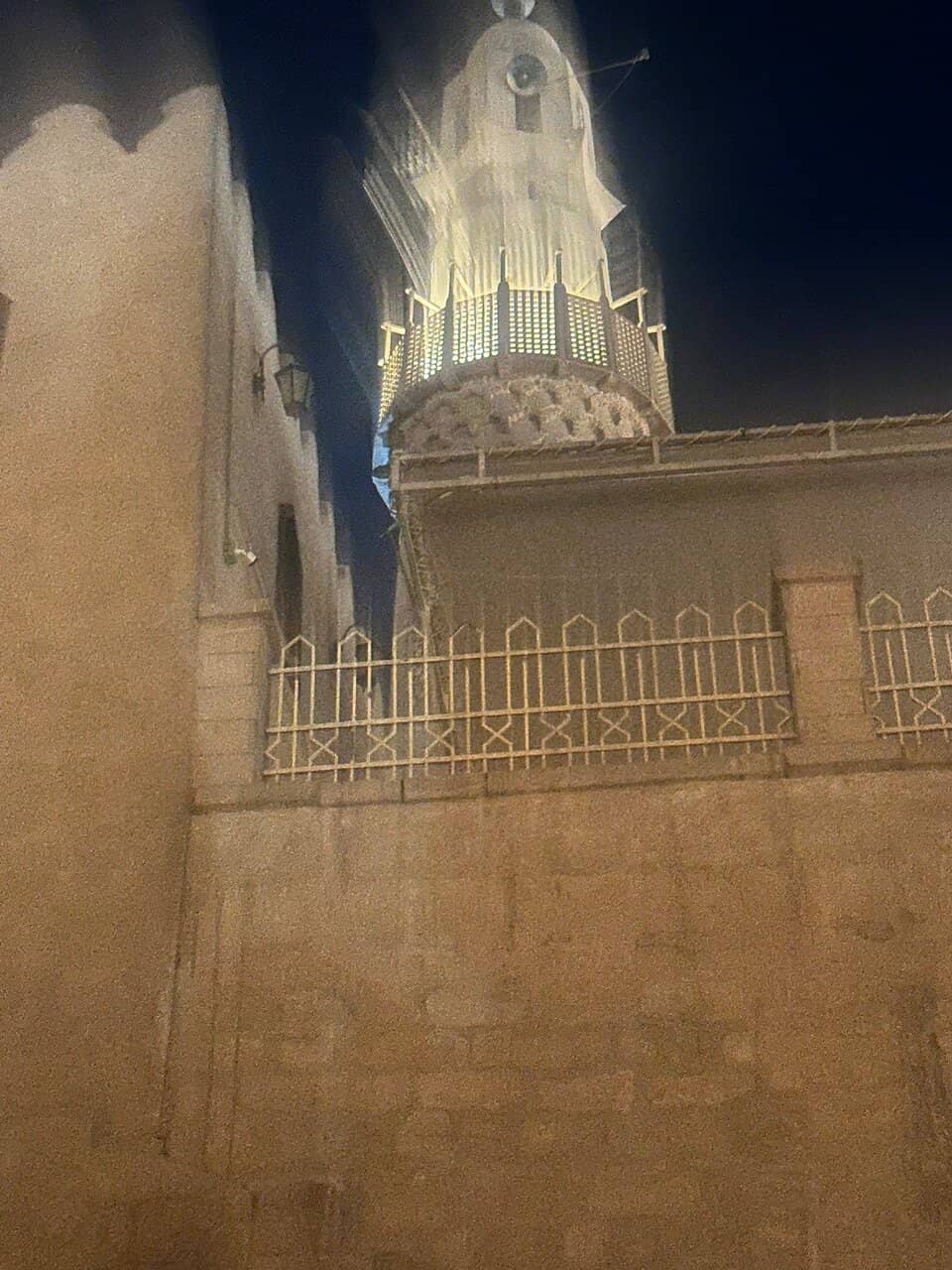
👗 Modest Dress Code Essential
Women must cover hair. Guards enforce this. Wear long sleeves and pants/skirts. :womaninturban:
👟 Shoe Removal Required
Remove shoes before entering. Ensure socks or feet are clean. :athletic_shoe:
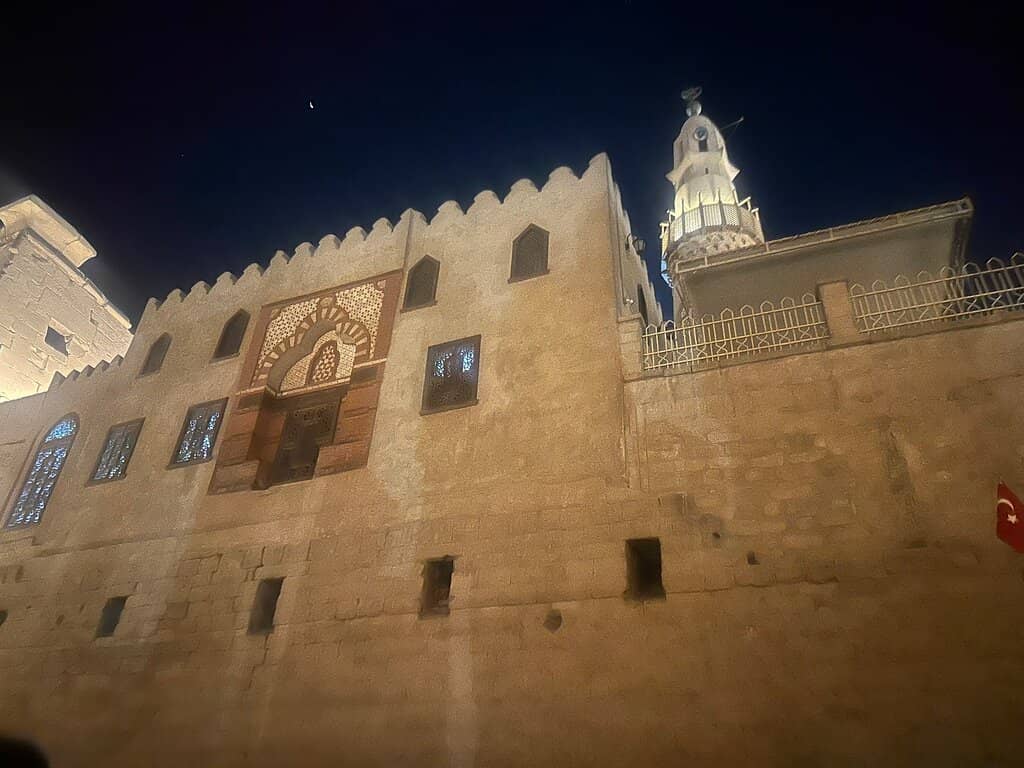
Quick Facts
Hours
Rating
4.7 · 1,714 reviews
Type
Mosque
Highlights
Discover the most iconic attractions and experiences
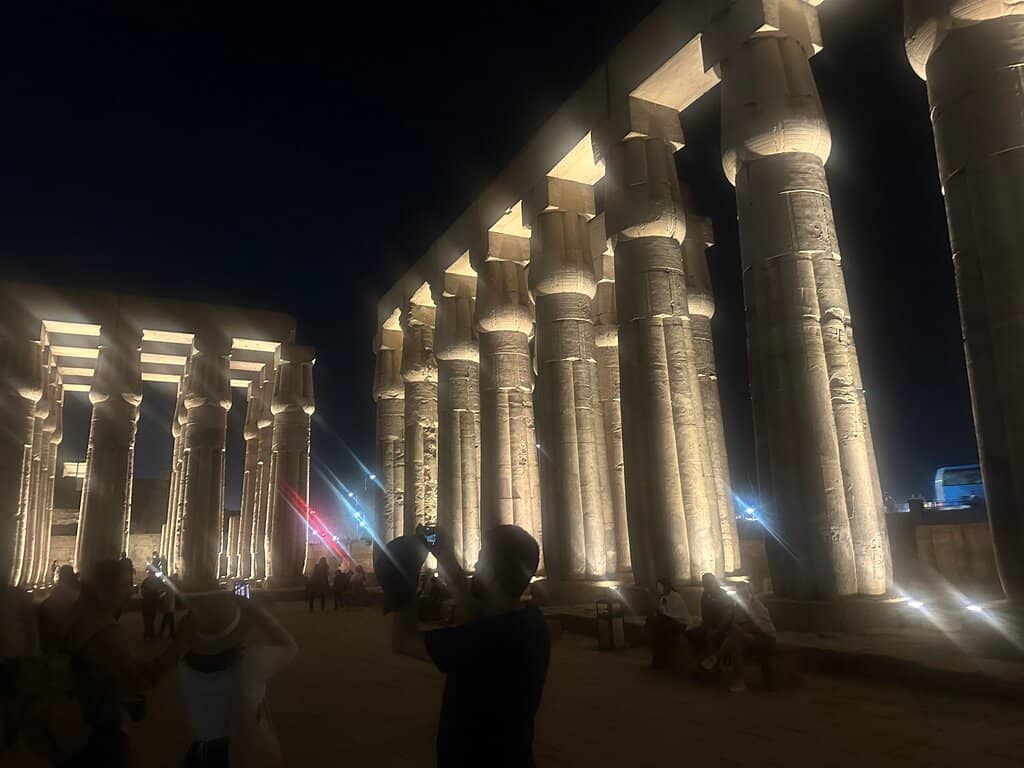
The Mosque's Unique Foundation
Built atop Luxor Temple ruins
Witness Islamic architecture seamlessly integrated with ancient Egyptian foundations, a testament to Luxor's layered history.
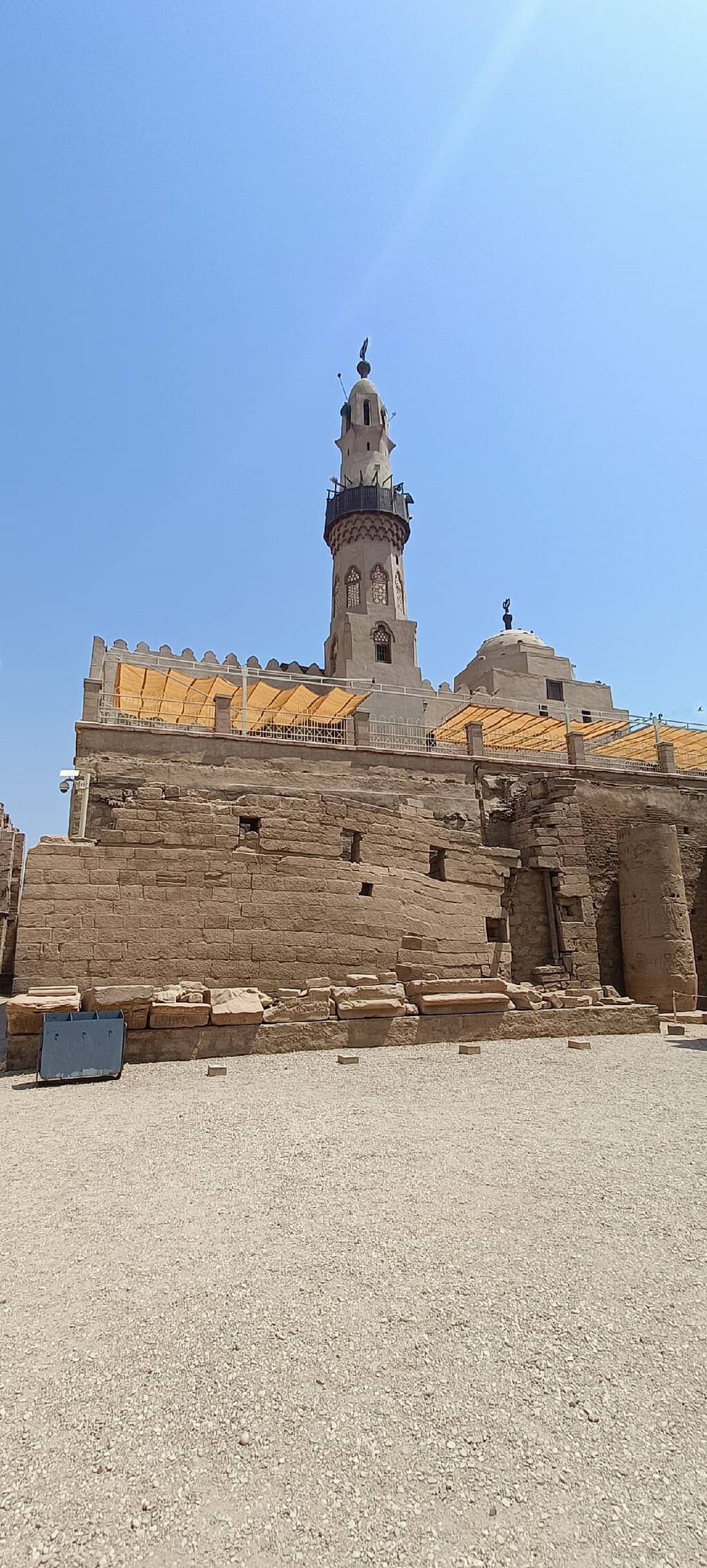
Sheikh Yusuf Abu al-Haggag's Tomb
Inside the mosque complex
Visit the resting place of the revered 12th-century Sufi saint, central to the mosque's identity and Luxor's spiritual heritage.
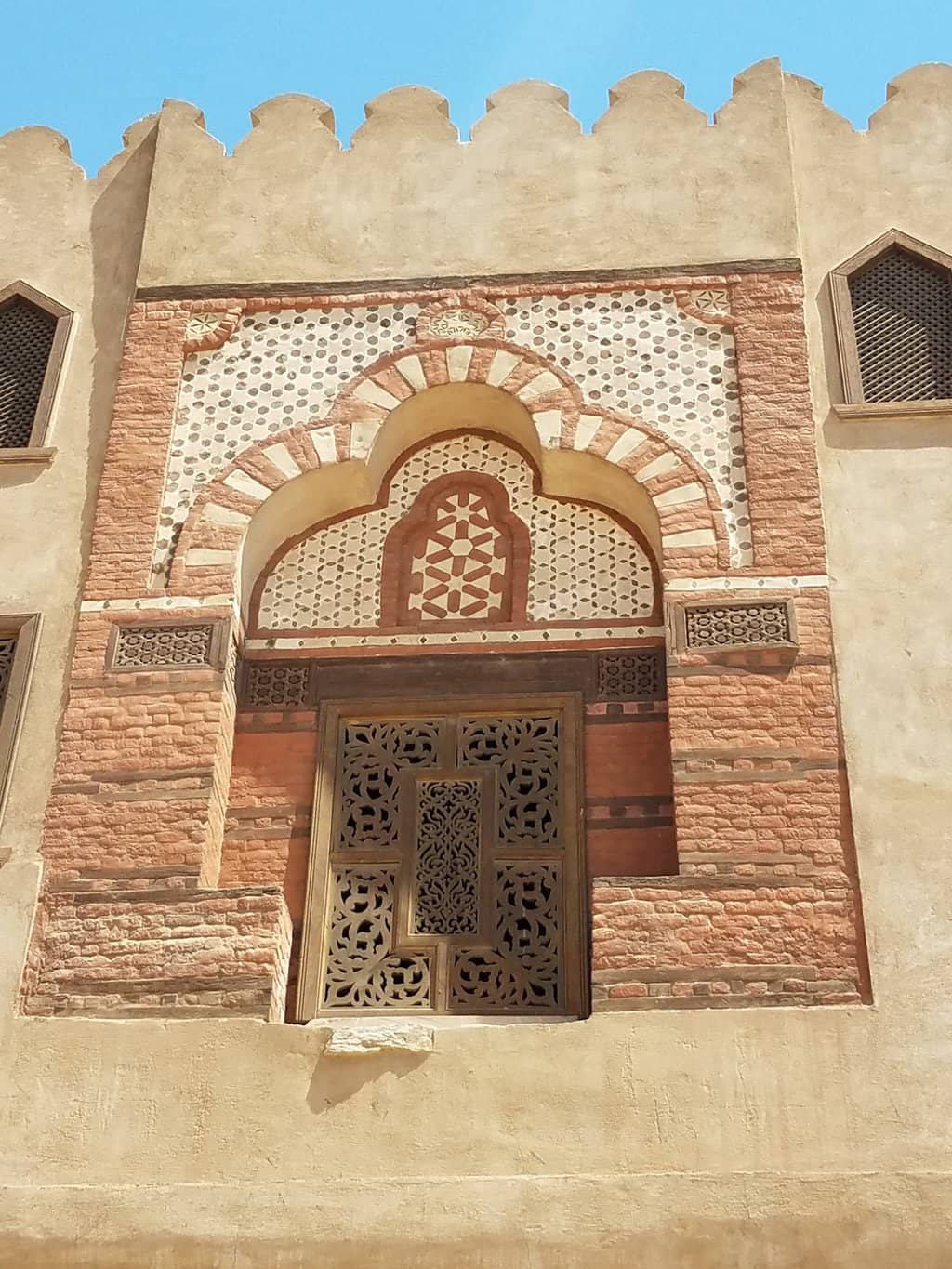
Panoramic Temple Views
From the mosque's vantage points
Enjoy breathtaking vistas of the expansive Luxor Temple complex from this elevated, historically significant location.
Plans like a pro.
Thinks like you
Planning Your Visit
Respectful Attire is Key
Timing Your Visit for Views
Best Times
Insider Tips
from TikTok, Instagram & Reddit
👗 Modest Dress Code Essential
Women must cover hair. Guards enforce this. Wear long sleeves and pants/skirts. :womaninturban:
👟 Shoe Removal Required
Remove shoes before entering. Ensure socks or feet are clean. :athletic_shoe:
📸 Photo Restrictions
Photos allowed only in designated areas. Guards monitor activity. :camerawithflash:
🚶♀️ Follow Designated Paths
A fixed route is often enforced. Stick to the allowed areas for your visit. 🚶
Tips
from all over the internet
👗 Modest Dress Code Essential
Women must cover hair. Guards enforce this. Wear long sleeves and pants/skirts. :womaninturban:
👟 Shoe Removal Required
Remove shoes before entering. Ensure socks or feet are clean. :athletic_shoe:
📸 Photo Restrictions
Photos allowed only in designated areas. Guards monitor activity. :camerawithflash:
🚶♀️ Follow Designated Paths
A fixed route is often enforced. Stick to the allowed areas for your visit. 🚶
🕌 Active Place of Worship
Be mindful of prayer times and worshippers. :prayer_beads:
What Travellers Say
Reviews Summary
Visitors find the Abu al-Haggag Mosque a remarkable site due to its unique position atop Luxor Temple, showcasing a deep layering of history and faith. The architecture and the tomb of Sheikh Yusuf Abu al-Haggag are highlights. However, some find the strict photo restrictions and enforced routes to be limiting.
"The Abou al-Haggag Mosque is one of the most remarkable examples of Islamic architecture in Luxor, Egypt. Uniquely, it is built directly on top of the ancient ruins of the Luxor Temple, symbolizing the continuity of sacred spaces from ancient Egypt to the Islamic era. The mosque is named after Sheikh Abou al-Haggag, a 12th-century Sufi saint whose tomb lies within the complex.
The mosque’s architecture reflects traditional Islamic design, featuring a minaret, prayer hall, and a small courtyard. Its whitewashed walls and modest scale contrast with the monumental stones of the temple beneath, yet the combination creates a visually striking and historically layered site. Despite its modest size, it remains an active place of worship, particularly during festivals and Friday prayers.
Visitors to Abou al-Haggag Mosque can also observe how the structure has adapted over centuries. Renovations and restorations have preserved its features while maintaining the integrity of the underlying pharaonic ruins. The mosque offers panoramic views of the temple complex.
The mosque is a vivid reminder of Luxor’s long and diverse history. By standing atop the Luxor Temple, it represents the layering of cultures, beliefs, and architecture across millennia, making it a must-see site for those interested in Egypt’s historical continuity."
Lefteris Stamatelatos
"I didn't have enough time to enter the mosque but I enjoyed watching it from outside. It was impressive how it's build in the middle of Luxor temple."
nora shoieb
"A grand Mosque. The buildings are really pretty, but too many people, and lots of restrictions. There's fixed route you are allowed to go, and you can only take photos on designated areas. The guards are monitoring every tourist's activity. Ladies need to totally cover the hair. The guard will ask you to correct your hair piece if some of the hair exposed. Better check the dress code before you go."
J H Chen
What People Like
What People Dislike
Frequently Asked Questions
🚇 🗺️ Getting There
The mosque is located within the Luxor Temple complex. You can reach Luxor Temple by taxi or local transport. Once inside the temple grounds, the mosque is visible and accessible.
Yes, the mosque is uniquely built directly on top of the ancient ruins of Luxor Temple, symbolizing a layering of history and faith.

Yes, non-Muslims are generally welcome to visit the mosque, provided they adhere to the dress code and show respect for the active place of worship.
Consider hiring a local guide for Karnak Temple, which is nearby, to gain deeper historical insights. The mosque itself offers great views of Luxor Temple.
Taxis are common, but agree on the fare beforehand. For longer distances, consider pre-booking tours that might include transport.
🎫 🎫 Tickets & Entry
Typically, access to the mosque is included with your Luxor Temple entrance ticket, as it's situated within the temple complex. Confirm upon arrival.
The mosque's hours usually align with Luxor Temple's operating hours, but it's best to check locally as it's an active place of worship.
Entry to the mosque itself is generally free for visitors of Luxor Temple, but donations are appreciated.
Yes, strict dress codes are enforced, and photography may be restricted in certain areas. Be prepared to remove shoes.
While possible, it's advisable to visit outside of peak prayer times to avoid disruption and ensure a more peaceful experience.
📸 📸 Photography
Photography is often restricted to designated areas. Guards monitor visitors, so be mindful of their instructions.
The vantage points offering views of Luxor Temple are excellent for photography. Capture the unique juxtaposition of ancient and Islamic architecture.
It is highly discouraged and disrespectful to photograph individuals who are praying. Always seek permission if you wish to photograph anyone.
Be discreet and respectful. Avoid using flash photography, especially near worshippers or sensitive areas.
A versatile lens for capturing both the mosque's details and the wider temple views would be ideal. A wide-angle lens can be useful for the expansive temple shots. :camerawithflash:
🎫 🕌 Onsite Experience
It's built on the foundations of a 14th-century BC Egyptian temple, later a Christian basilica, and finally an Islamic mosque, showcasing millennia of religious continuity.
He was a revered 12th-century Sufi saint from Iraq who settled in Luxor, known for his piety and role in spreading Islamic traditions.
You'll find traditional Islamic architecture, including a minaret and prayer hall, as well as the tomb of Sheikh Yusuf Abu al-Haggag.
While official mosque tours might be limited, hiring a guide for Luxor Temple will often include information about the mosque's context.
Women must cover their hair completely. Modest clothing covering shoulders and knees is required for all visitors.



Social
from TikTok, Instagram & Reddit