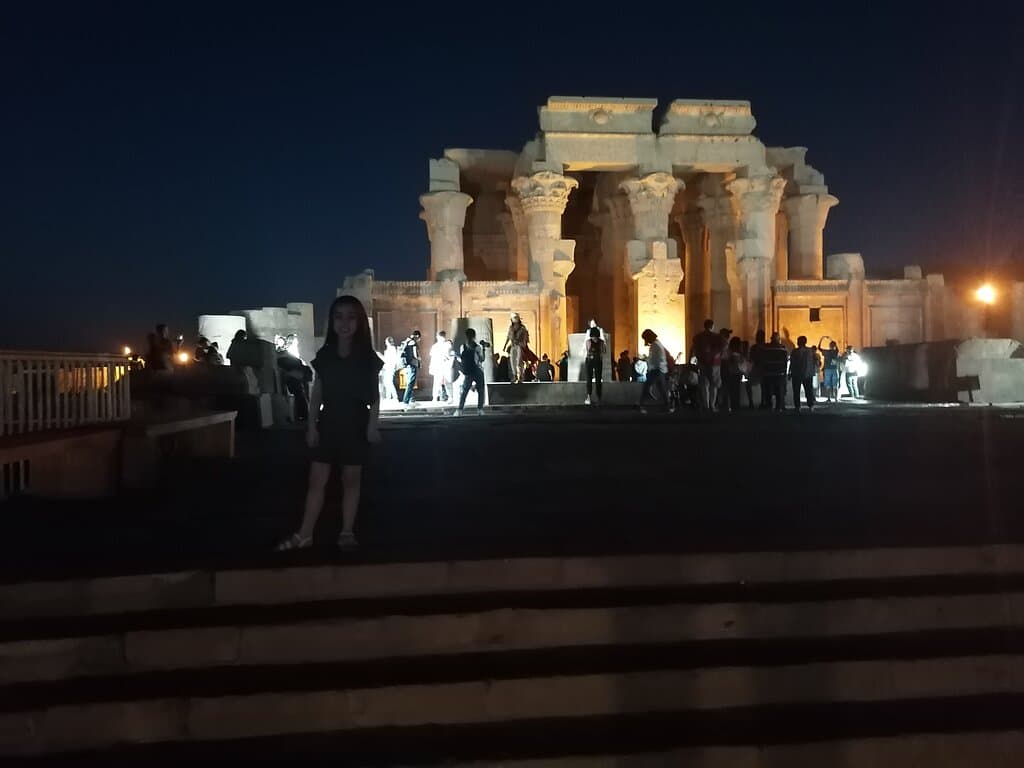
Crocodile Museum Kom Ombo
Discover ancient Egypt's reverence for the Nile crocodile god Sobek through a unique collection of mummified reptiles and artifacts.
Highlights
Must-see attractions

Social
From TikTok & Reddit
Best Time
Beat the midday heat
Crocodile Museum Kom Ombo
Best Time
Beat the midday heat
Highlights
Must-see attractions
Discover ancient Egypt's reverence for the Nile crocodile god Sobek through a unique collection of mummified reptiles and artifacts.
"A fascinating, albeit eerie, glimpse into ancient Egyptian religion and their sacred connection with crocodiles."
🎟️ Ticket Combo
Often included with Kom Ombo Temple ticket. Check for package deals!
📸 Photography
Photos are generally allowed, but check for specific restrictions.
Quick Facts
Hours
Rating
4.3 · 505 reviews
Type
Museum
Highlights
Discover the most iconic attractions and experiences
Mummified Crocodiles
Main exhibition hall
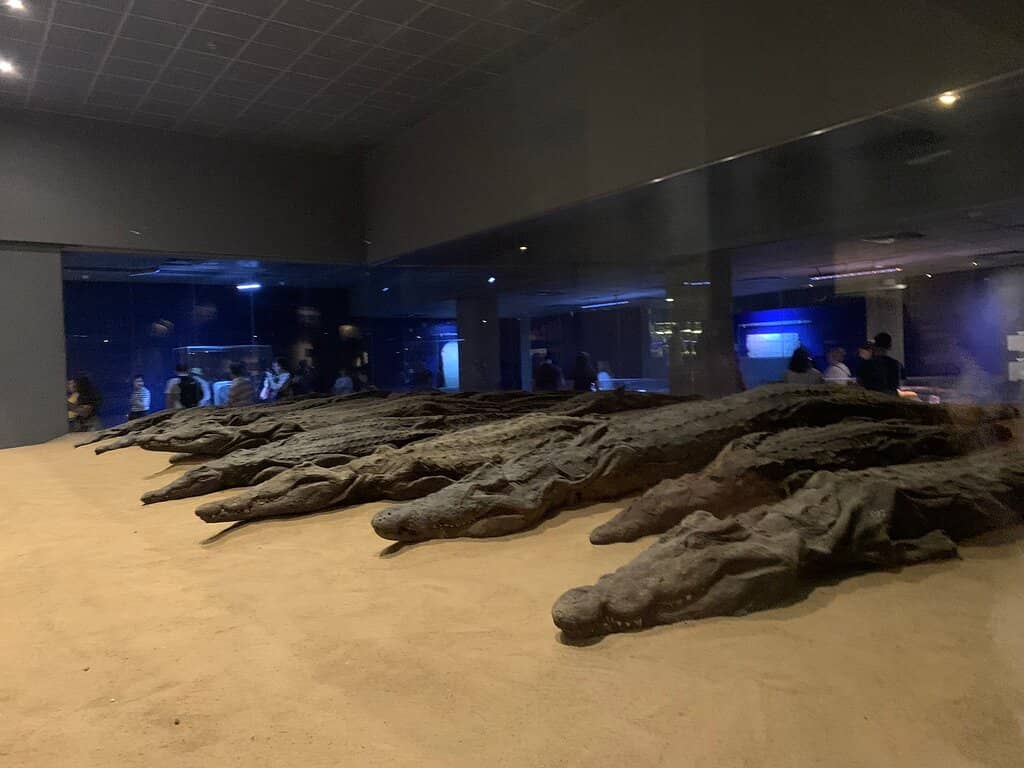
Dozens of perfectly preserved crocodile mummies, from hatchlings to giants, showcasing ancient reverence for Sobek.
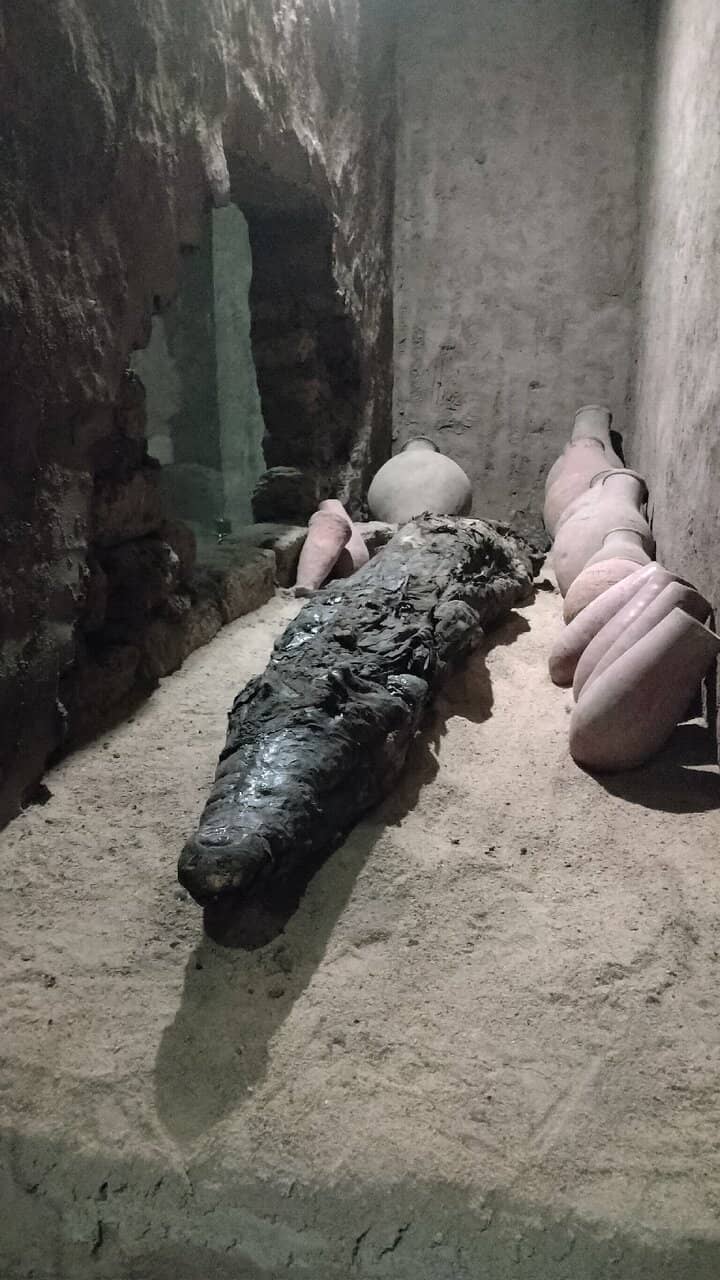
Sobek Statues and Sarcophagi
Display cases
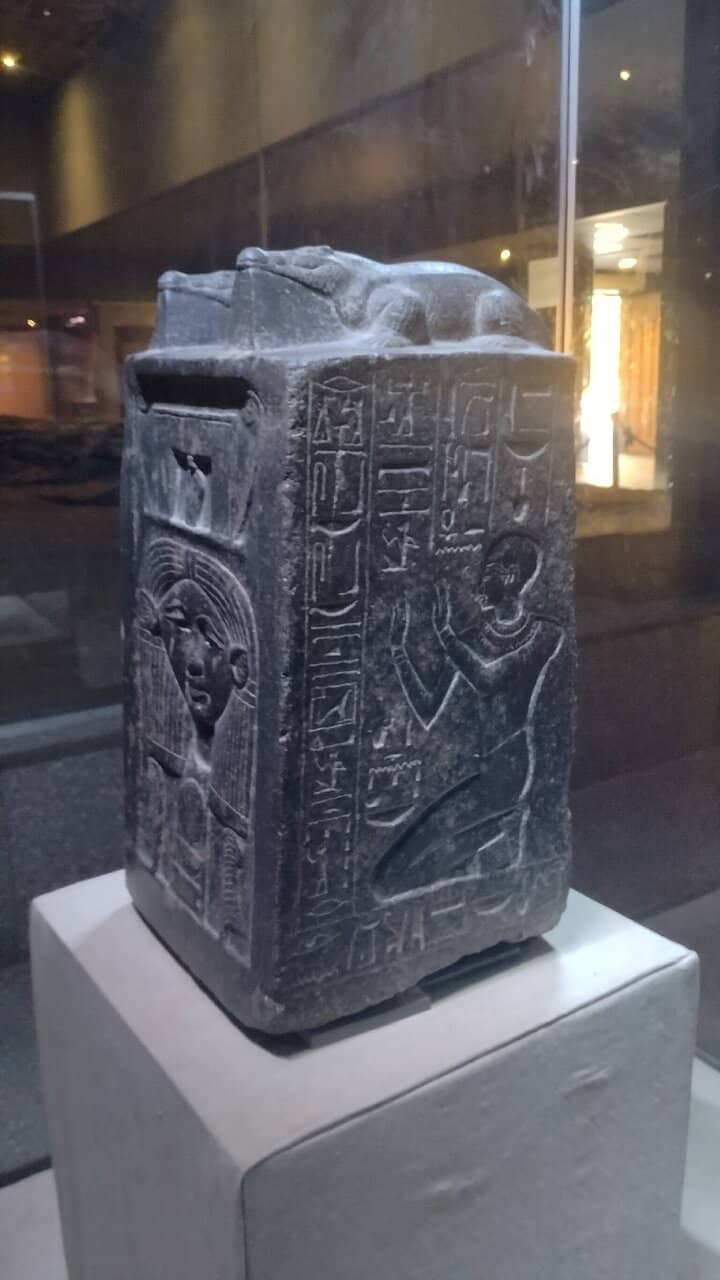
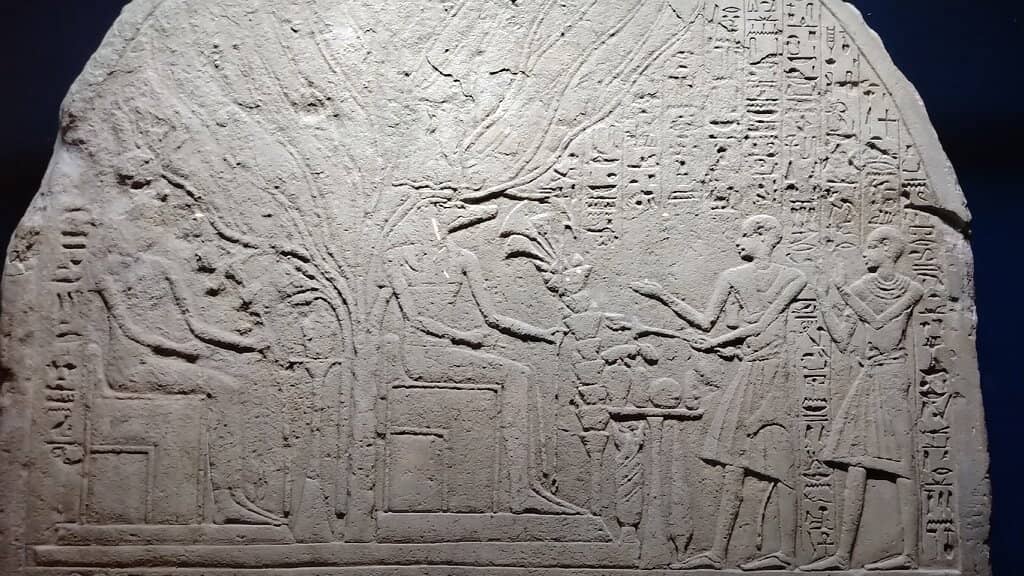
See ancient statues of the crocodile god Sobek and the wooden sarcophagi used for mummified offerings.
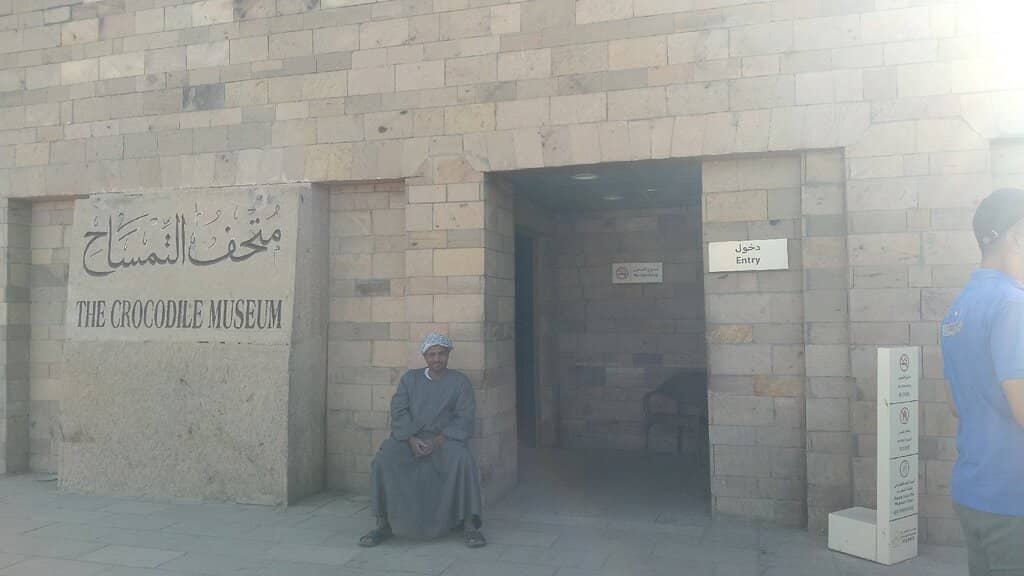
Ancient Crocodile Eggs
Exhibition displays
Discover ancient crocodile eggs, offering insight into the life cycle and sacredness of these reptiles.
Plans like a pro.
Thinks like you
Planning Your Visit
Combine with Kom Ombo Temple
Prepare for the Unconventional
Best Times
Insider Tips
from TikTok, Instagram & Reddit
🎟️ Ticket Combo
Often included with Kom Ombo Temple ticket. Check for package deals!
📸 Photography
Photos are generally allowed, but check for specific restrictions.

🚶♀️ Easy Access
Located right next to the Temple of Kom Ombo, easily walkable.
💡 Educational Exhibits
Clear explanations in English and Arabic enhance understanding.
Tips
from all over the internet
🎟️ Ticket Combo
Often included with Kom Ombo Temple ticket. Check for package deals!
📸 Photography
Photos are generally allowed, but check for specific restrictions.
🚶♀️ Easy Access
Located right next to the Temple of Kom Ombo, easily walkable.
💡 Educational Exhibits
Clear explanations in English and Arabic enhance understanding.
🎁 Unique Souvenirs
Don't miss the small gift shop for interesting mementoes.
What Travellers Say
Reviews Summary
Visitors find the Crocodile Museum a unique and fascinating addition to the Kom Ombo Temple, offering a rare glimpse into ancient Egyptian reverence for the crocodile god Sobek. The collection of mummified crocodiles, eggs, and artifacts is described as both creepy and captivating, providing an educational and memorable experience. While small, its distinctiveness makes it a worthwhile stop for those interested in ancient Egyptian culture and unusual historical sites.
"Crocodile Museum – Guardians of the Nile’s Ancient Secrets.
The Crocodile Museum in Kom Ombo is a fascinating attraction that complements the nearby temple dedicated to Sobek, the crocodile god of fertility and the Nile. This small but unique museum houses an extraordinary collection of crocodile mummies, offering visitors a glimpse into the sacred role these reptiles played in ancient Egyptian religion and culture.
Inside the museum, dozens of perfectly preserved crocodile mummies are displayed in glass cases. Some are tiny hatchlings, while others are massive creatures, testifying to the reverence Egyptians had for Sobek. Alongside the mummies, visitors will find ancient eggs, wooden sarcophagi, and statues of Sobek, which were placed in temples as offerings to seek protection and prosperity.
The exhibits are beautifully arranged with clear explanations, making the museum both educational and engaging. It reveals the connection between the Nile’s life-giving waters and the power attributed to crocodiles, seen as both dangerous and divine. This cultural perspective adds depth to the visit, going beyond the architectural beauty of Kom Ombo Temple.
For travelers on Nile cruises, the Crocodile Museum is a memorable stop. It offers a rare and captivating experience, blending history, religion, and nature in one extraordinary setting along the timeless river."
Lefteris Stamatelatos
"The Crocodile Museum is small but super cool! It’s right next to the temple and shows off a bunch of mummified crocodiles that were once worshipped as sacred animals of the god Sobek. Some of these crocs are huge—and honestly kind of creepy in the best way. The museum also has statues, carvings, and info about how ancient Egyptians viewed crocodiles. Totally worth a look!"
Marwan
"Very cool museum with a unique collection of mummified crocodiles. You get to see not just the crocodiles themselves but also the “coffins” they were placed in, which is pretty wild. There are also remains of baby crocs, eggs, and even tiny crocodile fetuses. It’s a mix of creepy and fascinating, and definitely something different from your usual museum visit. Great stop if you’re into ancient Egypt or just weird, cool stuff!"
Alicia Ulbrich
What People Like
What People Dislike
Frequently Asked Questions
🚇 🗺️ Getting There
The Crocodile Museum is conveniently located right next to the Temple of Kom Ombo, making it easily accessible. If you're arriving by Nile cruise, it's often a scheduled stop. For independent travelers, you can reach Kom Ombo by taxi or private car from Aswan or Luxor. Many visitors combine it with a visit to the temple itself.
Kom Ombo is about 45-50 kilometers north of Aswan. Traveling by car or taxi typically takes around 45 minutes to an hour, depending on traffic.
Yes, the Crocodile Museum is a very common stop on Nile River cruises between Luxor and Aswan. It's usually visited in conjunction with the Temple of Kom Ombo.
The most popular and convenient way is via a Nile cruise. Alternatively, you can hire a private car or taxi from Luxor, which is about a 2-3 hour drive.
While less common for tourists, local buses do run between Aswan and Kom Ombo. However, for comfort and ease, especially when visiting the temple and museum, private transport or a cruise is recommended.
🎫 🎫 Tickets & Entry
Often, the ticket for the Temple of Kom Ombo includes entry to the adjacent Crocodile Museum. It's advisable to confirm this when purchasing your ticket or check if it's part of a package.
The museum generally follows the opening hours of the Temple of Kom Ombo, which are typically from early morning until sunset. It's best to check the most current hours before your visit.
If not included with the temple ticket, expect a modest entrance fee. Prices can vary, so it's good to inquire locally or check official tourism websites.
While some major Egyptian attractions offer online booking, tickets for smaller sites like the Crocodile Museum are often purchased on-site. This is usually straightforward.
There isn't a strict dress code for the museum itself, but it's recommended to dress modestly out of respect for the cultural significance of the site, especially when visiting the adjacent temple.
🎫 🧭 Onsite Experience
Most visitors find that 30-60 minutes is sufficient to explore the Crocodile Museum thoroughly. It's a relatively small but impactful exhibit.
The museum houses a remarkable collection of mummified crocodiles of all sizes, ancient crocodile eggs, wooden sarcophagi, statues of the god Sobek, and informative displays about their religious significance.
Yes, children often find the mummified crocodiles fascinating, though some might find them a bit eerie. It's a unique educational experience about ancient Egyptian beliefs.
Guided tours are often available for the Temple of Kom Ombo, and these usually include insights into the Crocodile Museum. You can also hire a local guide at the site.
Crocodiles were deified as Sobek, the god of fertility, strength, and the Nile. They were worshipped, and many were mummified as offerings to seek protection and prosperity.
📸 📸 Photography
Photography is generally permitted inside the Crocodile Museum, but it's always a good idea to check for any specific signage or ask a staff member.
Flash photography is often discouraged or prohibited in museums to protect the artifacts. Be sure to turn off your flash when taking pictures.
The rows of mummified crocodiles are the main draw. Capturing the scale and preservation of these ancient reptiles makes for striking photos.
Drone usage is typically restricted at archaeological sites and museums in Egypt. It's best to avoid bringing drones to avoid issues with authorities.
The museum is indoors, so lighting conditions are fairly consistent. However, visiting during less crowded times can allow for more unobstructed shots.


Social
from TikTok, Instagram & Reddit