
Qasaba of Radwan Bey Cairo
Discover the Qasaba of Radwan Bey, a preserved Ottoman-era covered market and commercial agency in Cairo, showcasing historical trade and architecture...

Highlights
Must-see attractions

Social
From TikTok & Reddit
Best Time
Fewer crowds, cooler temps
Qasaba of Radwan Bey Cairo
Best Time
Fewer crowds, cooler temps
Highlights
Must-see attractions
Discover the Qasaba of Radwan Bey, a preserved Ottoman-era covered market and commercial agency in Cairo, showcasing historical trade and architecture.
"A glimpse into Ottoman Cairo's vibrant trade and architecture, a must-visit for history buffs and shoppers alike."
Bring Cash & Bargain Hard
Vendors expect haggling. Have Egyptian pounds ready for purchases.
Wear Comfortable Shoes
You'll be doing a lot of walking through historic streets and markets. :athletic_shoe:
Quick Facts
Hours
Rating
4.1 · 7 reviews
Type
Historical Landmark
Highlights
Discover the most iconic attractions and experiences
Radwan Bey's Saqifah
Khayyamiya Street
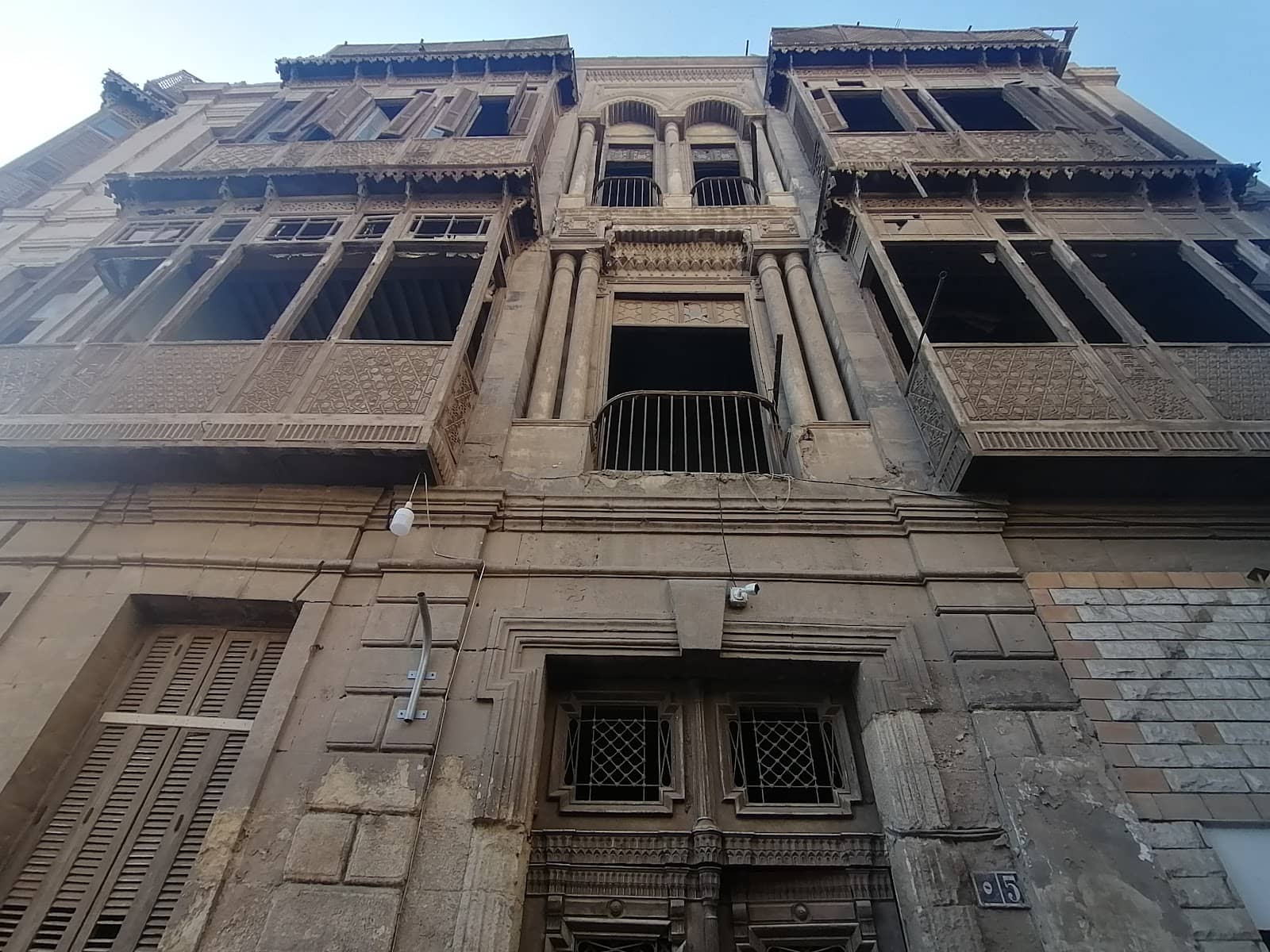
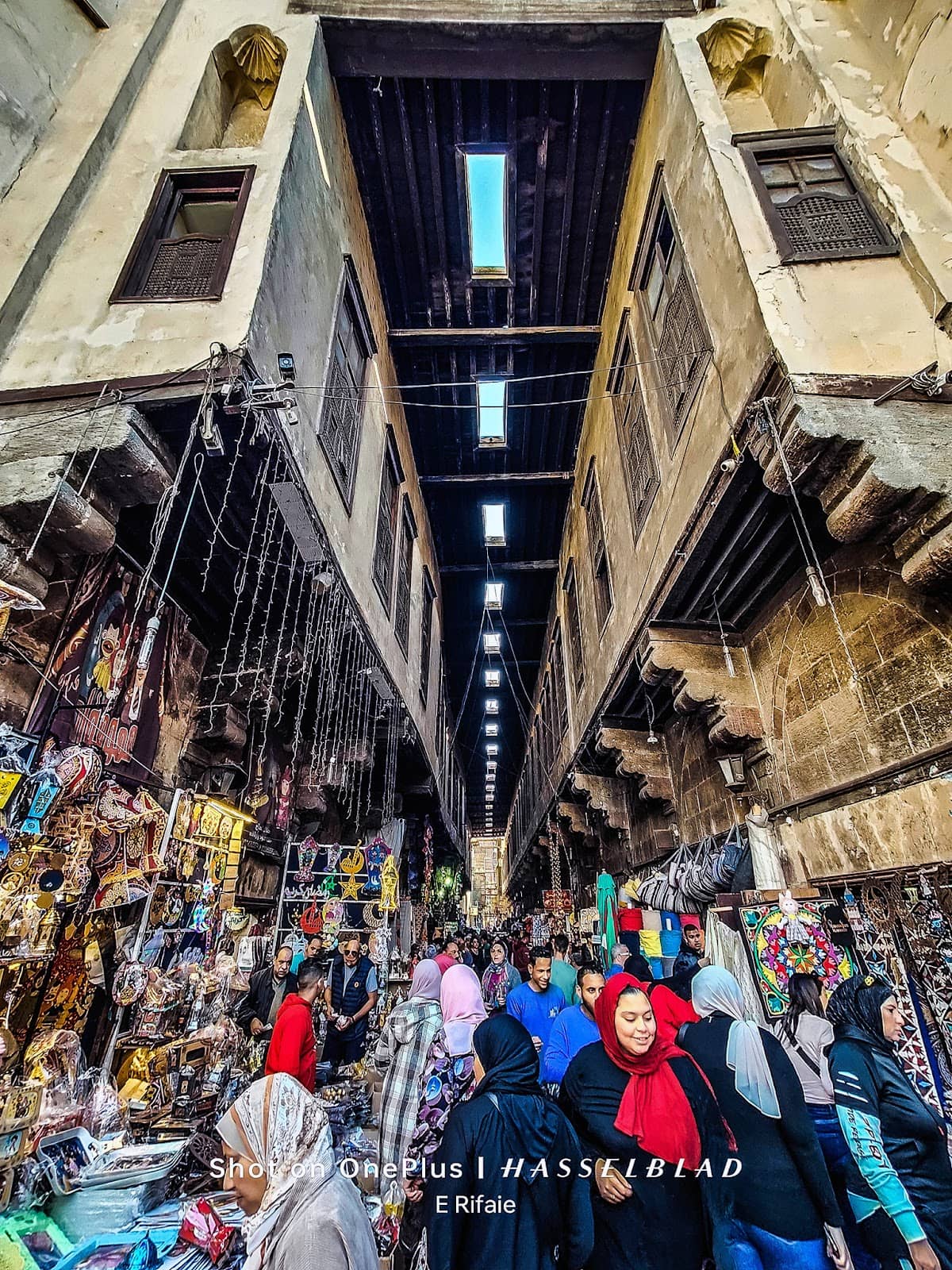
Explore the last traditional covered market of Ottoman Cairo, a unique wooden structure showcasing historical trade.
Commercial Agency
Adjacent to Saqifah
Discover a multi-story complex with showrooms, warehouses, and residential quarters, offering a glimpse into historical commerce.
Zawiya and 'Roof'
Within the complex
See the religious retreat and charitable residence, reflecting the era's blend of faith, social life, and trade.
Plans like a pro.
Thinks like you
Planning Your Visit
Navigating the Qasaba: Haggling & Cash
Best Time to Explore
Best Times
Insider Tips
from TikTok, Instagram & Reddit
Bring Cash & Bargain Hard
Vendors expect haggling. Have Egyptian pounds ready for purchases.
Wear Comfortable Shoes
You'll be doing a lot of walking through historic streets and markets. :athletic_shoe:
Be Wary of Scams
Some visitors report being overcharged or misled. Stay alert!
Explore Darb al-Ahmar
The Qasaba is part of a larger historic area worth exploring. :world_map:
Tips
from all over the internet
Bring Cash & Bargain Hard
Vendors expect haggling. Have Egyptian pounds ready for purchases.
Wear Comfortable Shoes
You'll be doing a lot of walking through historic streets and markets. :athletic_shoe:
Be Wary of Scams
Some visitors report being overcharged or misled. Stay alert!
Explore Darb al-Ahmar
The Qasaba is part of a larger historic area worth exploring. :world_map:
What Travellers Say
Reviews Summary
Visitors find the Qasaba of Radwan Bey to be a historically significant and architecturally unique site, offering a glimpse into Ottoman Cairo's commercial past. Its traditional covered market and agency are highlights, though some caution is advised regarding potential scams and the need for cash and bargaining skills.
"🏛️ The shed, agency, and quarter of Prince Radwan Bey - a Mamluk masterpiece in Darb al-Ahmar
👤 Who is Prince Radwan Bey al-Faqari?
He served as the Egyptian Emir of Hajj from 1631 to 1656 AD, and was one of the most prominent Mamluk emirs of the time.
🕰️ Historical Overview:
He established the Qasbah of Radwan around 1060 AH / 1650 AD, south of Bab Zuweila on Al-Khayamiya Street, to resemble the Qasbah of Al-Muizz Al-Fatimi Street.
The building included a saqifa (covered market), a commercial agency (with floors and housing), a zawiya (religious retreat), and a "roof" (quarter) – a residence for workers or caravans.
🏗️ Design and Architecture:
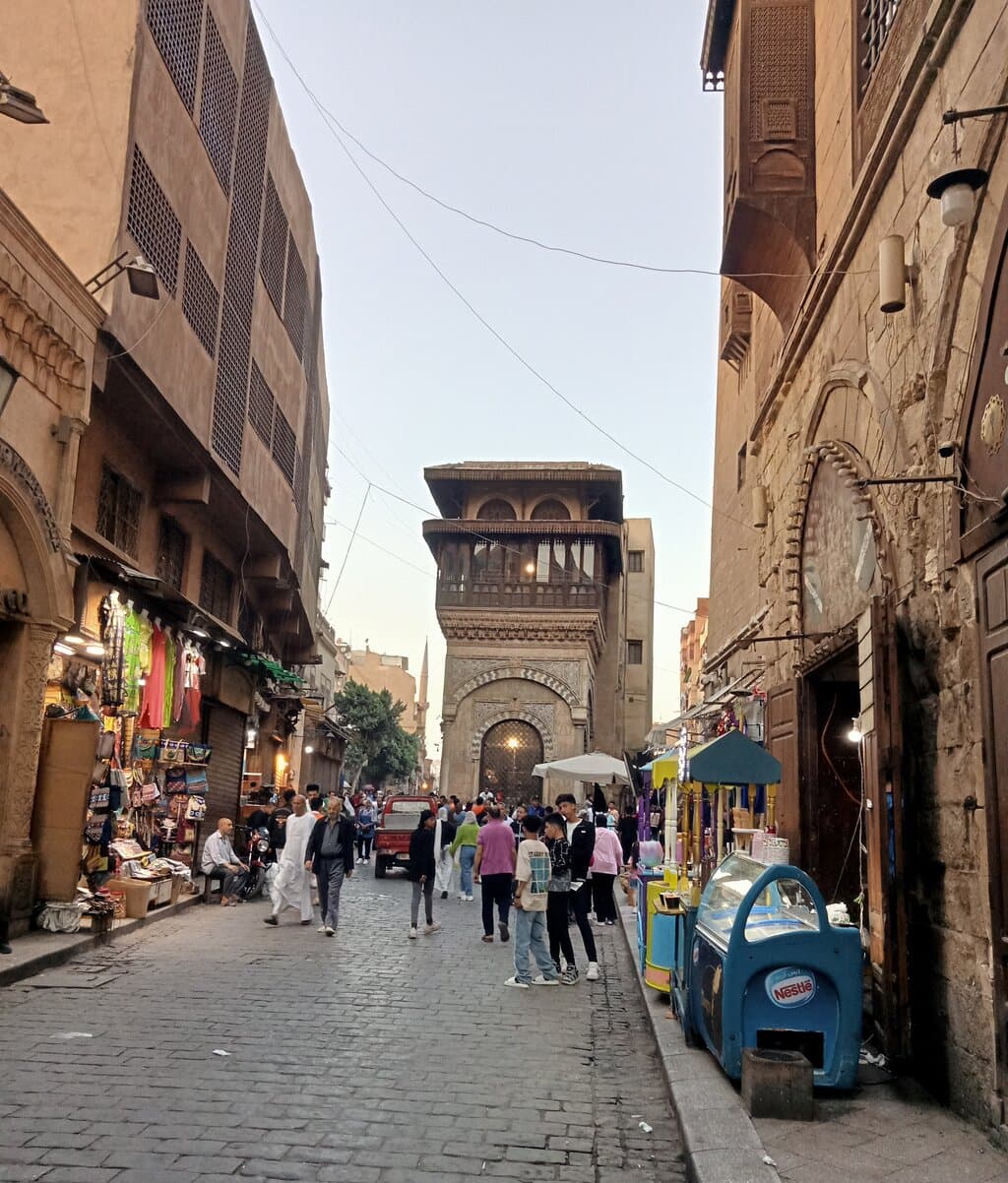
The saqifa: A covered street where Radwan Bey and his heirs displayed goods and tents, approximately 80 meters long and 10 meters high, with side shops ("shops").
The agency: A multi-story commercial complex with showrooms, warehouses, and an entrance leading to the inner courtyard with a balcony, the "caravansal quarter," and residential areas for employees and caravans.
The zawiya and "roof": A place for teaching the Qur'an. A charitable residence for the needy or dervishes.
🏘️ Location in Cairo:
On Khayyamiya Street (known as "Al-Sarujiya"), outside the Great Wall of Cairo, south of Bab Zuweila.
The main facade overlooks Khayyamiya Street to the east and Dar Al-Tuffah Alley to the west. It is located directly under the Qawafil Quarter.
The market connects the market to Darb Al-Ahmar and the Citadel.
🔧 Development and Restoration:
The National Authority for Archaeological Studies began restoring the archaeological sites years ago to ensure the building's stability and protect it from demolition.
The Radwan Saqifah suffered wooden collapses following a car collision in 2018 and was quickly repaired.
✨ Historical and Cultural Significance:
It is considered one of the last remaining traditional covered markets from Ottoman Cairo, and the only remaining "saqifah" is covered with palm fronds/wood.
Its inhabitants display clear houses and residential floors, reflecting the relationship between trade, housing, and religious asceticism in that era.
It represents a successful example of the Mamluks' investment in trade caravans, charitable donations, and social life together."
Wasiem A. El Abd
"Azhari Institute has an excellent educational environment and qualified teachers"
Abdelmoniem Gurafi
"A neglected archaeological site located in the middle of an area with carpentry workshops"
خالد أبو النجا
What People Like
What People Dislike
Frequently Asked Questions
🚇 🗺️ Getting There
The Qasaba is located on Khayyamiya Street, south of Bab Zuweila, in the Darb al-Ahmar area. You can reach it by taxi or ride-sharing service. It's also accessible on foot if you're exploring the historic Islamic Cairo.
It's situated in a bustling historic district. Look for signs pointing towards Khayyamiya Street or ask locals for directions to the Radwan Bey market.
Walking is the best way to experience the narrow streets and discover hidden gems. Taxis are available for longer distances.
Yes, it's close to Bab Zuweila and connects to Darb al-Ahmar and the Citadel area, making it a great stop on a wider historical tour.
While direct metro lines might not stop right at the Qasaba, you can take the metro to a nearby station and then a taxi or walk. Check local transport apps for the most convenient routes.
🎫 🎫 Tickets & Entry
Entry to the Qasaba itself and its market areas is generally free, as it's a historic commercial and residential district.
As it's a living market and residential area, there are no strict opening hours. Shops and stalls are typically open during daylight hours, with activity peaking in the morning and late afternoon.
There is no specific admission fee for the Qasaba of Radwan Bey. However, if you enter any private shops or agencies, you may be expected to make a purchase or tip.
While accessible, it's best to visit during daylight hours for safety and to experience the market's full vibrancy. Evenings can be quieter.
While not always advertised, local guides can often be hired in the Darb al-Ahmar area to provide historical context and navigate the Qasaba.
🎫 🛍️ Shopping & Souvenirs
You can find traditional textiles, galabeyas, carpets, and various handicrafts. It's a great place to experience a historic bazaar. +1
Absolutely! Haggling is a fundamental part of the shopping experience in traditional Egyptian markets like this. Be polite but firm. +1
Many vendors prefer cash, especially for smaller purchases. It's advisable to have Egyptian pounds on hand.
Galabeyas are popular, as mentioned in TikToks. Also, look for local textiles and unique handcrafted items.
Research typical prices beforehand, be polite but firm in your negotiations, and don't be afraid to walk away if a price isn't right.
📸 📸 Photography
Yes, photography is generally allowed, but always be respectful of individuals and ask permission before taking close-up shots of people.
The intricate architecture of the Saqifah, the bustling market scenes, and the narrow alleyways offer great photographic opportunities.
Avoid photographing private residences without permission and be mindful of local customs.
Late afternoon often provides beautiful golden hour light, enhancing the historic atmosphere.
While not explicitly forbidden, using a tripod in crowded market areas might be difficult and could obstruct pathways. It's best to use a monopod or hand-hold your camera.






Social
from TikTok, Instagram & Reddit