Kolahoi Glacier
The highest peak in Kashmir Valley, feeding the Lidder River. A challenging trek with stunning alpine scenery.
Highlights
Must-see attractions

Social
From TikTok & Reddit
Best Time
Ideal trekking conditions
Kolahoi Glacier
Best Time
Ideal trekking conditions
Highlights
Must-see attractions
The highest peak in Kashmir Valley, feeding the Lidder River. A challenging trek with stunning alpine scenery.
"A challenging trek to the source of Kashmir's lifeline, offering breathtaking views and a vital ecological lesson."
Negotiate Horse Ride Prices
Beware of 'horse ride scams'; locals often form unions. Bargain hard or consider walking to enjoy nature. 🐴
Trekker's Responsibility
Carry extra plastic bags to pack out all your waste. Let's help preserve this beautiful natural wonder. ♻️
Quick Facts
Rating
4.4 · 150 reviews
Type
Natural Feature
Highlights
Discover the most iconic attractions and experiences
Kolahoi Glacier Snout
Base of Mount Kolahoi
Witness the majestic, albeit retreating, ice mass that feeds Kashmir's rivers. A truly awe-inspiring sight.
Mount Kolahoi Peak
Visible from Aru Valley
The highest peak in Kashmir Valley, known locally as 'Gashe-braed' (Illuminated Cat).
Lidder River Origin
Kolahoi Glacier
See the source of the Lidder River, the lifeline of Kashmir, originating from the glacier's meltwater.
Plans like a pro.
Thinks like you
Planning Your Visit
Trekking to Kolahoi: Know Before You Go
Best Time for Kolahoi Glacier Trek
Best Times
Insider Tips
from TikTok, Instagram & Reddit
Negotiate Horse Ride Prices
Beware of 'horse ride scams'; locals often form unions. Bargain hard or consider walking to enjoy nature. 🐴
Trekker's Responsibility
Carry extra plastic bags to pack out all your waste. Let's help preserve this beautiful natural wonder. ♻️
Trekking Experience Needed
This is a medium-level trek. Solo trekking is not recommended; travel with experienced groups. :hiking_boot:
Hydration Source
The Lidder River originates from the glacier, providing a source of fresh water, but always purify it. :droplet:
Tips
from all over the internet
Negotiate Horse Ride Prices
Beware of 'horse ride scams'; locals often form unions. Bargain hard or consider walking to enjoy nature. 🐴
Trekker's Responsibility
Carry extra plastic bags to pack out all your waste. Let's help preserve this beautiful natural wonder. ♻️
Trekking Experience Needed
This is a medium-level trek. Solo trekking is not recommended; travel with experienced groups. :hiking_boot:
Hydration Source
The Lidder River originates from the glacier, providing a source of fresh water, but always purify it. :droplet:
What Travellers Say
Reviews Summary
Kolahoi Glacier is lauded for its breathtaking natural beauty and its vital role as the source of the Lidder River. Trekkers find the journey through meadows and forests rewarding, though challenging. Concerns are raised about potential scams with local horse ride services and the glacier's rapid retreat due to climate change.
"The Kolhai Glacier is one of the largest and most prominent glaciers in the Kashmir Himalayas, located in the northwestern part of Jammu and Kashmir. Nestled beneath the towering Mount Kolahoi at an altitude of about 5,000 meters, it is often referred to as the “lifeline of Kashmir” due to its vital role in feeding the rivers and streams of the region. The glacier acts as the primary source of the Lidder River, which eventually joins the mighty Jhelum, sustaining agriculture and livelihoods across the valley.
Stretching over several kilometers, the Kolhai Glacier is a perennial mass of ice and snow, although in recent decades it has been retreating rapidly due to the impacts of climate change and rising temperatures. Scientists and environmentalists express concern over its shrinkage, as its melting directly affects water availability for thousands of people downstream.
The glacier is not only significant environmentally but also holds immense geographical and trekking importance. Adventure enthusiasts often trek through Aru Valley and Lidderwat meadows to reach close to its snout, though the journey is challenging and requires skill. The rugged terrain, alpine forests, and breathtaking landscapes en route make it one of the most fascinating trekking experiences in Kashmir.
Kolhai Glacier thus represents both natural beauty and ecological importance. Its preservation is crucial, as the glacier continues to be a lifeline for Kashmir’s rivers, agriculture, and communities that depend on its waters. It remains a symbol of the fragile yet majestic Himalayan environment"
shah alam
"Don’t fully believe the reviews written down by the local guides!!
This is horse ride scam house!! It’s all run as a union of the locals and no one will save you from the scam and no one will give less prices unless you bargain like hell!!
Trekking is possible for those with experience!
If you want peace of mind, then walk on the mountains yourself and enjoy nature.."
Shabeel Abith
"Our first experience of avalanche and it was at Mount Kolahol , Chandanwari Kashmir . It was at a distance and there was no worry to us .Our mobile Camera was on to capture .There was a big sound as snow started to slide."
M HUSAIN
What People Like
What People Dislike
Frequently Asked Questions
🚇 🗺️ Getting There
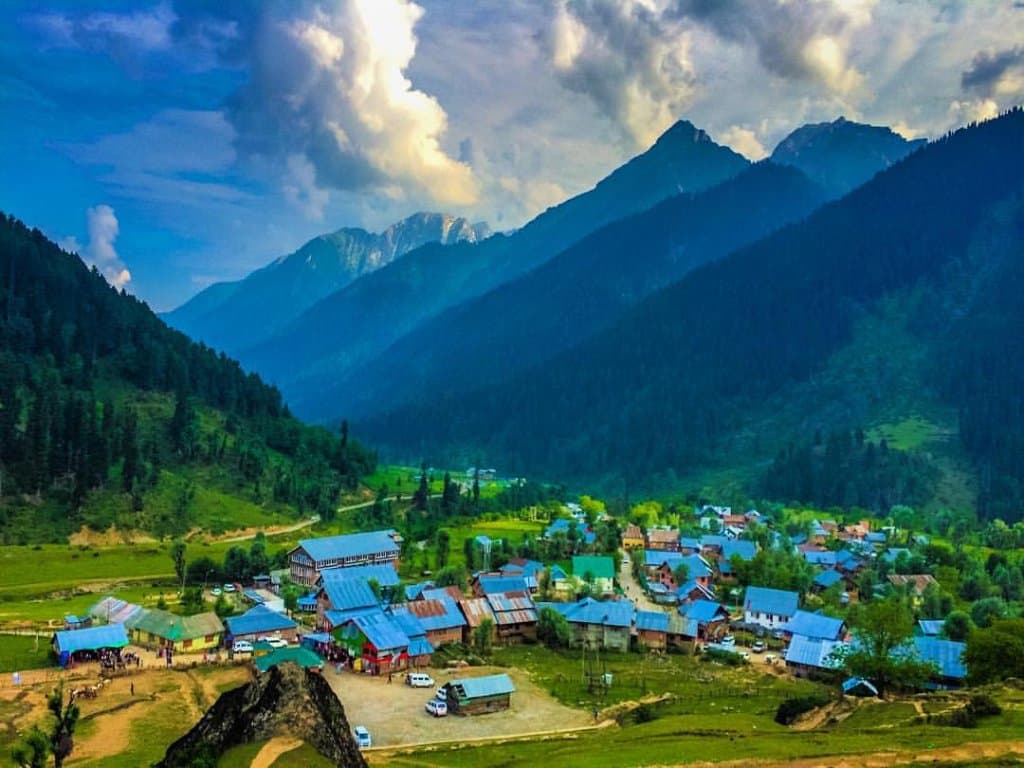
The trek to Kolahoi Glacier typically starts from Aru Valley near Pahalgam. You can reach Pahalgam by road from Srinagar. The trek itself involves hiking through meadows like Lidderwat. +1
While direct public transport to Aru Valley might be limited, you can find buses or taxis from Srinagar to Pahalgam, and then arrange local transport or hire a taxi to Aru.
You can drive to Aru Valley, which serves as a common starting point for treks towards Kolahoi Glacier. Further access is on foot.
The trek to Kolahoi Glacier is a multi-day affair, often covering significant distances through varied terrain. Exact distances can vary based on the chosen route and starting point.
Roads to Pahalgam and Aru Valley are generally open year-round, but can be affected by heavy snowfall in winter. Always check local conditions before traveling.
🎫 🎫 Tickets & Entry
While specific entry tickets for the glacier itself are not usually mentioned, local authorities might have regulations. It's advisable to check with local tourism offices in Pahalgam for any required permits or fees.
Trekking routes are generally accessible during daylight hours. However, due to the nature of the trek, it's best to start early and plan to complete your day's hike before dusk.
There isn't a direct entrance fee for the glacier itself. However, you might encounter fees for entering national parks or protected areas if your route passes through them.
Yes, booking a guided tour in advance is highly recommended, especially if you are not an experienced trekker. Local operators in Pahalgam can arrange this.
Information on discounts is scarce. It's best to inquire directly with local tour operators or trekking agencies in Pahalgam when booking your trip.
🎫 🧭 Onsite Experience
The trek is considered medium-level, requiring good trekking skills and stamina. It can become more difficult during winter months.
Expect a mix of pine forests, alpine meadows, and rocky, uneven paths. The terrain becomes more challenging as you approach the glacier.
While beautiful, the trek has its challenges. Be aware of potential hazards like unstable ice and rock faces. Traveling with an experienced guide is strongly advised.
Pack sturdy trekking boots, warm clothing, rain gear, a first-aid kit, sufficient water, and high-energy snacks. A good backpack is essential.
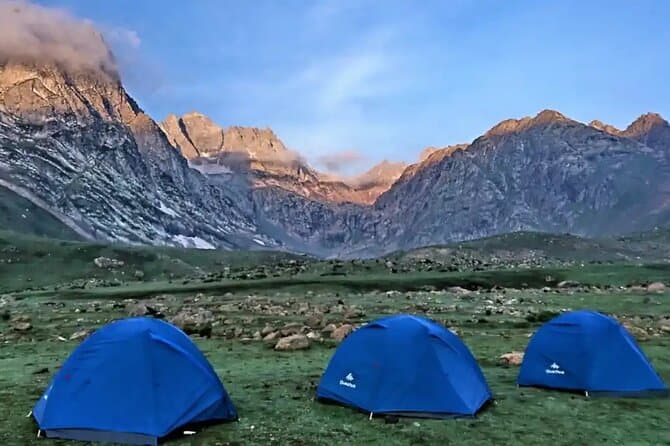
Camping is possible in designated areas along the trekking route, such as Lidderwat. Ensure you follow Leave No Trace principles and check local regulations.
📸 📸 Photography
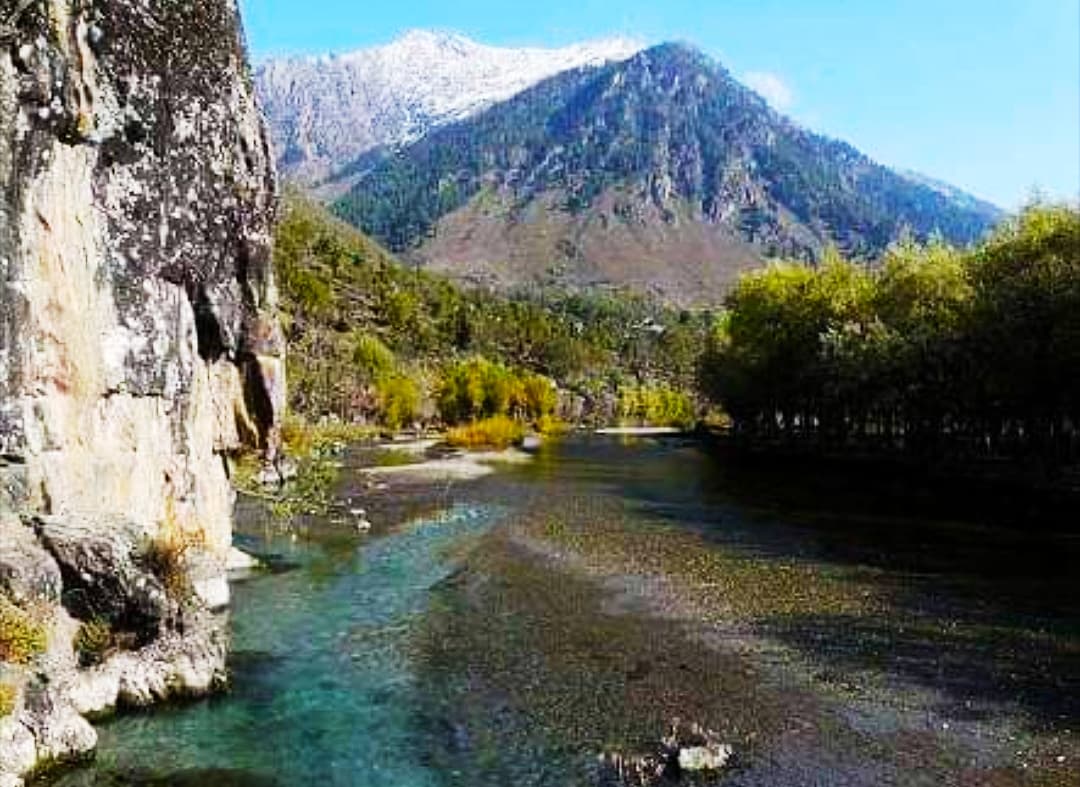
Capture the dramatic landscapes, the glacier's snout, Mount Kolahoi's peak, and the pristine Lidder River. Sunrise and sunset offer stunning light. +1
Drone usage regulations can be strict in protected areas. It's crucial to check with local authorities in Pahalgam or the Jammu and Kashmir tourism department before flying a drone.
A wide-angle lens for landscapes, a telephoto lens for distant peaks, and a sturdy tripod are recommended. Protect your gear from dust and moisture.
The meadows leading up to the glacier offer panoramic views. The area around the glacier snout itself provides dramatic, close-up shots of the ice formations.
Early morning and late afternoon offer the best light for photography, with softer shadows and warmer tones. Midday sun can be harsh.



Social
from TikTok, Instagram & Reddit