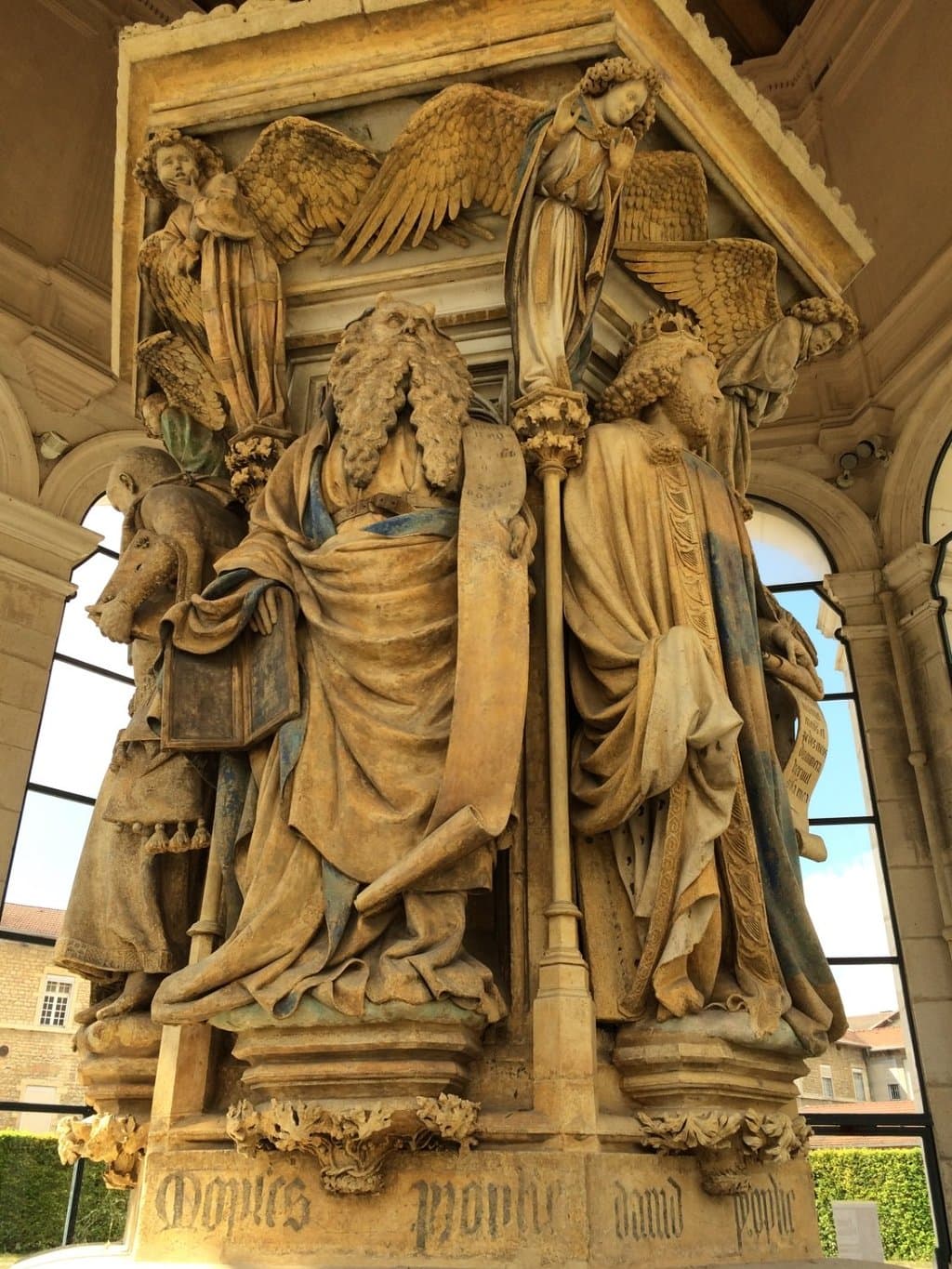
Puits de Moïse (Well of Moses)
A 14th-century Gothic masterpiece by Claus Sluter, this monumental sculpture depicts prophets and angels with unparalleled realism.

Highlights
Must-see attractions

Social
From TikTok & Reddit
Best Time
Fewer crowds, peaceful viewing
Puits de Moïse (Well of Moses)
Best Time
Fewer crowds, peaceful viewing
Highlights
Must-see attractions
A 14th-century Gothic masterpiece by Claus Sluter, this monumental sculpture depicts prophets and angels with unparalleled realism.
"A must-see in Dijon! The preservation of this gothic masterpiece is impressive and the beauty of it immensely moving."
🎯 Navigate the Hospital Grounds
It's within a hospital complex. Follow signs for the Well of Moses pavilion; free access is available.
💰 Free Admission!
Enjoy this incredible Gothic masterpiece without an entry fee. Donations are appreciated.
Quick Facts
Hours
Rating
4.4 · 638 reviews
Type
Monument
Highlights
Discover the most iconic attractions and experiences
The Well of Moses Sculpture
Chartreuse de Champmol grounds
A monumental 14th-century Gothic masterpiece by Claus Sluter, featuring six prophets and weeping angels.

Realistic Prophet Figures
Well of Moses pavilion
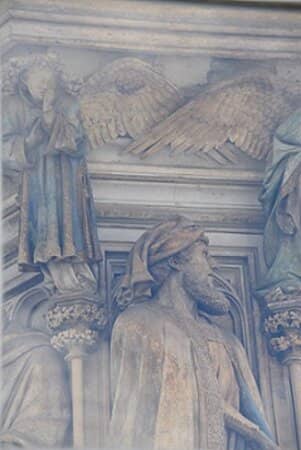
Incredibly lifelike depictions of Moses, David, Jeremiah, Zachariah, Daniel, and Isaiah with detailed clothing.

The Still-Full Reservoir
Base of the sculpture
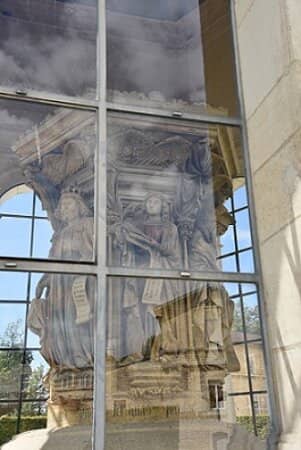
The hexagonal base still holds water, adding to the evocative atmosphere of this ancient necropolis.
Plans like a pro.
Thinks like you
Planning Your Visit
Finding the Well of Moses
Understanding the History
Best Times
Insider Tips
from TikTok, Instagram & Reddit
🎯 Navigate the Hospital Grounds
It's within a hospital complex. Follow signs for the Well of Moses pavilion; free access is available.
💰 Free Admission!
Enjoy this incredible Gothic masterpiece without an entry fee. Donations are appreciated.
📖 Get Historical Context
Pick up leaflets at the entrance for a deeper understanding of the sculpture's history and significance.
🚶♀️ Worth the Detour
It might take a bit of navigating, but the beauty and realism of the sculptures make it a must-see.
Tips
from all over the internet
🎯 Navigate the Hospital Grounds
It's within a hospital complex. Follow signs for the Well of Moses pavilion; free access is available.
💰 Free Admission!
Enjoy this incredible Gothic masterpiece without an entry fee. Donations are appreciated.
📖 Get Historical Context
Pick up leaflets at the entrance for a deeper understanding of the sculpture's history and significance.
🚶♀️ Worth the Detour
It might take a bit of navigating, but the beauty and realism of the sculptures make it a must-see.
⛪ Visit the Nearby Chapel
Consider visiting the chapel nearby, which has separate entry from outside the main courtyard.
What Travellers Say
Reviews Summary
Visitors consistently praise the Well of Moses as a breathtaking Gothic masterpiece, highlighting Claus Sluter's incredible realism and the emotional depth of the sculptures. Its free admission and the still-full reservoir add to its unique appeal. However, some find it challenging to locate within the hospital grounds, and the limited amenities can be a minor drawback.
"Ancient with a lot figures from the bible on it. The reservoir is still full of water. The hospital around was a monastary in old times. Visit is free."
R. Ant
"Very nice sculpture of Klaus Schluter, a masterpiece.
Somewhat difficult to find as it it’s inside a health care institute, no worries there is free access"
johan cecat
"As mentioned by others it is a longer walk and you'll easily take a wrong turn and then have to walk back, as the sculpture is located within a big walled hospital area with very few exits to the main street. But it is worth the detour. The preservation of this gothic masterpiece is impressive and the beauty of it immensely moving, as is the ability of the master behind this to convey distinct psychological traits of the prophets depicted. Entrance is free, perhaps there might be a bit of queue to enter the small pavillon that houses the well. A must-see in Dijon!"
Brian Haagensen
What People Like
What People Dislike
Frequently Asked Questions
🚇 🗺️ Getting There
The Well of Moses is located within the grounds of the Chartreuse de Champmol, which is now a hospital complex. You'll need to navigate the hospital area and follow signs for the pavilion housing the sculpture. It can be a bit tricky to find, so using a map app is recommended.
Information on specific bus routes is limited, but Dijon has a good public transport system. It's advisable to check local transport schedules for routes that go near the Chartreuse de Champmol area.
As it's within a hospital, parking might be limited or restricted. It's best to check for designated visitor parking areas or consider public transport if available.
It's a considerable walk from the city center, likely over 30-45 minutes. While possible, taking a bus or taxi might be more convenient, especially if you're short on time.
While the grounds are generally accessible, the small pavilion housing the sculpture might have specific opening hours. It's recommended to check locally or look for signs upon arrival, as hours can vary.
🎫 🎫 Tickets & Entry
The entrance to the pavilion housing the Well of Moses is free of charge. This makes it an accessible cultural experience for all visitors.
No advance booking is typically required as admission is free. However, there might be a small queue to enter the pavilion during peak times.
While the general area might be accessible, the specific pavilion housing the sculpture may have set opening hours. It's best to verify these locally to avoid disappointment.
Generally, access is free and open. However, as it's within a hospital, visitors are expected to be respectful of the environment.
It's unlikely that the pavilion housing the sculpture would be open at night. Visiting during daylight hours is recommended for the best experience and to ensure access.
🎫 🧭 Onsite Experience
The Well of Moses is renowned for its exceptional 14th-century Gothic sculpture by Claus Sluter, depicting prophets and angels with remarkable realism and psychological depth. It's considered a masterpiece of medieval art.
A visit to the Well of Moses itself can be relatively short, perhaps 30-60 minutes, especially if you take time to appreciate the details and read any provided information.
Yes, the impressive sculptures and historical significance can be engaging for children, especially if explained in an age-appropriate manner. The free entry also makes it a budget-friendly option for families.
Restroom facilities might be limited directly at the pavilion. You may need to use facilities within the broader hospital complex, so plan accordingly.
Photography is generally permitted, but it's always good practice to check for any specific signage regarding photo policies within the pavilion.
📸 📸 Photography
Late morning or early afternoon often provides good natural light that highlights the intricate details of the sculptures. Avoid direct midday sun if possible to prevent harsh shadows.
Tripod usage might be restricted, especially in enclosed spaces like the pavilion. It's advisable to check local regulations or use a monopod if stability is needed.
Focus on the expressive faces of the prophets, the detailed drapery of their robes, the weeping angels, and the water in the hexagonal base. Capturing the scale against the pavilion's architecture is also effective.
The pavilion is designed to protect the sculpture, so lighting might be controlled. Natural light from any openings combined with ambient lighting will be your primary source.
A versatile lens, such as a 24-70mm equivalent, would be useful for capturing both wider shots of the entire sculpture and closer details of individual figures. A prime lens like a 50mm could also yield excellent results.


Social
from TikTok, Instagram & Reddit