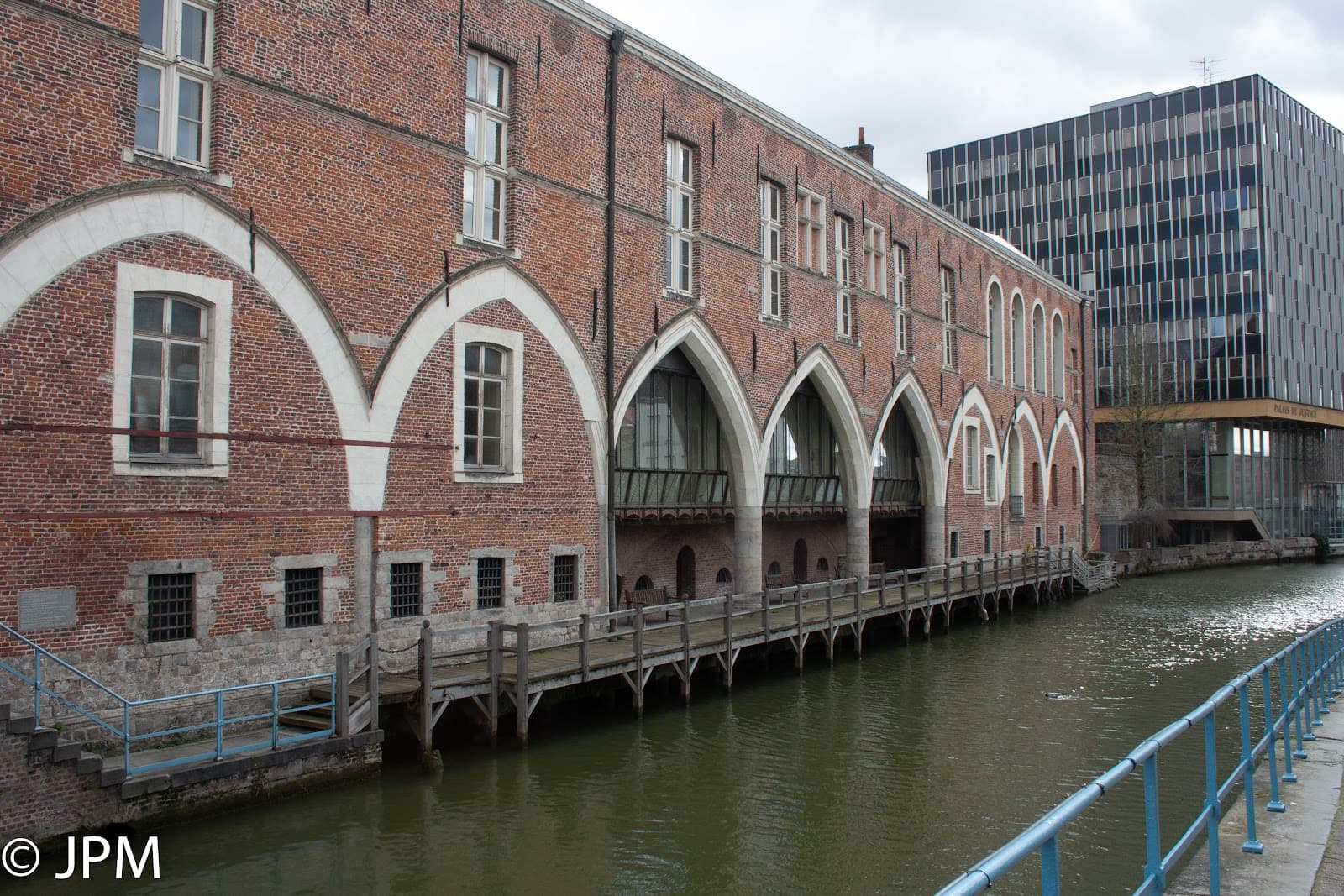
Douai Court of Appeal
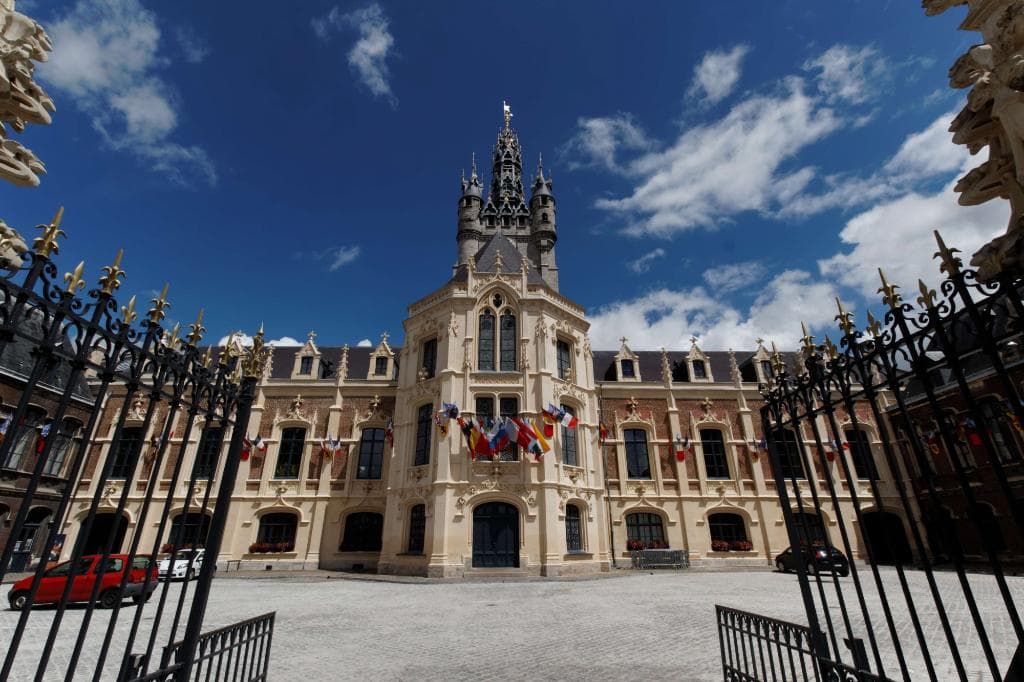
A historic monument in Douai, France, serving as a Court of Appeal with a rich past from river port to parliament.
Highlights
Must-see attractions

Social
From TikTok & Reddit
Best Time
To observe court proceedings (if permitted)
Douai Court of Appeal
Best Time
To observe court proceedings (if permitted)
Highlights
Must-see attractions
A historic monument in Douai, France, serving as a Court of Appeal with a rich past from river port to parliament.
"This building has a fascinating history, from a river port to a parliamentary seat before becoming the Court of Appeal. "

Keep Detailed Records
Always document your interactions with the court via registered letters or emails. :memo:
Formal Notice Option
If facing prolonged inaction, consider sending a formal notice to the court. :email:
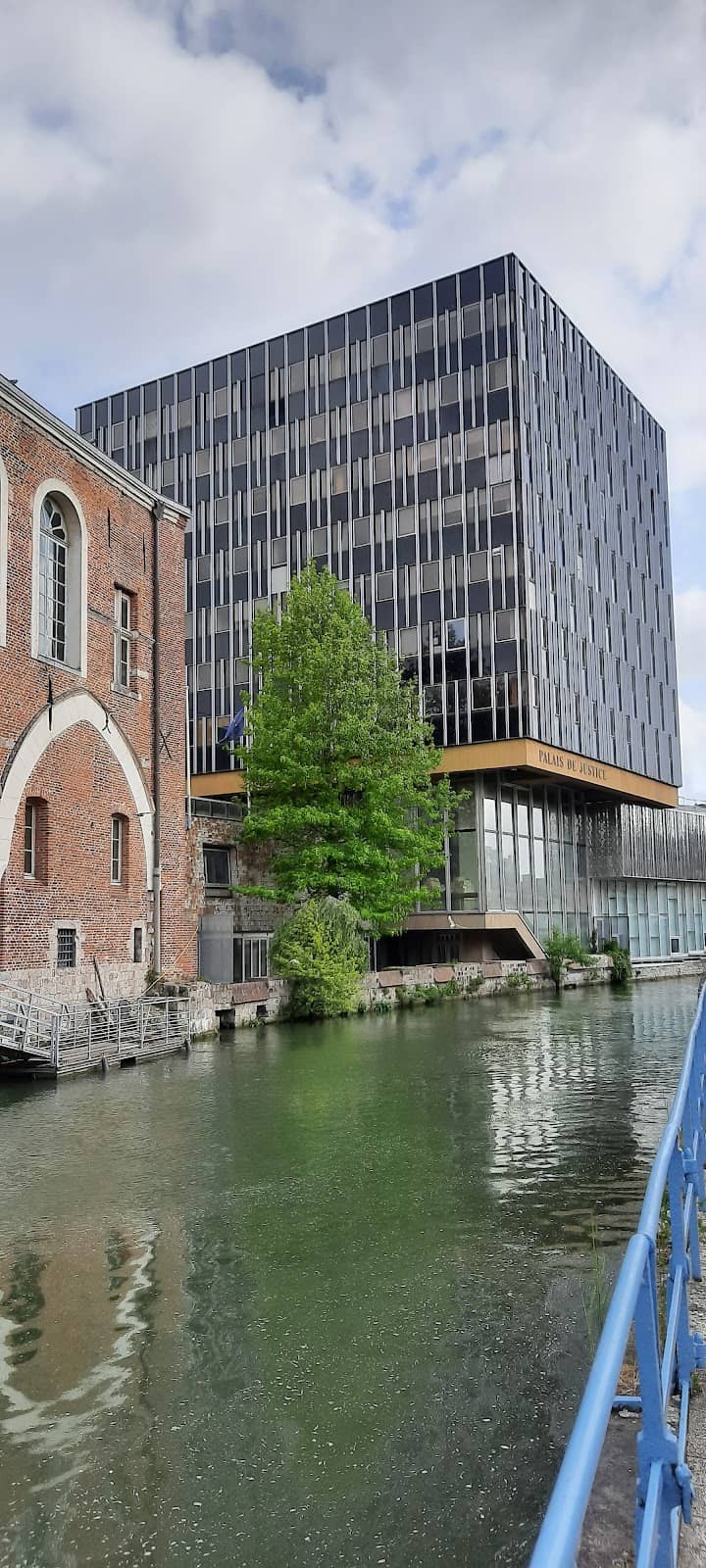
Highlights
Discover the most iconic attractions and experiences
Grand Chambre du Parlement
Main Hall
The original parliament chamber, preserved in its 18th-century state. A testament to historical judicial and legislative power.
Historical Architecture
Exterior and Interior
Admire the building's evolution from a medieval abbey refuge to its current neoclassical grandeur.
Plans like a pro.
Thinks like you
Planning Your Visit
Navigating Legal Processes
Historical Significance
Best Times
Insider Tips
from TikTok, Instagram & Reddit
Keep Detailed Records
Always document your interactions with the court via registered letters or emails. :memo:
Formal Notice Option
If facing prolonged inaction, consider sending a formal notice to the court. :email:
Historical Context
Research the building's past as a river port and parliamentary seat before your visit. :book:
Tips
from all over the internet
Keep Detailed Records
Always document your interactions with the court via registered letters or emails. :memo:
Formal Notice Option
If facing prolonged inaction, consider sending a formal notice to the court. :email:
Historical Context
Research the building's past as a river port and parliamentary seat before your visit. :book:
What Travellers Say
Reviews Summary
Reviews for the Douai Court of Appeal primarily focus on its historical significance and the architectural preservation of its chambers. However, feedback also highlights significant concerns regarding the lengthy waiting times and perceived inefficiencies in legal case processing, with some users suggesting proactive measures to address delays.
"Well-located cafe and vending machines, quiet spaces for patience. 🌻
Unfortunately, the sound quality is poor."
Elef Vakalis
"I suggest to all those experiencing similar difficulties in managing their case that we join forces and collectively submit our files to the public prosecutor during the next change of government in 2027.
This moment will be decisive, as it will also be accompanied by ministerial changes: new Ministers of Justice, Labor, and the Interior will be appointed, and normally with new priorities and a desire to break with the blockages and dysfunctions.
Personally, I have always received a more or less rapid response, but that is not the problem.
For those still waiting for a processing date or any response, please note that there are several avenues available:
Simple follow-up by letter or email
Always keep a written record of your requests (registered letter with acknowledgment of receipt, email with acknowledgment of receipt, etc.).
Official follow-up request
You can contact the court registry in writing to inquire about the status of your case and to remind them of the legal deadlines.
Formal Notice
Send a formal notice to the court, reminding it that it is obliged to rule within a reasonable time.
The Court of Cassation has already recognized that prolonged silence by a court may constitute a denial of justice.
Referral to the First President
In the event of persistent inaction, you can write to the First President of the Court of Appeal or the President of the court concerned.
Complaint for denial of justice
As a last resort, Article L.141-1 of the Code of Judicial Organization provides that "the State is required to compensate for the damage caused by the defective functioning of the public justice system, particularly in the event of a denial of justice."
So, don't remain passive: document all your actions, set deadlines, and don't hesitate to serve the court with a formal notice if necessary."
Thibault Poirier
"Initially, the building housed a river port.
It was bought by the Abbey of Marchiennes to establish its refuge in the 14th century.
The abbey used the attic as a granary.
In 1667, after the conquest of Flanders by Louis XIV, the teachers of the college of Marchiennes settled there, after the transformation of their college into barracks.
In 1714, it changed its purpose again.
On 2 October, the first session of the Flemish Parliament opened there in its new building.
The jurisdiction created by Louis XIV to do justice to his new subjects in the northern provinces and whose headquarters were initially located in Tournai, had to move under the pressure of military defeats.
A Royal Edict of 1713 established the new headquarters in Douai.
The building was renovated in 1715. In 1762, the building was no longer suitable and repairs were requested.
The Grand Chambre du Parlement was built between 1762 and 1789.
It is still in its original state.
It was classified as a historical monument in 1959.
It is located on the Place de Pollinchove."
Peter Van Renterghem
What People Like
What People Dislike
Frequently Asked Questions
🚇 🗺️ Getting There
The Douai Court of Appeal is located in Douai, France. Public transport options within the city, such as local buses or taxis, are available. For those arriving from further afield, train services to Douai are frequent.
Information on specific parking availability near the Douai Court of Appeal can be limited. It's advisable to check local Douai parking resources or consider public transport to avoid potential parking challenges.
🎫 🎫 Tickets & Entry
As a functioning court, general public access may be restricted to specific areas or during public hearings. It's recommended to check the official website or contact the court directly for visitor information.
The opening hours for the Douai Court of Appeal are typically aligned with standard business hours for judicial institutions. For specific visiting hours or to attend public sessions, direct inquiry is advised.
Public access to certain court sessions may be permitted, depending on the nature of the case and court regulations. Inquire with the court registry for details on attending public hearings.
🎫 ⚖️ Legal Matters & Advice
If you're experiencing delays, keep written records of all communications. You can send a formal notice to the court or contact the First President. As a last resort, consider a complaint for denial of justice.
You can follow up by sending a written inquiry to the court registry to check the status of your case and remind them of legal deadlines. Always maintain written proof of your requests.
A formal notice is a written communication sent to the court to remind it of its obligation to rule within a reasonable time, especially if there's prolonged inaction.
A denial of justice can occur if a court's prolonged silence or inaction prevents a resolution. The state may be required to compensate for damages caused by such defective functioning.
For specific legal procedures and case management, it's best to consult with a legal professional or refer to official French legal resources. The court registry can also provide procedural guidance.
🎫 🏛️ History & Architecture
Originally a river port, it became an abbey refuge, then housed teachers before being transformed into barracks. It later served as the Flemish Parliament and was established as the Court of Appeal in 1713.
The Grand Chambre du Parlement was constructed between 1762 and 1789 and remains in its original state.
Yes, the Douai Court of Appeal building was classified as a historical monument in 1959, recognizing its significant architectural and historical value.
The building showcases architectural evolution, from its medieval origins to the neoclassical style of the Grand Chambre du Parlement.
For Different Travelers
Tailored advice for your travel style
Legal Professionals & Litigants
History Enthusiasts
Deep Dives
In-depth insights and expert knowledge
Understanding Legal Processes and Patience
For those facing significant delays, several avenues exist. A simple follow-up by letter or email is a starting point. More formally, you can submit an 'official follow-up request' to the court registry. If inaction persists, sending a 'formal notice' can remind the court of its obligation to rule within a reasonable time.
This advice underscores that while the court is a place of justice, navigating its processes requires diligence and an understanding of the system's timelines. Being informed and persistent, while documenting everything, is key to managing expectations and outcomes.
A Building Steeped in History
Following the conquest of Flanders by Louis XIV, the building was repurposed. Teachers from the college of Marchiennes settled there after their college was converted into barracks. In 1714, it underwent another transformation, becoming the seat of the Flemish Parliament. The jurisdiction established by Louis XIV to administer justice in the northern provinces, initially based in Tournai, was compelled to relocate to Douai in 1713 due to military pressures, leading to the establishment of the Court of Appeal in this very building.
The building underwent renovations in 1715, and by 1762, it was deemed unsuitable, prompting repair requests. The Grand Chambre du Parlement was subsequently built between 1762 and 1789 and remains remarkably preserved in its original state. Its historical significance was formally recognized when it was classified as a historical monument in 1959.



Social
from TikTok, Instagram & Reddit