Saint-Sauveur Church
A historic Romanesque church in Figeac, showcasing centuries of architectural evolution and housing the medieval Chapel of Our Lady of Pity.
Highlights
Must-see attractions

Social
From TikTok & Reddit
Best Time
Fewer crowds, peaceful exploration
Saint-Sauveur Church
Best Time
Fewer crowds, peaceful exploration
Highlights
Must-see attractions
A historic Romanesque church in Figeac, showcasing centuries of architectural evolution and housing the medieval Chapel of Our Lady of Pity.
"A beautiful chapel in a Romanesque church, see it as part of a walk around the town."
🗺️ Get a Town Map
Grab a leaflet from the tourist office for a town walk that includes the church and chapel. :world_map:
⏳ Allow Ample Time
Don't rush! Explore the architecture and history of Saint-Sauveur Church and its chapel. ⏳
Quick Facts
Rating
4.5 · 296 reviews
Type
Church
Highlights
Discover the most iconic attractions and experiences
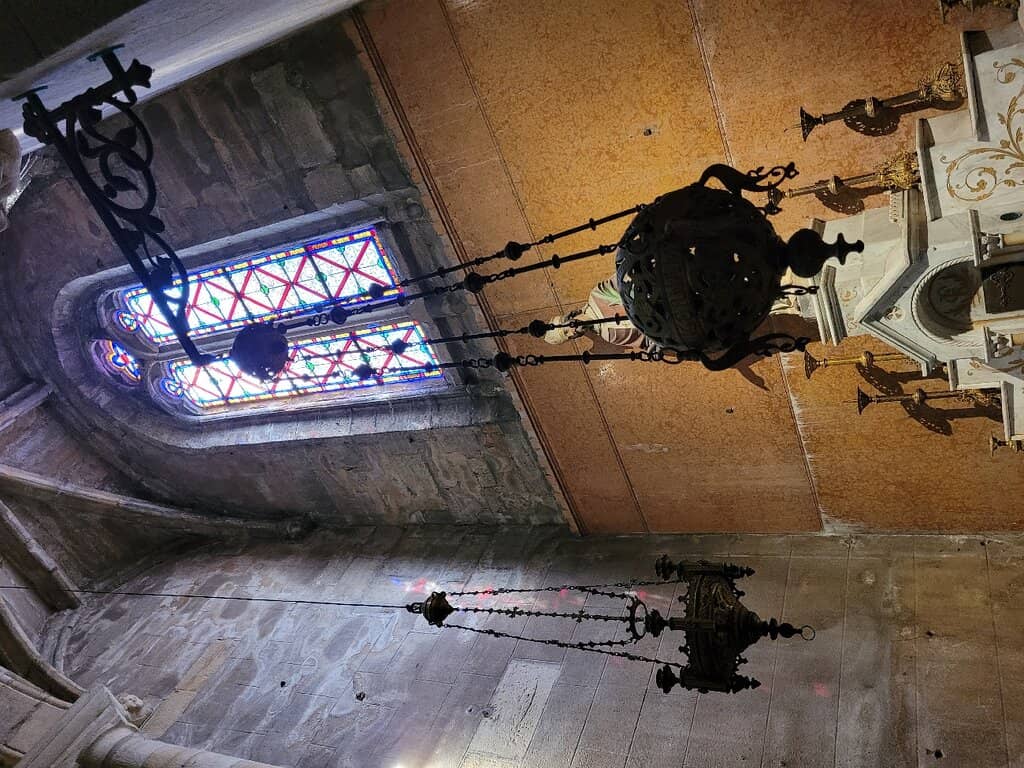
Chapel of Our Lady of Pity
South transept
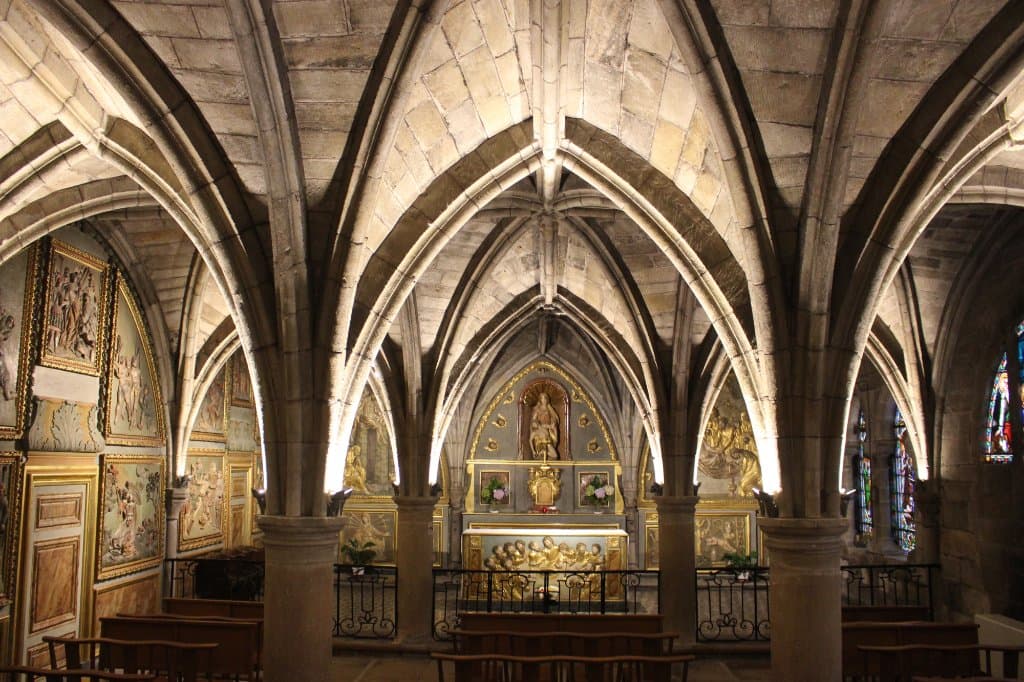
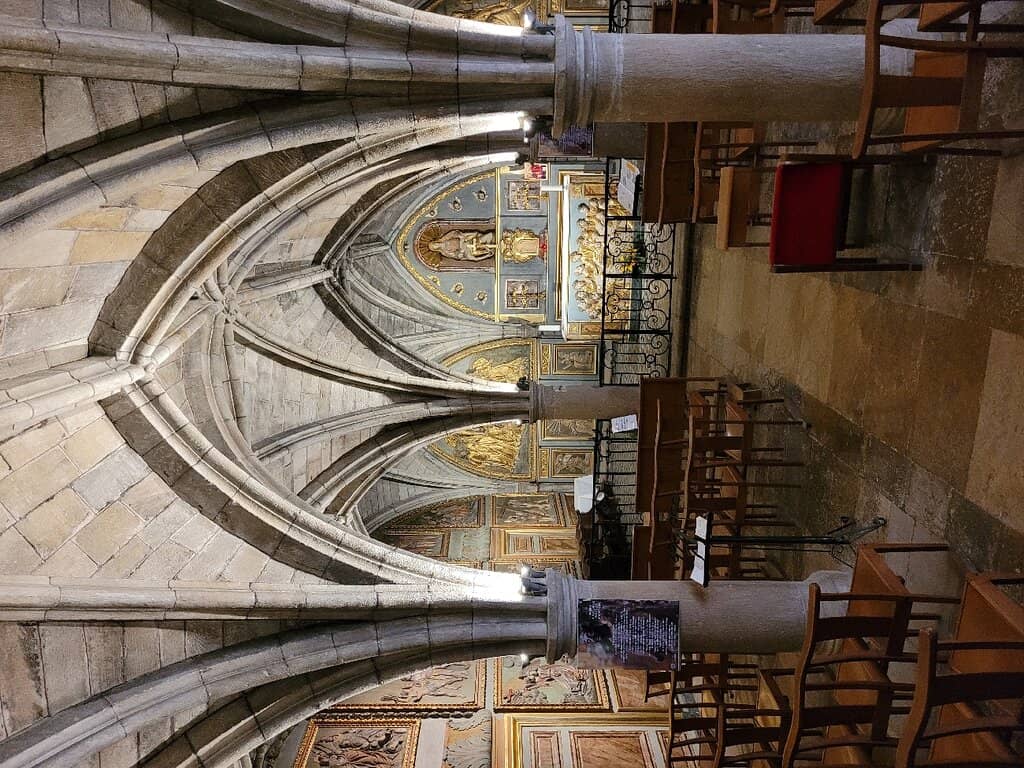
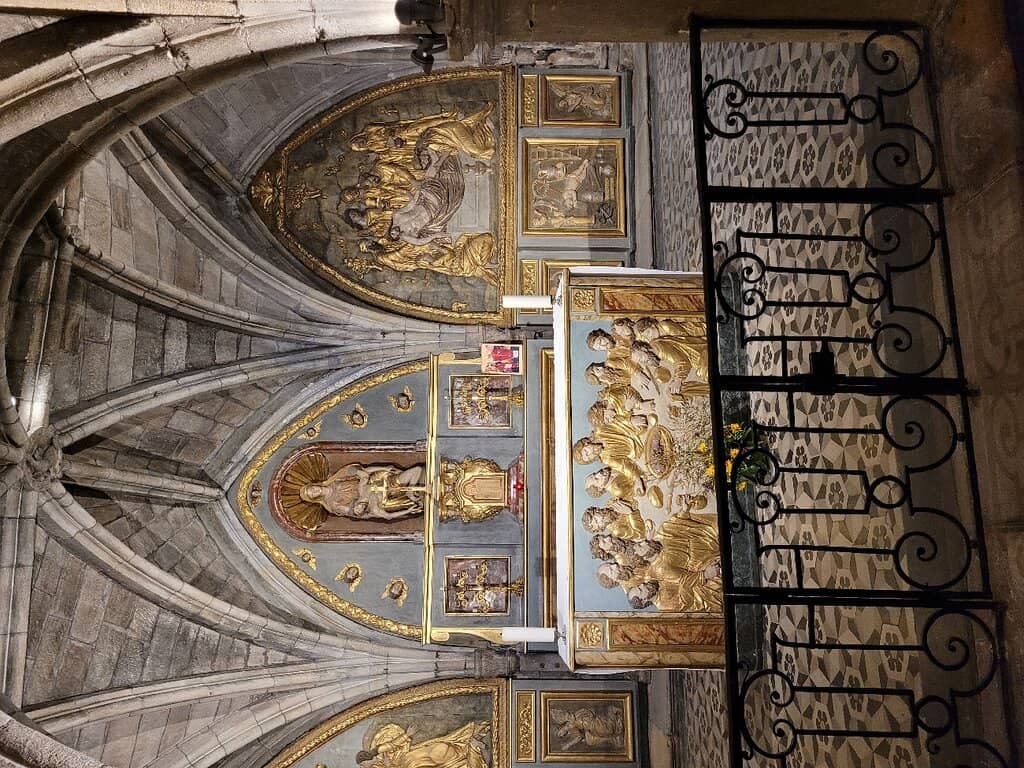
The sole medieval vestige, this chapel witnessed oaths of allegiance and royal prayers. A must-see for history buffs!
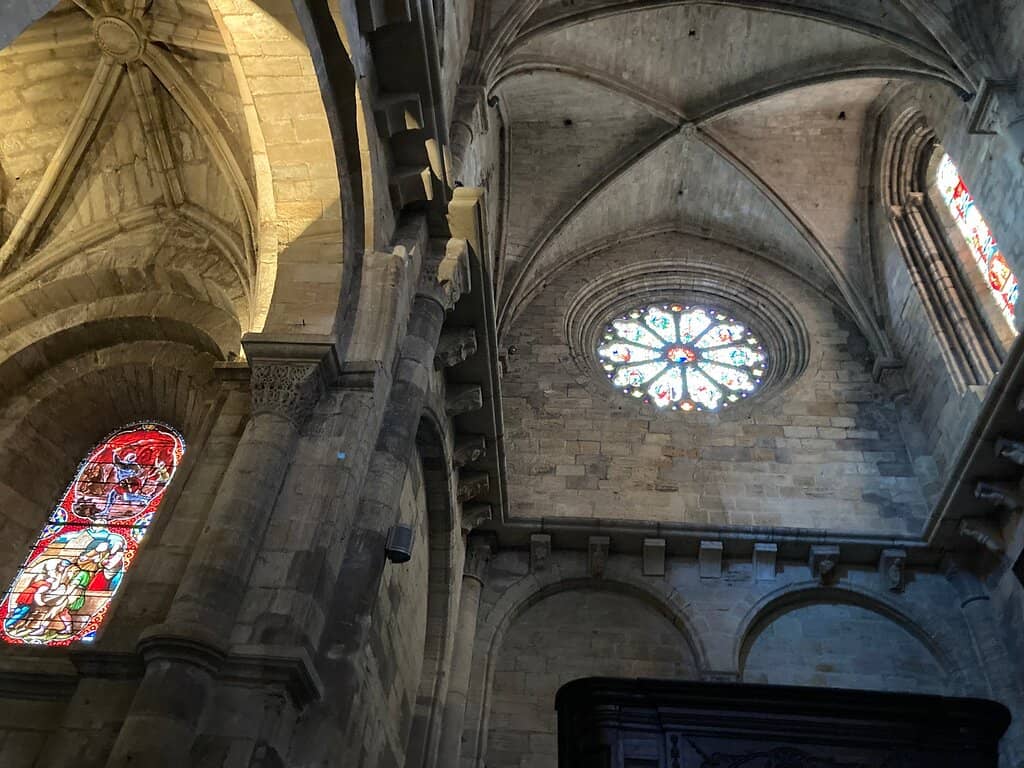
Romanesque Architecture
Nave and ambulatory
Marvel at the imposing Latin cross design, inspired by Conques and Cluny, with tall columns and a surrounding ambulatory.
Ségala Sandstone Construction
Exterior and interior walls
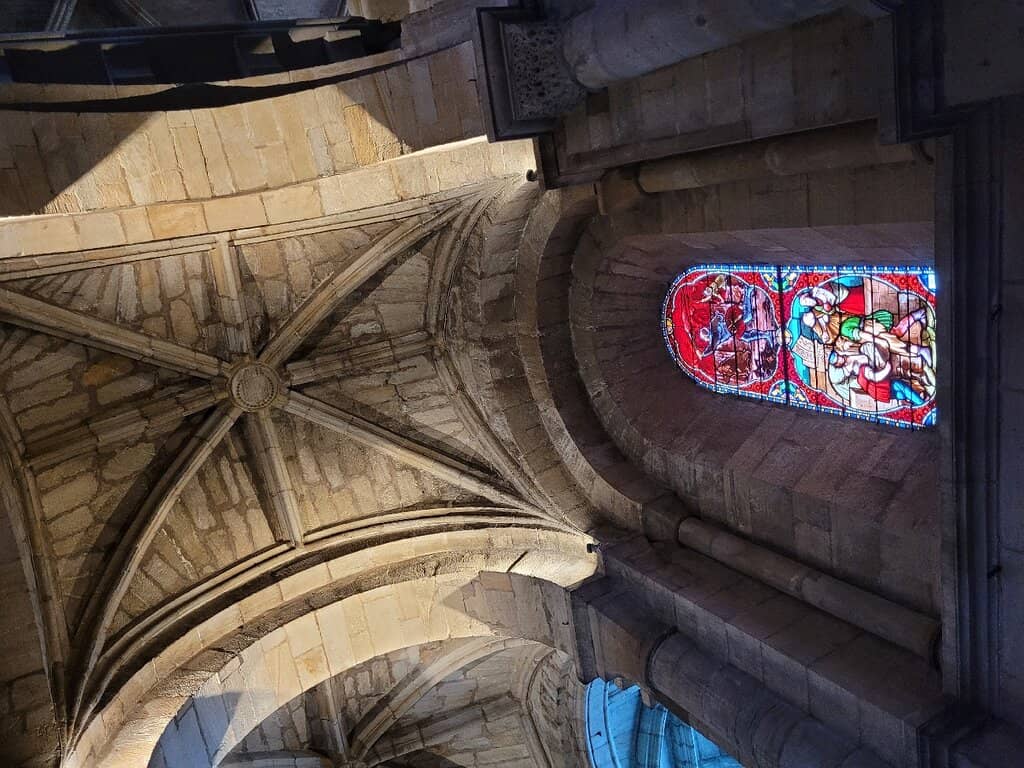
Admire the beauty of the local 'Peyriè re de Saint-Salvadour' sandstone, giving the church its distinctive warm hue.
Plans like a pro.
Thinks like you
Planning Your Visit
Timing Your Visit
Exploring the Surroundings
Best Times
Insider Tips
from TikTok, Instagram & Reddit
🗺️ Get a Town Map
Grab a leaflet from the tourist office for a town walk that includes the church and chapel. :world_map:
⏳ Allow Ample Time
Don't rush! Explore the architecture and history of Saint-Sauveur Church and its chapel. ⏳
👟 Comfortable Shoes
You'll be doing some walking around Figeac, so wear comfy shoes. :athletic_shoe:
📸 Capture the Details
The sandstone and architectural details are stunning. Bring your camera! :camerawithflash:
Tips
from all over the internet
🗺️ Get a Town Map
Grab a leaflet from the tourist office for a town walk that includes the church and chapel. :world_map:
⏳ Allow Ample Time
Don't rush! Explore the architecture and history of Saint-Sauveur Church and its chapel. ⏳
👟 Comfortable Shoes
You'll be doing some walking around Figeac, so wear comfy shoes. :athletic_shoe:
📸 Capture the Details
The sandstone and architectural details are stunning. Bring your camera! :camerawithflash:
What Travellers Say
Reviews Summary
Visitors praise Saint-Sauveur Church for its rich history and beautiful Romanesque architecture, particularly highlighting the well-preserved Chapel of Our Lady of Pity. Many appreciate its integration into a town walk, offering a glimpse into medieval France. Some note the varied architectural styles due to reconstructions.
"While it is well established that the Abbey of Figeac was built during the ninth century, the current church of Saint-Sauveur has few remains from this period, but more certainly from the eleventh century for the oldest. It was indeed during this period that the reconstruction of the building in its current form was undertaken. It certainly took nearly two centuries to complete, resulting in an imposing monument with mixed, and sometimes disparate, styles. Built on the model of the church of Conques and inspired by the monk architects of Cluny, it has the shape of a Latin cross. More than sixty meters long, seventeen wide, it culminates at the highest point of its vault at twenty-one meters. Its nave, lined with tall columns, is surrounded by an ambulatory that runs around it, including the choir. A garland of chapels encircles the basilica all around. Undermined and burned around 1577 by the Huguenots, it was rebuilt and remodeled in the 17th and 18th centuries, and again in the 19th century when the octagonal dome that had overlooked the transept since 1730 collapsed.
The holy water font, a simple hollowed-out stone, rests on an inverted Corinthian capital that must have been part of the original porch. The church was largely built of fine Ségala sandstone, extracted from a quarry called the "Peyrière de Saint-Salvadour".
To the south, on one of the arms of the cross that forms the church, stands the Chapel of Our Lady of Pity, the abbey's former chapter house. It is the only fully preserved vestige from the medieval period. It was in this chapel that, on July 24, 1373, the town's notables swore an oath of allegiance to the King of England. It was also here that King Louis XI, returning from Spain and heading towards Rocamadour, stopped and publicly prayed to the Virgin Mary on July 20, 1463."
Enjoy life
"Beautiful church worth visiting with a rich history to discover"
Penny H
"Beautiful chapel in a Romanesque church. See it as part of a walk around the town - leaflet and map from the tourist office."
Andrew Campbell
What People Like
What People Dislike
Frequently Asked Questions
🚇 🗺️ Getting There
Saint-Sauveur Church is located in the heart of Figeac. If you're arriving by car, there are parking areas available in the town center. For those arriving by public transport, Figeac has a train station, and the church is a short walk from there. Walking is the best way to explore Figeac and reach the church.
The church is situated in the town center, making it easily accessible on foot. While the main church is generally accessible, some older parts might have uneven flooring. It's advisable to wear comfortable shoes.
The Figeac train station is the primary transport link. From the station, it's a pleasant walk through the town to reach Saint-Sauveur Church. Local buses may also serve the town center.
🎫 🎫 Tickets & Entry
Generally, entry to Saint-Sauveur Church is free, allowing visitors to admire its architecture and history. However, it's always a good idea to check for any special events or guided tours that might have associated fees.
Opening hours can vary, especially outside of peak tourist season. It's recommended to check the official Figeac tourist office website or inquire locally for the most up-to-date information on when the church is open for visitors.
The Chapel of Our Lady of Pity is typically accessible as part of the church visit and often does not have a separate entrance fee. Its historical significance makes it a key part of the Saint-Sauveur Church experience.
Yes, Saint-Sauveur Church is an active place of worship. Visitors are welcome to attend services, but it's important to be respectful of worshippers and maintain a quiet demeanor during these times.
Guided tours may be available, especially during peak season, offering deeper insights into the church's history and architecture. Inquire at the Figeac tourist office for details on scheduling and availability.
🎫 🧭 Onsite Experience
Take your time to admire the Romanesque architecture, especially the nave and ambulatory. Don't miss the Chapel of Our Lady of Pity, the only medieval vestige, and appreciate the local Ségala sandstone used in its construction.
Key features include the imposing nave with its tall columns, the surrounding ambulatory, and the historically significant Chapel of Our Lady of Pity. The inverted Corinthian capital supporting the holy water font is also a notable detail.
Absolutely! The church's architecture, the warm tones of the Ségala sandstone, and the historical details offer excellent photographic opportunities. Consider visiting during the afternoon for softer light.
To fully appreciate the church and its chapel, allocate at least an hour. If you're combining it with a town walk, you could spend half a day exploring Figeac.
Restroom facilities may be limited within the church itself. It's advisable to use facilities in nearby cafes or public restrooms in the town center before or after your visit.
🍽️ 🍽️ Food & Dining
Figeac's town center, where Saint-Sauveur Church is located, offers numerous dining options. You'll find charming cafes, traditional restaurants, and bakeries serving local specialties. It's easy to find a bite to eat before or after your visit.
Figeac offers classic French cuisine, with an emphasis on regional dishes from the Lot department. Expect hearty meals, local cheeses, and delicious pastries. Many restaurants are located just a short walk from the church.
📸 📸 Photography
Capture the grandeur of the church's exterior, especially its facade and bell tower. Inside, focus on the nave, the columns, the ambulatory, and the intricate details of the Chapel of Our Lady of Pity. The Ségala sandstone offers a beautiful texture.
The afternoon often provides softer, more flattering light for exterior shots. For interior photography, be mindful of lighting conditions and any restrictions. Early mornings can offer a more serene atmosphere.
While generally permitted, it's always wise to be discreet when taking photos inside religious buildings. Avoid using flash photography, especially during services, and be respectful of the sacred space.


Social
from TikTok, Instagram & Reddit