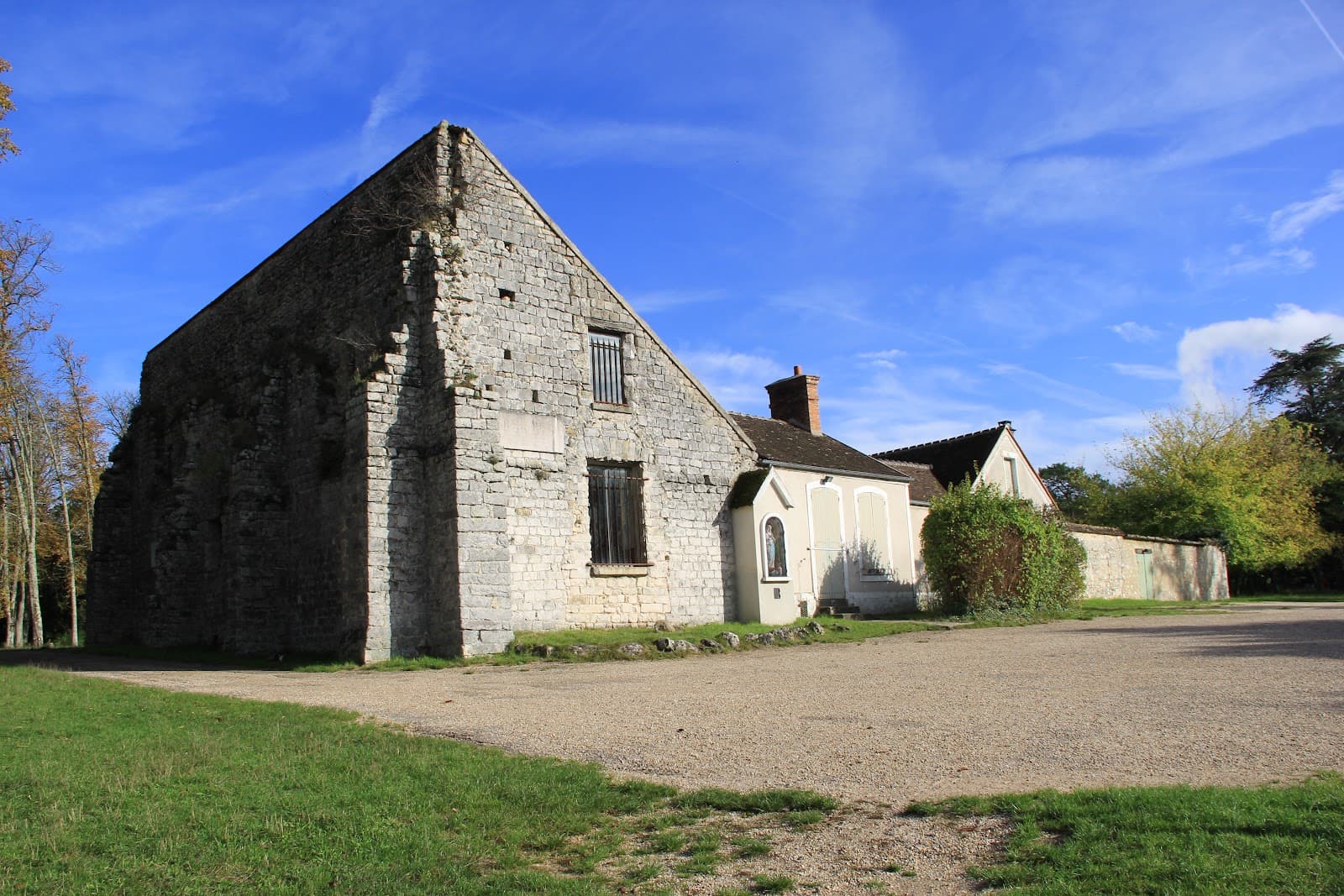
Ermitage de Franchard Fontainebleau
Historic hermitage ruins and a gateway to the stunning Fontainebleau Forest, perfect for walks and picnics.
Highlights
Must-see attractions

Social
From TikTok & Reddit
Best Time
Pleasant weather for walks
Ermitage de Franchard Fontainebleau
Best Time
Pleasant weather for walks
Highlights
Must-see attractions
Historic hermitage ruins and a gateway to the stunning Fontainebleau Forest, perfect for walks and picnics.
"A charming site in the heart of the forest, perfect for walks and picnics."
🚗 Ample Parking Available
A large, shaded parking lot makes it easy to start your forest adventure. Arrive early on weekends! 🚗
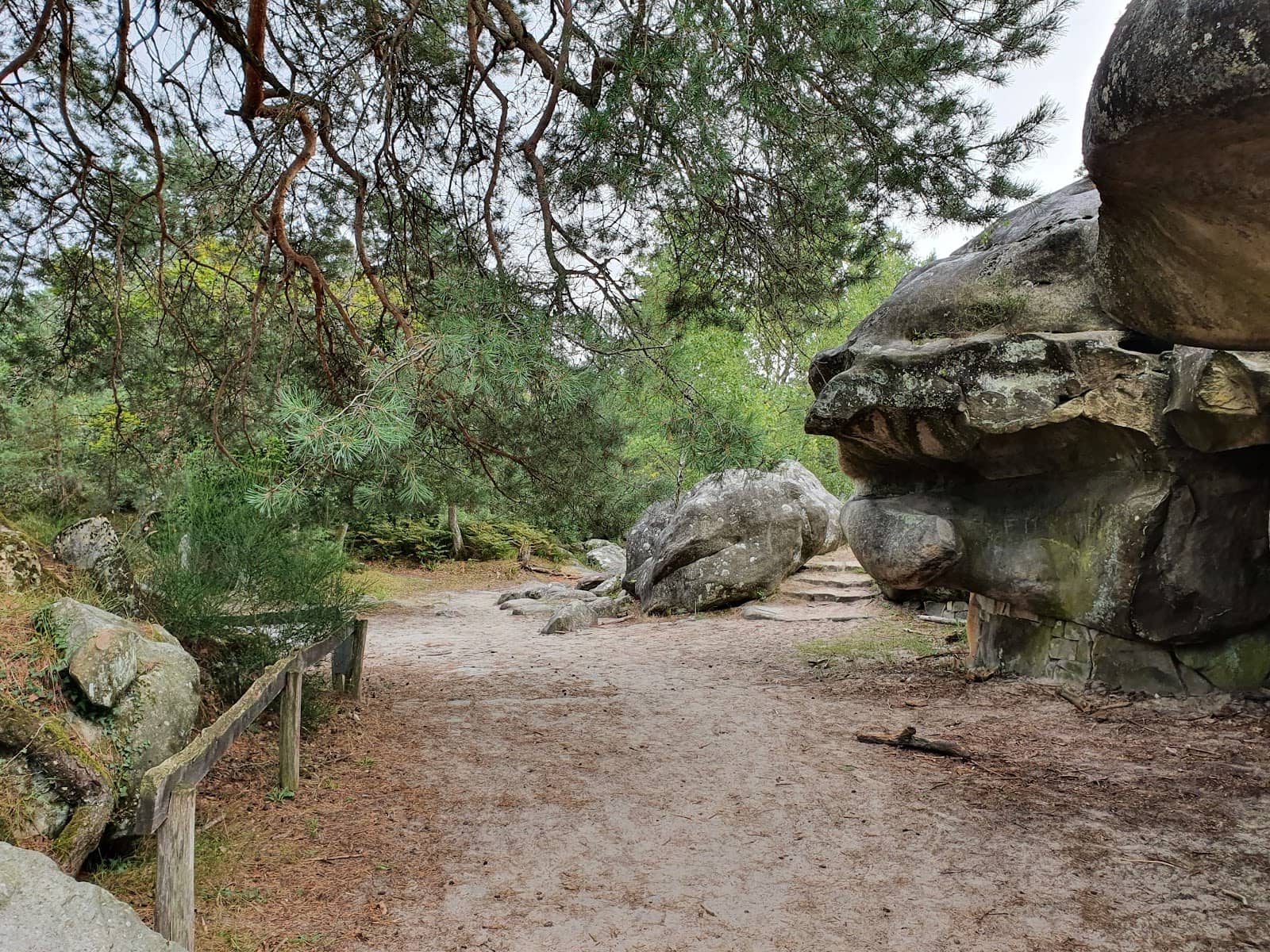
🥾 Easy Forest Trails
Well-marked trails for all levels, perfect for families and casual hikers. :hiking_boot:

Quick Facts
Rating
4.5 · 96 reviews
Type
Tourist Attraction
Highlights
Discover the most iconic attractions and experiences
Puits de Franchard
Near the main site
A historic well dating back to 1813, once crucial for supplying water to the forest house.
Forest House Ruins
Main site
The remnants of the 19th-century Maison Forestière, built on the foundations of a medieval hermitage.
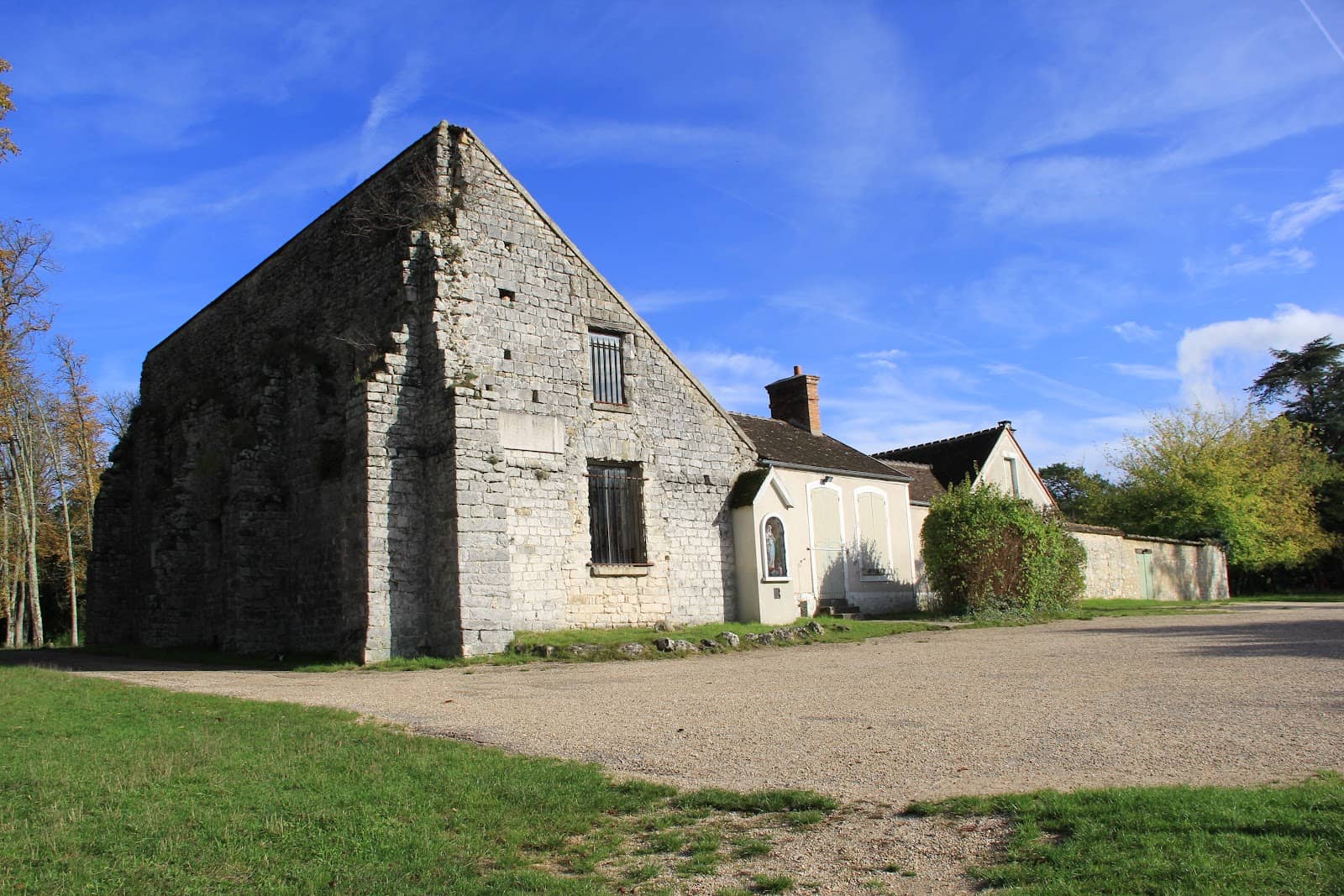
Denecourt Trails
Fontainebleau Forest
Explore the forest via marked trails, including the famous yellow and blue routes, offering history and nature.
Plans like a pro.
Thinks like you
Planning Your Visit
Forest Access & Parking
Trail Exploration
Best Times
Insider Tips
from TikTok, Instagram & Reddit
🚗 Ample Parking Available
A large, shaded parking lot makes it easy to start your forest adventure. Arrive early on weekends! 🚗
🥾 Easy Forest Trails
Well-marked trails for all levels, perfect for families and casual hikers. :hiking_boot:
🌳 Picnic Paradise
Ideal spot for a picnic amidst nature. Pack your lunch and enjoy the serene surroundings. :sandwich:
📜 Historical Insights
Learn about the site's medieval origins and its transformation over centuries. 📜
Tips
from all over the internet
🚗 Ample Parking Available
A large, shaded parking lot makes it easy to start your forest adventure. Arrive early on weekends! 🚗
🥾 Easy Forest Trails
Well-marked trails for all levels, perfect for families and casual hikers. :hiking_boot:
🌳 Picnic Paradise
Ideal spot for a picnic amidst nature. Pack your lunch and enjoy the serene surroundings. :sandwich:
📜 Historical Insights
Learn about the site's medieval origins and its transformation over centuries. 📜
What Travellers Say
Reviews Summary
Visitors praise the Ermitage de Franchard as a charming historical site and an excellent starting point for exploring the beautiful Fontainebleau Forest. The convenient parking and well-marked trails are highlighted as major advantages, making it ideal for families and hikers. While the historical remnants are modest, they offer a glimpse into the area's past.
"Stunning old building …
Medieval Origins: The Ermitage de Franchard dates back to the 12th century, when it was established as a hermitage for monks seeking solitude in the Fontainebleau Forest, then a royal hunting ground. The first chapel, dedicated to Notre-Dame de Bon Secours, was built around 1169, likely for monks or hermits practicing asceticism, a common practice in medieval Europe. The forest’s isolation made it ideal for such retreats.
• Destruction and Rebuilding: The original hermitage was largely destroyed during the Hundred Years’ War (1337–1453), a period of conflict that disrupted many religious sites. It was rebuilt in 1676 under royal patronage, reflecting the forest’s continued importance to French monarchs, particularly for hunting. The rebuilt hermitage included a chapel and basic living quarters.
• Abandonment: By 1717, the hermitage was abandoned by royal decree due to security concerns, as the forest had become a haven for bandits and vagrants. The site fell into ruin, and its stones were later repurposed.
• 19th-Century Transformation: In the early 19th century, during the reign of Louis-Philippe (1830–1848), the ruins were used as the foundation for the Maison Forestière de Franchard, a forest house for managing the area. The Puits de Franchard, a well dug in 1813, was constructed to supply water to this house, marking the site’s shift from a religious to a practical function. The rise of tourism, spurred by the railway and Claude-François Denecourt’s trail guides in the 1830s–1840s, made the Ermitage a focal point for visitors exploring the forest’s natural and historical wonders."
Bruce Salamon
"A very nice place that also offers an easy hiking trail to follow regardless of experience level. History and nature are there for us to enjoy."
Emre Hergunac
"A charming site in the heart of the forest. A convenient place to park your car before a walk or a picnic."
Nicolas HARSCOUET
What People Like
What People Dislike
Frequently Asked Questions
🚇 🗺️ Getting There
From Paris, you can drive to Ermitage de Franchard, which is about an hour away. Alternatively, take a train from Paris Gare de Lyon to Fontainebleau-Avon station, then a bus or taxi to the forest. The site is a popular starting point for forest walks.
Yes, there is a large, shaded parking lot available at the Ermitage de Franchard, making it a convenient access point for exploring the Fontainebleau Forest.
While direct public transport to the Ermitage is limited, you can take a train to Fontainebleau-Avon and then arrange a taxi or local bus service to reach the site.
Ermitage de Franchard is an excellent starting point for exploring the Fontainebleau Forest, with numerous well-marked hiking trails accessible directly from the site.
The Ermitage de Franchard is well-signposted within the Fontainebleau Forest, especially as it's a known landmark and trailhead. Follow signs for 'Ermitage de Franchard'.
🎫 🎫 Tickets & Entry
No, there is no entrance fee to visit the Ermitage de Franchard site itself or to access the surrounding Fontainebleau Forest. It's a public area.
The Ermitage de Franchard is an outdoor historical site and forest access point, so it is generally accessible at all times. However, it's best to visit during daylight hours for safety and enjoyment.
No advance booking is required as there are no tickets or fees for visiting the Ermitage de Franchard. It's a free-access historical and natural site.
As it's a natural and historical site, visitors are expected to respect the environment and historical ruins. Stick to marked trails and do not disturb the site.
The main parking area and immediate surroundings are relatively flat, but the forest trails can vary in terrain. Some areas may be challenging for those with mobility issues.
🎫 🧭 Onsite Experience
You can see the ruins of the medieval hermitage, the 19th-century forest house, and the historic Puits de Franchard (well). It's also a starting point for forest walks.
The primary activities are hiking and exploring the Fontainebleau Forest, picnicking, and enjoying the historical remnants of the hermitage and forest house.
Official guided tours specifically for the Ermitage de Franchard are not commonly advertised. However, local guides may offer tours of the wider forest area.
The yellow and blue marked trails are popular for easy walks, while other routes cater to more experienced hikers and climbers. Denecourt's trail alphabet offers many options.
Yes, the historical ruins and the surrounding forest offer beautiful photographic opportunities, especially during golden hour.
🍽️ 🍽️ Food & Dining
There are no restaurants or cafes directly at the Ermitage de Franchard site. It's recommended to bring your own food and drinks for a picnic.
Absolutely! Ermitage de Franchard is a perfect spot for a picnic, with plenty of space and a natural setting.
The nearest town with dining options is Fontainebleau, where you'll find various restaurants and cafes.
The Puits de Franchard is a historic well, but it's not guaranteed to be a potable water source for visitors. It's best to bring sufficient water with you.
Typically, there are no food stalls or vendors at this historical forest site. Visitors usually come prepared with their own provisions.
📸 📸 Photography
The ruins of the hermitage and forest house, the Puits de Franchard, and the surrounding forest landscapes offer great photo opportunities.
Yes, the Fontainebleau Forest provides stunning natural landscapes, especially with the historical elements of the Ermitage.
Early morning or late afternoon (golden hour) offers the best light for photography, creating beautiful shadows and warm tones.
Drone usage in French natural parks and historical sites can be restricted. It's advisable to check local regulations before flying a drone.
Yes, you are welcome to photograph the historical ruins, but please be respectful and do not damage any part of the site.

Social
from TikTok, Instagram & Reddit