Musée des Traditions de l'Île de Noirmoutier
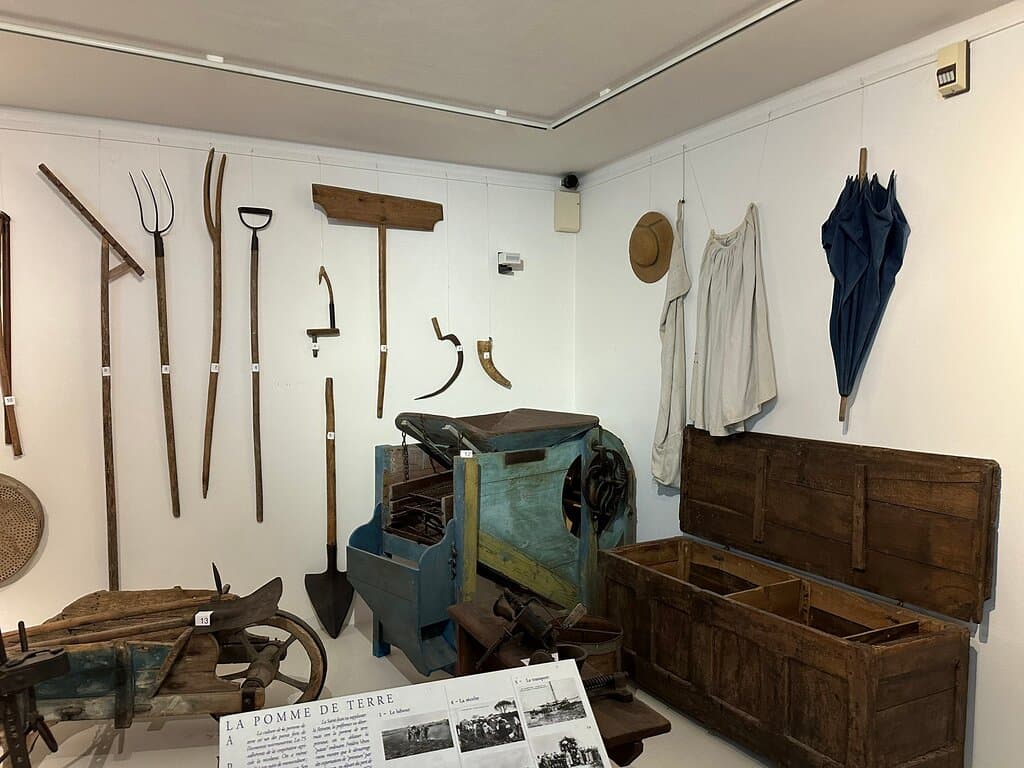
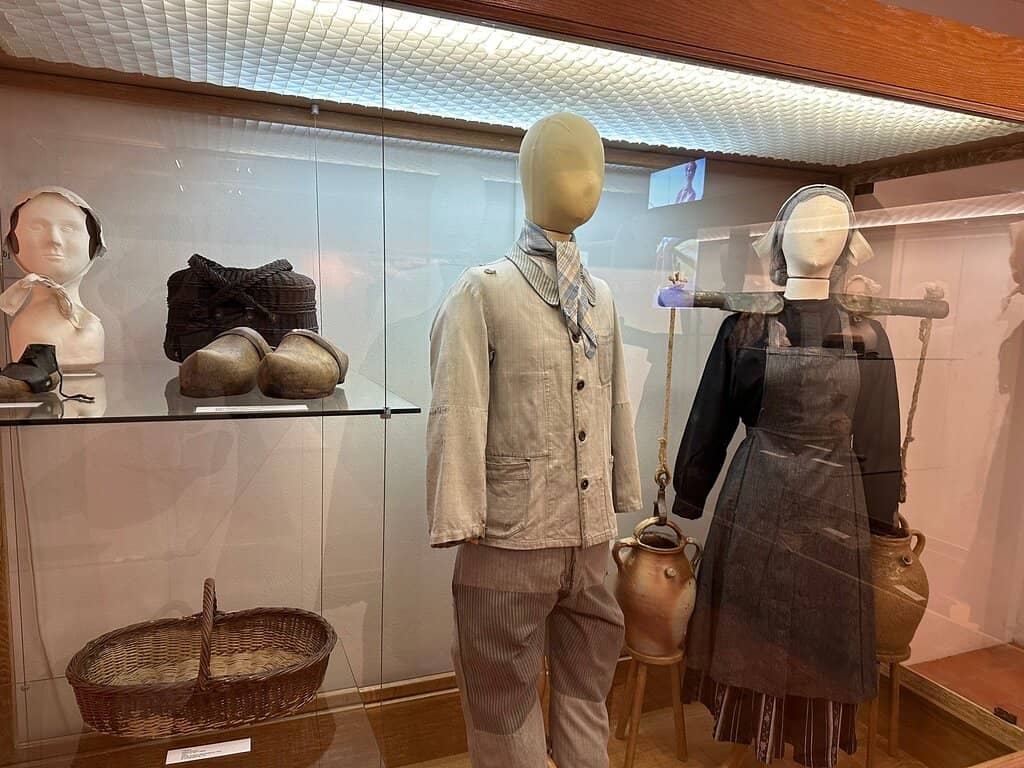
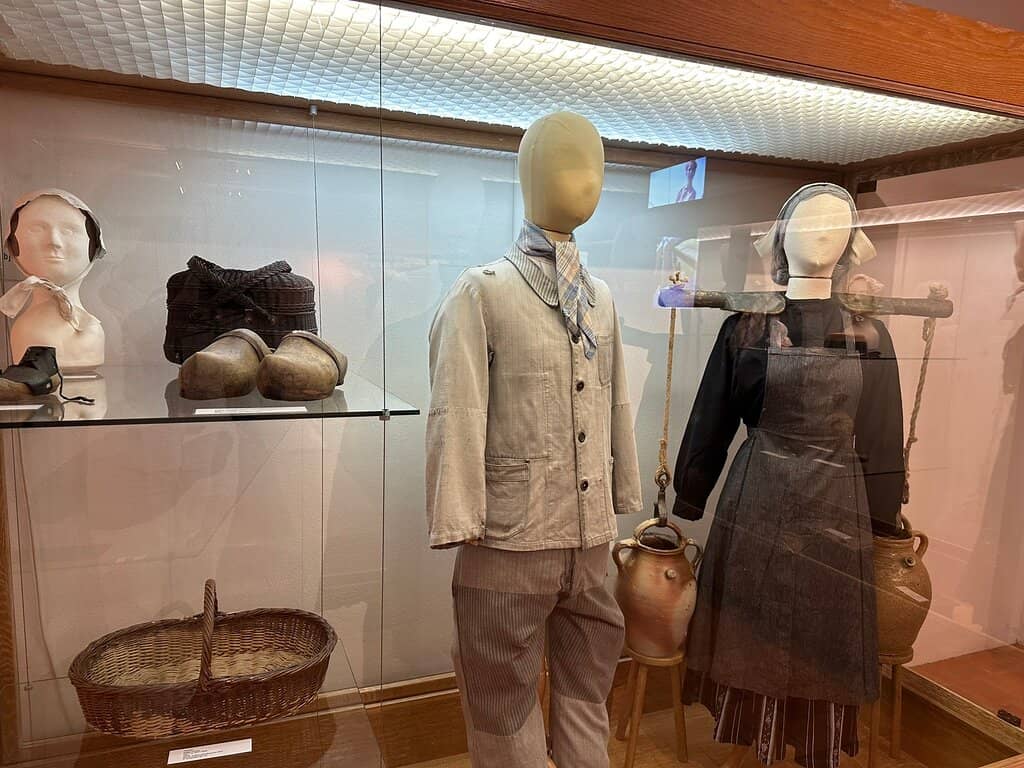
Discover Noirmoutier's rich past through exhibits on island life, fishing, salt harvesting, and traditional costumes.
Highlights
Must-see attractions

Social
From TikTok & Reddit
Best Time
Fewer crowds, more relaxed visit
Musée des Traditions de l'Île de Noirmoutier
Best Time
Fewer crowds, more relaxed visit
Highlights
Must-see attractions
Discover Noirmoutier's rich past through exhibits on island life, fishing, salt harvesting, and traditional costumes.
"A small, well-designed museum that teaches you more about Noirmoutiers' past and the island's popular traditions."
Allocate Your Time Wisely
Allow about an hour to read all the panels and soak in the exhibits. :stopwatch:
Engage with Staff
Receptionists are attentive and can share valuable info about the village. :speech_balloon:
Quick Facts
Rating
4.5 · 162 reviews
Type
Museum
Highlights
Discover the most iconic attractions and experiences
Island Traditions
Experience the authentic life of Noirmoutier's inhabitants, from fishing to salt harvesting.
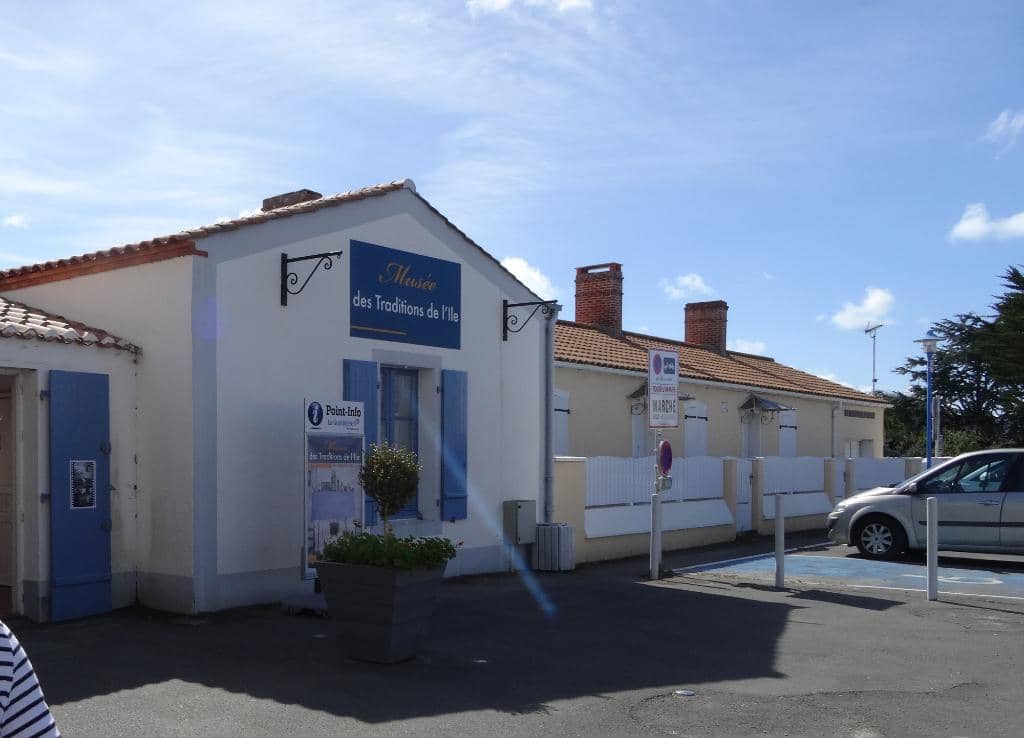
Interior Reconstructions
Step back in time with meticulously recreated rooms showcasing historical island living.
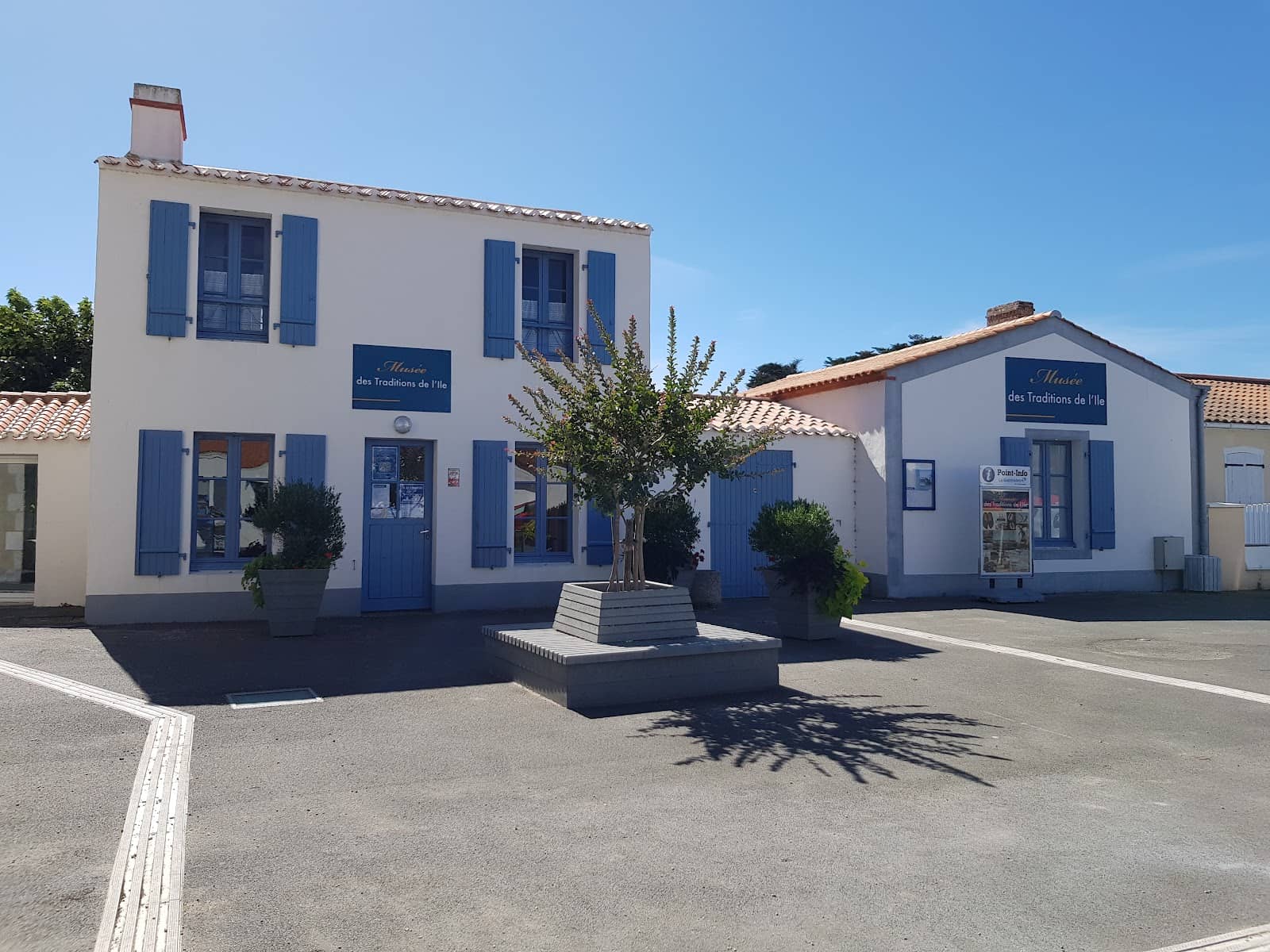
Salt Harvesting History
Learn about the crucial role of salt production in the island's economy and culture.
Plans like a pro.
Thinks like you
Planning Your Visit
Discover Island Life
Uncover Local Heritage
Best Times
Insider Tips
from TikTok, Instagram & Reddit
Allocate Your Time Wisely
Allow about an hour to read all the panels and soak in the exhibits. :stopwatch:
Engage with Staff
Receptionists are attentive and can share valuable info about the village. :speech_balloon:
Nostalgic Objects
Discover items that might remind you of your grandparents' homes. :housewithgarden:
Varied Themes
Explore diverse topics like fishing, salt, and even an Agnès Varda exhibition. 🎨
Tips
from all over the internet
Allocate Your Time Wisely
Allow about an hour to read all the panels and soak in the exhibits. :stopwatch:
Engage with Staff
Receptionists are attentive and can share valuable info about the village. :speech_balloon:
Nostalgic Objects
Discover items that might remind you of your grandparents' homes. :housewithgarden:
Varied Themes
Explore diverse topics like fishing, salt, and even an Agnès Varda exhibition. 🎨
What Travellers Say
Reviews Summary
Visitors find the Musée des Traditions to be a small, well-designed museum that effectively teaches about Noirmoutier's past and popular traditions. The exhibits, covering fishing, marshes, farming, and costumes, are praised for bringing bygone eras to life with precious objects and interior reconstructions. Many appreciate the nostalgic connection to items from their grandparents' homes and the attentive staff.
"Top"
Guillaume SANCHEZ
"We learned a lot of interesting things during this visit.
It's a small, well-designed museum that teaches you more about Noirmoutiers' past and the island's popular traditions.
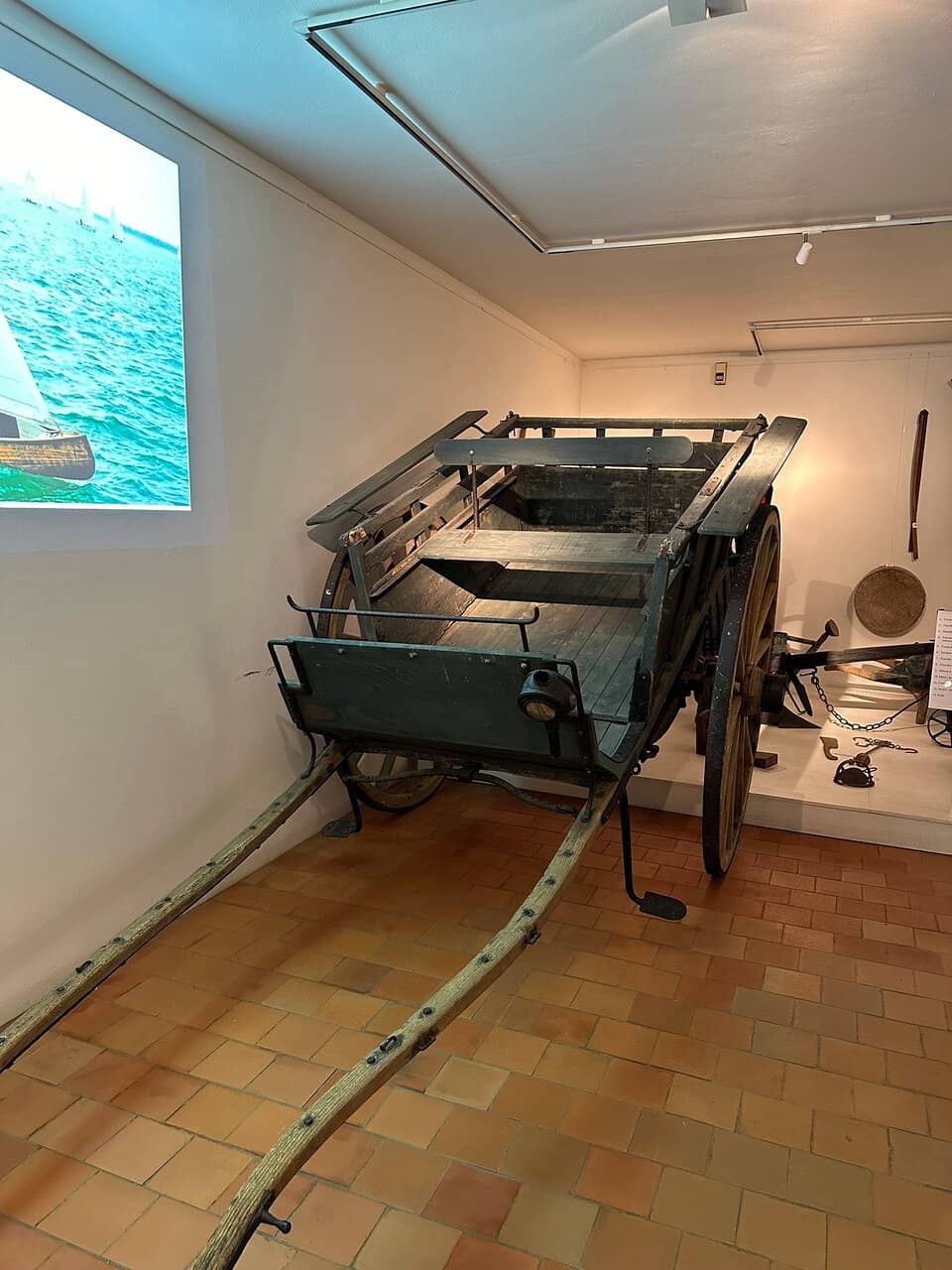
Each room addresses a different theme and brings a bygone era to life: fishing, the marshes, potato farming, traditional costumes, and more.
There are also interior reconstructions in the last rooms of the museum."
Loic Denamiel
"It’s interesting to see how the island’s people lived, the key moments in their history, and key activities like salt and the sea. There are lots of objects we saw at our grandparents’ houses that bring back memories."
DFGH
What People Like
What People Dislike
Frequently Asked Questions
🚇 🗺️ Getting There
The museum is located in La Guérinière on Noirmoutier Island. Access is typically by car, with parking available nearby. Public transport options on the island might be limited, so checking local bus schedules is recommended if you're not driving.
While public transport exists on Noirmoutier Island, it can be infrequent. It's best to check the latest bus routes and schedules for La Guérinière to ensure a smooth journey to the museum.
Parking is generally available in the vicinity of the Musée des Traditions. It's advisable to look for designated parking areas upon arrival to avoid any issues.
Noirmoutier Island is known for its cycling paths. Cycling to the museum is a pleasant option, especially during good weather, allowing you to enjoy the island scenery.
Yes, the Musée des Traditions is an excellent addition to a day trip to Noirmoutier Island. Combine it with exploring the island's beaches and charming villages.
🎫 🎫 Tickets & Entry
Opening hours can vary seasonally. It's always best to check the official museum website or contact them directly for the most up-to-date information on opening times and any special closures.
Admission fees are typically reasonable for this type of local museum. Check the museum's official channels for current pricing, as it may vary for adults and children.
For smaller museums like this, advance booking is often not required, especially outside of peak tourist seasons. However, for group visits or during special events, it's wise to inquire.
Discounts may be available for children, students, or seniors. Inquire at the ticket counter or check the museum's website for any applicable concession rates.
Information on accessibility for visitors with disabilities should be available on the museum's website. It's recommended to contact them directly to confirm specific facilities.
🎫 🧭 Onsite Experience
You'll find exhibits on island life, fishing, salt harvesting, traditional costumes, and interior reconstructions of historical homes. There might also be temporary exhibitions.
Most visitors spend around an hour at the museum to explore all the exhibits and read the explanatory panels.
The museum offers a glimpse into history that can be educational for children, especially with the visual displays and reconstructions.
Guided tours might be offered, especially during peak season or for groups. It's best to inquire at the museum upon arrival or check their schedule beforehand.
Photography policies can vary. It's usually permitted for personal use, but flash photography might be restricted to protect the artifacts. Look for signage or ask staff.
🍽️ 🍽️ Food & Dining
Typically, smaller local museums do not have on-site cafes or restaurants. It's advisable to plan for meals before or after your visit.
La Guérinière and the surrounding areas of Noirmoutier Island offer various dining options, from casual creperies to seafood restaurants. Ask locals for recommendations.
You might find pleasant spots for a picnic on the island, perhaps near the coast or in local parks, depending on the season and weather.
Noirmoutier is known for its fresh seafood, especially oysters, and its potatoes. Don't miss trying local specialties.
Generally, bringing outside food and drinks into museum exhibition areas is discouraged to preserve the exhibits. Check the museum's specific policy.
📸 📸 Photography
The interior reconstructions offer charming, nostalgic scenes. The displays of traditional objects and costumes also make for interesting shots.
Flash photography is often prohibited to protect delicate artifacts. Always look for signage or ask museum staff about their photo policy.
Professional photography or videography usually requires prior permission from the museum management. Personal, non-commercial use is typically allowed.
A standard camera or smartphone is sufficient. Given the indoor setting, a camera with good low-light performance can be beneficial.
The recreated rooms, especially those depicting kitchens or living spaces, are very atmospheric. The displays of maritime tools and traditional attire are also visually appealing.

Social
from TikTok, Instagram & Reddit