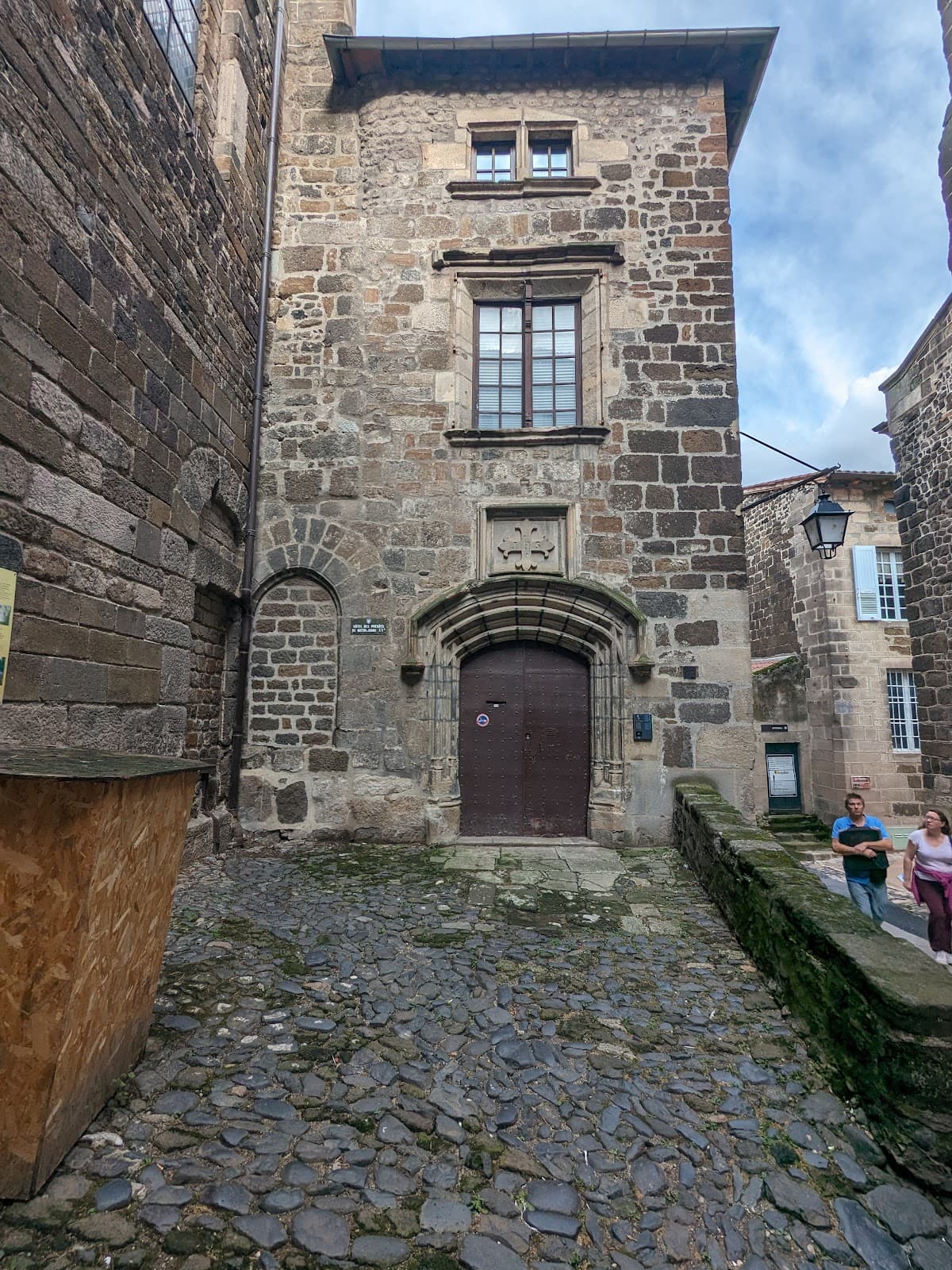
Baptistère Saint-Jean
Explore one of France's oldest Christian buildings, a 5th-century baptistery showcasing centuries of architectural evolution and historical significan...
Highlights
Must-see attractions

Social
From TikTok & Reddit
Best Time
Fewer crowds, more peaceful
Baptistère Saint-Jean
Best Time
Fewer crowds, more peaceful
Highlights
Must-see attractions
Explore one of France's oldest Christian buildings, a 5th-century baptistery showcasing centuries of architectural evolution and historical significance.
"A fascinating glimpse into early Christian architecture, offering a profound historical experience."
⏳ Beat the Crowds
Visit early on weekdays for a more serene experience. Less touristy than the cathedral!
🗣️ Hire a Guide
Enhance your visit by learning about its history and unique features from a local guide.
Quick Facts
Rating
4.5 · 6 reviews
Type
Historical Landmark
Highlights
Discover the most iconic attractions and experiences
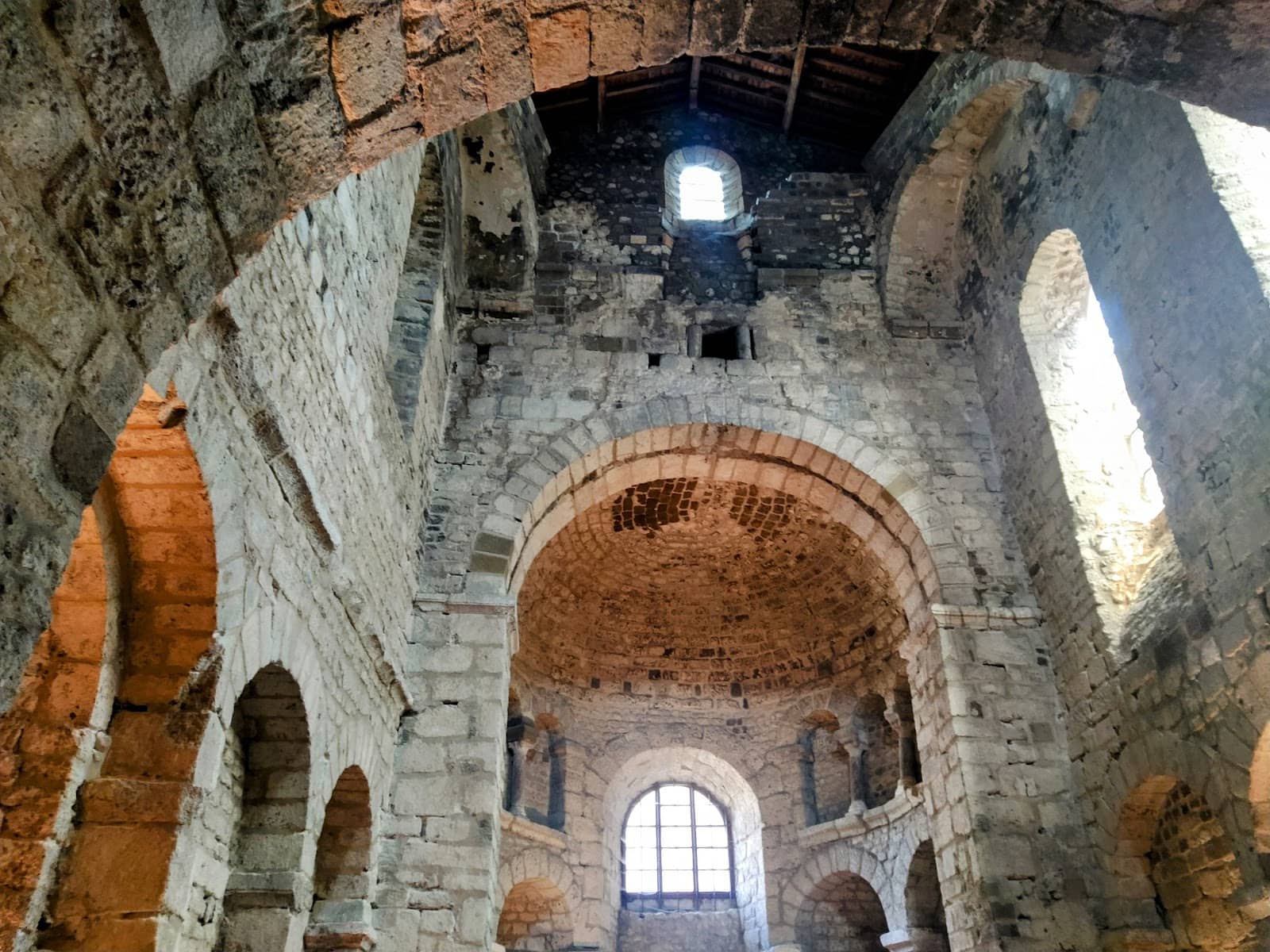
5th Century Origins
Main Hall
Step back in time in one of France's oldest Christian structures, a testament to early religious architecture.
Architectural Evolution
Interior
Witness the fascinating layers of history, from its Roman temple roots to its Christian baptistery transformation.
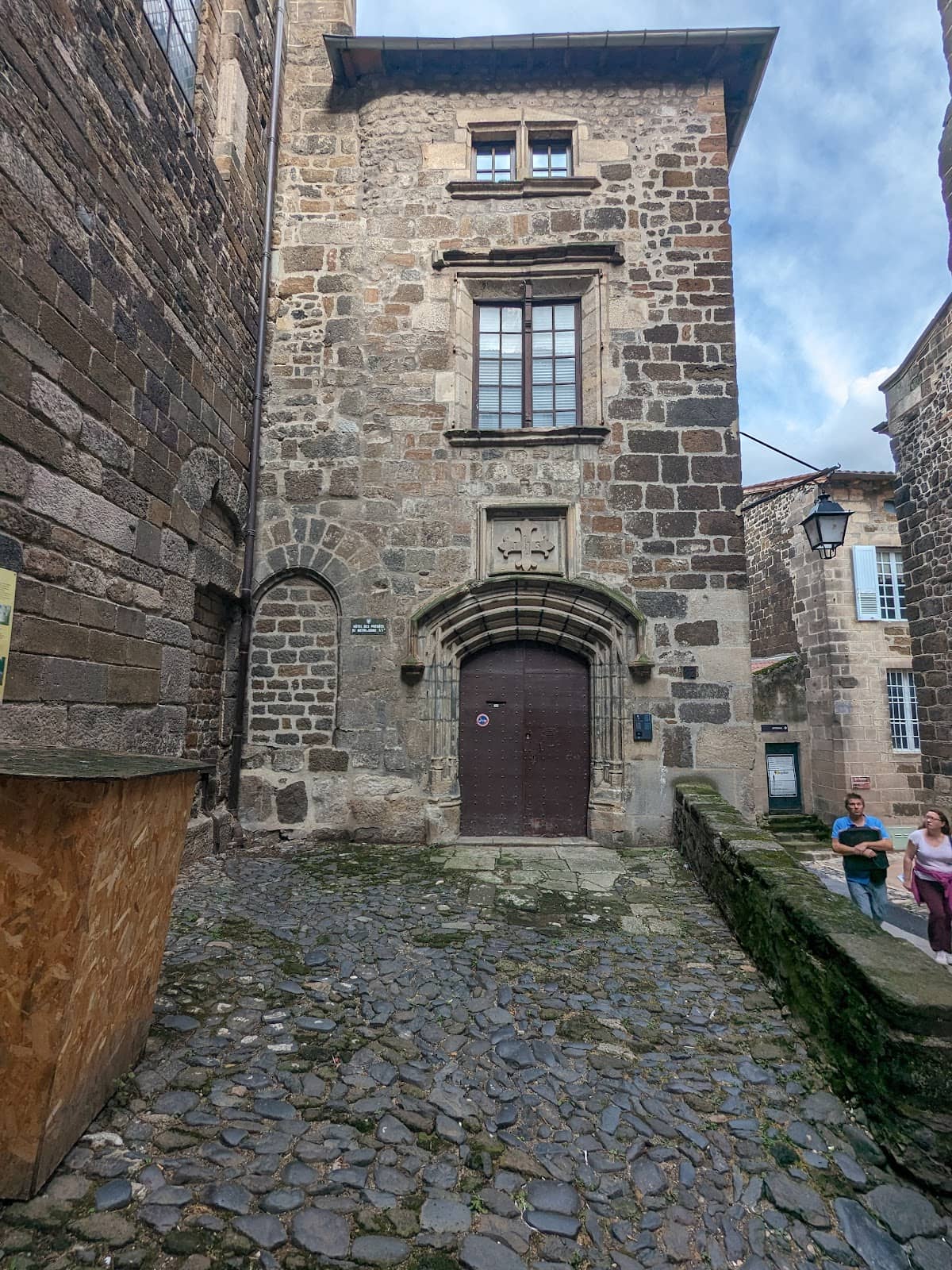
Hidden Details
Exterior Facade
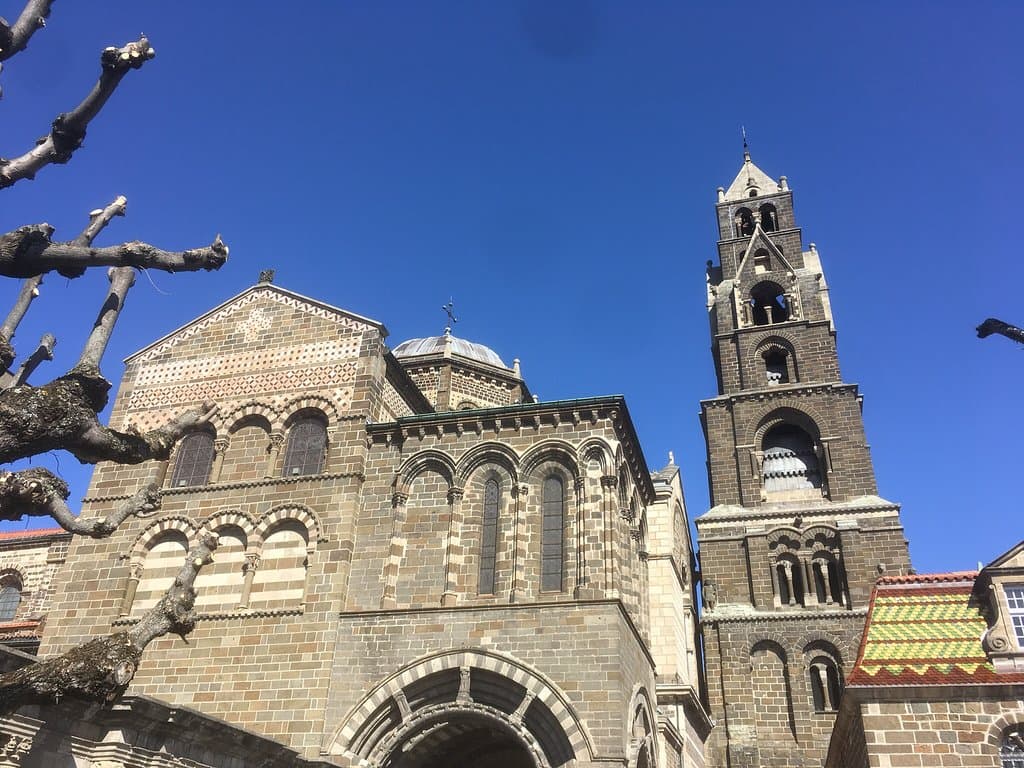
Look up towards the bell tower to spot the intriguing hippopotamus heads, a unique and often missed detail.
Plans like a pro.
Thinks like you
Planning Your Visit
Ancient Architecture & History
A Quieter Gem
Best Times
Insider Tips
from TikTok, Instagram & Reddit
⏳ Beat the Crowds
Visit early on weekdays for a more serene experience. Less touristy than the cathedral!
🗣️ Hire a Guide
Enhance your visit by learning about its history and unique features from a local guide.
🧐 Look for Details
Don't miss the hippopotamus heads on the bell tower – a quirky architectural surprise!
🏛️ Architectural Layers
Appreciate how this ancient Roman temple was transformed over centuries.
Tips
from all over the internet
⏳ Beat the Crowds
Visit early on weekdays for a more serene experience. Less touristy than the cathedral!
🗣️ Hire a Guide
Enhance your visit by learning about its history and unique features from a local guide.
🧐 Look for Details
Don't miss the hippopotamus heads on the bell tower – a quirky architectural surprise!
🏛️ Architectural Layers
Appreciate how this ancient Roman temple was transformed over centuries.
What Travellers Say
Reviews Summary
Visitors praise the Baptistère Saint-Jean for its significant historical value as one of France's oldest Christian buildings, highlighting its architectural evolution from Roman temple to baptistery. Many appreciate its less crowded atmosphere compared to nearby cathedrals, offering a more intimate historical experience. Some suggest a guide enhances the visit.
"One of the oldest baptisteries in France (the other two are in Frejus and Poitiers), dating from the 5th century. It offers a good overview of the evolutions/strata that a place of worship can undergo over the centuries. Originally, there was a "pool" in which believers were immersed to be baptized (now under the parquet floor). Facing this building, look up towards the bell tower, you will see two hippopotamus heads."
Baptiste Aubert
"Less touristy than the cathedral, but worth exploring. If a guide is there, you can have the place explained and see the lions at the entrance.
A Roman temple transformed and recycled over time, even having survived an earthquake."
christian taillard
"A beautiful baptistery dating from the 5th century. An architectural marvel!"
R12 Fréon
What People Like
What People Dislike
Frequently Asked Questions
🚇 🗺️ Getting There
The Baptistère Saint-Jean is often located in historical city centers, making it accessible by foot if you're already exploring the area. Public transport options like local buses or trams usually serve these central districts. Check local transit maps for the most convenient routes to the specific city where the baptistery is located.
Parking availability can vary greatly depending on the city. In older, historic areas, street parking might be limited or restricted. It's often best to look for nearby public parking garages or lots. Research parking options for the specific city before your visit.

🎫 🎫 Tickets & Entry
Entry requirements can differ. Some baptisteries are free to enter, while others may require a ticket, especially if part of a larger historical complex. It's advisable to check the official website or local tourist information for the specific location you plan to visit.
Opening hours are typically seasonal and can vary. Many historical sites close on certain days of the week or have reduced hours during off-peak seasons. Always confirm the current operating hours before your visit to avoid disappointment.
Yes, guided tours are often available and highly recommended for Baptistère Saint-Jean. Guides can provide in-depth historical context and point out significant architectural details you might otherwise miss. Inquire locally or book in advance if possible.
In some cities, the baptistery might be part of a ticket package that includes other nearby attractions like cathedrals or museums. This can offer a cost-effective way to explore multiple sites. Check with local tourism offices for available passes.
🎫 🏛️ Onsite Experience
Baptistère Saint-Jean sites often hold immense historical value, with some dating back to the 5th century. They represent early Christian architecture, serving as places for baptismal rites and often showcasing evolving artistic and architectural styles over centuries.
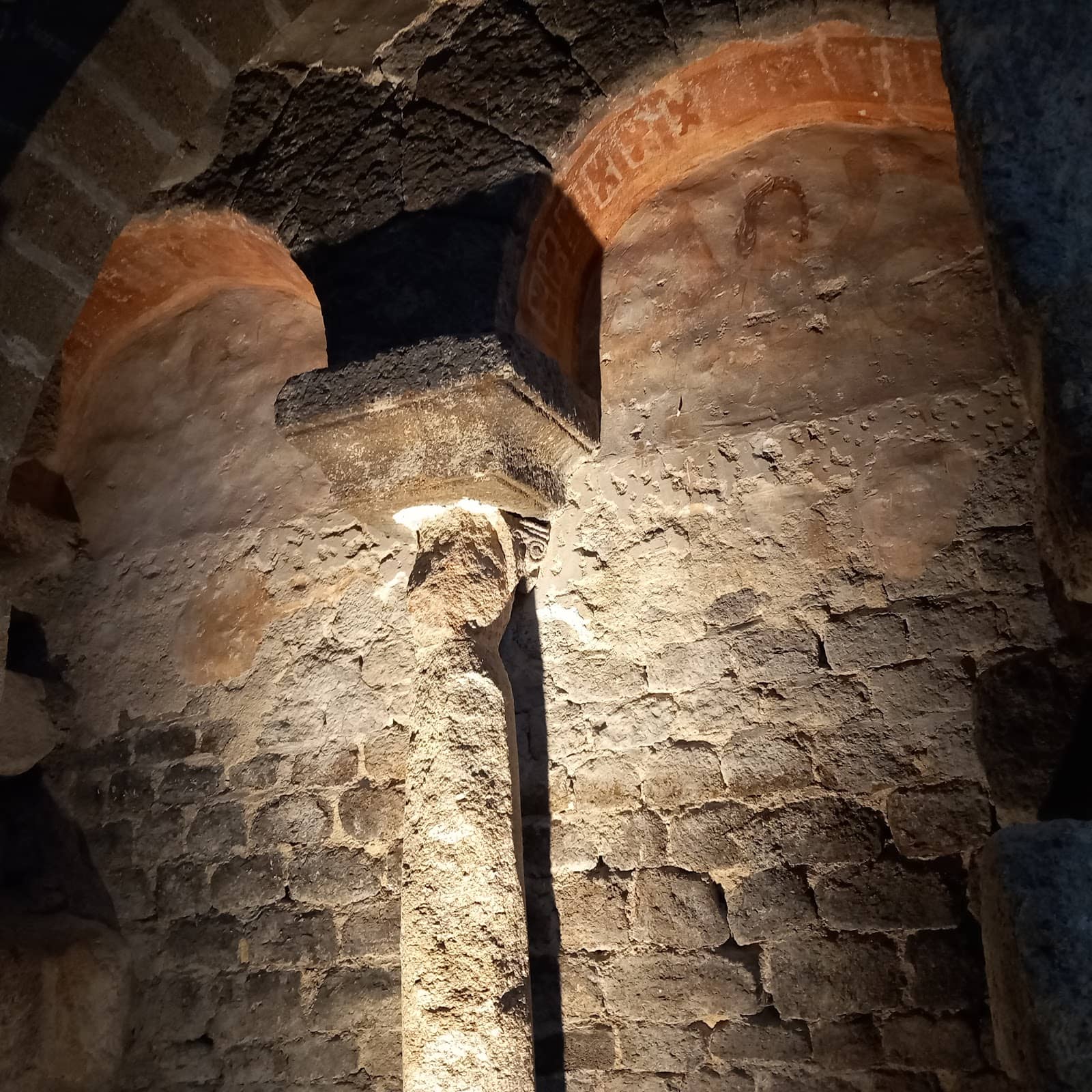
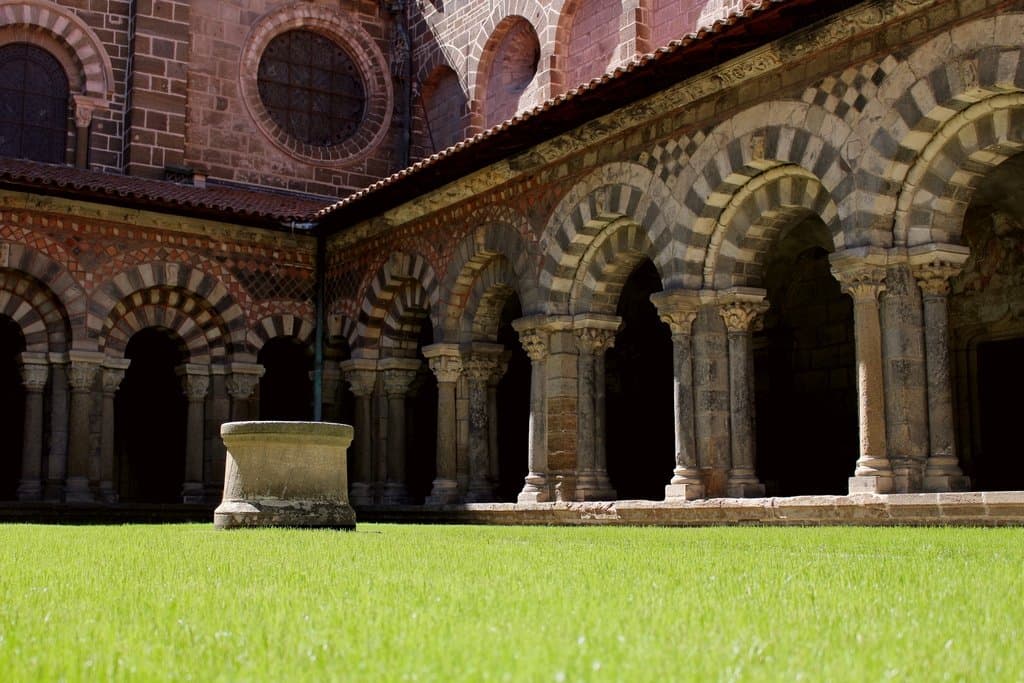
Inside, look for ancient baptismal fonts (sometimes submerged under flooring), intricate mosaics, frescoes, and architectural elements that reveal its transformation from Roman structures. The acoustics in some baptisteries are also remarkable.
Photography is usually permitted, but check for any restrictions on flash usage, as it can damage delicate artwork. The architectural beauty and historical ambiance make it a great spot for capturing memorable shots.
Unique features can include surviving Roman foundations, early Christian iconography, and sometimes unusual exterior details like the hippopotamus heads mentioned at one location. The sheer age and survival of these structures are remarkable in themselves.
A typical visit can range from 30 minutes to an hour, depending on your interest level and whether you opt for a guided tour. If you're deeply interested in history and architecture, you might spend longer exploring.
📸 📸 Photography
The best photo spots often include the exterior architecture, especially the entrance and bell tower details. Inside, focus on the baptismal font, any surviving frescoes or mosaics, and the overall grandeur of the space. Capturing the interplay of light and shadow can be very effective.
Tripod usage is often restricted inside historical buildings to protect the space and avoid obstructing other visitors. It's best to check the specific rules for the baptistery you are visiting. Handheld shots are usually fine.
Given potentially low light conditions inside, consider using a wider aperture (lower f-number) to let in more light and a higher ISO if necessary. A fast prime lens can be very useful. If allowed, a tripod would be ideal for sharper images.

Social
from TikTok, Instagram & Reddit