Écomusée du Marais Salant Loix
Discover the traditional salt harvesting of Île de Ré at this charming museum and working marsh.

Highlights
Must-see attractions

Social
From TikTok & Reddit
Best Time
See active salt harvesting
Écomusée du Marais Salant Loix
Best Time
See active salt harvesting
Highlights
Must-see attractions
Discover the traditional salt harvesting of Île de Ré at this charming museum and working marsh.
"Lovely little salt museum, a working marshland industry with a small museum."
🎯 Guided Tour Tip
Arrive before 18:00 for guided tours, as the museum closes at 19:00 and for lunch.
🗣️ Language Support
Ask for the English info sheet to enhance your understanding of the French-led tours.
Quick Facts
Rating
4.4 · 1,348 reviews
Type
Museum
Website
marais-salant.comHighlights
Discover the most iconic attractions and experiences
Salt Marsh Exploration
Outdoor salt pans
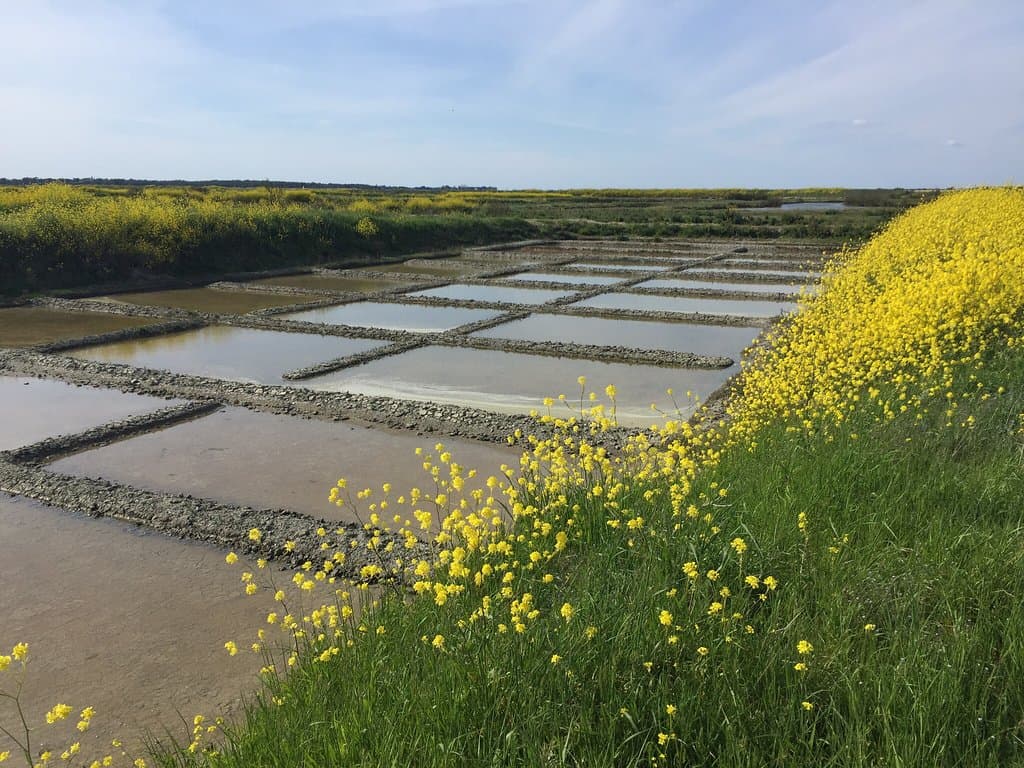
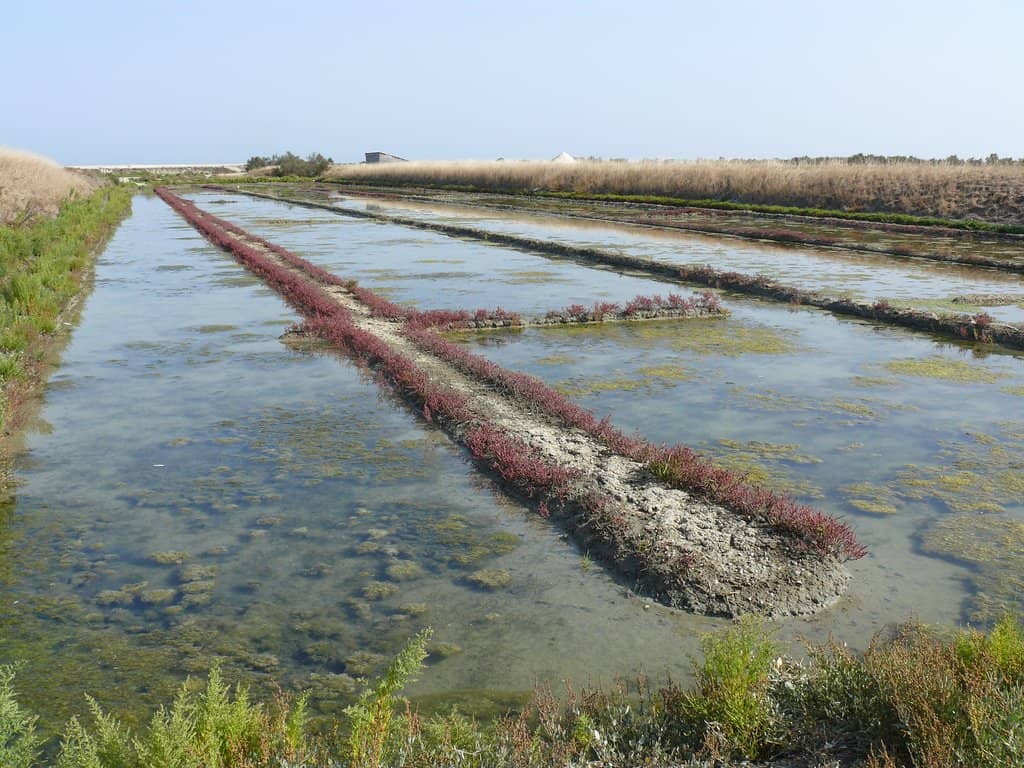
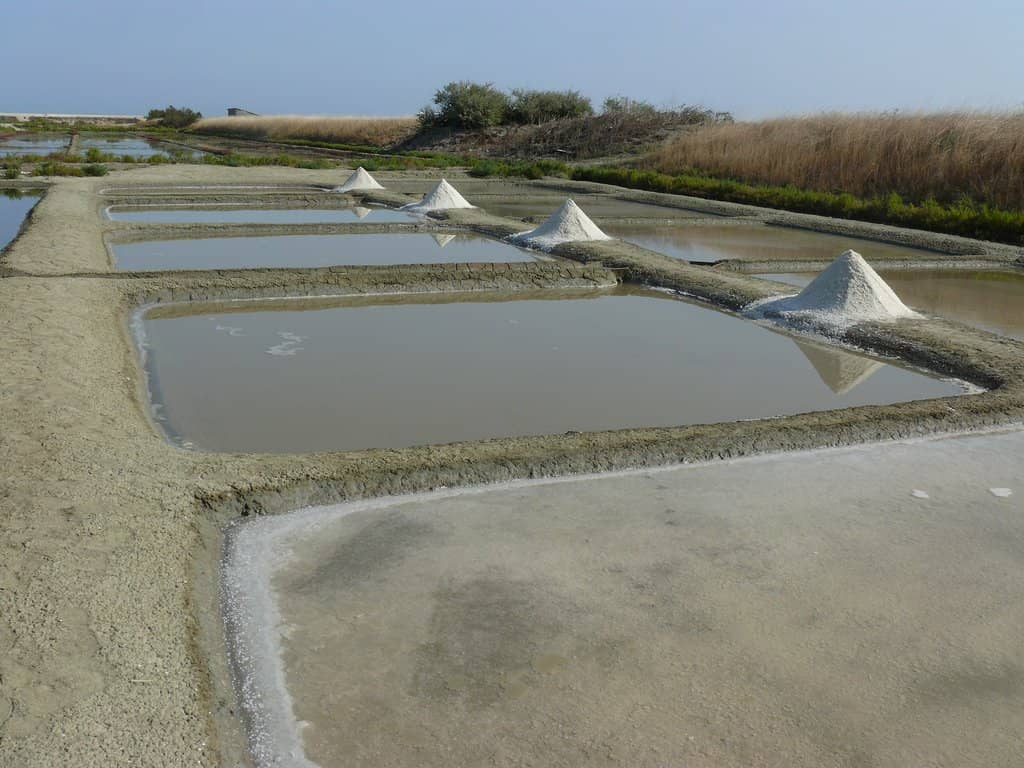
Witness the traditional salt harvesting process firsthand in the picturesque salt pans.
Local Salt Tasting
Gift shop
Discover and purchase authentic 'fleur de sel,' renowned for its quality and unique flavor.
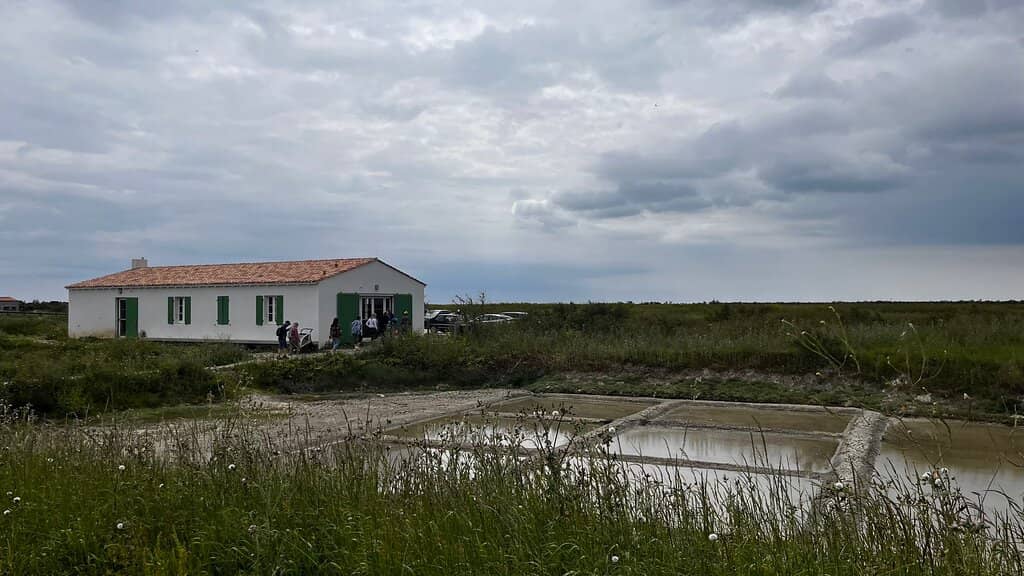
Flora and Fauna
Salt marsh
Learn about the unique plant and animal life that thrives in this distinctive coastal ecosystem.
Plans like a pro.
Thinks like you
Planning Your Visit
Timing is Key for Salt Harvesting
Language & Information
Best Times
Insider Tips
from TikTok, Instagram & Reddit
🎯 Guided Tour Tip
Arrive before 18:00 for guided tours, as the museum closes at 19:00 and for lunch.
🗣️ Language Support
Ask for the English info sheet to enhance your understanding of the French-led tours.
💰 Gift Shop Value
The gift shop offers reasonably priced local products, especially the highly-rated fleur de sel.
🚲 Scenic Bike Path
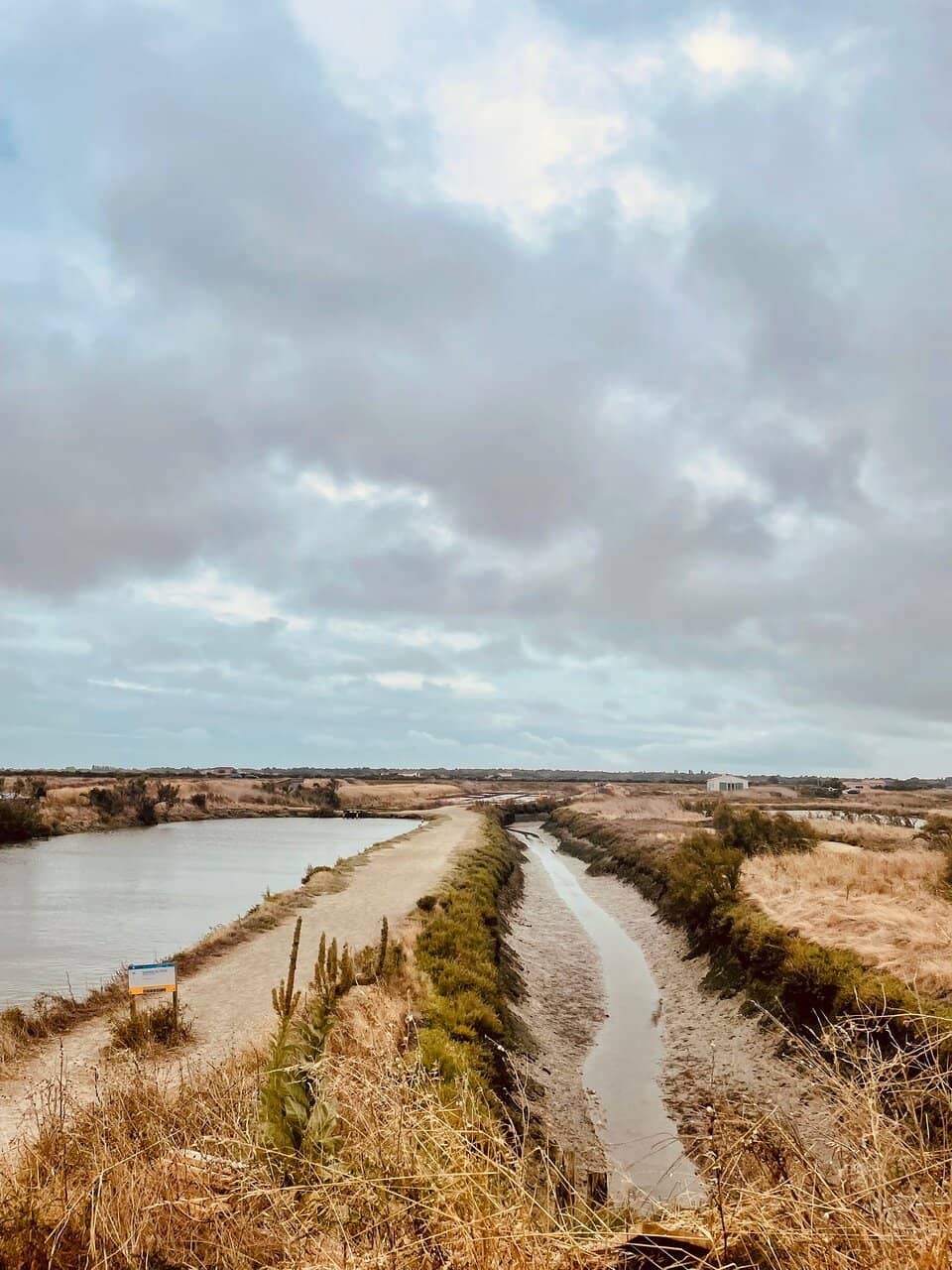
The nearby bike path offers views of the peculiar landscape and salt ponds.
Tips
from all over the internet
🎯 Guided Tour Tip
Arrive before 18:00 for guided tours, as the museum closes at 19:00 and for lunch.
🗣️ Language Support
Ask for the English info sheet to enhance your understanding of the French-led tours.
💰 Gift Shop Value
The gift shop offers reasonably priced local products, especially the highly-rated fleur de sel.
🚲 Scenic Bike Path
The nearby bike path offers views of the peculiar landscape and salt ponds.
What Travellers Say
Reviews Summary
Visitors generally find the Écomusée du Marais Salant Loix to be a nice, compact museum with very friendly staff. While some noted that the outdoor experience could be more engaging during the off-season, the insights into salt harvesting and the quality of the local fleur de sel are consistently praised. It's a recommended stop for an hour or so, especially for those interested in local traditions.
"Nice but small museum. Very good, friendly staff. The walk around the salt basins was okay but the water was low and due to time or maybe the heat there was no actual work being done. Enjoyed the visit none-the-less and would recommend, probably a lot better at the height of the salt-harvesting season."
Christopher C.
"Small exhibition on the salt collection history and process indoors and the live action outdoors. 5 eur pp. If you want a guide make sure you get there before 1800, because the place closes at 1900. Also closed for lunchtime. You can see the outdoor salt collection process also in the nearby salt ponds and the surrounding waterworks. The bike path goes through these muddy fields, featuring a peculiar landscape. It is interesting, but at the same time the museum could do more or could have done more for non french speakers. Some subtitles or translations.are easy to creat nowadays. There is a small gift shop, too. Nice for an hour or so."
Christy Duijvelaar
"Lovely little salt museum, a working marshland industry with a small museum, a guided tour of the salt pans and a nice gift shop, where everything seems very reasonably priced. It’s quite difficult to follow the guided tour (only in French) so I’d recommend the English info sheet to enhance the experience.
We picked ripe seeds of the Maceron plant which grows everywhere in the marshes and is ripe in September. It’s actually Alexander (type of wild celery) but the seeds do a good job as doubling for pepper. They are supposed to taste of truffles.
Make sure you purchase the white fleur de sel. It’s stratospherically expensive off island and reputed to be the best in the world because of the rich mix of trace elements or ‘dark nutrients’ as they are now called!"
Wendy Shillam
What People Like
What People Dislike
Frequently Asked Questions
🚇 🗺️ Getting There
The Écomusée is located in Loix on the Île de Ré. It's accessible by car, and there are also bike paths that go through the surrounding salt marshes, offering a scenic approach.
While specific parking details aren't widely mentioned, it's generally advisable to check for local parking regulations in Loix or consider cycling to the museum, which is a popular mode of transport on the island.
Information on direct public transport to the Écomusée is limited. The Île de Ré has a bus network, but it's best to check the latest schedules and routes for connections to Loix.
🎫 🎫 Tickets & Entry
The museum is typically open until 19:00, but it closes for a lunch break. It's recommended to arrive before 18:00 to ensure you can participate in tours or explore fully.
Admission is around 5 EUR per person. This price often includes access to the exhibition and potentially a guided tour, though it's wise to confirm current pricing upon arrival.
For general visits, advance booking is usually not required. However, if you are part of a larger group or wish to ensure a spot on a specific guided tour, contacting the museum beforehand might be beneficial.
While specific discount information isn't readily available, it's always a good idea to inquire at the ticket counter about potential discounts for students, seniors, or families.
🎫 🧭 Onsite Experience
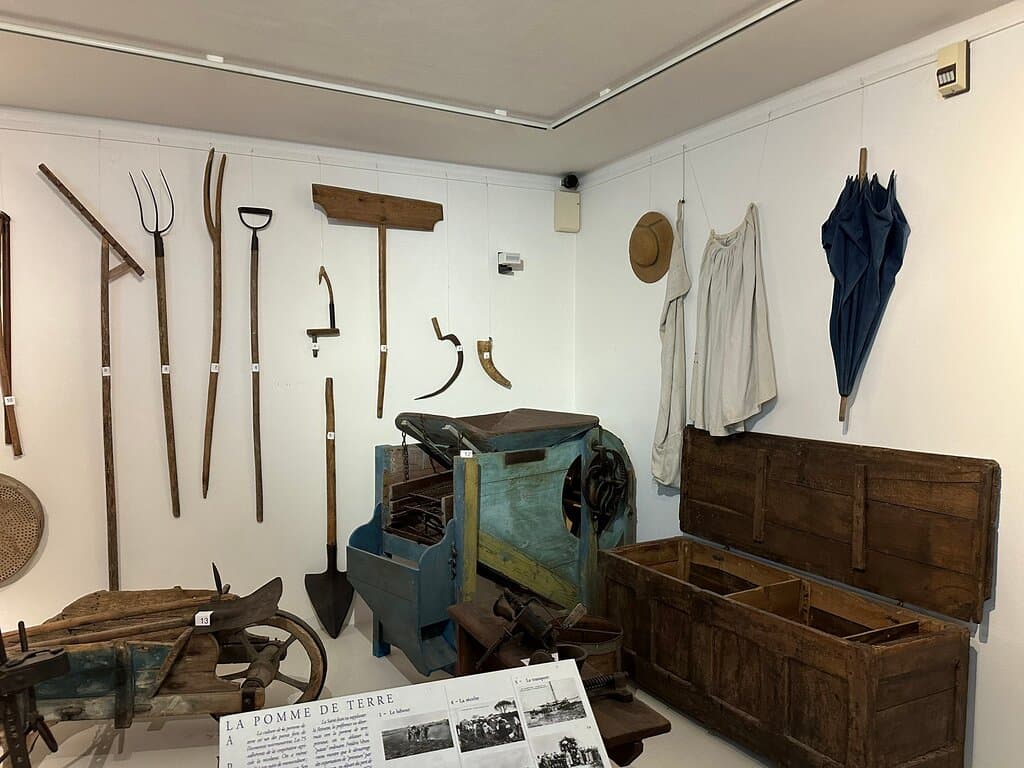
The museum features a small indoor exhibition on salt collection history and processes, alongside an outdoor experience in the live salt pans. You can also explore the surrounding salt marshes and their unique flora and fauna.
Guided tours are primarily conducted in French. However, an English information sheet is provided to help non-French speakers understand the process and history.
Yes, you can explore the outdoor salt pans and surrounding areas. The bike path also offers views of the peculiar landscape and waterworks.
The height of the salt-harvesting season, typically from late spring to early autumn, offers the best chance to see the industry in action. Visiting in September allows you to see ripe Maceron seeds.
The museum offers an educational experience about a local industry. While the indoor exhibition is compact, the outdoor exploration of the salt marshes can be engaging for children, especially if they are interested in nature.
🍽️ 🍽️ Food & Dining
The Écomusée itself does not appear to have a full restaurant. However, there is a gift shop where you can purchase local products, including their renowned fleur de sel. You'll find dining options in the nearby village of Loix.
Yes, the gift shop at the Écomusée offers local products, most notably the highly-regarded white fleur de sel, which is considered some of the best in the world.
📸 📸 Photography
The salt pans themselves offer a unique and photogenic landscape, especially during active harvesting. The peculiar terrain and the surrounding waterworks also make for interesting shots.
Photography is generally permitted inside the exhibition areas, but it's always good practice to check for any specific signage or ask staff if you're unsure.
Social
from TikTok, Instagram & Reddit