Chapelle de la Villa Algérienne L'Herbe
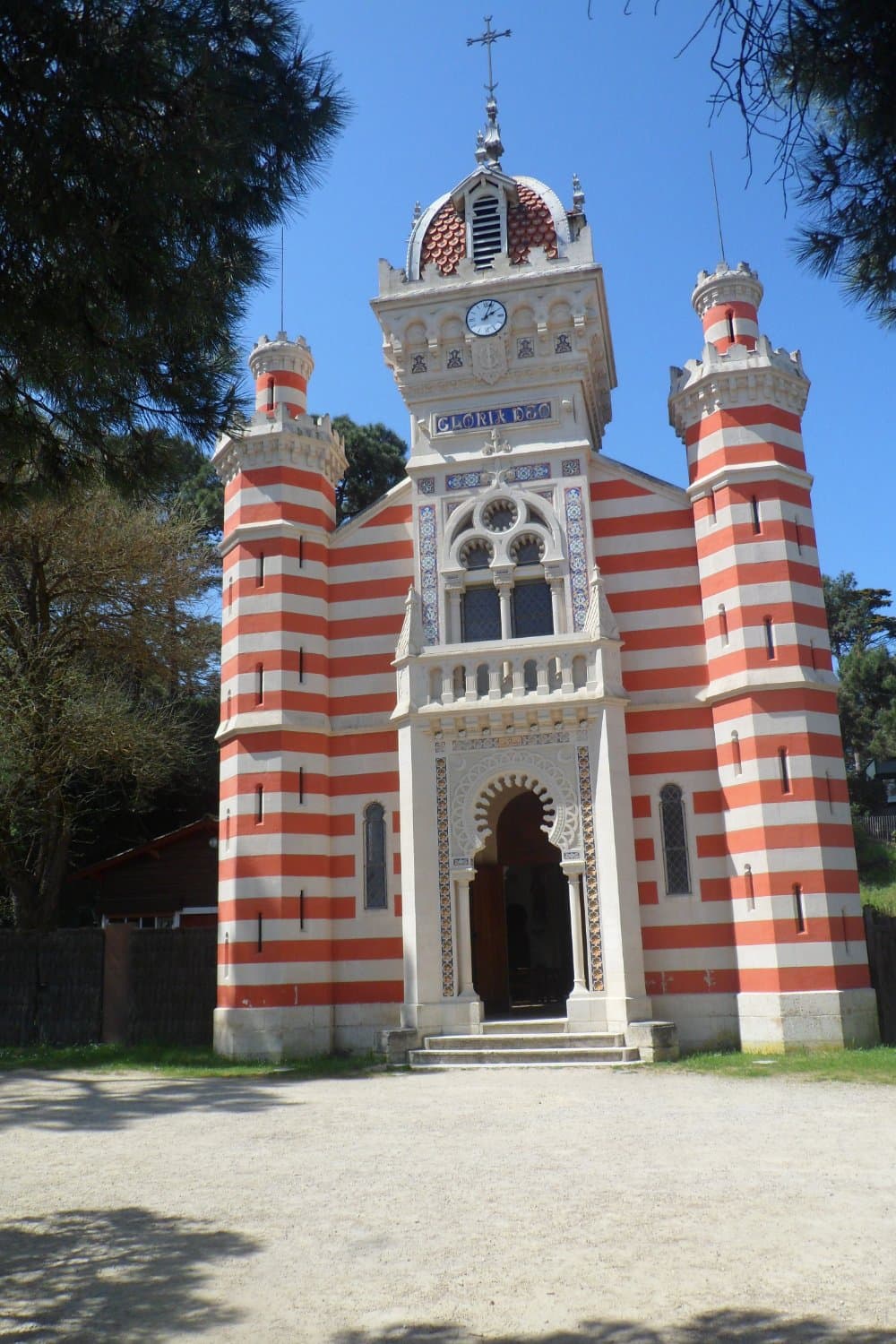
A unique 19th-century neo-Moorish chapel on Cap Ferret, blending Christian and Muslim influences with maritime charm.
Highlights
Must-see attractions

Social
From TikTok & Reddit
Best Time
Captures vibrant colors
Chapelle de la Villa Algérienne L'Herbe
Best Time
Captures vibrant colors
Highlights
Must-see attractions
A unique 19th-century neo-Moorish chapel on Cap Ferret, blending Christian and Muslim influences with maritime charm.
"An unexpected Catholic church with Moorish influence - looks like a lighthouse x mosque x church."
📸 Perfect Photo Spot
Capture the unique architecture and coastal setting. Golden hour is ideal for stunning shots.
🕊️ Peaceful Atmosphere
Experience the serene ambiance and the blend of cultures. A truly enchanting place.
Quick Facts
Hours
Rating
4.5 · 2,090 reviews
Type
Church
Highlights
Discover the most iconic attractions and experiences
Neo-Moorish Architecture
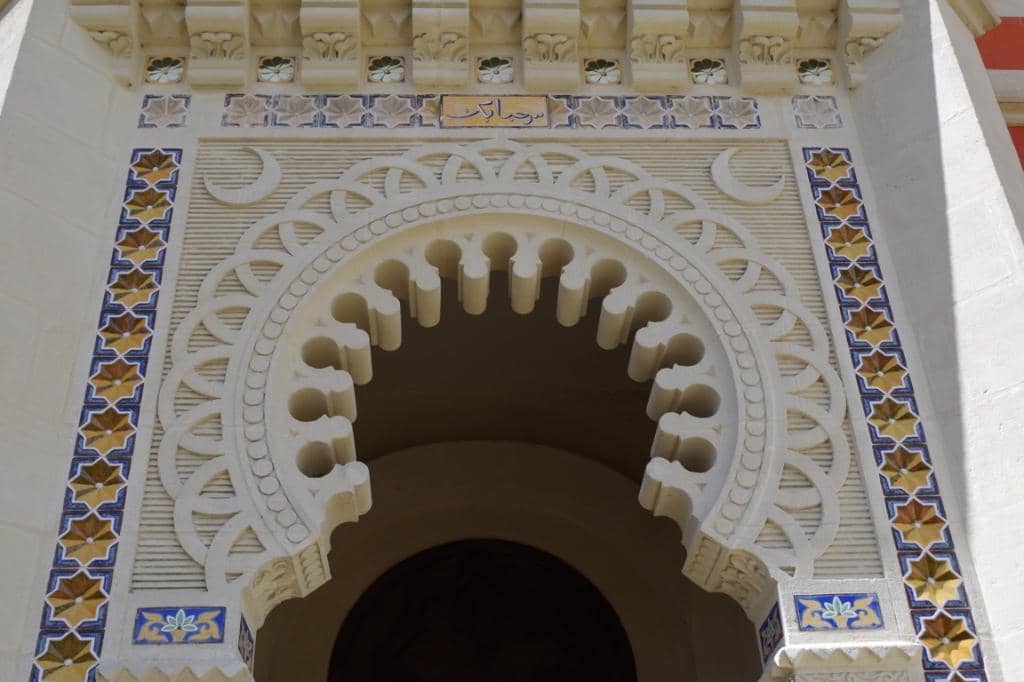
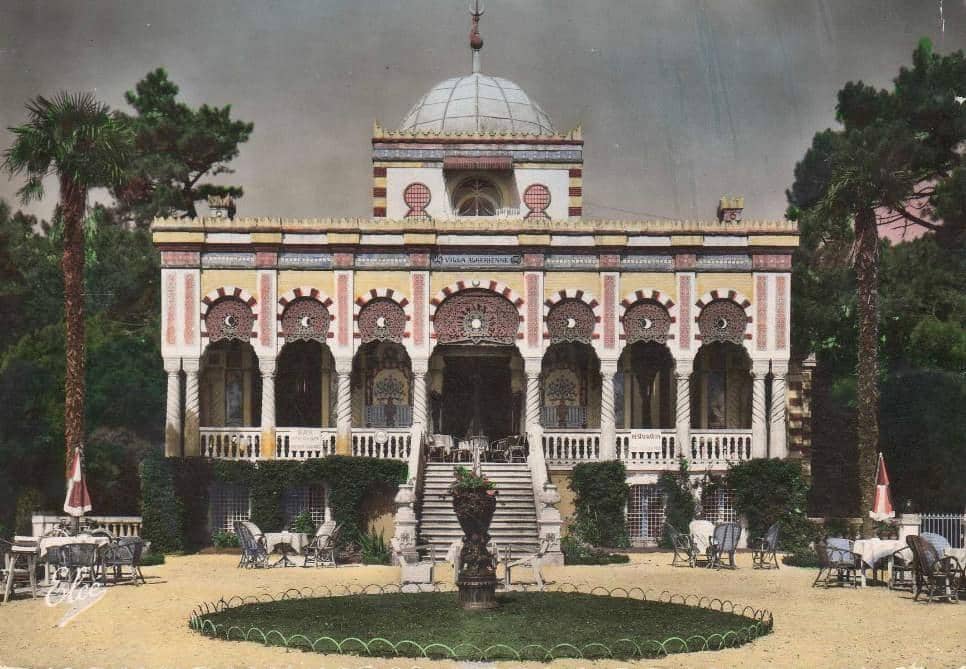
Admire the unique blend of Christian and Muslim influences, featuring horseshoe arches and intricate tilework.
Bell Tower
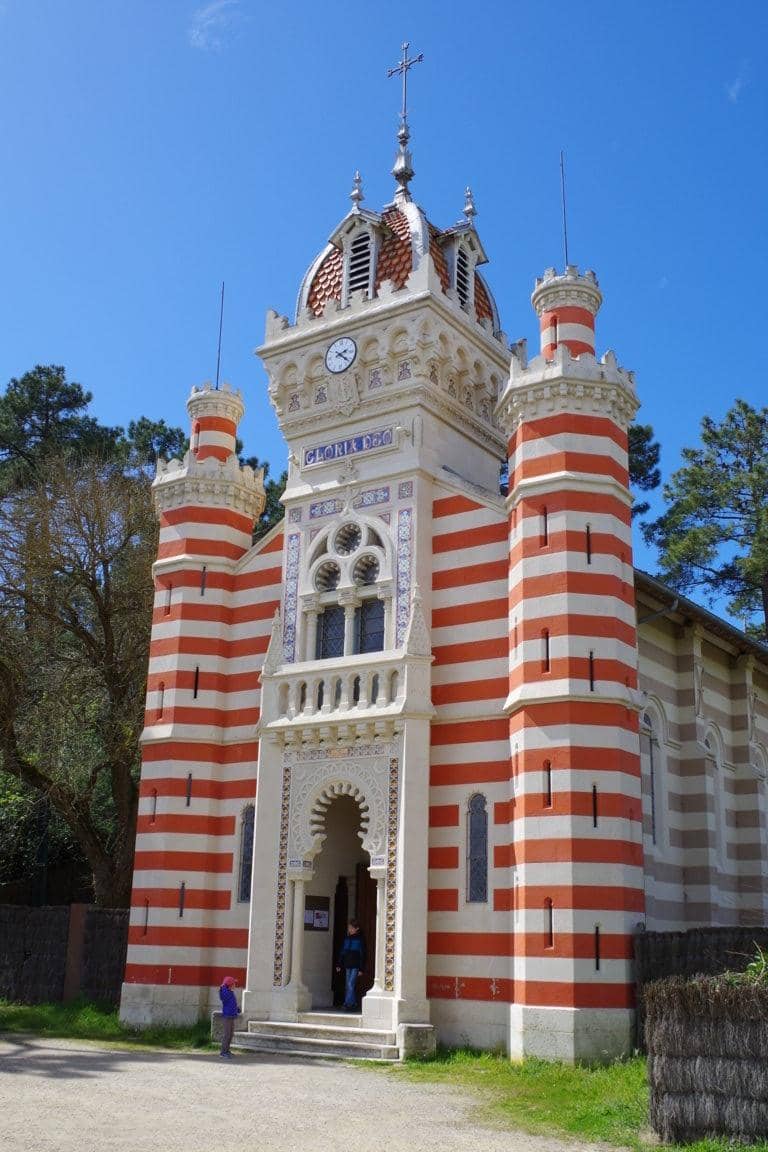
Notice the symbolic parallels between the cross and crescent moon on the bell tower.
Interior Decor
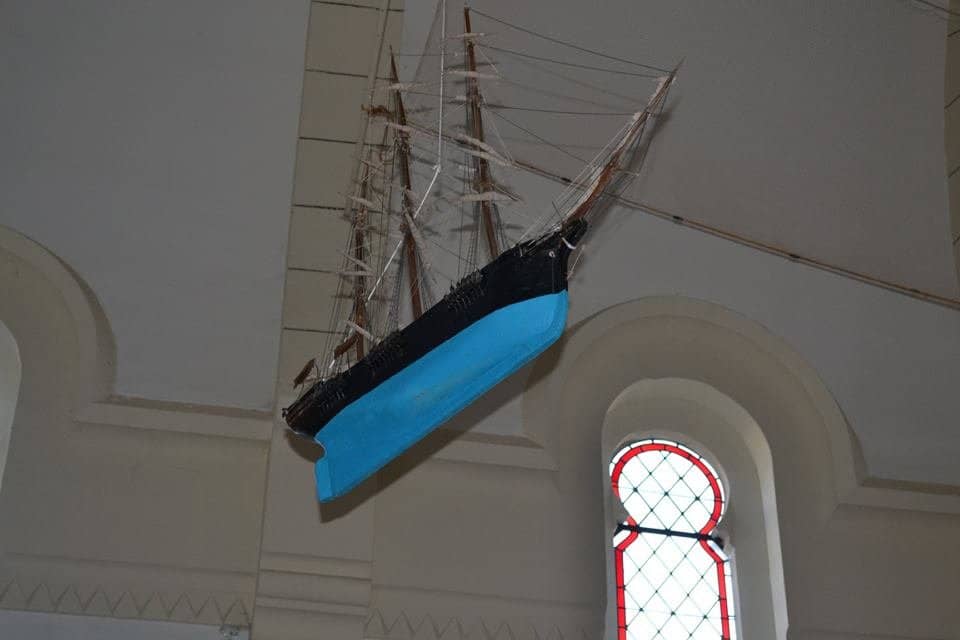
Explore the charming interior with its fisherman's net, miniature boat, and Arabic-style chandelier.
Plans like a pro.
Thinks like you
Planning Your Visit
A Glimpse of Moorish Charm
Best Time for Photos
Best Times
Insider Tips
from TikTok, Instagram & Reddit
📸 Perfect Photo Spot
Capture the unique architecture and coastal setting. Golden hour is ideal for stunning shots.

🕊️ Peaceful Atmosphere
Experience the serene ambiance and the blend of cultures. A truly enchanting place.
🚶♀️ Explore L'Herbe Village
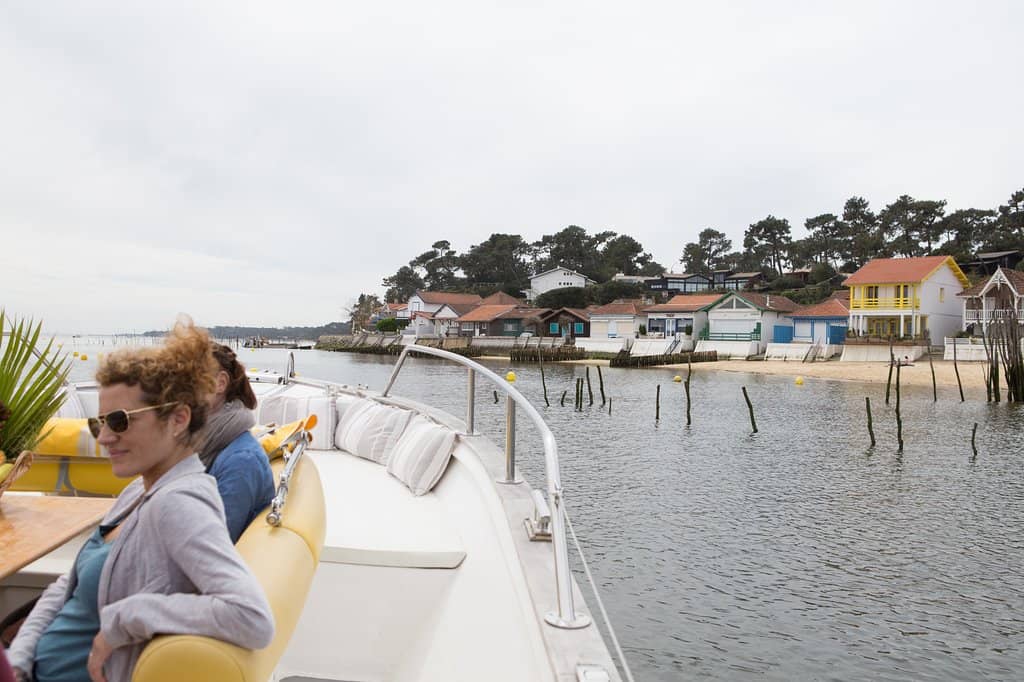
Combine your chapel visit with a stroll through the charming village of L'Herbe.
Tips
from all over the internet
📸 Perfect Photo Spot
Capture the unique architecture and coastal setting. Golden hour is ideal for stunning shots.
🕊️ Peaceful Atmosphere
Experience the serene ambiance and the blend of cultures. A truly enchanting place.
🚶♀️ Explore L'Herbe Village
Combine your chapel visit with a stroll through the charming village of L'Herbe.
What Travellers Say
Reviews Summary
Visitors are consistently charmed by the Chapelle de la Villa Algérienne's unique neo-Moorish architecture and its peaceful setting in L'Herbe village. The blend of Christian and Muslim influences, particularly evident in the bell tower and interior decor, is frequently highlighted as a fascinating aspect. While some may find it a brief visit, its distinctiveness makes it a memorable stop.
"Gorgeous chapel which was built in 1863 by Léon Lesca and his brother that purchased a vast estate on the edge of the Bassin, between the place known as 'le Boque' in Cap Ferret and Claouey.
Back from Algeria, the public works contractor had a fabulous complex built, the highlight of which was the "Algerian Villa"—surrounded by a park with a wide variety of exotic species.
Over the years, Léon Lesca developed and transformed his estate. He created fish tanks, managed the forest and oyster beds, planted a vineyard, and built a dozen houses for his staff, a school, a jetty, a presbytery, and a chapel.
Only the back wall of the "cave," a rock bridge, two vat rooms, and the Sainte-Marie du Cap chapel remain today.
The architect J.E. Ormières designed this neo-Moorish style building for Catholic worship in 1885. On the bell tower, the parallels between the cross and the crescent moon, and the Latin and Arabic inscriptions reflect the cultural influences of the patron.
The polychromy, the presence of ceramic tiles with geometric and floral motifs, and the use of the horseshoe arch, here polylobed, are all elements that reflect the influence of Moorish architecture.
The chapel was blessed on September 8, 1885, by Father Lacouture. For a long time, it remained the only place of worship on the peninsula; people came there on foot through the forest or by pinnace from Arcachon. The first and only chaplain was Father Noailles.
Today, owned by the town of Lège-Cap Ferret and listed as a historic monument since 2008, it is still used for Catholic worship."
Enjoy life
"A highlight for a foto. The archithecture is quiete unique and the location.
Inside it is also nice decorated with shipmodel and fishernet."
R. Ant
"Unexpected catholic church with maure influence - looks like a light house x mosque x church"
Christiane Bunnyhill
What People Like
What People Dislike
Frequently Asked Questions
🚇 🗺️ Getting There
The chapel is located in the village of L'Herbe on the Cap Ferret peninsula. You can reach it by car, bicycle, or even by boat, as it's situated along the Bassin d'Arcachon. Parking is available nearby.
While direct public transport to the chapel itself might be limited, local buses serve the Cap Ferret area, and you can then walk or cycle to L'Herbe.
🎫 🎫 Tickets & Entry
No, entry to the Chapelle de la Villa Algérienne is generally free. It's a historic monument open for visitors to admire its architecture and interior.
The chapel is typically open during daylight hours, but it's advisable to check for any specific event schedules or temporary closures.
There is no entrance fee to visit the Chapelle de la Villa Algérienne. It's a freely accessible historical site.
📸 📸 Photography
Yes, photography is generally permitted inside the chapel, allowing you to capture its unique interior details like the fisherman's net and miniature boat.
The best time for photography is during the golden hours – early morning or late afternoon – when the light is soft and enhances the chapel's vibrant colors.
The exterior with its distinct bell tower and the interior showcasing the blend of cultures are both excellent photo opportunities.
🎫 🏛️ History & Architecture
The chapel is a beautiful example of neo-Moorish architecture, incorporating elements from both Christian and Islamic traditions, such as horseshoe arches and intricate tilework.
It was built in 1863 by Léon Lesca, who had a vast estate in the area and wanted to create a unique complex reflecting his influences.
The design reflects a peaceful coexistence of religions, with symbols like the cross and crescent moon on the bell tower and inscriptions in both Latin and Arabic.



Social
from TikTok, Instagram & Reddit