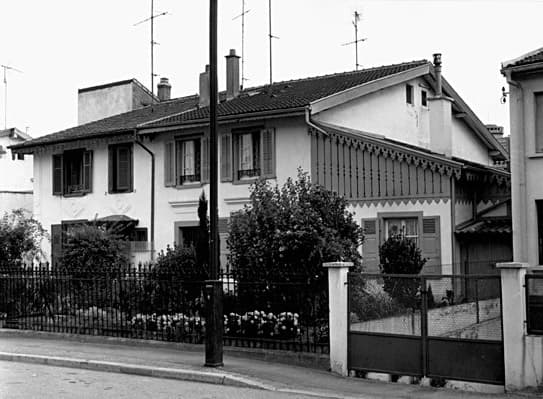
Cité Ouvrière
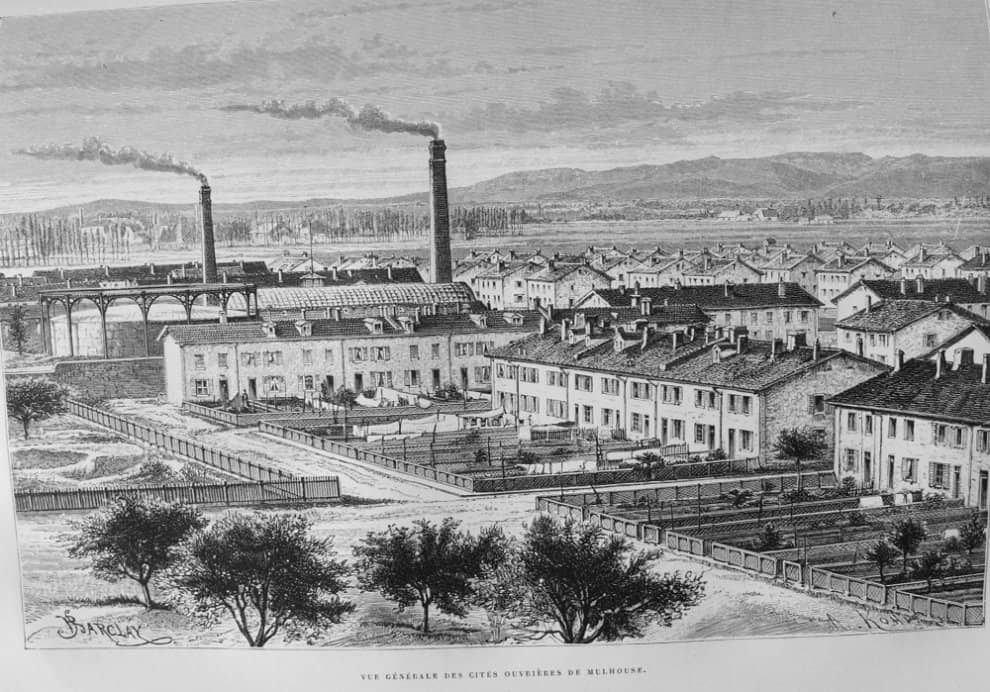
Explore the Cité Ouvrière, a historic 19th-century workers' housing estate in Mulhouse, a UNESCO World Heritage site.

Highlights
Must-see attractions

Social
From TikTok & Reddit
Best Time
Pleasant weather for walking
Cité Ouvrière
Best Time
Pleasant weather for walking
Highlights
Must-see attractions
Explore the Cité Ouvrière, a historic 19th-century workers' housing estate in Mulhouse, a UNESCO World Heritage site.
"A fascinating glimpse into the past, showcasing innovative urban planning for workers."
🚶♀️ Wander and Explore
Take your time to stroll through the streets and admire the unique architecture of the Cité Ouvrière.
📸 Capture the Charm
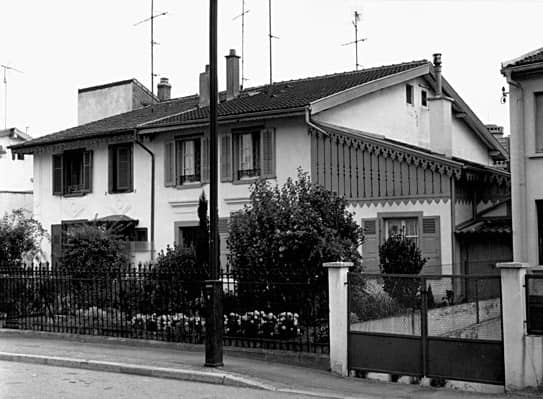
Bring your camera to photograph the distinctive terraced and square houses.
Quick Facts
Rating
4.3 · 13 reviews
Type
Park
Website
mulhouse.frHighlights
Discover the most iconic attractions and experiences
Terraced Houses
Throughout the Cité Ouvrière
Charming rows of houses with small gardens, showcasing early urban planning for workers.
Square Houses
Throughout the Cité Ouvrière
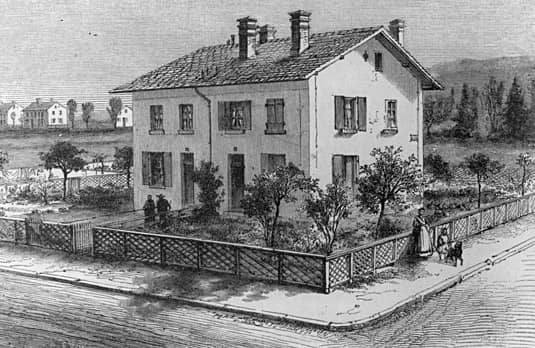
Unique square-shaped dwellings, each divided into four separate living units.
Community Amenities
Central areas of the Cité Ouvrière
Discover remnants of the past: old schools, bakeries, and wash houses that served the community.
Plans like a pro.
Thinks like you
Planning Your Visit
Discover Mulhouse's Unique Worker's Quarter
Plan Your Visit to Cité Ouvrière
Best Times
Insider Tips
from TikTok, Instagram & Reddit
🚶♀️ Wander and Explore
Take your time to stroll through the streets and admire the unique architecture of the Cité Ouvrière.
📸 Capture the Charm
Bring your camera to photograph the distinctive terraced and square houses.
📚 Learn the History
Research the history of Jean Dollfus and the Cité Ouvrière before your visit for a richer experience.
Tips
from all over the internet
🚶♀️ Wander and Explore
Take your time to stroll through the streets and admire the unique architecture of the Cité Ouvrière.
📸 Capture the Charm
Bring your camera to photograph the distinctive terraced and square houses.
📚 Learn the History
Research the history of Jean Dollfus and the Cité Ouvrière before your visit for a richer experience.
What Travellers Say
Reviews Summary
Visitors often describe the Cité Ouvrière as a 'place of good life' and a 'neighborhood of childhood,' highlighting its charming and peaceful atmosphere. It's appreciated for its historical significance as an early example of workers' housing and its unique architectural style. Some may find it quiet, but its historical value and well-preserved streets are consistently praised.
"Cool"
étoile groupe
"To solve the problem of workers' housing, Jean Dollfus, a Mulhouse industrialist, created the Mulhouse Workers' Housing Company in 1853; a first housing estate was built by the engineer Emile Muller in 1854, comprising two main types of houses: terraced houses and square houses divided into four dwellings, with a small garden. Baths and wash houses, a school, a bakery and butcher's shop, and a restaurant were added to the estate; the estate gradually expanded with the new estate begun in 1856; in 1897 the estate comprised 1,243 houses, all of which had been sold to their residents."
Joao Antonio Minhoto Mendes
"It's a good app"
Thierry Pfister
What People Like
What People Dislike
Frequently Asked Questions
🚇 🗺️ Getting There
The Cité Ouvrière is easily accessible by public transport in Mulhouse. You can take a tram or bus to get close to the neighborhood. Parking might be limited, so public transport is recommended.
Yes, the Cité Ouvrière is best explored on foot. The streets are designed for pedestrian exploration, allowing you to appreciate the architecture up close.
🎫 🎫 Tickets & Entry
No, the Cité Ouvrière is a residential neighborhood and is open to the public. You can wander through its streets freely without needing any tickets.
As it's a living neighborhood, there are no official opening hours. You can visit at any time, but it's respectful to avoid very early mornings or late nights.
📸 📸 Photography
Focus on the unique architectural details of the terraced houses and square houses. The small gardens and streetscapes offer charming photo opportunities.
Generally, there are no specific restrictions for casual photography. However, always be mindful of residents' privacy and avoid intrusive photography.
🎫 🏛️ History & Architecture
The Cité Ouvrière is a pioneering example of social housing built in the 19th century to provide better living conditions for factory workers. It's recognized for its innovative urban planning.
The Cité Ouvrière was initiated by industrialist Jean Dollfus and the Mulhouse Workers' Housing Company, with the first estate designed by engineer Emile Muller.
You'll find two main types of houses: terraced houses with small gardens and square houses divided into four dwellings.







Social
from TikTok, Instagram & Reddit