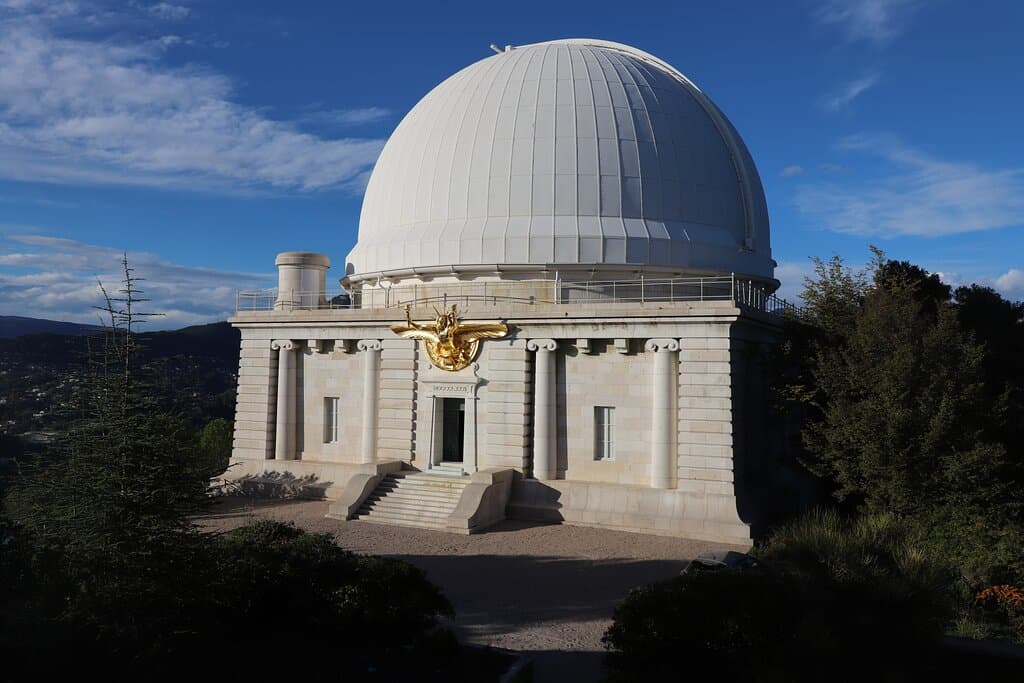
Nice Observatory Nice
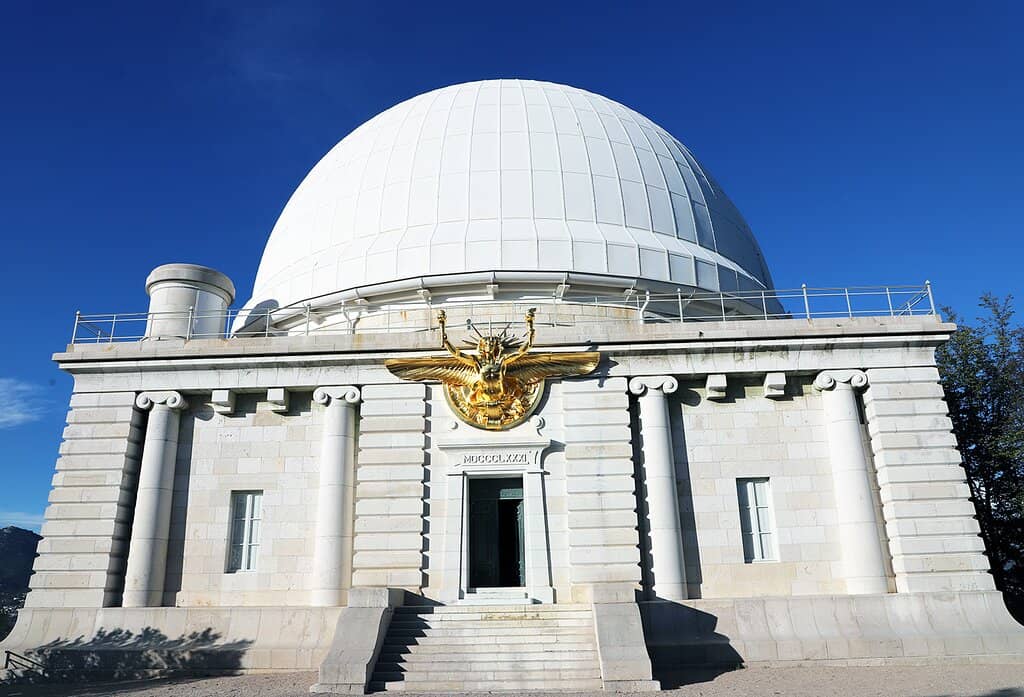
19th-century observatory with Eiffel's dome, offering stunning Riviera views and a glimpse into astronomical history.

Highlights
Must-see attractions

Social
From TikTok & Reddit
Best Time
Fewer crowds, better focus
Nice Observatory Nice
Best Time
Fewer crowds, better focus
Highlights
Must-see attractions
19th-century observatory with Eiffel's dome, offering stunning Riviera views and a glimpse into astronomical history.
"Beautiful views but a LOT of walking!!! If you are not good with walking steep inclines..."
Book Tours in Advance
🎟️ Tours are mandatory for entry and often sell out. Book online ahead of time!
Wear Comfortable Shoes
:athletic_shoe: Lots of walking on steep inclines. Be prepared for a workout!
Quick Facts
Hours
Rating
4.7 · 459 reviews
Type
Research Institute
Website
oca.euHighlights
Discover the most iconic attractions and experiences
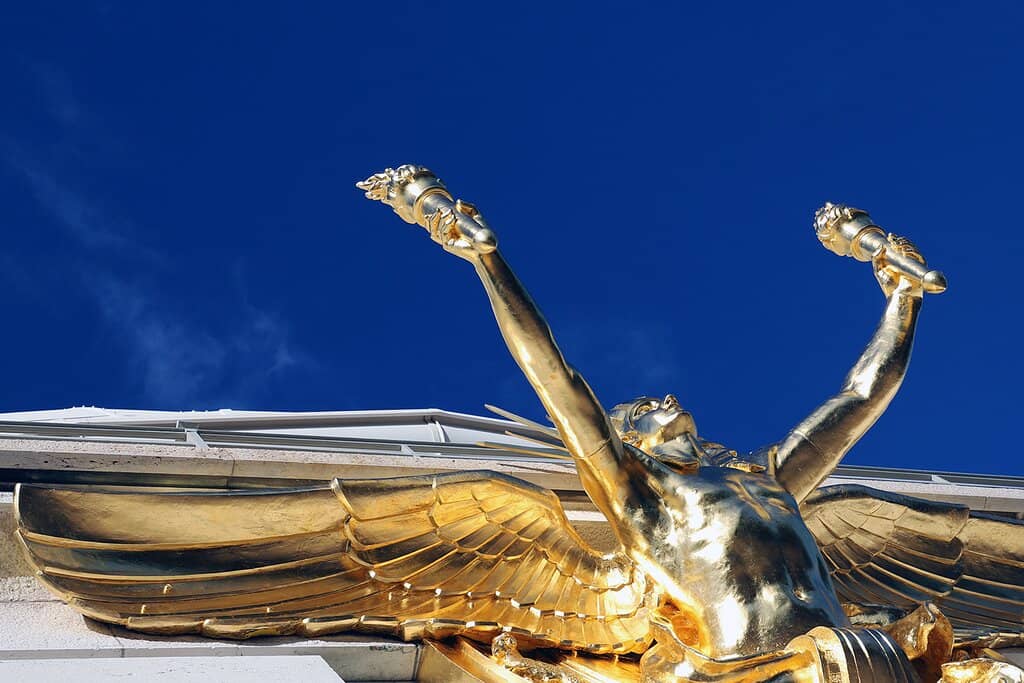
Gustave Eiffel's Dome
Main Observatory Building
Marvel at the engineering feat of the 100-ton rotating dome, designed by Gustave Eiffel himself.

World's Largest Refracting Telescope
Main Observatory Building
See the historic 76 cm refracting telescope, once the largest in the world, installed in 1888.

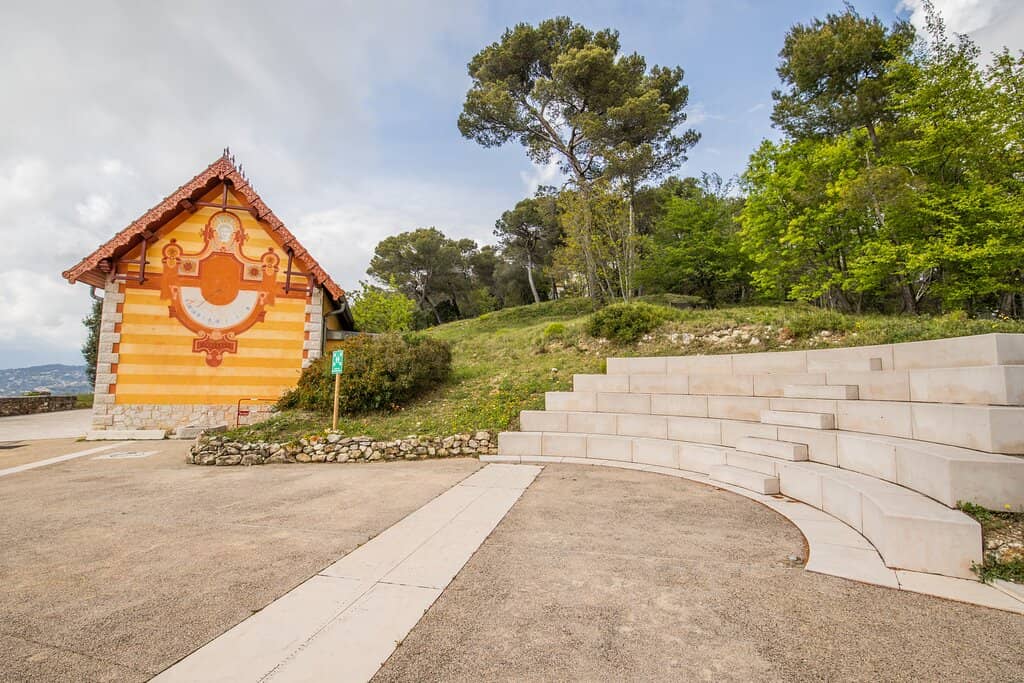
Mont Gros Campus Views
Outdoor areas
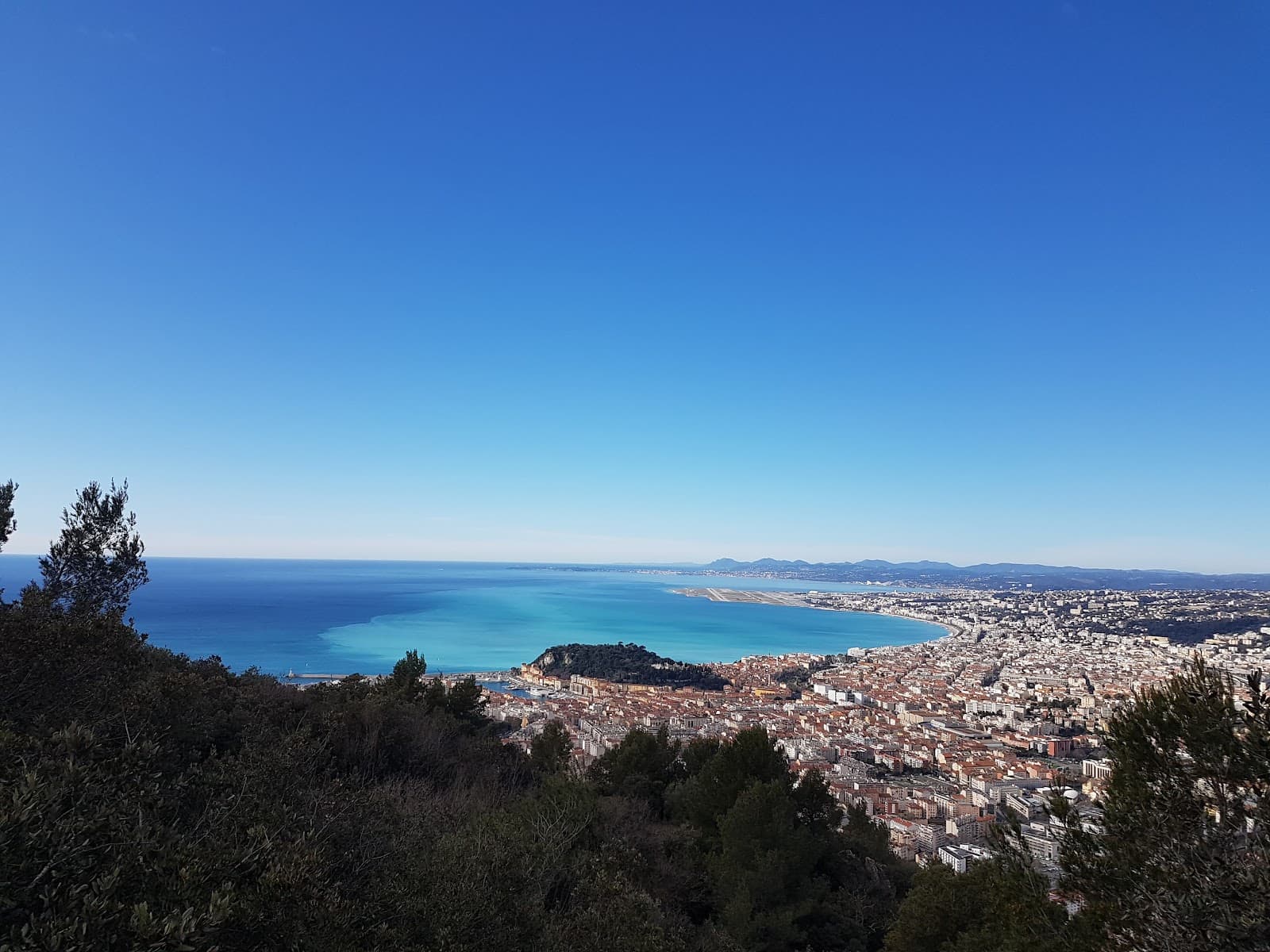
Enjoy breathtaking panoramic views of the French Riviera and the Mediterranean Sea from the observatory grounds.
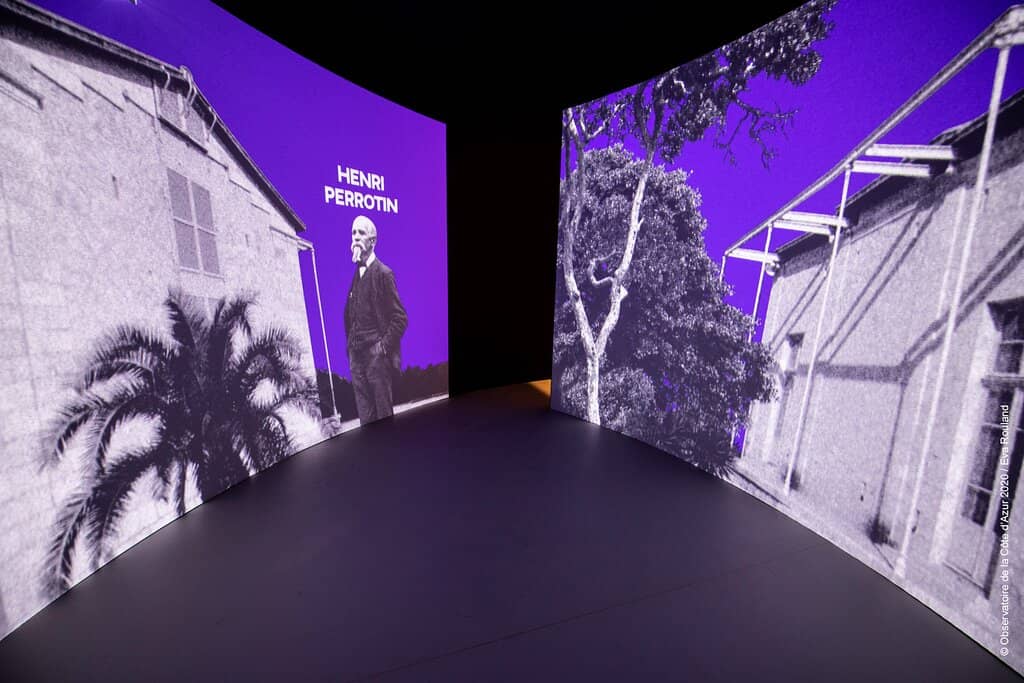
Futuristic Plateau de Calern Domes
Plateau de Calern
Explore the unique, lunar-like domed structures housing modern research facilities.
Plans like a pro.
Thinks like you
Planning Your Visit
Book Your Visit in Advance
Prepare for Walking and Language
Best Times
Insider Tips
from TikTok, Instagram & Reddit
Book Tours in Advance
🎟️ Tours are mandatory for entry and often sell out. Book online ahead of time!
Wear Comfortable Shoes
:athletic_shoe: Lots of walking on steep inclines. Be prepared for a workout!
French Language Focus
:speech_balloon: Tours are primarily in French. Guides may offer English Q&A.
Check Opening Days
📅 Open only twice a week for astronomy sessions. Verify schedule online.
Tips
from all over the internet
Book Tours in Advance
🎟️ Tours are mandatory for entry and often sell out. Book online ahead of time!
Wear Comfortable Shoes
:athletic_shoe: Lots of walking on steep inclines. Be prepared for a workout!
French Language Focus
:speech_balloon: Tours are primarily in French. Guides may offer English Q&A.
Check Opening Days
📅 Open only twice a week for astronomy sessions. Verify schedule online.
Bring Water
:droplet: Stay hydrated, especially during warmer months and the outdoor portions of the tour.
What Travellers Say
Reviews Summary
Visitors praise the Nice Observatory for its stunning panoramic views and the fascinating historical architecture, including Gustave Eiffel's dome and the world's former largest refracting telescope. However, many note that tours are primarily in French and involve significant walking on steep inclines, which can be challenging for some. The lack of opportunity to look through telescopes for stargazing is also a common point of disappointment for those expecting a more hands-on astronomical experience.
"A successful guided tour around the observatory and key buildings - we saw the telescope and the dome from the inside, had 30min in the muesum and walked around the campus. Half the tour is outside (walking up the hill), the other was inside, which I think worked well as a mix. Guide happy to answer all questions about the observatory or research."
Jakub Chomko
"Beautiful views but a LOT of walking!!! If you are not good with walking steep inclines and declines or have knee or ankles problems, this tour is not for you! The tour is mostly in French (though the guide did offer to answer any questions in English). I was hoping to get to look thru telescopes and see stars or planets but you don't get to do that - MAJOR let down!! Also the tour guide did not walk us down the mountain back to the entrance. I was walking slower than the crowd (steep declines, no railing) so I felt a bit desserted finding my way back to the beginning alone. Overall, it was an OK experience - but I would not go back."
Elaine D
"Brilliant views, amazing place. The tour was entirely in French but we were offered a discount by the tour guide - he explained that he would translate as much as possible but we wouldn't get the full experience. Fantastic."
nick webster
What People Like
What People Dislike
Frequently Asked Questions
🚇 🗺️ Getting There
The Nice Observatory is located on Mont Gros. Public transport options are limited, so many visitors opt for a taxi or ride-sharing service. Driving is also an option, with parking available on-site. Check local bus routes for potential connections, but be prepared for a significant walk uphill.
Yes, there is parking available at the Nice Observatory. However, it can fill up quickly, especially on days with scheduled tours or events. Arriving early is recommended if you plan to drive.
While technically possible, walking to the Nice Observatory involves a steep and long incline. It's a strenuous hike and not recommended for everyone, especially if you have mobility issues.
The Plateau de Calern is a separate site. Reaching it typically requires a car or organized transport, as public transit is very limited. It's a significant drive from Nice.
Currently, there are no regular shuttle services directly to the Nice Observatory. Visitors usually rely on private transportation or taxis.
🎫 🎫 Tickets & Entry
Yes, access to the Nice Observatory is primarily through guided tours, which require pre-booked tickets. You cannot simply wander the grounds without a tour.
Ticket prices vary depending on the type of tour and any special events. It's best to check the official Nice Observatory website for the most current pricing information.
No, general access to the historical buildings and telescope areas is only permitted via guided tours. Some outdoor areas might be accessible, but the main attractions require a tour.
The observatory is open for guided tours only twice a week. The specific days and times can vary, so it's crucial to consult their official schedule online when planning your visit.
Standard guided tours focus on the history, architecture, and scientific instruments. While you see the telescopes, you typically do not get to look through them to observe celestial bodies during these tours.
🎫 🔭 Onsite Experience
Tours usually include a visit to the main observatory building, Gustave Eiffel's dome, the historic telescope, and sometimes the museum. Part of the tour is outdoors, offering great views.
Special tours are organized for children aged 6 and above, offering interactive educational experiences. Standard tours might be less engaging for very young children due to the historical and scientific focus.
Guided tours typically last around 1.5 to 2 hours, depending on the group size and the guide's pace. Be prepared for a substantial amount of walking.
Restroom facilities are usually available. Information about gift shops is less common, so it's advisable to check the observatory's official visitor information for details.
The observatory is a leading center for astronomical and geodetic research, including gravitational wave detection, planetary science, cosmology, and Earth science studies.
📸 📸 Photography
Photography is generally allowed in most areas, especially outdoors. However, there might be restrictions inside certain sensitive scientific areas or during specific demonstrations. Always check with your guide.
The panoramic views from the campus are stunning, especially during sunrise or sunset. The architecture of the observatory buildings, including Eiffel's dome, also makes for great shots.
Drone usage is typically restricted at scientific facilities like observatories due to potential interference with sensitive equipment and safety regulations. It's best to assume it's not allowed unless explicitly stated otherwise.
The 'golden hours' around sunrise and sunset offer beautiful lighting for landscape and architectural photography. The purple and gold nights mentioned in social media suggest evening visits can be visually striking.
A wide-angle lens is great for capturing the expansive views and architecture. A telephoto lens can be useful for details on distant landscapes. A tripod might be helpful for low-light conditions, but check if it's allowed on tours.





Social
from TikTok, Instagram & Reddit