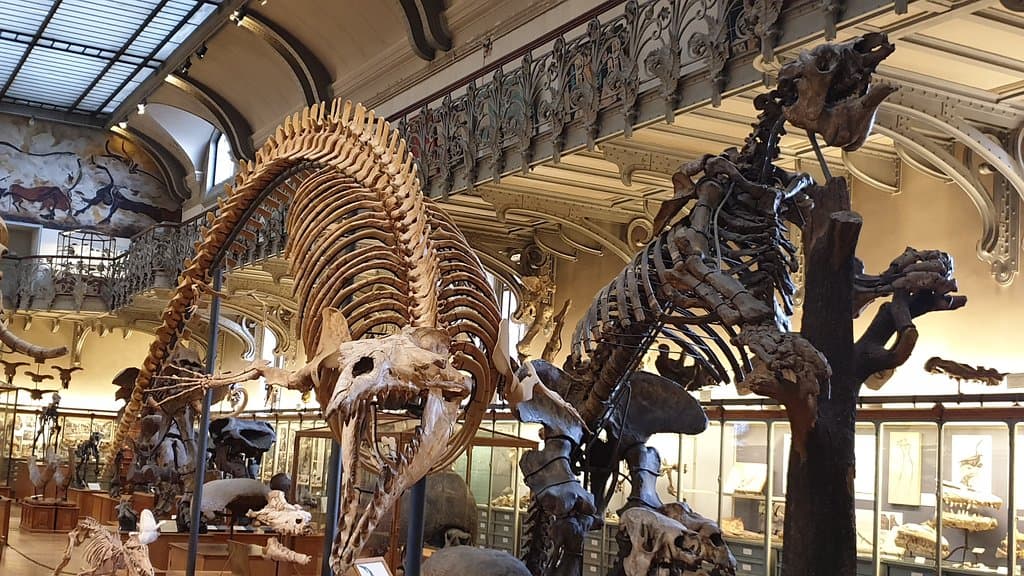
Galerie de Paléontologie et d'Anatomie comparée Paris
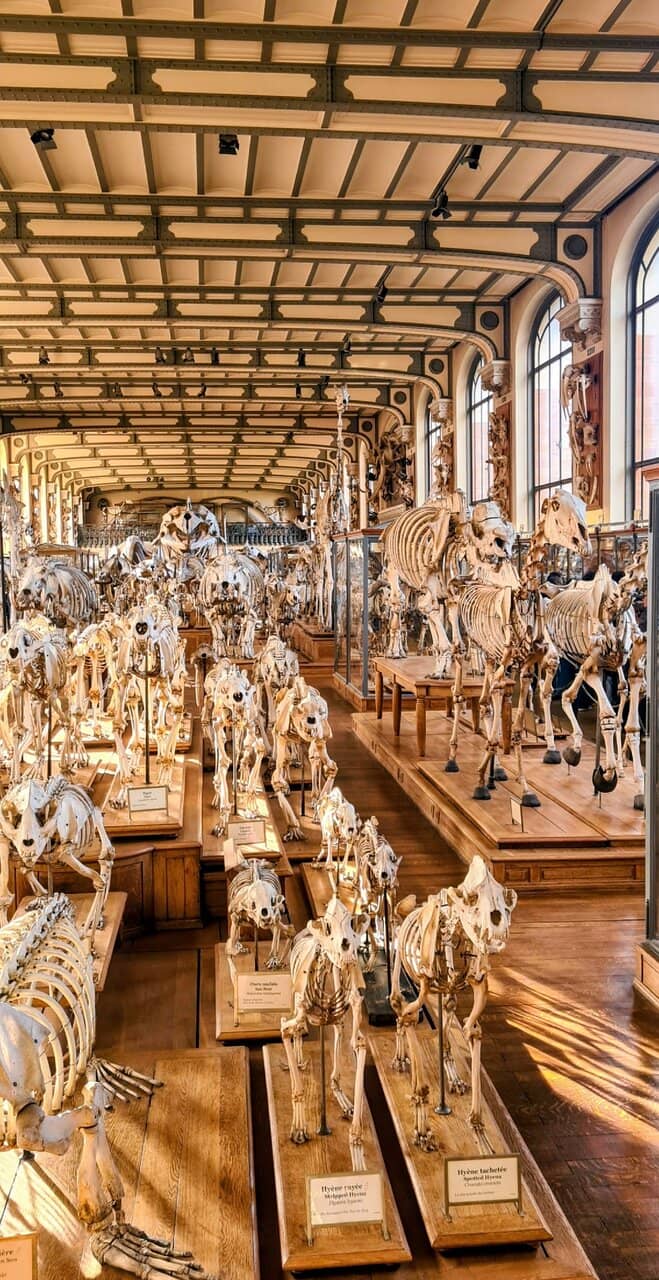
A breathtaking 19th-century museum hall filled with over 1,000 skeletons, from dinosaurs to whales, showcasing evolution.
Highlights
Must-see attractions

Social
From TikTok & Reddit
Best Time
Fewer crowds, better viewing
Galerie de Paléontologie et d'Anatomie comparée Paris
Best Time
Fewer crowds, better viewing
Highlights
Must-see attractions
A breathtaking 19th-century museum hall filled with over 1,000 skeletons, from dinosaurs to whales, showcasing evolution.
"It's not just a museum — it feels like entering a cathedral of science. Beautiful, eerie, and unforgettable."
🎟️ Book Tickets Online
Essential to secure your entry, especially for free days. Avoid disappointment!
📱 Use Translation Apps
Most labels are in French. Google Lens can help decipher exhibits.
Quick Facts
Hours
Rating
4.6 · 5,711 reviews
Type
Museum
Highlights
Discover the most iconic attractions and experiences
Hall of Skeletons
Main Gallery
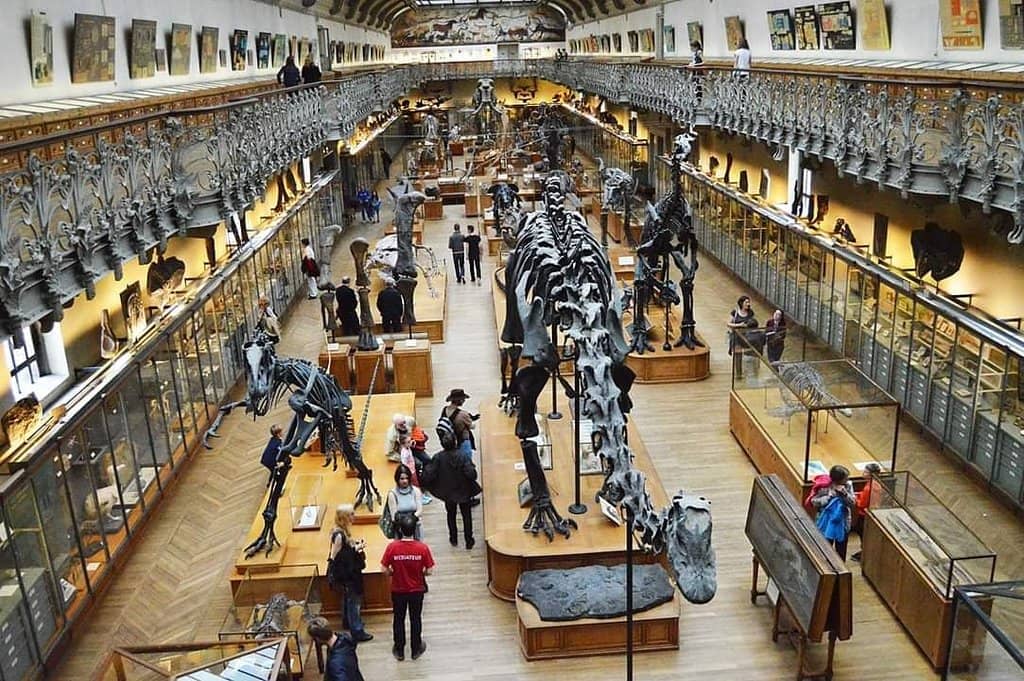
An awe-inspiring collection of over 1,000 animal skeletons, from dinosaurs to whales, creating a cathedral of science.
Dinosaur Fossils
Paleontology Section
Marvel at impressive dinosaur fossils and skeletons, a major draw for paleontology enthusiasts of all ages.
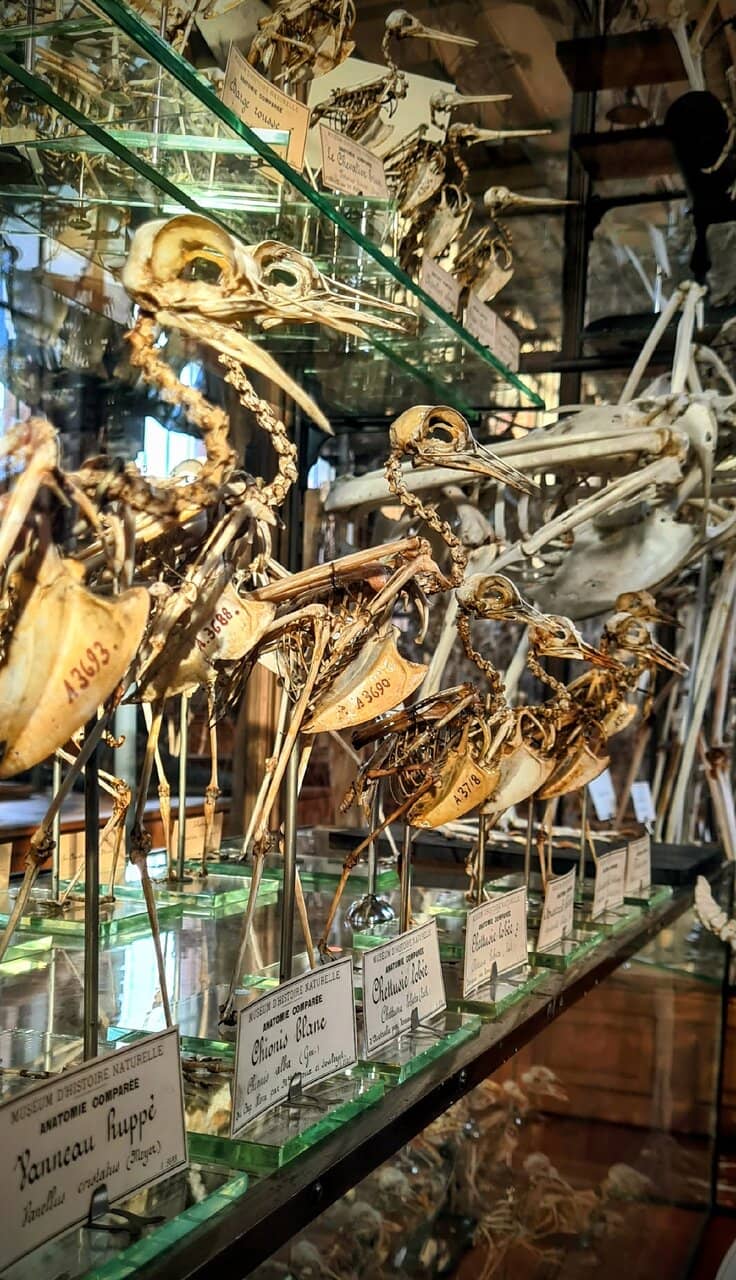
Comparative Anatomy Specimens
Anatomy Gallery
Explore a vast collection of prepared organs and specimens showcasing the intricacies of animal anatomy.
Plans like a pro.
Thinks like you
Planning Your Visit
Book Tickets Online in Advance
Language Barrier Considerations
Best Times
Insider Tips
from TikTok, Instagram & Reddit
🎟️ Book Tickets Online
Essential to secure your entry, especially for free days. Avoid disappointment!
📱 Use Translation Apps
Most labels are in French. Google Lens can help decipher exhibits.
👟 Comfortable Shoes
You'll be doing a lot of walking and standing, so wear comfy footwear.
📸 Capture the Skeletons
The sheer scale of the skeletons is incredible for photos.
Tips
from all over the internet
🎟️ Book Tickets Online
Essential to secure your entry, especially for free days. Avoid disappointment!
📱 Use Translation Apps
Most labels are in French. Google Lens can help decipher exhibits.
👟 Comfortable Shoes
You'll be doing a lot of walking and standing, so wear comfy footwear.
📸 Capture the Skeletons
The sheer scale of the skeletons is incredible for photos.
⏳ Allow Ample Time
There's a lot to see; plan for at least 2-3 hours to explore fully.
What Travellers Say
Reviews Summary
Visitors rave about the Galerie de Paléontologie et d'Anatomie comparée for its impressive and extensive collection of skeletons and fossils, creating a visually stunning and educational experience. Many highlight its suitability for children and its unique, historical atmosphere. However, the primary drawback mentioned is the lack of English signage, which can hinder understanding for non-French speakers.
"Make sure to buy tickets online in advance, as they get sold out fast, then it is a wonderful museum showcasing evolution and scientific discoveries over the ages. There is a staggering amount of skeletons and fossils on display, as well as a vast collection of prepared organs and other specimens. It's a museum that triggers curiosity and a great way to discover natural history and our origins. Absolutely loved our visit, couldn't recommend it more !"
Hans de Keijzer
"Apparently you can enter for free (first Sunday of the month). Otherwise book tickets online. You cannot buy tickets at the gallery.
Really liked the gallery! Very well maintained and the collection is extensive. Wonderful place for nerds or people interested in this. Since my French is basic, I couldn't read/understand most of the labels and specifics of the pieces. It would have been great if some of it were in English. You may try Google Lens > Translate, but this might be tedious. No WiFi available either.
The shop outside has cool merchandise but unfortunately it was shit when I visited."
meg dr
"Went on the first Sunday of the month for free, you can get tickets for free on the website but it’s not the easiest to navigate if you don’t speak French. Very cool museum with amazing selection of different samples. It’s so gorgeous. I only wish some more of the signage was in English."
natasha Rode-Christoffersen
What People Like
What People Dislike
Frequently Asked Questions
🚇 🗺️ Getting There
The gallery is located within the Jardin des Plantes in the 5th arrondissement. You can reach it via Metro lines 5 (Saint-Marcel), 7 (Place Monge), or 10 (Jussieu). Several bus lines also stop nearby.
Yes, it is one of the many wings of the Muséum national d'Histoire naturelle, situated at the entrance of the Jardin des Plantes.
Absolutely! Your ticket often grants access to other parts of the Jardin des Plantes, making it a great day out.
Parking in this area of Paris can be challenging and expensive. Public transport is highly recommended.
Upon entering the Jardin des Plantes, follow signs for the 'Galerie de Paléontologie et d'Anatomie comparée'. It's a prominent building.
🎫 🎫 Tickets & Entry
While some sources mention free entry on the first Sunday of the month, it's crucial to book these free tickets online in advance as they are limited. Standard admission fees apply otherwise. +1
No, tickets cannot be purchased at the gallery itself. You must buy them online in advance.
Yes, it's often free for those under 26, especially if they are residents of the EU. Always check the official website for current pricing and age restrictions.
Yes, timed entry reservations are often required, even for free tickets. Booking online in advance is essential.
This pass likely refers to a combined ticket that grants access to multiple attractions within the Jardin des Plantes, offering better value if you plan to visit more than one.
🎫 🧭 Onsite Experience
The museum features a vast collection of over 1,000 skeletons, including dinosaurs, whales, and other mammals, alongside a significant display of fossils and comparative anatomy specimens.
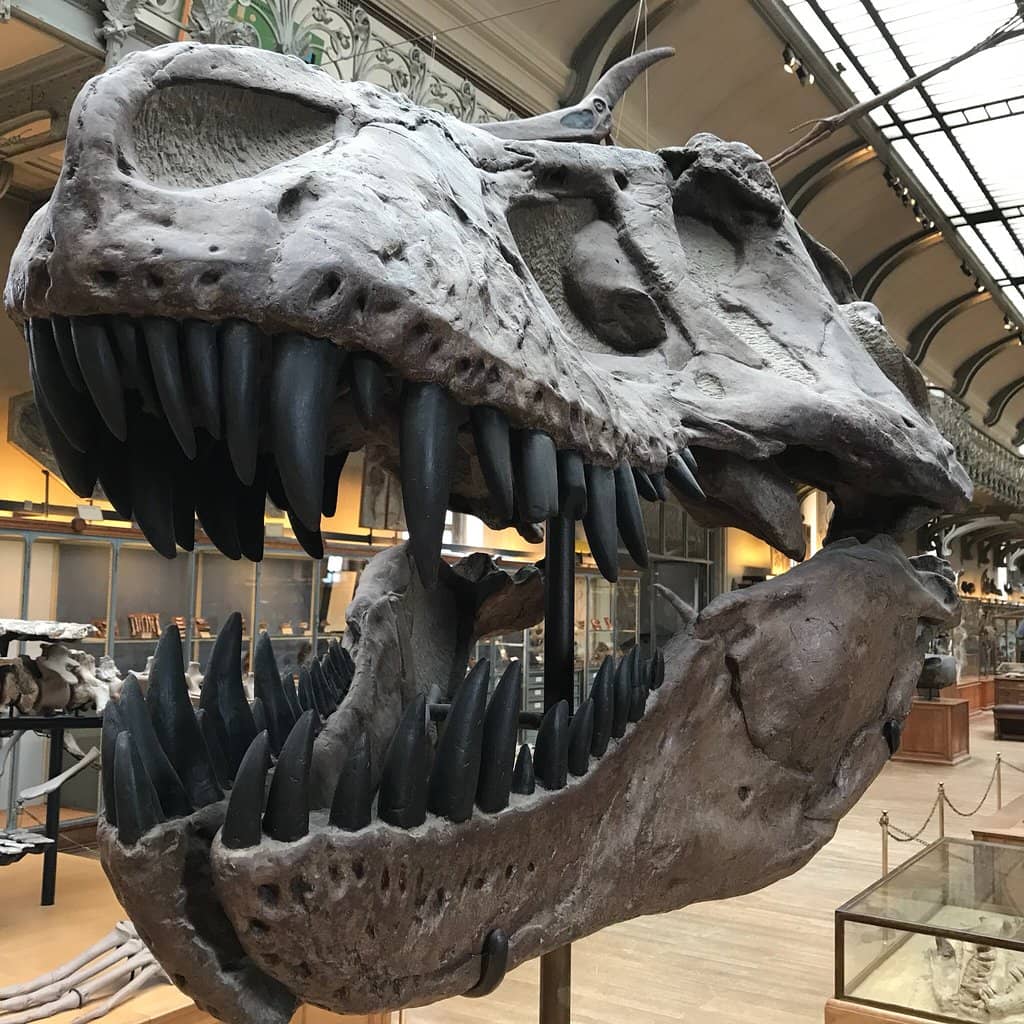
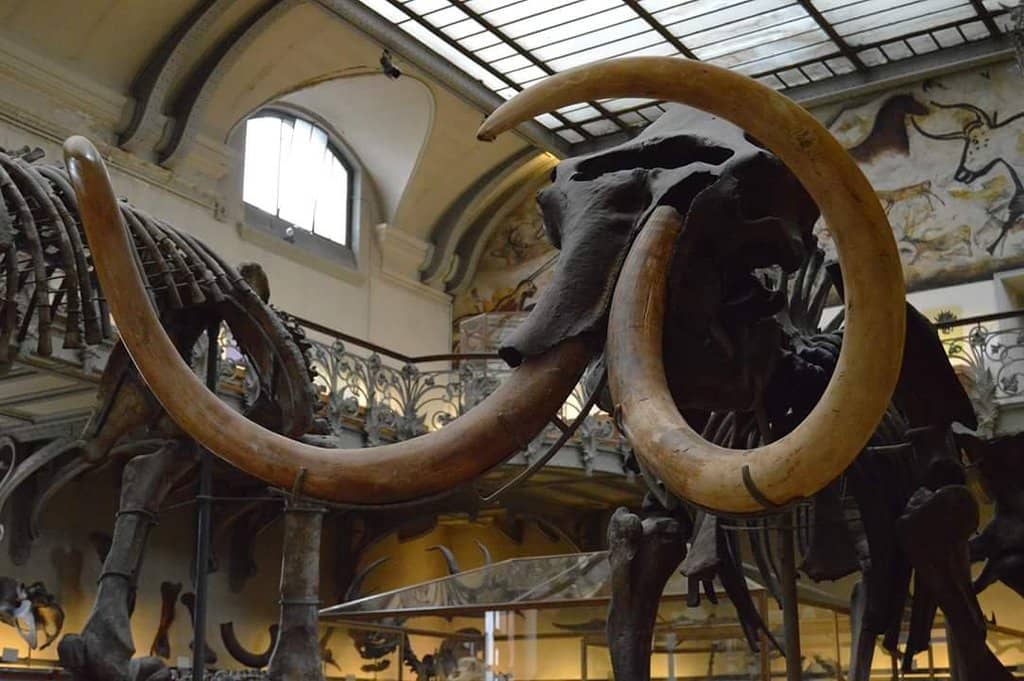
Yes, it's very kid-friendly! Children are often fascinated by the large skeletons like the T-Rex skull, mammoth, and whales.
Information on accessibility can vary. It's best to check the official museum website or contact them directly for the most up-to-date details on ramps, elevators, and other facilities.
Photography is generally allowed for personal use, but tripods and flash photography might be restricted. Always check for posted signage.
Most visitors spend around 2-3 hours exploring the extensive collections.
🍽️ 🍽️ Food & Dining
While the gallery itself may not have extensive dining options, the Jardin des Plantes has cafes and picnic areas where you can enjoy food.
Picnicking is usually permitted in designated areas within the Jardin des Plantes. Check the park's regulations for specifics.
The surrounding Latin Quarter and 5th arrondissement offer a wide array of cafes, bistros, and restaurants catering to various tastes and budgets.
Yes, there is a shop that sells merchandise related to the museum's collections, though one reviewer noted it was disappointing during their visit.
Explore the side streets off the main boulevards for more local and budget-friendly eateries. Bakeries (boulangeries) are great for quick and inexpensive snacks.
📸 📸 Photography
The main hall with the towering skeletons, especially the whale and giraffe exhibits, offers dramatic photographic opportunities. The dinosaur skeletons are also very photogenic.
Flash photography is generally discouraged in museums to protect the exhibits. Always look for signage or ask staff if unsure.
Tripods are typically not allowed in museum galleries to avoid obstruction and potential damage. Check the museum's specific policy.
Expect to capture wide-angle shots of the immense skeletons, detailed close-ups of fossils, and the overall atmospheric grandeur of the 19th-century galleries. +1
The 'cathedral of science' feel of the main hall, the imposing dinosaur skeletons, and the diverse range of mammal skeletons are prime subjects.
Social
from TikTok, Instagram & Reddit