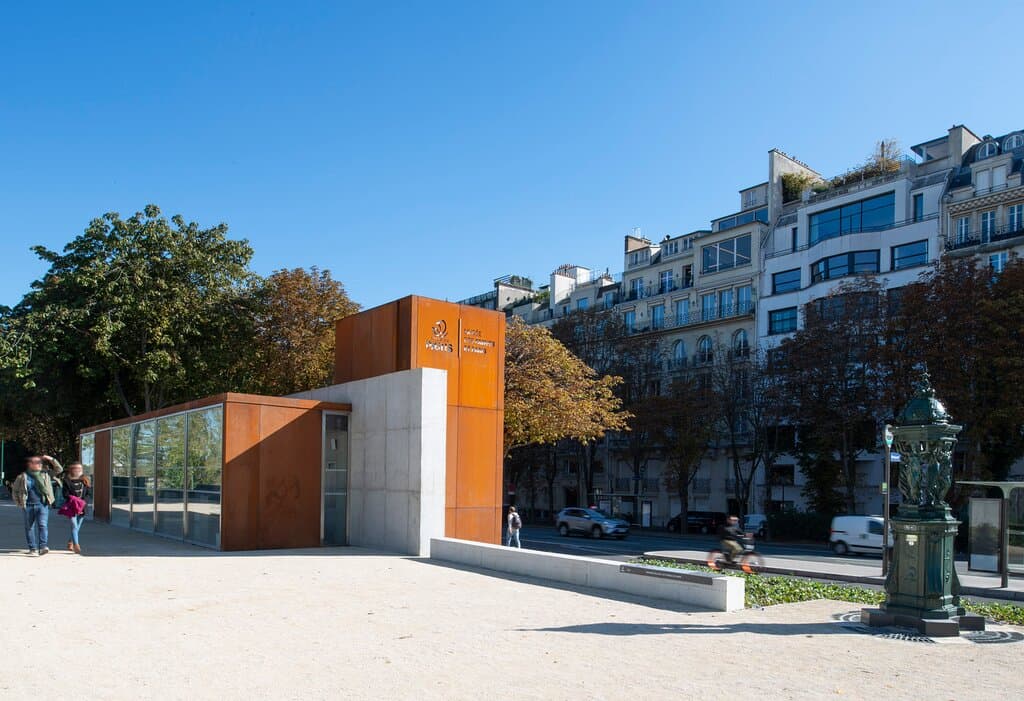
Musée des Égouts de Paris
Explore Paris's hidden world! Discover the history and function of its famous sewer system in this unique underground museum.
Highlights
Must-see attractions

Social
From TikTok & Reddit
Best Time
Less smell, fewer people
Musée des Égouts de Paris
Best Time
Less smell, fewer people
Highlights
Must-see attractions
Explore Paris's hidden world! Discover the history and function of its famous sewer system in this unique underground museum.
"It's a great place for kids and is sooo much cheaper than the catacombs."
👃 Brace for the Smell
It's an active sewer! While many find it bearable, be prepared. Visiting after rain can intensify it.
⏱️ Allow 1-1.5 Hours
This is a compact museum, perfect for a focused visit without feeling rushed.

Quick Facts
Hours
Rating
4.3 · 1,811 reviews
Type
Museum
Highlights
Discover the most iconic attractions and experiences
Active Sewer Network
Underground
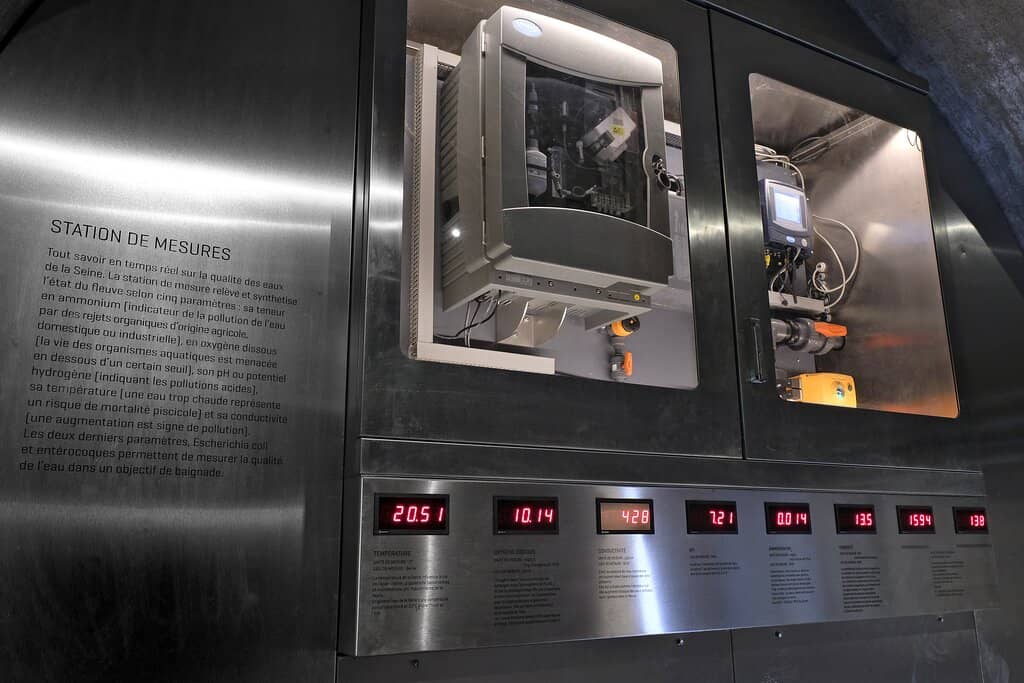
Witness a functioning part of Paris's historic and modern sewer system. See how it works firsthand.
Sanitation History Exhibits
Museum Galleries
Explore the evolution of Paris's wastewater management through well-curated displays and historical artifacts.
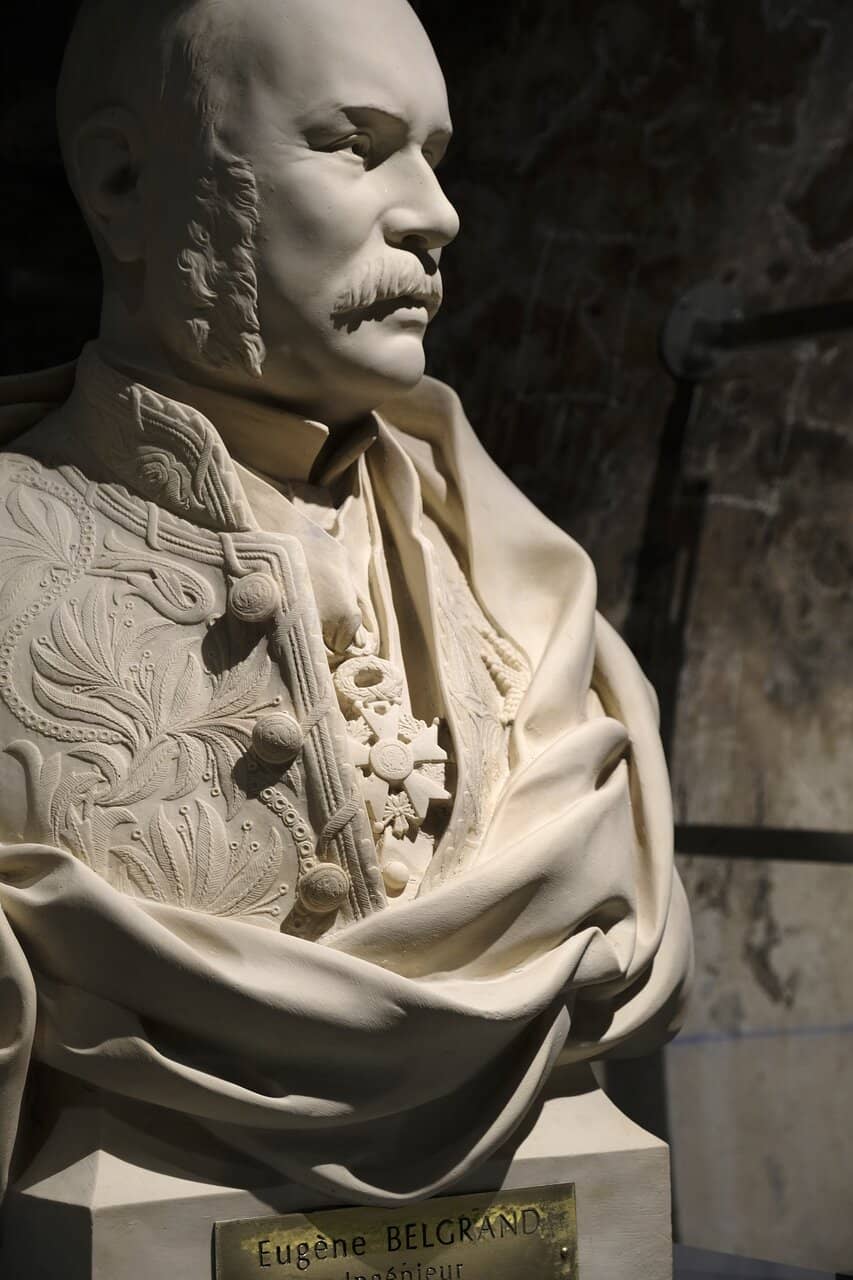
Unique Infrastructure Perspective
Throughout the Museum
Gain a fascinating, often overlooked, perspective on the city's vital underground infrastructure.
Plans like a pro.
Thinks like you
Planning Your Visit
Embrace the Aroma
Timing is Key for Comfort
Best Times
Insider Tips
from TikTok, Instagram & Reddit
👃 Brace for the Smell
It's an active sewer! While many find it bearable, be prepared. Visiting after rain can intensify it.
⏱️ Allow 1-1.5 Hours
This is a compact museum, perfect for a focused visit without feeling rushed.
💡 Consider a Guide
Explanations can be dense; a guide can enhance understanding of the complex infrastructure.
💰 Budget-Friendly Fun
Significantly cheaper than the Catacombs, offering great value for a unique experience.
Tips
from all over the internet
👃 Brace for the Smell
It's an active sewer! While many find it bearable, be prepared. Visiting after rain can intensify it.
⏱️ Allow 1-1.5 Hours
This is a compact museum, perfect for a focused visit without feeling rushed.
💡 Consider a Guide
Explanations can be dense; a guide can enhance understanding of the complex infrastructure.
💰 Budget-Friendly Fun
Significantly cheaper than the Catacombs, offering great value for a unique experience.
🎁 Unique Souvenirs
Check out the gift shop for cool upcycled items, like former sewer employee uniform jackets.
What Travellers Say
Reviews Summary
Visitors find the Paris Sewer Museum to be a uniquely interesting and educational experience, offering a rare glimpse into the city's vital underground infrastructure. While the distinct smell is a notable aspect, many find it bearable and less intense than expected. It's praised for its affordability and suitability for curious minds of all ages.
"Really have to see it to believe it. History buffs/specific interest folks will enjoy. Very well curated with lots of cool facts. It IS indeed in the Paris sewer system, so be prepared for a specific smell. We were NOT prepared for the smell, so admittedly didn’t stay very long."
bored. roomz
"We visited the Paris Museum of Sewers, and overall the exhibition was both interesting and unusual. It’s definitely not like a typical museum and gives a unique perspective on the city’s history and infrastructure. However, without a guide, many things were difficult to fully understand, as the explanations alone didn’t always provide enough context. We went there after it had rained, so the smell was not very pleasant—though still bearable."
Igor
"This is a great museum, it is interesting and it is cool to see an active sewer instead of some prop one. The smell is not at all as bad as people describe it, it is a great place for kids and is sooo much cheaper than the catacombs. There are much less people here than at the catacombs and the staff is super nice."
Emmett Langlois
What People Like
What People Dislike
Frequently Asked Questions
🚇 🗺️ Getting There
The Musée des Égouts de Paris is located at 77 Quai d'Orsay, 75007 Paris, France. It's accessible via public transport. The nearest Métro stations are Alma-Marceau (Line 9) and Pont de l'Alma (RER C). Many visitors find it convenient to walk from the Eiffel Tower area.
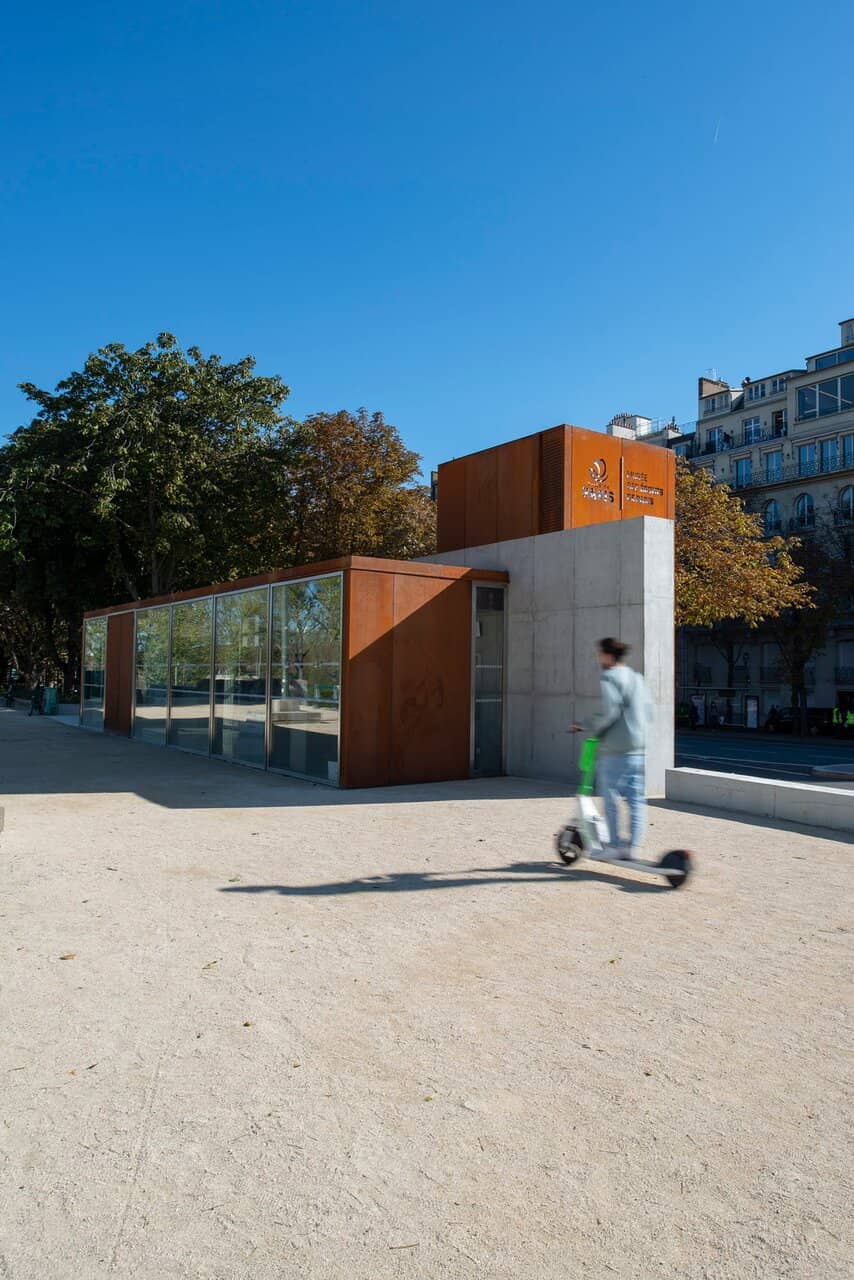
The entrance is clearly marked and located on Quai d'Orsay, near the Pont de l'Alma. Look for signs directing you to the museum.
Yes, several bus lines stop near the museum, including lines 42, 63, 80, and 92. Check RATP schedules for the most up-to-date information.
Street parking in this area of Paris can be challenging and expensive. It's highly recommended to use public transportation to reach the museum.
It's a pleasant walk from the Eiffel Tower (about 15-20 minutes) and the Musée d'Orsay. This can be a nice way to see more of the city.
🎫 🎫 Tickets & Entry
Admission is quite affordable, making it a great value. Prices are significantly lower than many other major Paris attractions like the Catacombs. Check the official website for current ticket prices.
While not always strictly necessary, booking tickets online in advance is recommended, especially during peak tourist seasons, to guarantee entry and potentially save time.
The museum typically operates from Saturday to Wednesday, with specific hours that can vary. It's best to check the official Musée des Égouts de Paris website for the most accurate and up-to-date opening times before your visit.
Yes, the museum is usually closed on Thursdays and Fridays. Always verify the current schedule on their official website.
Discounts may be available for students, children, or those with specific passes. Inquire at the ticket counter or check the official website for details.
🎫 🧭 Onsite Experience
The smell is a significant aspect of the experience. While some visitors find it strong or unpleasant, many describe it as bearable or even minimal, especially on dry days. It's an active sewer, so a distinct odor is expected. +1
Yes, many visitors find it to be a great place for kids. It's educational and offers a unique, hands-on perspective on urban infrastructure that can capture their imagination.
Most visitors spend about 1 to 1.5 hours exploring the museum. It's a relatively compact site, allowing for a focused and efficient visit.
As it's located underground in a sewer system, accessibility can be a concern. The pathways may be uneven, and there are stairs involved. It's advisable to contact the museum directly for specific accessibility information.
Yes, the museum generally provides explanations and signage translated into English, making it accessible for international visitors.
📸 📸 Photography
Photography is generally permitted inside the museum for personal use. However, it's always a good idea to check for any specific signage or ask staff if you're unsure.
The most striking photo opportunities involve the sheer scale of the underground tunnels and the historical machinery. Capturing the contrast between the functional infrastructure and the museum exhibits can be very compelling.
Flash photography is often discouraged in museums to protect exhibits and for the comfort of other visitors. It's best to avoid using flash unless explicitly permitted.
The lighting can be somewhat dim and industrial, typical of an underground environment. This can create a unique atmosphere for your photos, but you might need to adjust your camera settings accordingly.
The historical pumping equipment and the various models demonstrating the sewer system's evolution are often highlights for photographers. The sheer size of the main conduits is also impressive.
Social
from TikTok, Instagram & Reddit