Musée d'Histoire de la Médecine
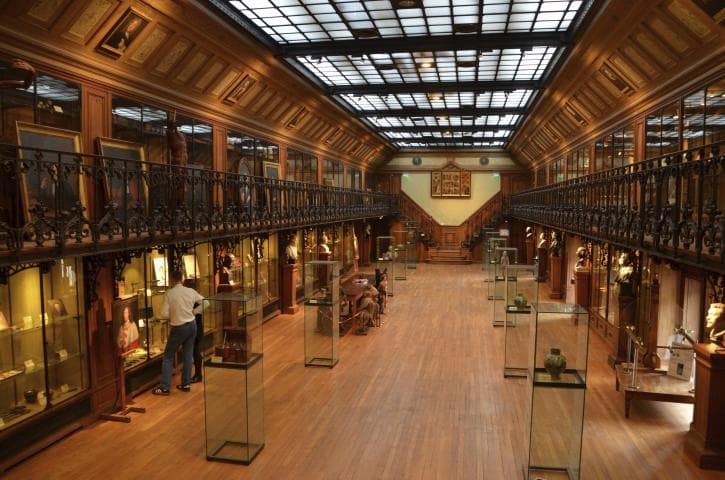
Explore Paris's fascinating medical past in a unique museum featuring historical instruments and a 1905 setting.

Highlights
Must-see attractions

Social
From TikTok & Reddit
Best Time
Fewer crowds, more space to explore
Musée d'Histoire de la Médecine
Best Time
Fewer crowds, more space to explore
Highlights
Must-see attractions
Explore Paris's fascinating medical past in a unique museum featuring historical instruments and a 1905 setting.
"Literally the most unique museum in Paris!"
Translate for Clarity
Explanations are in French. Use a translation app for a richer understanding of the exhibits. :iphone:
Embrace the Atmosphere
The historic building itself feels like a journey through time. Enjoy the unique ambiance. ✨
Quick Facts
Hours
Rating
4.3 · 622 reviews
Type
Museum
Highlights
Discover the most iconic attractions and experiences
Historical Surgical Instruments
Main Exhibition Hall
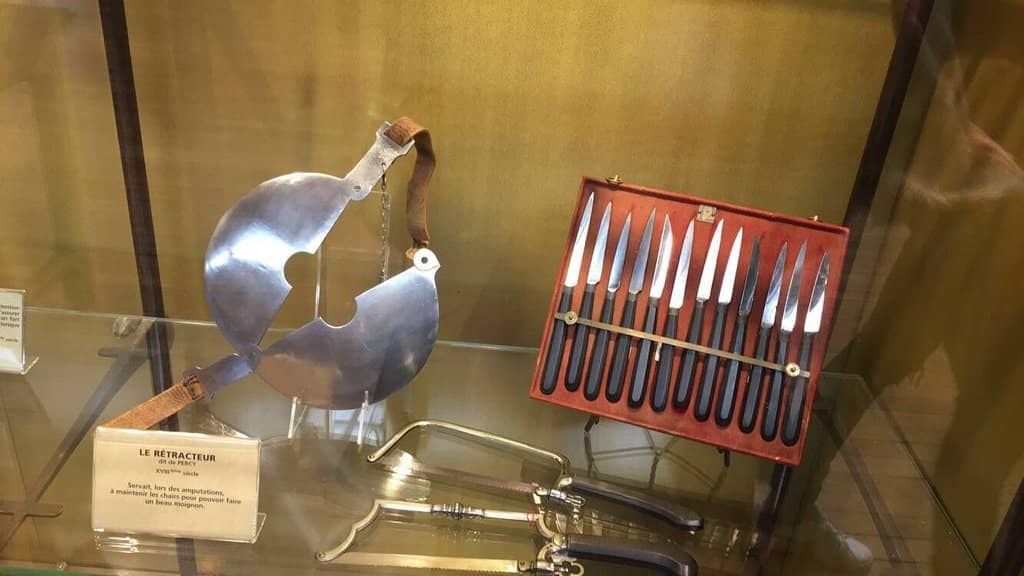
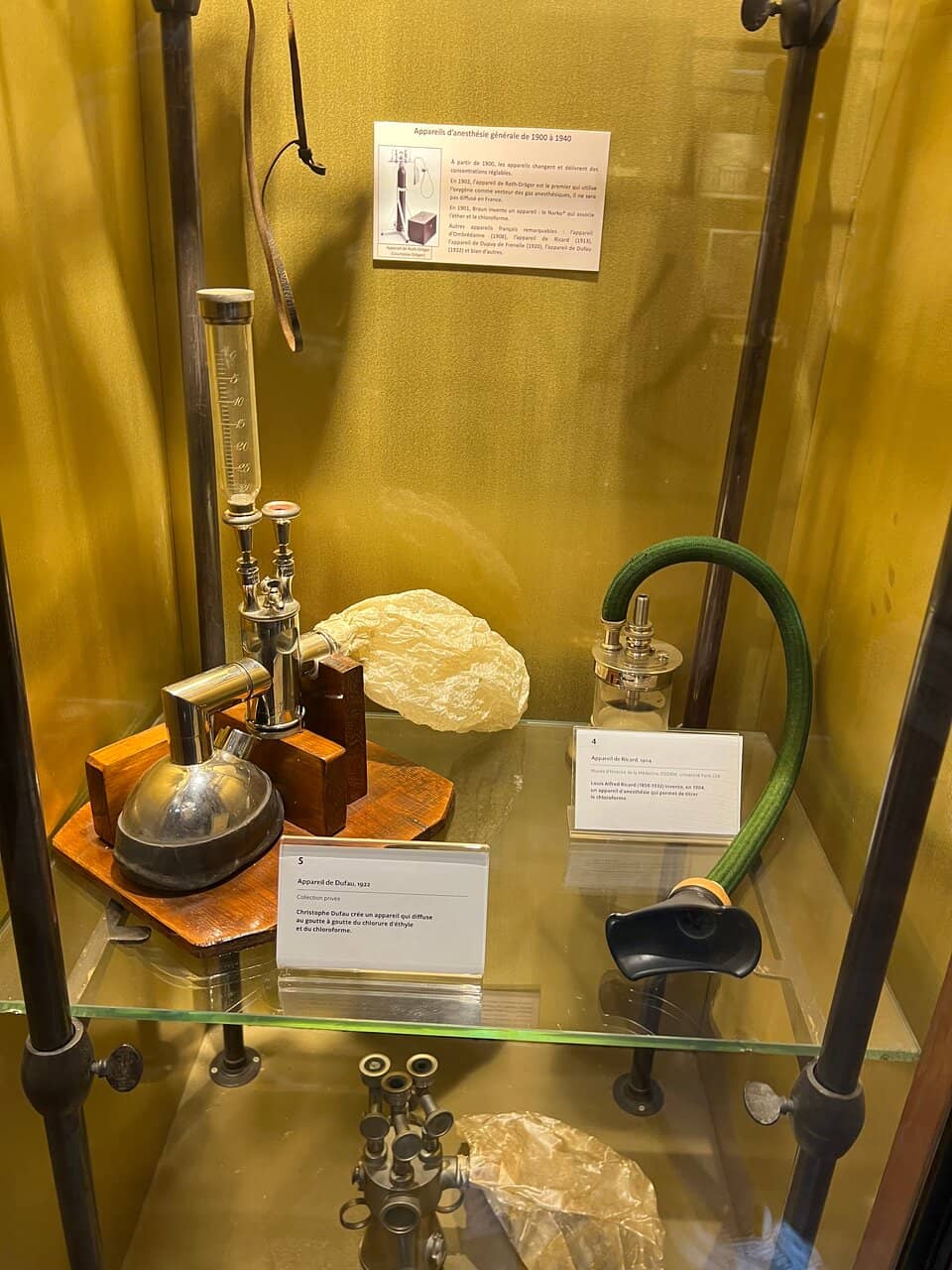
See a remarkable array of surgical tools from various eras, offering a stark look at medical practices of the past.
Napoleonic Era Table
Special Display Area
A unique artifact from the Napoleonic era, this table provides a tangible connection to a significant historical period.
1905 Exhibition Hall
Museum Interior
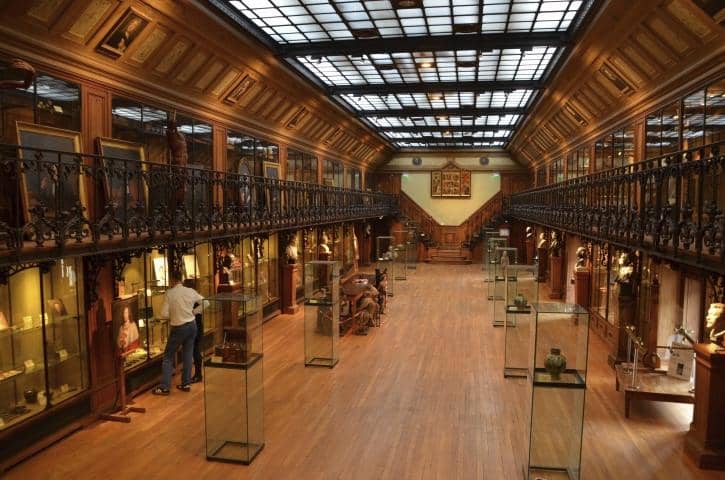
Experience the museum within its original 1905 setting, adding an authentic historical ambiance to your visit.
Plans like a pro.
Thinks like you
Planning Your Visit
Uncover Paris's Medical Past
Navigating the Collection
Best Times
Insider Tips
from TikTok, Instagram & Reddit
Translate for Clarity
Explanations are in French. Use a translation app for a richer understanding of the exhibits. :iphone:
Embrace the Atmosphere
The historic building itself feels like a journey through time. Enjoy the unique ambiance. ✨
Budget-Friendly Entry
Admission is affordable, and card payments are accepted. Great value for a unique experience. 💶
Not for the Faint of Heart
Medical history can be intense. If you're squeamish, this might not be the best fit. :grimacing:
Tips
from all over the internet
Translate for Clarity
Explanations are in French. Use a translation app for a richer understanding of the exhibits. :iphone:
Embrace the Atmosphere
The historic building itself feels like a journey through time. Enjoy the unique ambiance. ✨
Budget-Friendly Entry
Admission is affordable, and card payments are accepted. Great value for a unique experience. 💶
Not for the Faint of Heart
Medical history can be intense. If you're squeamish, this might not be the best fit. :grimacing:
Student Perks
Students of the university can often get in for free or at a reduced rate. :mortar_board:
What Travellers Say
Reviews Summary
Visitors often praise the museum for its unique and historical atmosphere, housed in a beautiful, time-travel-evoking building. The collection of medical instruments is considered fascinating, though some wish for more storytelling. The main drawbacks are the explanations being solely in French and the potentially graphic nature of the exhibits for the less queasy.
"I love medical history, so this kind of museum is great for me. I would have liked for the museum to do a bit more storytelling, but that would have been a bonus. I also would have liked a gift corner with some historic glass eyeballs. Just kidding! But would have liked some books about medical history.
If you don't speak French, you'll have to use a translation app, because all the signs are in French. Don't go if you are squeamish, medical history is pretty awful.
The admission is cheap and you can pay by card."
Alicia Hobbel
"A small museum in an historic building.
Explanations are only in French which may be an issue for some, in anywise they are short.
The focus is on the past and there are interesting exhibits.
This does in no way compare to the Josephine in Vienna or the Vrolijk museum in Amsterdam.
The building itself is also interesting.
I would recommend visiting for people with an interest in the subject and enough time in Paris otherwise see the highlights of the city."
O La
"They showcased many surgical instruments from the last century, as well as a table from the Napoleonic era."
SJay
What People Like
What People Dislike
Frequently Asked Questions
🚇 🗺️ Getting There
The museum is located in the 6th arrondissement of Paris, within the Université Paris-Cité campus at Odéon. You can reach it via the Metro to Odéon station. It's situated on the second floor of the university headquarters at 12 rue de la Médecine. +1
Yes, the museum is well-connected by public transport. The nearest Metro station is Odéon, which serves lines 4 and 10, making it convenient to reach from various parts of Paris.
The museum is located on the second floor of the Université Paris-Cité headquarters. Look for signage directing you to the Musée d'Histoire de la Médecine once you are inside the building.
Parking in the 6th arrondissement can be challenging. It's generally recommended to use public transportation to reach the museum rather than driving.
Depending on your starting point, walking might be an option. It's located in a central area, and many attractions in the Latin Quarter are within walking distance.
🎫 🎫 Tickets & Entry
The museum is typically open from Monday to Saturday, from 2 PM to 5:30 PM. It is closed on Thursdays, Sundays, and public holidays. Always check the official website for the most up-to-date hours.
Admission is generally very affordable. Students of the university may get free entry, and the general admission price is low, making it a budget-friendly option. +1
Information on online ticket purchasing is not widely available. It's best to plan on purchasing tickets upon arrival at the museum.
While educational, the museum displays historical surgical instruments and medical practices that might be graphic for very young or sensitive children. Parental discretion is advised.
Given its size and typical visitor numbers, advance booking is usually not required. However, for groups, it's always a good idea to inquire beforehand.
🎫 🔬 Onsite Experience
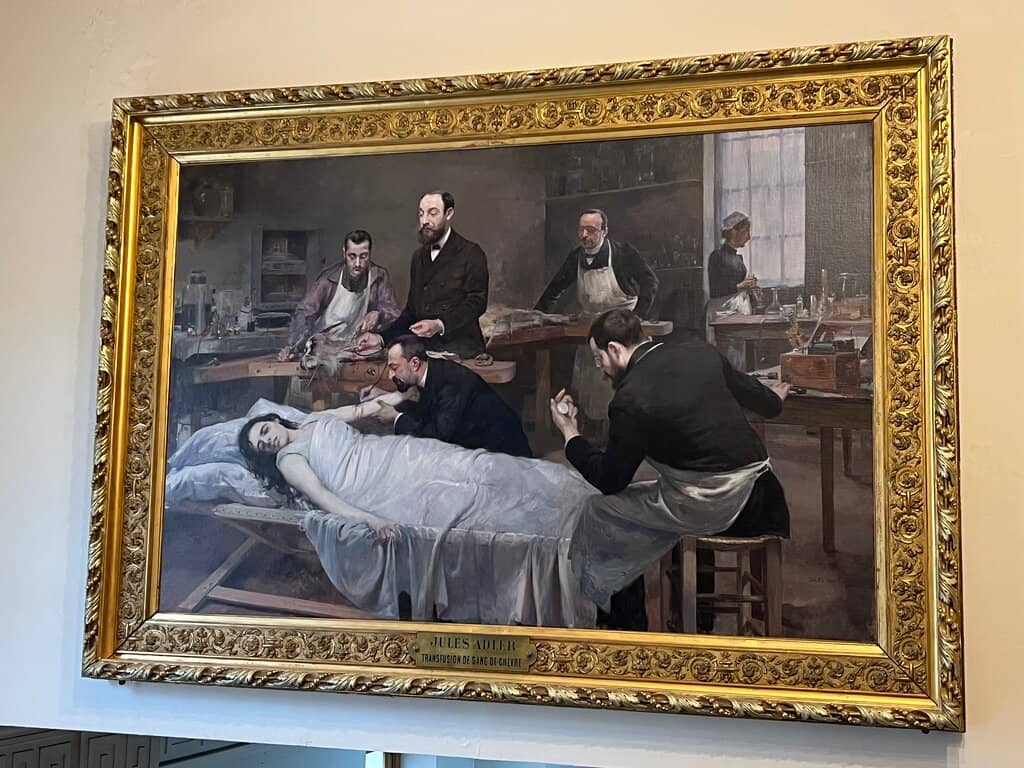
The museum showcases a vast collection of historical medical instruments, surgical tools from various eras, and artifacts related to the evolution of medicine. You'll see items that are both fascinating and a bit unsettling. +2
No, the exhibit explanations are primarily in French. Visitors who don't speak French may need to use a translation app to fully understand the displays.
A visit can take anywhere from 1 to 2 hours, depending on your interest in medical history and how much time you spend examining the exhibits.
The museum is relatively small and not as heavily visited as major Parisian attractions, so it's generally not overly crowded, especially on weekday afternoons.
The museum occasionally hosts special exhibitions, such as photography displays related to science and history. It's worth checking their website for current events.
📸 📸 Photography
Photography policies can vary. It's best to look for signs indicating whether photography is permitted. If allowed, it's usually for personal use only and without flash.
The museum's historic setting, with its 1905 architecture, offers a unique backdrop. The displays of intricate medical instruments also make for compelling, albeit sometimes eerie, photographs. +1
Flash photography is generally discouraged in museums to protect artifacts and for the comfort of other visitors. Always adhere to museum rules regarding flash.
The collection of surgical instruments, especially those from earlier centuries, and the unique display cases are often highlighted by visitors for their visual impact. +1
A smartphone with good low-light capabilities or a mirrorless camera would be ideal for capturing the details of the exhibits in the museum's often dimly lit historical setting.
Social
from TikTok, Instagram & Reddit