Musée Jacquemart-André Paris
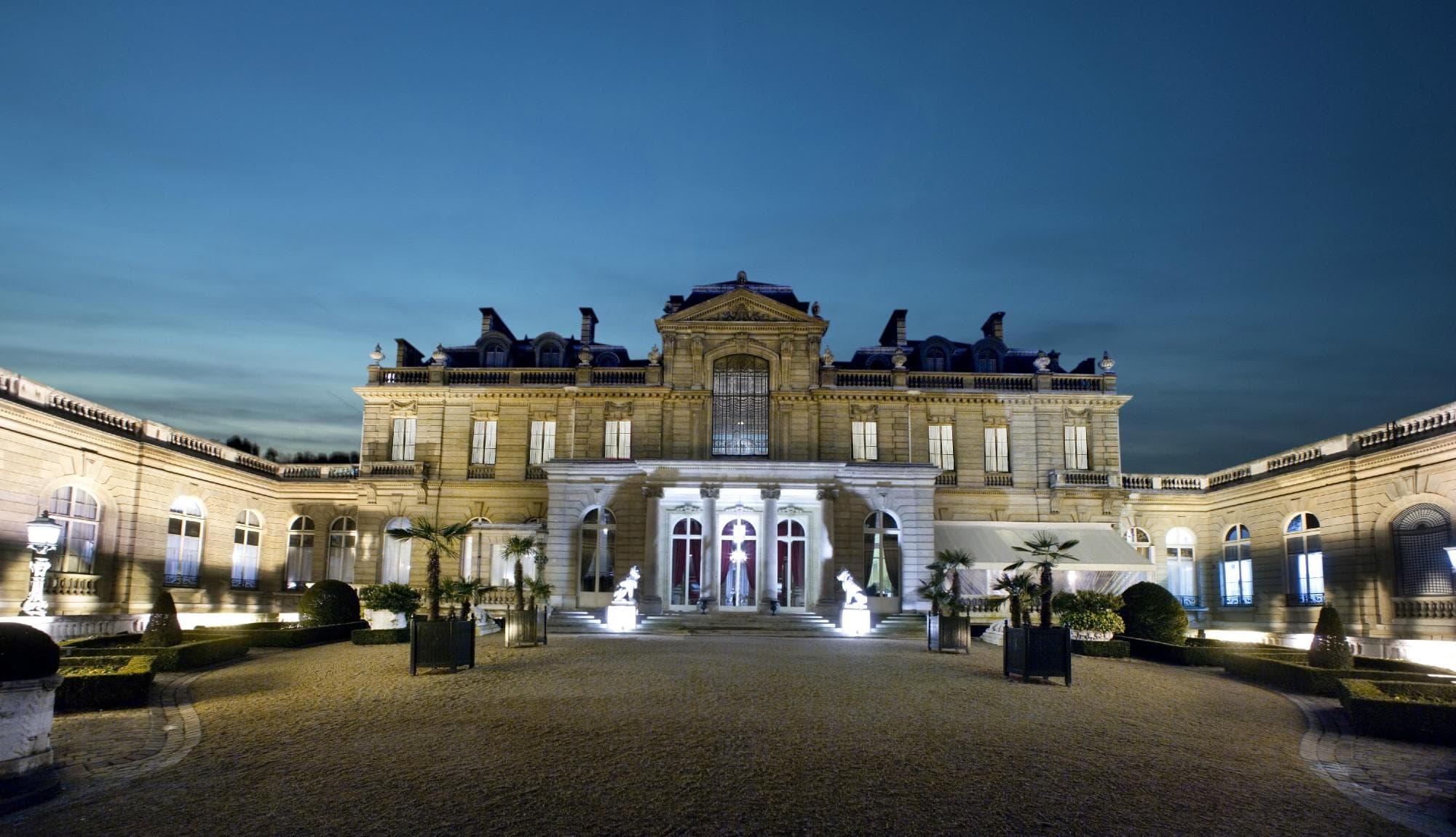
Step into a preserved 19th-century Parisian mansion to discover an exquisite collection of 15th-18th century European art, offering an intimate glimps...
Highlights
Must-see attractions

Social
From TikTok & Reddit
Best Time
Enjoy the museum with minimal crowds for a peaceful experience.
Musée Jacquemart-André Paris
Best Time
Enjoy the museum with minimal crowds for a peaceful experience.
Highlights
Must-see attractions
Step into a preserved 19th-century Parisian mansion to discover an exquisite collection of 15th-18th century European art, offering an intimate glimpse into aristocratic life and culture.
"An absolute must-visit and a true 'hidden gem' for art lovers seeking a tranquil Parisian experience."
🎟️ Book Tickets Online
Secure your entry and save time by purchasing tickets in advance on the official Musée Jacquemart-André Paris website.
☕ Don't Miss the Café
The Café Jacquemart-André is a highlight itself; perfect for a coffee or lunch in a grand setting.
Quick Facts
Hours
Rating
4.5 · 10,148 reviews
Type
Museum
Highlights
Discover the most iconic attractions and experiences
The Grand State Apartments
Ground Floor
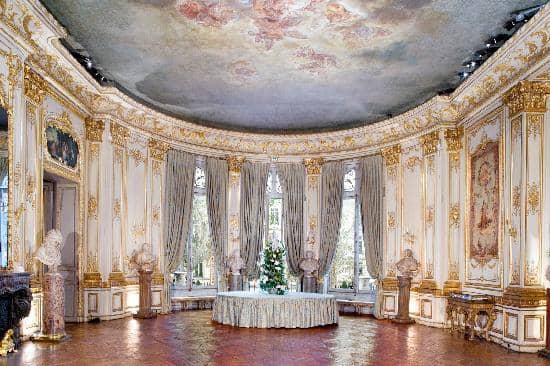
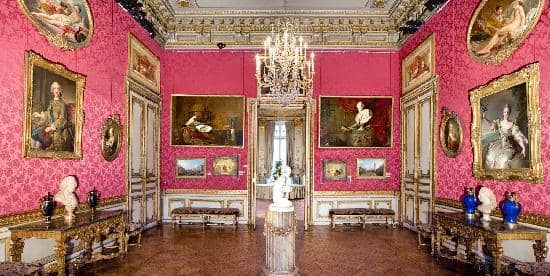
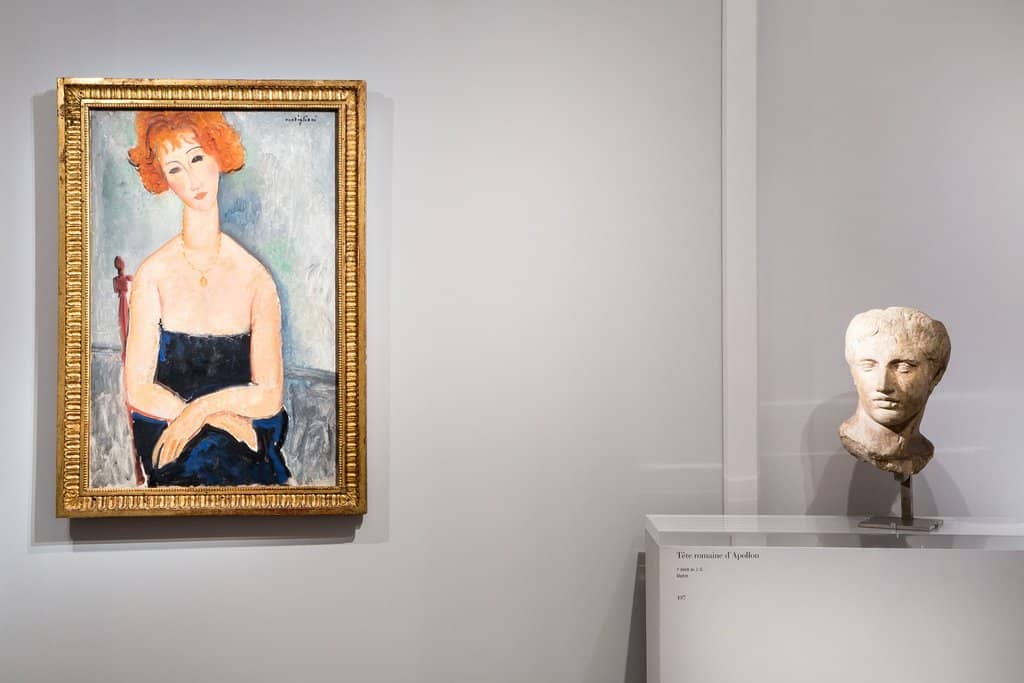
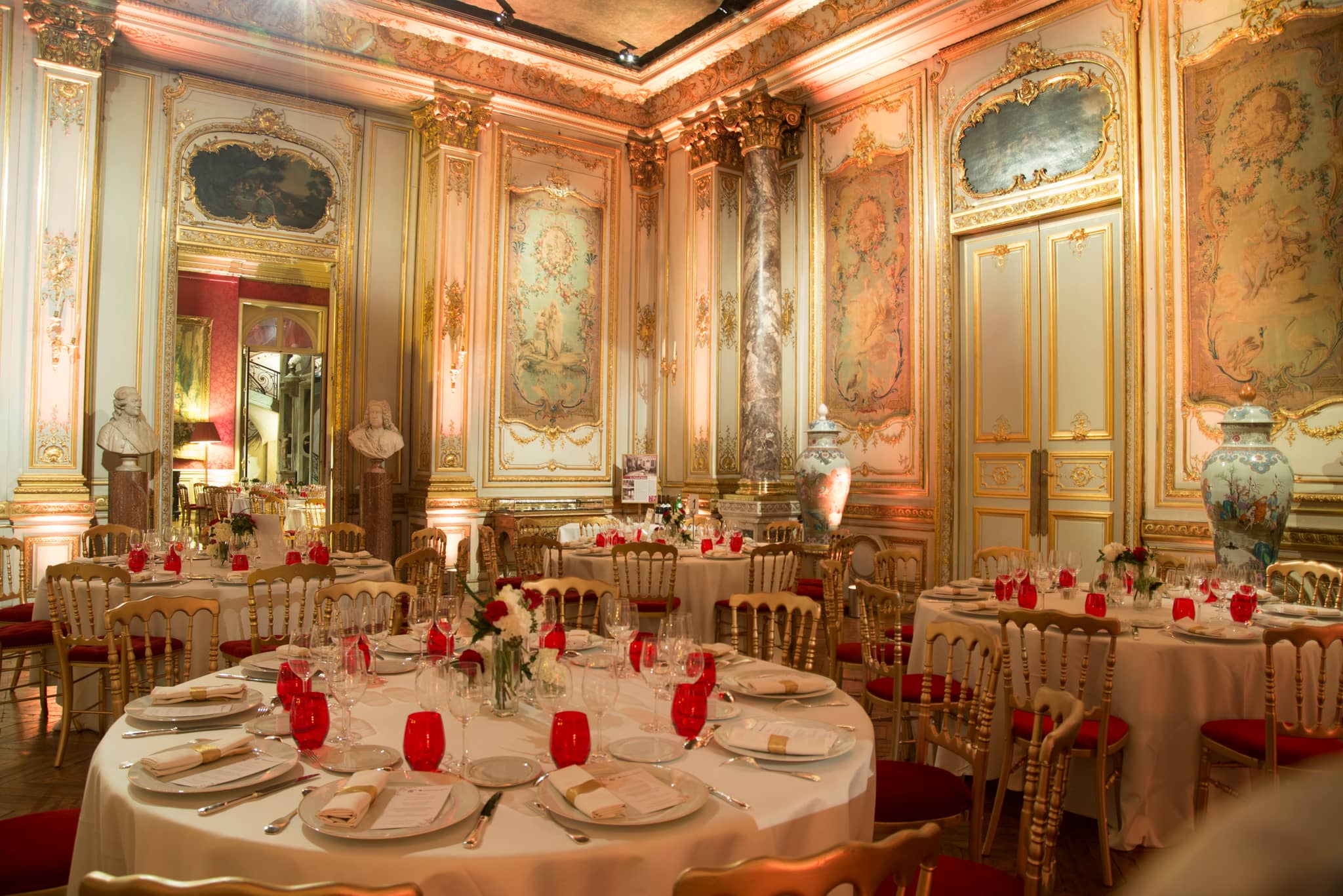
Marvel at the opulent reception rooms, dining hall, and music room, showcasing the lavish lifestyle of the Jacquemart-André couple.
The Italian Museum & Winter Garden
First Floor
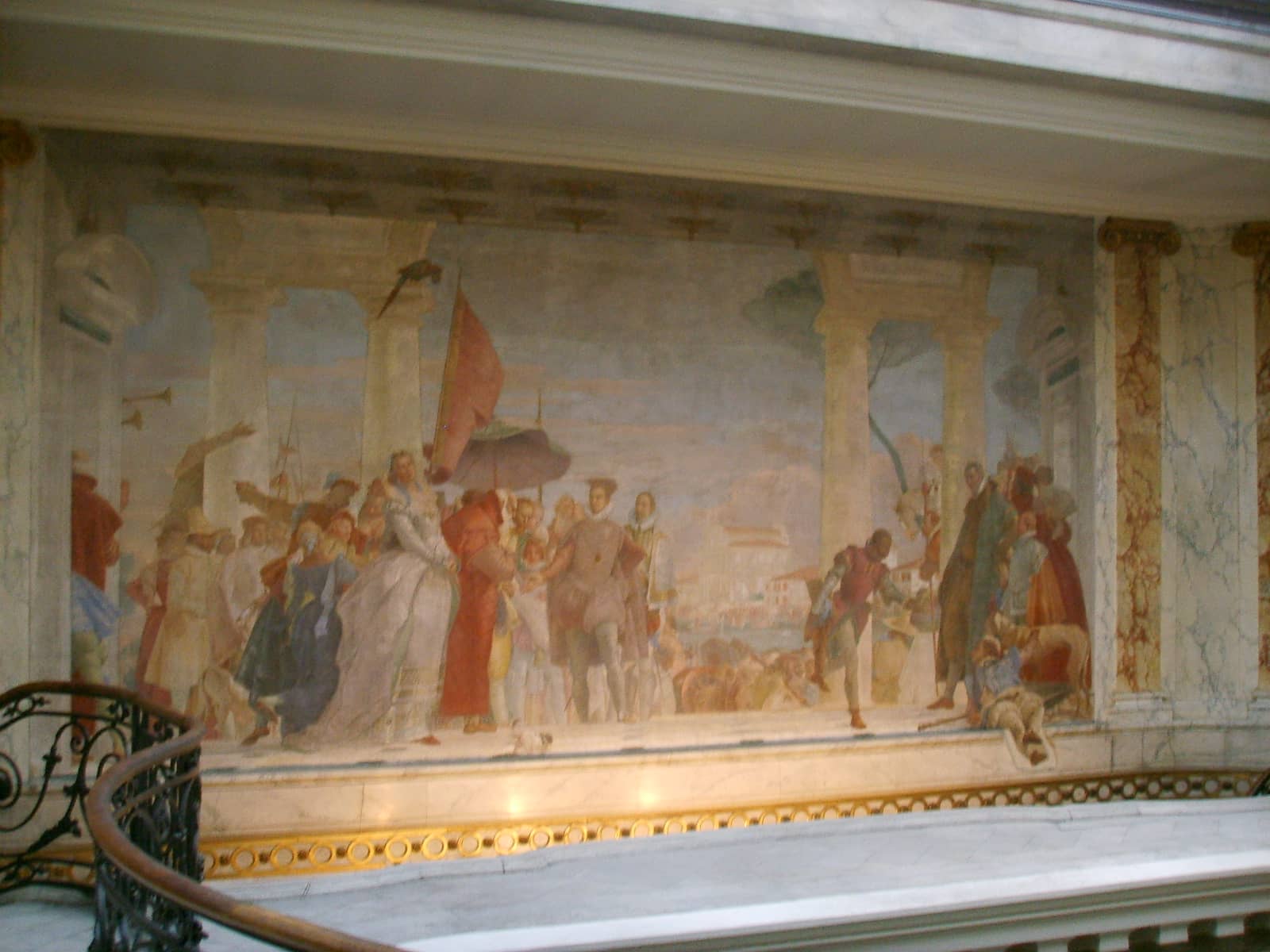
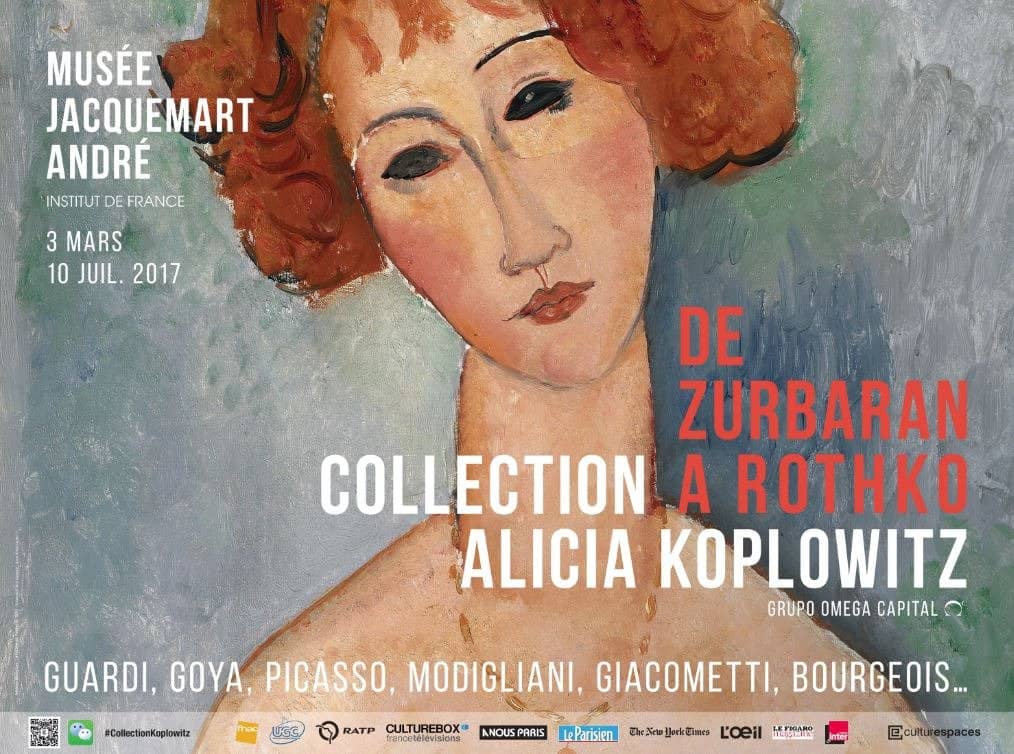
Discover a stunning collection of Italian Renaissance art, including works by Botticelli, and relax in the breathtaking Winter Garden.
The Private Apartments & Studio
First Floor
Explore the more intimate living spaces and the artist's studio, offering a personal insight into the couple's daily lives.
Café Jacquemart-André
Former Dining Room
Enjoy a delightful meal or afternoon tea in one of Paris's most beautiful museum cafés, set in the mansion's former dining room.
Plans like a pro.
Thinks like you
Planning Your Visit
Escape the Crowds for an Intimate Experience
Plan for a Deep Dive into 19th-Century Grandeur
Best Times
Insider Tips
from TikTok, Instagram & Reddit
🎟️ Book Tickets Online
Secure your entry and save time by purchasing tickets in advance on the official Musée Jacquemart-André Paris website.
☕ Don't Miss the Café
The Café Jacquemart-André is a highlight itself; perfect for a coffee or lunch in a grand setting.
🚶♀️ Explore Nearby
The museum is near Parc Monceau and the Champs-Élysées, ideal for combining activities.
📸 Photography Allowed
Capture the stunning interiors and art (without flash) for personal memories.
Tips
from all over the internet
🎟️ Book Tickets Online
Secure your entry and save time by purchasing tickets in advance on the official Musée Jacquemart-André Paris website.
☕ Don't Miss the Café
The Café Jacquemart-André is a highlight itself; perfect for a coffee or lunch in a grand setting.
🚶♀️ Explore Nearby
The museum is near Parc Monceau and the Champs-Élysées, ideal for combining activities.
📸 Photography Allowed
Capture the stunning interiors and art (without flash) for personal memories.
🎧 Grab an Audio Guide
Enhance your visit with detailed insights into the art and the mansion's history.
What Travellers Say
Reviews Summary
Visitors consistently praise the Musée Jacquemart-André for its stunning beauty, intimate atmosphere, and exquisite art collection. Many appreciate it as a less crowded alternative to major Parisian museums, offering a peaceful and enriching cultural experience. The on-site café is also frequently highlighted as a delightful part of the visit.
"It was a challenge to appreciate much of this gorgeous private mansion with the crush of people and the rushed lines!
It is a beautiful mansion, Hotel Particular, so decadently renovated. I enjoyed this the most! More than the art, more than the treasures on display, more than the restaurant.
Perhaps I will try again…first thing in the morning.
One this is for sure - buy a timed ticket!"
Ruchika
"Great place with elegant architecture and amazing art. It was a glimpse into the life of the aristocratic life style.
Highly recommended if you want to slightly get away from busiest tourist attractions."
M.G Grosu
"History of my ancestors living at this time in Paris was affirming for me. Can get crowded but worth a trip inside!"
chriztopher
What People Like
What People Dislike
Frequently Asked Questions
🚇 🗺️ Getting There
The Musée Jacquemart-André is conveniently located in the 8th arrondissement. You can reach it via Metro Line 9 (Saint-Augustin, Miromesnil) or Line 13 (Miromesnil). Several bus lines also stop nearby, making it easily accessible from various parts of Paris.
While street parking can be challenging in central Paris, there are several paid underground parking garages in the vicinity, such as Parking Bergson or Parking Haussmann, within a short walking distance of the museum.
The museum is a pleasant walk from the Champs-Élysées and Arc de Triomphe (about 15-20 minutes) and a short metro ride from the Louvre or Eiffel Tower. Its central location makes it easy to integrate into your Paris itinerary.
While possible, it's a longer walk (around 30-40 minutes). Many visitors prefer to take the metro or a bus to save time and energy, especially if planning to explore the museum extensively.
Yes, the 8th arrondissement is a very upscale and safe area of Paris, known for its elegant boulevards, luxury shops, and grand architecture. It's a pleasant neighborhood for walking and exploring.
🎫 🎫 Tickets & Entry
Standard adult tickets typically range from €15-€18, with reduced rates for students, children, and specific groups. Prices may vary for temporary exhibitions, so it's always best to check the official website for the most current information and to book your tickets online in advance.
While not always strictly necessary, booking your tickets online in advance is highly recommended, especially during peak season or for popular temporary exhibitions. This ensures your entry and helps you avoid any potential queues at the entrance.
The museum does not typically offer free entry days for the general public. However, specific discounts may apply for Paris Museum Pass holders, ICOM cardholders, or certain age groups. Always verify eligibility on their official site.
The museum is generally open daily from 10:00 AM to 6:00 PM, with extended hours on certain evenings for temporary exhibitions. It's advisable to confirm the exact opening hours on their official website before your visit, as they can change.
Yes, the Musée Jacquemart-André is usually included in the Paris Museum Pass, offering pass holders free entry. This can be a great way to save money if you plan to visit multiple museums during your trip to Paris.
🎫 🧭 Onsite Experience
The museum houses an impressive collection of 15th to 18th-century European art, including Italian Renaissance masterpieces, Dutch and Flemish paintings, and French 18th-century works. You'll find pieces by artists like Botticelli, Rembrandt, Van Dyck, and Chardin, alongside exquisite decorative arts.
Most visitors spend between 1.5 to 3 hours exploring the museum. This allows ample time to appreciate both the art collection and the stunning architecture of the mansion, including a stop at the famous Café Jacquemart-André.
The museum strives to be accessible. While the historic nature of the building presents some challenges, elevators are available to access different floors. It's recommended to contact the museum directly in advance to discuss specific accessibility needs.
Yes, photography without flash is generally permitted for personal use throughout the permanent collection. However, restrictions may apply to temporary exhibitions, so always look for signage or ask staff if unsure.
The museum offers audio guides in several languages, which are highly recommended for a deeper understanding of the collection and the mansion's history. Group tours with a guide can also be arranged by reservation.
🎫 🖼️ Art & History Deep Dive
Nélie Jacquemart was a renowned portrait painter, and Édouard André was a wealthy banker and art collector. Their shared passion for art led them to amass the extraordinary collection housed in their private mansion, which they bequeathed to the Institut de France.
The mansion itself is a masterpiece of 19th-century Parisian architecture, designed by Henri Parent. It features grand reception rooms, a stunning winter garden, and a magnificent staircase, all reflecting the opulent tastes of the Second Empire.
Absolutely! The Italian Museum boasts works by Botticelli, Donatello, and Mantegna. The French 18th-century collection includes pieces by Fragonard and Chardin. The museum also hosts notable temporary exhibitions, which have featured artists like Fuseli and Hammershøi, attracting specific art enthusiasts to Paris.
The Winter Garden is a stunning architectural feature, originally designed to host lavish receptions. Its glass roof and lush greenery create a beautiful, light-filled space that connects different parts of the mansion and offers a tranquil spot for visitors.
The permanent collection primarily focuses on European art from the 15th to the 18th centuries, with a strong emphasis on Italian Renaissance, Dutch Golden Age, and French 18th-century painting and decorative arts. This specific focus allows for a cohesive and in-depth exploration of these periods.




Social
from TikTok, Instagram & Reddit