
Route des Châteaux D2
A picturesque drive through Bordeaux's renowned wine region, dotted with magnificent châteaux and rolling vineyards.

Highlights
Must-see attractions

Social
From TikTok & Reddit
Best Time
Blooming landscapes, fewer crowds
Route des Châteaux D2
Best Time
Blooming landscapes, fewer crowds
Highlights
Must-see attractions
A picturesque drive through Bordeaux's renowned wine region, dotted with magnificent châteaux and rolling vineyards.

🚗 Drive or Cycle?
Driving is easiest, but cycling offers a more intimate experience of the vineyards and villages. :athletic_shoe:
🍷 Wine Tasting Stops
Many châteaux offer wine tastings. Check opening hours and book in advance if possible. :wine_glass:

Quick Facts
Type
Intersection
Highlights
Discover the most iconic attractions and experiences
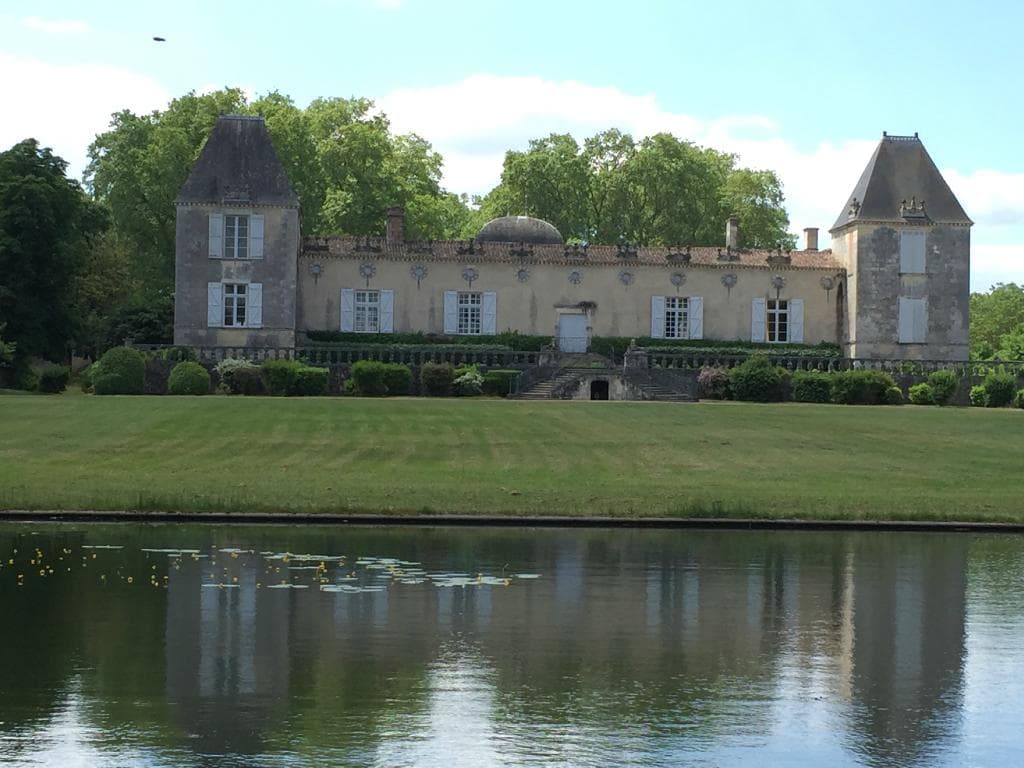
Château de La Brède
La Brède
Historic château, birthplace of Montesquieu, surrounded by a moat and park.

Château de Roquetaillade
Mazères
Impressive medieval fortress with five towers and a rich history.

Château de Cazeneuve
Sadirac
A charming château with beautiful gardens and a history tied to Henry IV.
Plans like a pro.
Thinks like you
Planning Your Visit
Plan Your Scenic Drive
Best Way to Experience the Route
Best Times
Insider Tips
from TikTok, Instagram & Reddit
🚗 Drive or Cycle?
Driving is easiest, but cycling offers a more intimate experience of the vineyards and villages. :athletic_shoe:
🍷 Wine Tasting Stops
Many châteaux offer wine tastings. Check opening hours and book in advance if possible. :wine_glass:
🗺️ Download Offline Maps
Cell service can be spotty. Download offline maps for navigation. :iphone:
🕰️ Check Opening Hours
Château visiting hours vary. Confirm before you go to avoid disappointment. 🎟️
Tips
from all over the internet
🚗 Drive or Cycle?
Driving is easiest, but cycling offers a more intimate experience of the vineyards and villages. :athletic_shoe:
🍷 Wine Tasting Stops
Many châteaux offer wine tastings. Check opening hours and book in advance if possible. :wine_glass:
🗺️ Download Offline Maps
Cell service can be spotty. Download offline maps for navigation. :iphone:
🕰️ Check Opening Hours
Château visiting hours vary. Confirm before you go to avoid disappointment. 🎟️
What Travellers Say
Reviews Summary
Visitors rave about the stunning vineyard landscapes and the impressive architecture of the châteaux along the Route des Châteaux D2. The opportunity for wine tasting and exploring historical estates is a major highlight. Some find the route can be a bit spread out, requiring significant driving time between stops.
What People Like
What People Dislike
Frequently Asked Questions
🚇 🗺️ Getting There
The Route des Châteaux D2 is best accessed by car from Bordeaux. It's a well-marked route, often referred to as the 'Route des Vins de Graves'. Consider renting a car in Bordeaux for flexibility. Public transport options are limited along the route itself.
Yes, it's definitely possible to do a day trip from Bordeaux. You can focus on a few key châteaux and villages. However, to truly appreciate the region and its wines, an overnight stay is recommended.
Driving is the most common and convenient way to explore the Route des Châteaux D2. GPS or a good map app is essential. For a more active experience, cycling is also popular, with dedicated bike paths in some areas.
Yes, several tour operators in Bordeaux offer guided day trips or multi-day tours that cover the Route des Châteaux D2, often including wine tastings and château visits. This can be a good option if you prefer not to drive.
Key towns and villages along the route include La Brède, Martillac, Léognan, Pessac, and Talence, each offering its own charm and access to various châteaux and vineyards.
🎫 🎫 Tickets & Entry
For many châteaux, especially smaller ones, you can purchase tickets upon arrival. However, for popular estates or specific tours, booking in advance is highly recommended, particularly during peak tourist seasons.
Entrance fees vary significantly. Some châteaux offer free grounds access, while guided tours and wine tastings can range from €10 to €50 or more per person, depending on the estate and inclusions.
While most châteaux have an entry fee for tours, simply driving the route and enjoying the vineyard landscapes is free. Some villages may have free historical sites or churches to visit.
Opening hours differ greatly between châteaux and are often seasonal. Many are open daily during the summer months but may have reduced hours or be closed on Mondays or during winter. Always check the official website before your visit.
Some estates allow visits to their vineyards or offer specific vineyard tours. Wine tasting sessions often take place in dedicated tasting rooms, providing an opportunity to experience the wine production firsthand.
🎫 🧭 Onsite Experience
The best way is to drive or cycle, stopping at various châteaux for tours and wine tastings. Allow at least a full day, or ideally two, to explore at a relaxed pace and soak in the scenery.
Comfortable walking shoes are a must, as you'll be exploring grounds and potentially uneven terrain. Smart casual attire is suitable for château visits and wine tastings. Layers are advisable as weather can change.
Absolutely! The Route des Châteaux D2 is incredibly picturesque. Vineyards stretching to the horizon, grand châteaux, and charming villages offer endless photo opportunities. Golden hour is particularly magical.
You can explore charming local villages, enjoy picnics amidst the vineyards, cycle through the countryside, and of course, indulge in wine tasting at numerous estates. Some châteaux also host events or concerts.
Accessibility varies greatly by château. Some have modern facilities, while historic buildings may present challenges. It's best to contact individual châteaux in advance to inquire about their specific accessibility features.
🍽️ 🍽️ Food & Dining
You'll find charming bistros and restaurants in the villages along the route, offering local specialties. Many châteaux also have on-site restaurants or offer picnic baskets for enjoying amidst the vineyards.
Expect classic French cuisine with a focus on regional ingredients. Dishes often feature duck, lamb, and fresh produce, paired with the excellent local wines. Look for charcuterie and cheese platters.
Yes, the scenic vineyards provide numerous beautiful spots for picnics. Many châteaux sell picnic baskets, or you can pick up supplies from local markets in the towns. Remember to check if alcohol consumption is permitted.
While traditional French cuisine can be meat-heavy, many restaurants are increasingly offering vegetarian and vegan options. It's advisable to check menus online or inform your server of dietary needs.
The Route des Châteaux D2 is part of the Graves and Pessac-Léognan appellations, famous for their red wines (Cabernet Sauvignon and Merlot blends) and dry white wines (Sauvignon Blanc and Sémillon blends).
📸 📸 Photography
Everywhere! The rolling vineyards, grand château architecture, and charming village streets offer endless photographic opportunities. Look for viewpoints overlooking the vineyards, especially during sunrise or sunset.
Golden hour – shortly after sunrise and before sunset – offers the most beautiful light for photography, casting a warm glow on the landscapes and buildings. Midday can be harsh, but good for capturing architectural details.
Drone regulations can be strict in France, especially near private properties and historical sites. Always check local regulations and obtain necessary permissions before flying a drone. Many châteaux prohibit drone use.
A versatile lens (like a 24-70mm) is great for landscapes and details. A wide-angle lens can capture the vastness of the vineyards, and a telephoto lens can be useful for isolating château features. Don't forget a tripod for low-light shots.
Photography policies vary by château. Some allow photos without flash, while others prohibit it entirely, especially in certain rooms or during guided tours. Always look for signage or ask staff.


Social
from TikTok, Instagram & Reddit