Ploërmel Astronomical Clock
A 19th-century marvel with 200 brass cogwheels, displaying time, moon phases, and planetary movements.
Highlights
Must-see attractions

Social
From TikTok & Reddit
Best Time
Fewer crowds, better viewing
Ploërmel Astronomical Clock
Best Time
Fewer crowds, better viewing
Highlights
Must-see attractions
A 19th-century marvel with 200 brass cogwheels, displaying time, moon phases, and planetary movements.
"Truly impressive astrological clock in a nice setting, well worth watching the video too."
🎯 Watch the Video First
The video display in multiple languages is key to understanding this complex clock. Don't miss it!
📍 Seek Out the Guide
A kind guide can offer a charming and insightful experience, making the visit truly special.

Highlights
Discover the most iconic attractions and experiences
The Astronomical Dial
Main dial
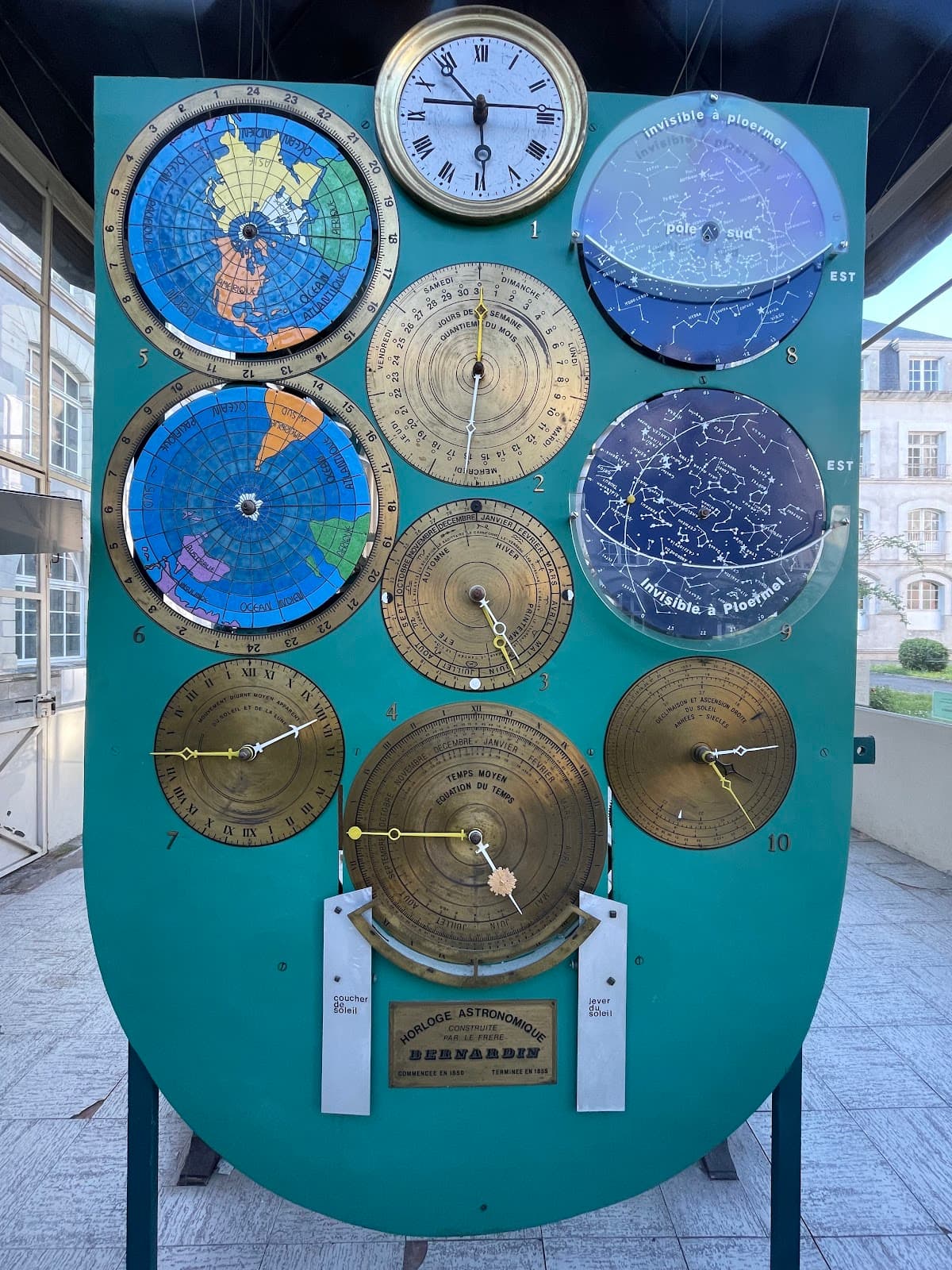
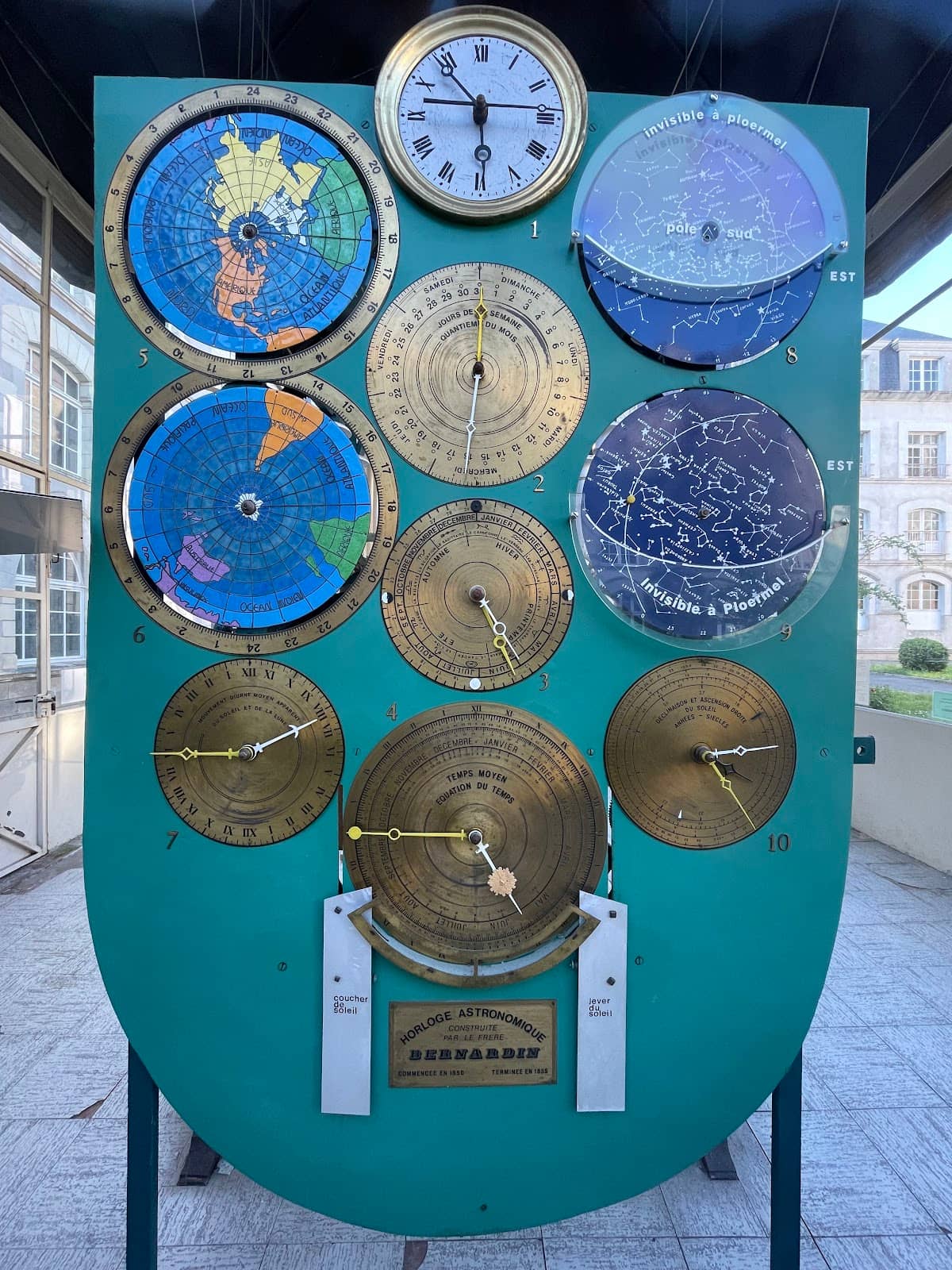
Witness a 19th-century marvel with 200 brass cogwheels, displaying time, moon phases, and planetary movements.
The Calendar Dial
Lower dial
Chart the centuries and observe the clever display of sunrise and sunset times.
The Orrery
Central mechanism
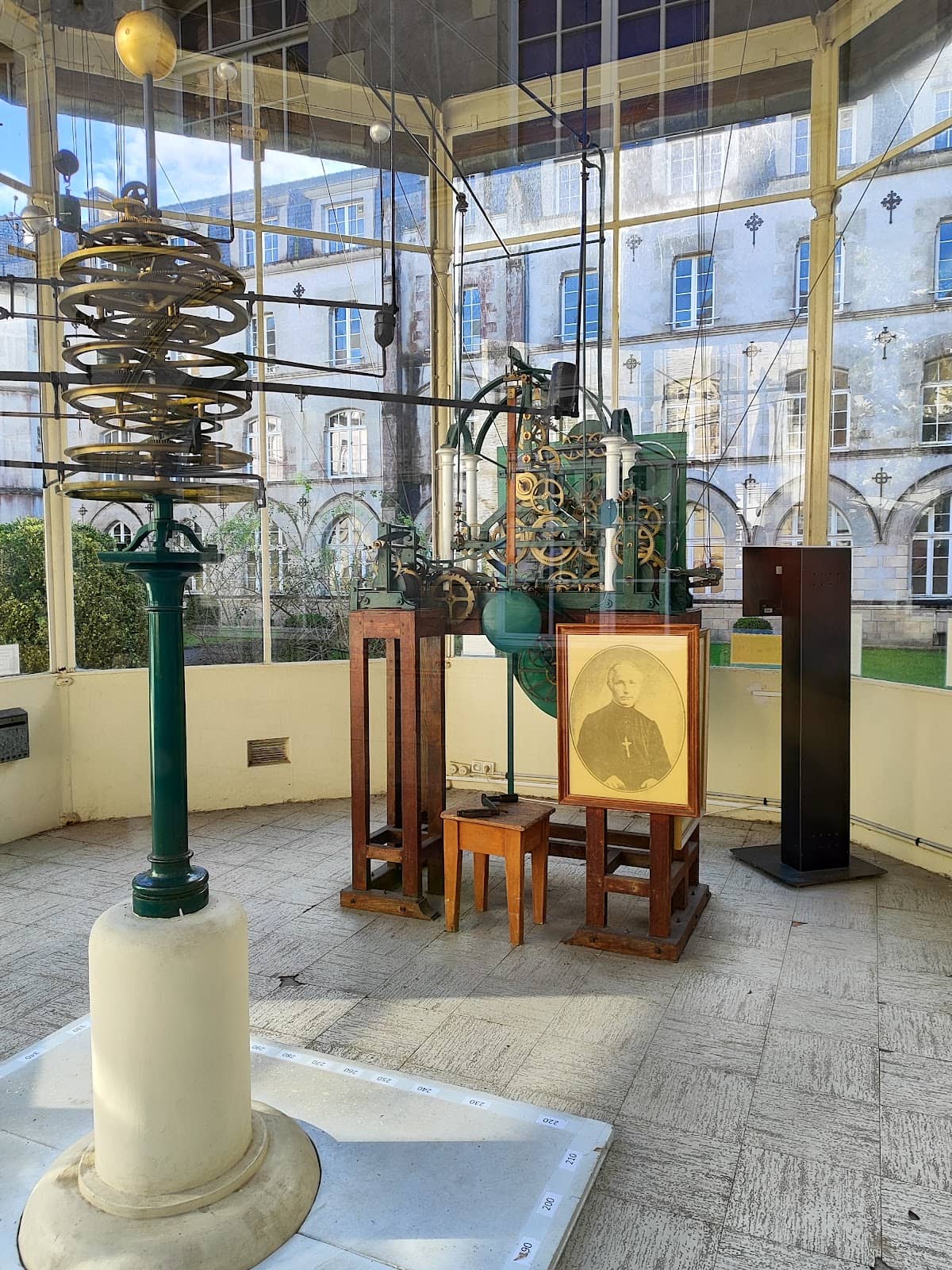
A fascinating model of the solar system, though it predates the discovery of Neptune.
Plans like a pro.
Thinks like you
Planning Your Visit
Timing is Everything
Unlock the Clock's Secrets
Best Times
Insider Tips
from TikTok, Instagram & Reddit
🎯 Watch the Video First
The video display in multiple languages is key to understanding this complex clock. Don't miss it!
📍 Seek Out the Guide
A kind guide can offer a charming and insightful experience, making the visit truly special.
✨ It's Worth the Search
It might be a bit tricky to find, but the unique mechanism makes it a highly rewarding visit.
🕰️ Appreciate the Engineering
Marvel at the 200 brass cogwheels and the ingenuity of a monk's 'spare time' creation.
Tips
from all over the internet
🎯 Watch the Video First
The video display in multiple languages is key to understanding this complex clock. Don't miss it!
📍 Seek Out the Guide
A kind guide can offer a charming and insightful experience, making the visit truly special.
✨ It's Worth the Search
It might be a bit tricky to find, but the unique mechanism makes it a highly rewarding visit.
🕰️ Appreciate the Engineering
Marvel at the 200 brass cogwheels and the ingenuity of a monk's 'spare time' creation.
What Travellers Say
Reviews Summary
Visitors consistently praise the Ploërmel Astronomical Clock as an impressive and unique achievement, highlighting its intricate mechanism and historical significance. Many appreciate the informative video presentations and the kindness of guides who enhance the experience. While sometimes tricky to find, the reward is a fascinating glimpse into medieval and 19th-century horology.
"This is an amazing achievement. The mechanism to display the time, moon phase, move planets in a miniature universe is quite something!"
Mark Edwards
"We visited the Horlage Astronomique and would have been happy to read the available information leaflets. However, a very kind guide invited us in to join a group of young students while he explained the history and workings of this masterpiece. It was a charming experience and we felt very welcome. Thank you for inviting us in."
Brendan McGrath
"Hard to find but very well worth it. The video in various languages is well worth watching"
Stephen Thomas
What People Like
What People Dislike
Frequently Asked Questions
🚇 🗺️ Getting There
The Ploërmel Astronomical Clock can be a bit elusive, but it's located in the town of Ploërmel, France. Look for signs directing you to the town center or the clock tower. It's a hidden gem that's well worth the search once you're there.
Parking is generally available in the town center of Ploërmel. It's advisable to look for public parking lots or street parking as you approach the clock's vicinity.
Yes, Ploërmel is a charming town that can be visited as a day trip, especially if you're exploring the Brittany region of France. The astronomical clock is a central attraction.
🎫 🎫 Tickets & Entry
Entry to view the Ploërmel Astronomical Clock itself is often free, as it's a public monument. However, there might be a small fee for specific exhibits or guided tours. It's best to check locally for the most current information.
The clock is a historical monument, so its exterior can be viewed at any time. For access to any internal exhibits or to watch the informative video, it's best to check the specific opening hours for the day of your visit, as these can vary.
While viewing the clock from the outside is typically free, accessing any accompanying museum or viewing the detailed video presentation might incur a small admission fee.
For general viewing of the clock, advance booking is usually not necessary. If there are specific guided tours or exhibitions, it might be beneficial to inquire about booking options.
🎫 🧭 Onsite Experience
The Ploërmel Astronomical Clock is a remarkable 19th-century clock featuring an intricate mechanism with 200 brass cogwheels. It displays time, moon phases, planetary movements, and includes a calendar dial showing sunrise and sunset.
Engineered by a mathematically inclined monk in his spare time, the clock is a testament to ingenious craftsmanship. It was created in the 19th century and represents a fascinating blend of art and science.
Don't miss the main astronomical dial with its planetary movements and the calendar dial. The orrery, a model of the solar system, is also a highlight, though it predates the discovery of Neptune.
Yes, there is a well-worth-watching video display with descriptions available in five languages, which greatly enhances understanding of the clock's functions.
Information on accessibility can vary. It's recommended to contact the local tourist office or the site directly to inquire about specific accessibility features for visitors with disabilities.
📸 📸 Photography
Photography is generally permitted for personal use when viewing the exterior of the clock. If there are indoor exhibits or specific viewing areas, check for any signage regarding photography restrictions.
Early mornings or late afternoons can offer softer lighting for photography. Visiting during off-peak hours also ensures you can capture clear shots without too many people in the frame.
Experiment with different angles to capture the full scope of the clock, including its various dials and the surrounding architecture. Close-ups of the intricate gears can also be very striking.
For Different Travelers
Tailored advice for your travel style
👨👩👧 Families with Kids
Encourage kids to spot the different celestial bodies and try to understand the concept of sunrise and sunset times on the calendar dial. It's a fantastic opportunity to spark curiosity about astronomy and history in a fun, accessible way. Visiting during less crowded times, like weekday mornings, will allow children to observe the clock's movements more easily.
🤓 History & Science Buffs
Pay close attention to the orrery and the intricate details of the astronomical and calendar dials. The story behind its creation, a testament to ingenuity and passion, adds a rich layer to its historical significance. Watching the accompanying video is highly recommended to fully appreciate the scientific principles at play.
Deep Dives
In-depth insights and expert knowledge
The Ingenuity of the Monk
This clock is more than just a timekeeper; it's a miniature universe. It displays not only the standard time but also the phases of the moon and the movements of the planets. The inclusion of a calendar dial that cleverly shows sunrise and sunset times further highlights the advanced understanding of celestial mechanics at the time of its creation.
While it functions as an orrery, showcasing the solar system, it's noted that it predates the discovery of Neptune. This detail doesn't diminish its historical significance but rather places it within its specific scientific context. The clock's intricate design and the story behind its creation make it a fascinating piece of horological art and a must-see for history and science enthusiasts.
Understanding the Clock's Dials
Below the main dial, the calendar dial offers a different perspective on time. It's designed to chart the centuries and, quite ingeniously, displays the times of sunrise and sunset. This feature would have been incredibly valuable for daily life and agricultural planning in earlier eras. The presence of an orrery, a mechanical model of the solar system, further adds to the clock's educational and scientific value, offering a visual representation of planetary orbits.
These dials collectively represent a sophisticated understanding of astronomy and timekeeping for their era. The video presentation available on-site, often in multiple languages, is highly recommended for visitors to fully grasp the complex interplay of these components and the genius behind their design.



Social
from TikTok, Instagram & Reddit