Saint-Guilhem-le-Désert
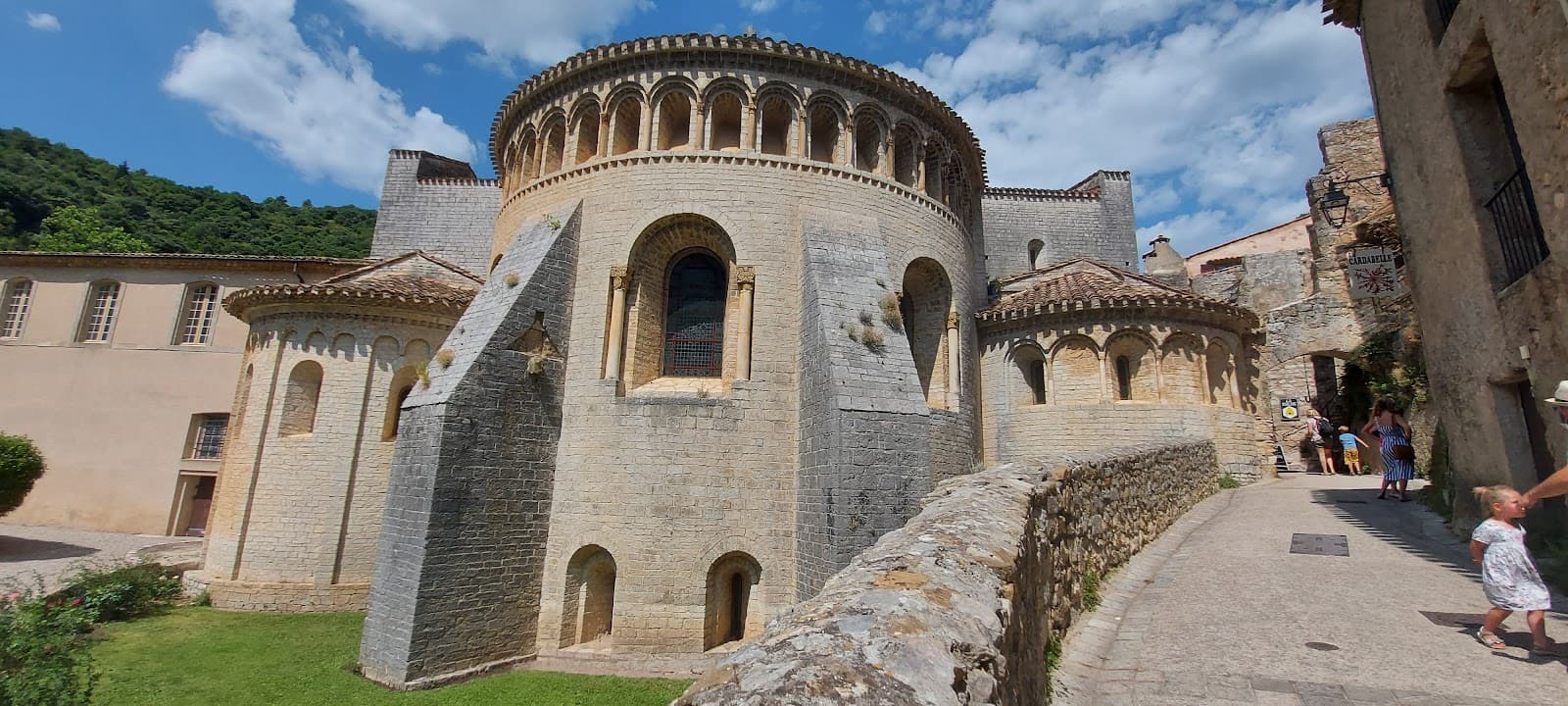
A breathtaking medieval village, Saint-Guilhem-le-Désert is a jewel of France, offering ancient abbeys, charming streets, and stunning natural gorges.

Highlights
Must-see attractions

Social
From TikTok & Reddit
Best Time
Pleasant weather, fewer crowds
Saint-Guilhem-le-Désert
Best Time
Pleasant weather, fewer crowds
Highlights
Must-see attractions
A breathtaking medieval village, Saint-Guilhem-le-Désert is a jewel of France, offering ancient abbeys, charming streets, and stunning natural gorges.
👟 Wear Comfortable Shoes
Cobblestone streets and inclines demand good footwear for exploring this beautiful village .
⏰ Arrive Early
Beat the crowds and enjoy the serene atmosphere of this 'plus beau village de France' .
Quick Facts
Highlights
Discover the most iconic attractions and experiences
Abbaye de Gellone
Village center
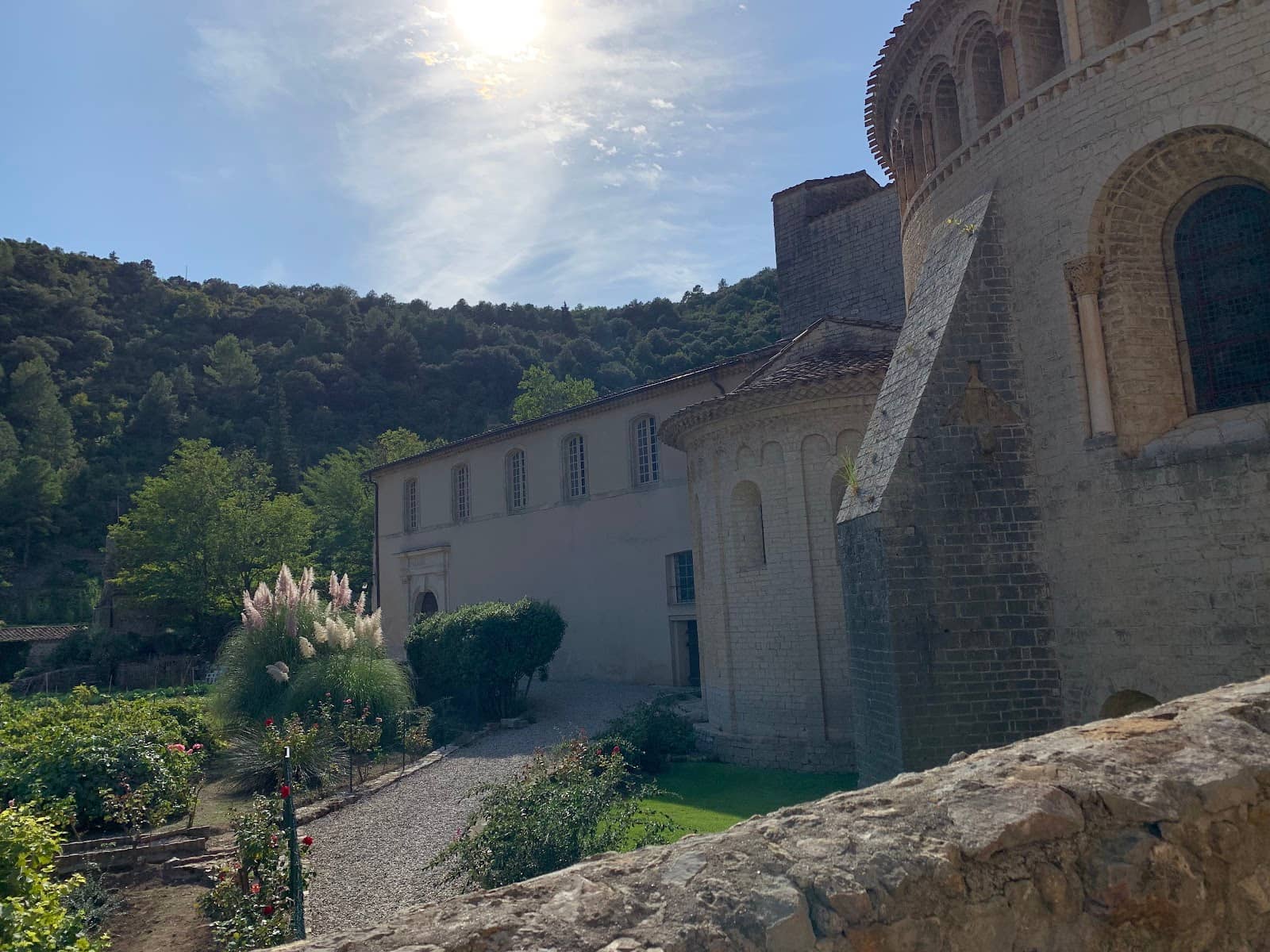
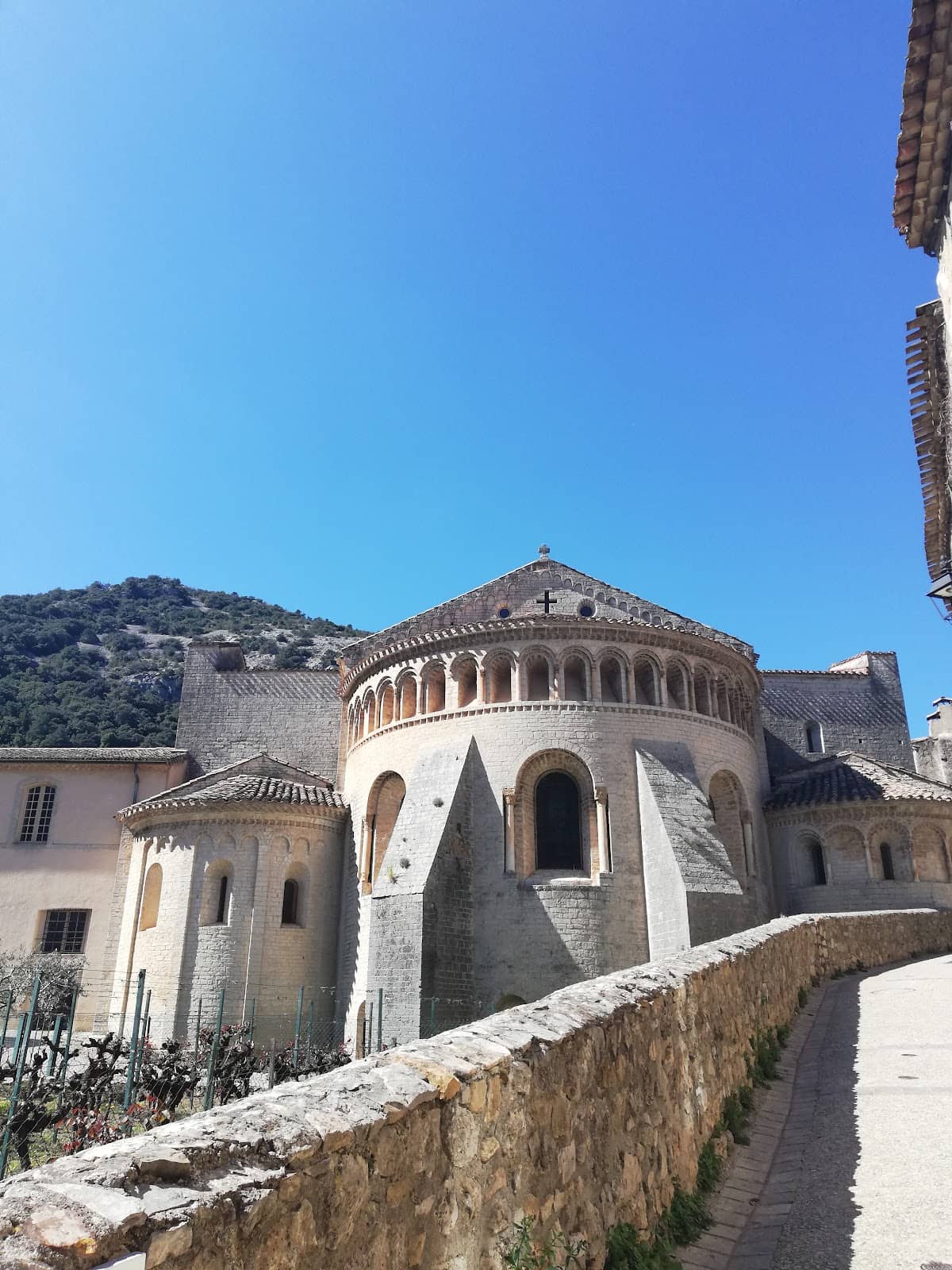
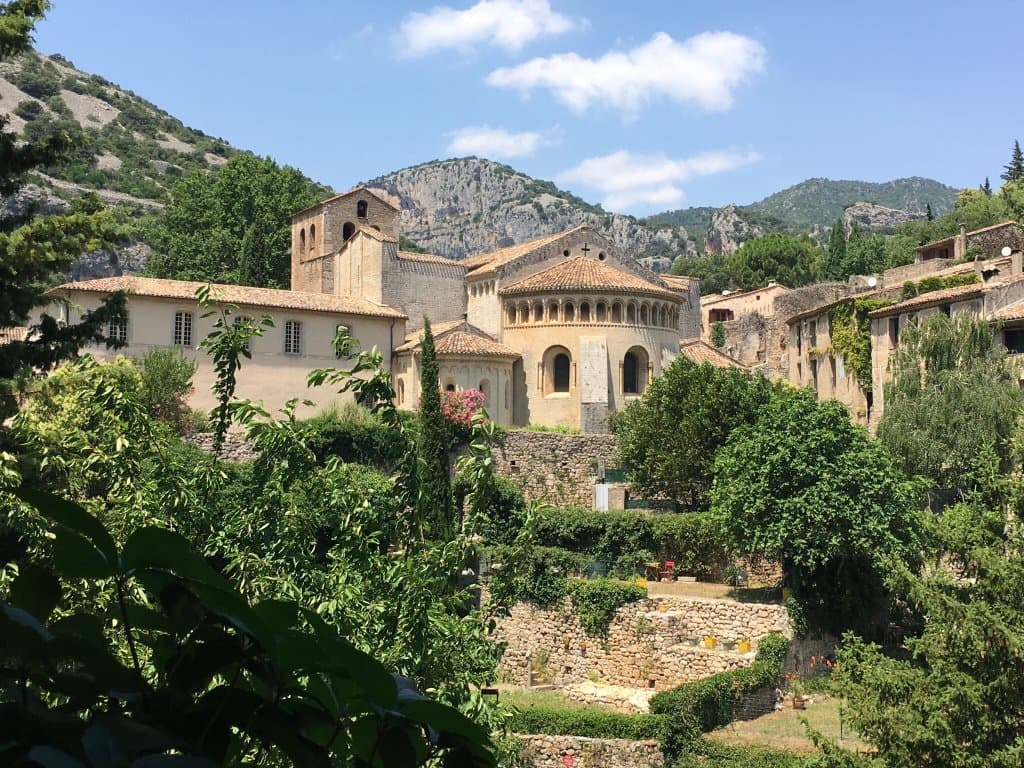
A stunning 9th-century abbey, a UNESCO World Heritage site, offering a glimpse into medieval religious life.
Pont du Diable
Hérault River
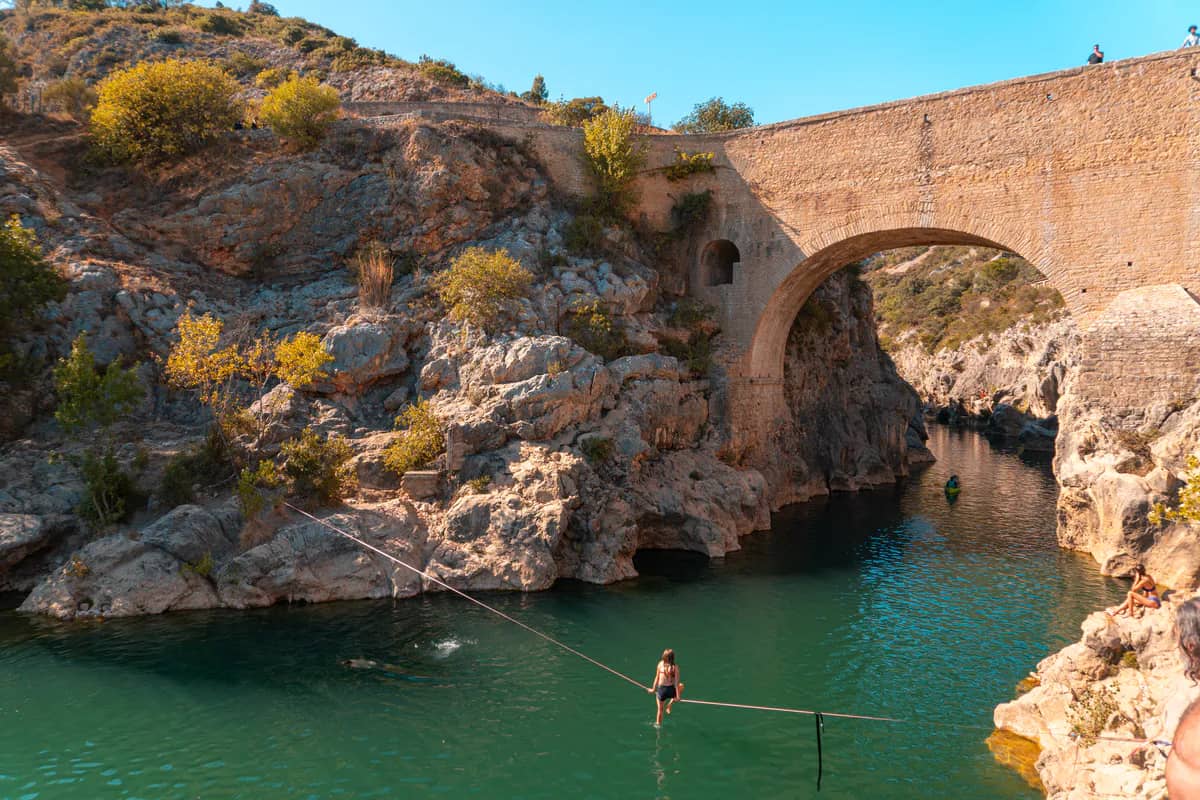
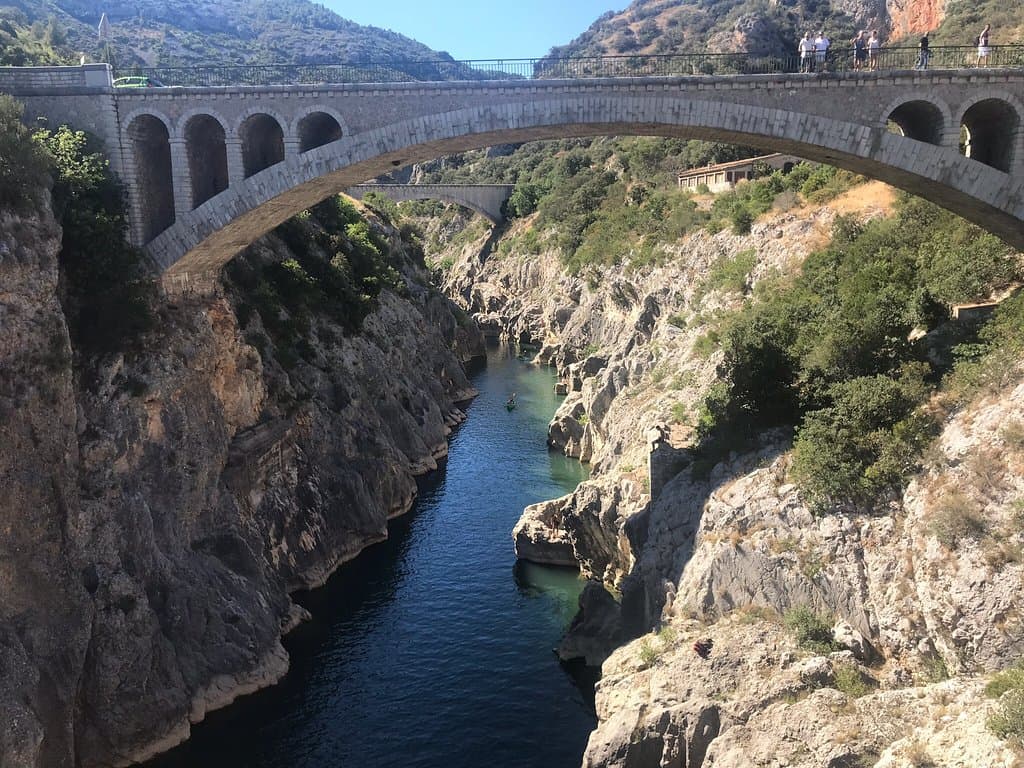
An ancient, dramatic bridge spanning the Hérault River, steeped in legend and offering scenic views.
Charming Medieval Streets
Throughout the village
Get lost in the labyrinthine, cobbled alleys lined with stone houses, artisan shops, and fragrant flowers .

Grotte de Clamouse
Near the village
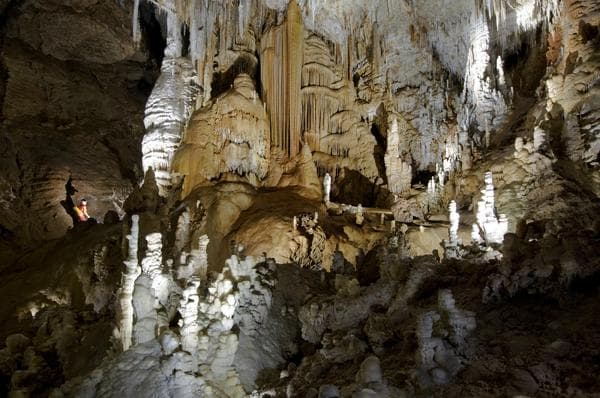
Explore a breathtaking underground world of stalactites and stalagmites in this impressive natural cave .
Plans like a pro.
Thinks like you
Planning Your Visit
Embrace the Medieval Charm
Plan for the Elements
Best Times
Insider Tips
from TikTok, Instagram & Reddit
👟 Wear Comfortable Shoes
Cobblestone streets and inclines demand good footwear for exploring this beautiful village.
⏰ Arrive Early
Beat the crowds and enjoy the serene atmosphere of this 'plus beau village de France'.
🛍️ Explore Artisan Shops
Discover unique local crafts and products in the charming boutiques lining the streets.
💧 Stay Hydrated
Especially in warmer months, carry water as you wander through the picturesque alleys.
Tips
from all over the internet
👟 Wear Comfortable Shoes
Cobblestone streets and inclines demand good footwear for exploring this beautiful village.
⏰ Arrive Early
Beat the crowds and enjoy the serene atmosphere of this 'plus beau village de France'.
🛍️ Explore Artisan Shops
Discover unique local crafts and products in the charming boutiques lining the streets.
💧 Stay Hydrated
Especially in warmer months, carry water as you wander through the picturesque alleys.
🚗 Parking Strategy
Utilize designated parking areas outside the village center to preserve its pedestrian charm.
What Travellers Say
Reviews Summary
Visitors consistently praise Saint-Guilhem-le-Désert for its breathtaking medieval beauty and authentic atmosphere, often calling it one of France's most beautiful villages. The historical sites like the abbey and the charming streets are major highlights. Some find it can get crowded during peak times, and parking requires a short walk into the village.
What People Like
What People Dislike
Frequently Asked Questions
🚇 🗺️ Getting There
Saint-Guilhem-le-Désert is about a 40-minute drive from Montpellier.
While possible, it's less convenient. Local bus services might connect to nearby towns, but direct routes from major cities are scarce. Renting a car or joining a guided tour from Montpellier is often the easiest way to visit.
There are several parking lots available on the outskirts of the village. It's best to park in these designated areas and walk into the village to preserve its pedestrian-friendly atmosphere.
Absolutely! It's a perfect day trip destination from Montpellier, offering a delightful escape into history and nature.
Yes, its location in the Hérault department makes it a scenic stop for road trips through the Occitanie region, especially if you're exploring the surrounding natural parks.
🎫 🎫 Tickets & Entry
The village itself is free to enter and explore. However, individual attractions like the Abbaye de Gellone or the Grotte de Clamouse have their own admission fees.
Opening hours for the Abbaye de Gellone can vary seasonally. It's advisable to check their official website or local tourist information for the most up-to-date hours before your visit.
While not always mandatory, booking tickets in advance for the Grotte de Clamouse is recommended, especially during peak season, to secure your spot and avoid queues.
Yes, guided tours are often available, providing deeper insights into the village's rich history and architecture. Check with the local tourist office for schedules and booking information.
Wandering through the streets and visiting the Abbaye de Gellone are key. Consider a guided tour for a comprehensive understanding of its medieval past.
🎫 🚶 Onsite Experience
Don't miss the Abbaye de Gellone, the Pont du Diable, and simply wandering the incredibly charming medieval streets.
Activities include exploring the historic village, visiting the abbey and caves, enjoying local cuisine, and hiking in the surrounding natural landscapes. Kayaking on the Hérault River is also an option.
Yes, the village itself is best explored on foot, and the surrounding Gorges de l'Hérault offer beautiful hiking trails for nature lovers.
The best way is to wander on foot, allowing yourself to get lost in its charming alleys and discover hidden corners. Wear comfortable shoes as the streets are cobblestoned and can be uneven.
Yes, several viewpoints offer stunning panoramas of the village and the surrounding gorges. Ask locals or consult a map for the best spots.
🍽️ 🍽️ Food & Dining
The village offers several charming restaurants and cafes serving local Hérault cuisine. Many feature outdoor seating, perfect for enjoying the ambiance.
Le Petit Jardin is highly recommended for its delicious regional dishes and pleasant atmosphere.
While traditional French cuisine can be meat-heavy, many restaurants are increasingly offering vegetarian options. It's always best to inquire with the restaurant staff.
Look for dishes featuring local produce, cheeses, and charcuterie. The region is also known for its wines, so sampling a local Languedoc wine is a must.
Yes, you'll find delightful bakeries offering fresh bread, pastries, and local treats, perfect for a quick snack or picnic.
📸 📸 Photography
Capture the medieval architecture, the Abbaye de Gellone, the Pont du Diable, and the charming narrow streets. Golden hour offers particularly beautiful light.
Early morning or late afternoon (golden hour) provides the best light for photography, minimizing harsh shadows and capturing the village's warm tones.
A wide-angle lens is useful for capturing the village's narrow streets and grand architecture. A standard zoom lens will cover most situations. Don't forget a tripod for low-light shots.
Drone regulations can be strict in historic villages and natural parks. It's essential to check local regulations and obtain any necessary permits before flying a drone.
Focus on details: the textures of the stone, the colorful flowers on balconies, the play of light and shadow in the alleys. Include people to add a sense of scale and life.


Social
from TikTok, Instagram & Reddit